REVIEW · TURIN
Turin: Stupinigi Palace UNESCO Site Guided Historical Tour
Book on GetYourGuide →Operated by Hidden Experiences · Bookable on GetYourGuide
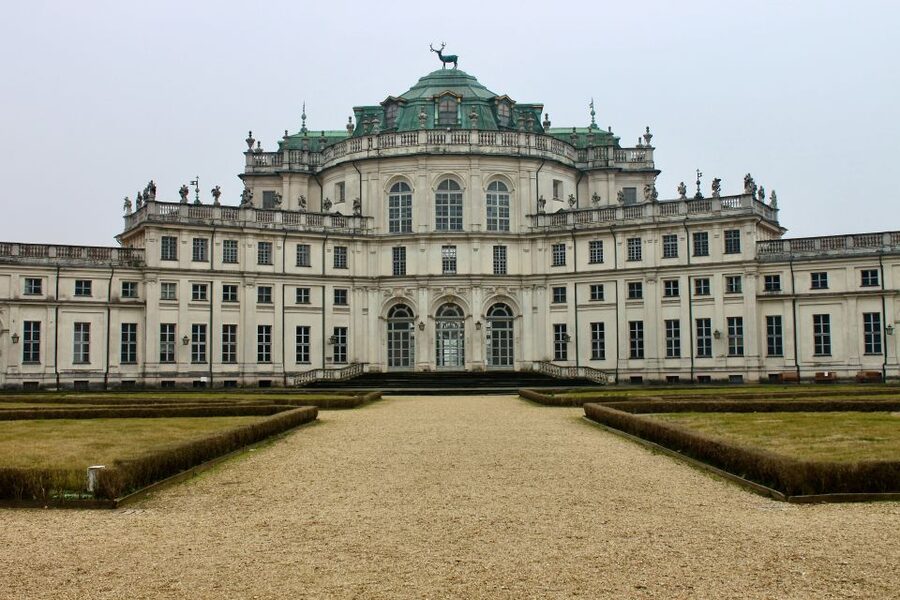
Stupinigi Palace feels like stepping into court life. You get a focused, small-group look at this UNESCO site’s Central Hall and Royal Apartments, plus the big story of why it exists—built in 1729 as a hunting lodge and later used by the Savoy royal family and Napoleon. It’s one of those places where architecture and power are tangled together in the details.
I especially love two things: the way the guide connects the rooms to real court moments, and the chance to move through the palace at a human pace thanks to the max 10 group size. One drawback to consider is that parts of the palace can be closed, which may shorten the visit to around an hour instead of the full 1.5 hours.
In This Review
- Key highlights you should care about
- Stupinigi Palace: Why This UNESCO Site Matters Near Turin
- Meeting Point and the Pace of 1.5 Hours
- Entering Through the Palace Core: The Central Hall
- Royal Apartments: Where Luxury Becomes a Story
- The 1729 Hunting Lodge Design by Filippo Juvarra
- Savoy Court Life: Parties and Marriages in the Palace
- Napoleon at Stupinigi: A Second Layer You’ll Feel
- Museum Masterpieces and Preserved Furnishings
- What Guides Get Right (and Why It Shows)
- Price and Value: Is 147 Per Person Worth It?
- Who This Tour Suits Best (And Who Might Want More Time)
- Should You Book Stupinigi Palace Guided Tour?
- FAQ
- How long is the Stupinigi Palace UNESCO guided tour?
- What is the price per person?
- Where do I meet the guide?
- How big is the group?
- What’s included in the tour price?
- What’s not included?
- Which languages are available for the live guide?
- Is the tour wheelchair accessible?
- Can I get a full refund if I cancel?
- Is it possible to pay later?
Key highlights you should care about
- Small-group format (max 10) for a calmer pace and more back-and-forth with the guide
- Central Hall plus Royal Apartments so you see the palace’s core ceremonial spaces
- Savoy stories tied to the rooms including parties, solemn marriages, and life at court
- 1729 hunting-lodge origin by Filippo Juvarra gives you a “why it looks like this” explanation
- Napoleon’s residence link adds a surprising second historical layer
- Guides who bring details to life (names you may meet include Mirella and Alessandro)
Stupinigi Palace: Why This UNESCO Site Matters Near Turin
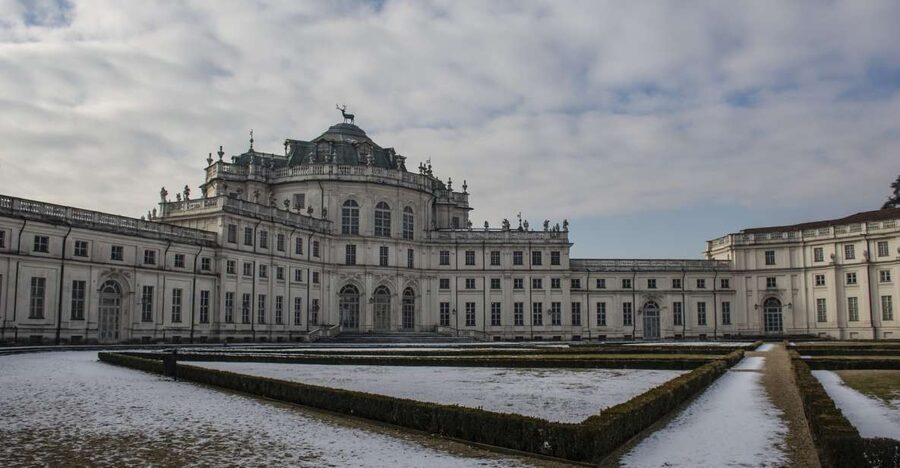
Stupinigi Palace sits in Piedmont, close to Turin, and it’s a UNESCO World Heritage site that earns its reputation through scale and intention. This isn’t just a pretty building; it was planned for leisure, hunting, and display, then reused as a royal residence.
What makes it interesting is that the palace design was meant for movement and ceremony. Even if you only have 1.5 hours, you’ll get a clear sense of how the Savoy family staged important moments in spaces built for social theater.
You can also read our reviews of more tours and experiences in Turin.
Meeting Point and the Pace of 1.5 Hours
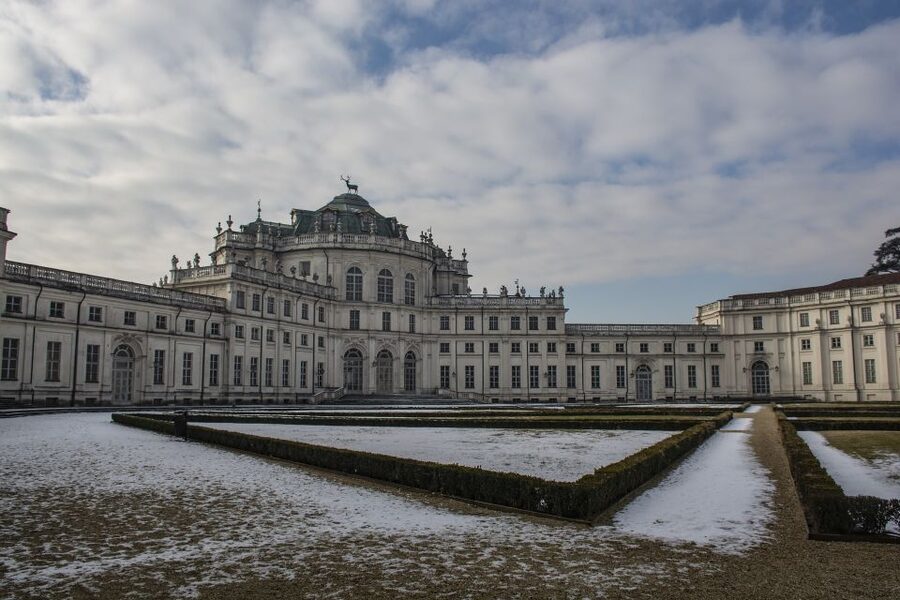
You’ll meet at the main entrance gate, Piazza Principe Amedeo, 7, 10042 Stupinigi – Nichelino (TO). Find the guide holding the Italy Hidden Experiences signboard, and you’ll start right from the palace’s front door area rather than wasting time figuring out logistics.
The tour runs about 1.5 hours, and you can check starting times based on availability. The group stays small (up to 10), which usually helps because palace interiors can feel crowded when you’re in a big group—and here you can actually listen.
One practical heads-up: when certain areas are closed, the tour may run shorter. That’s not the tour “failing,” but it’s worth mentally preparing so you don’t feel disappointed if you don’t get every room you imagined.
Entering Through the Palace Core: The Central Hall
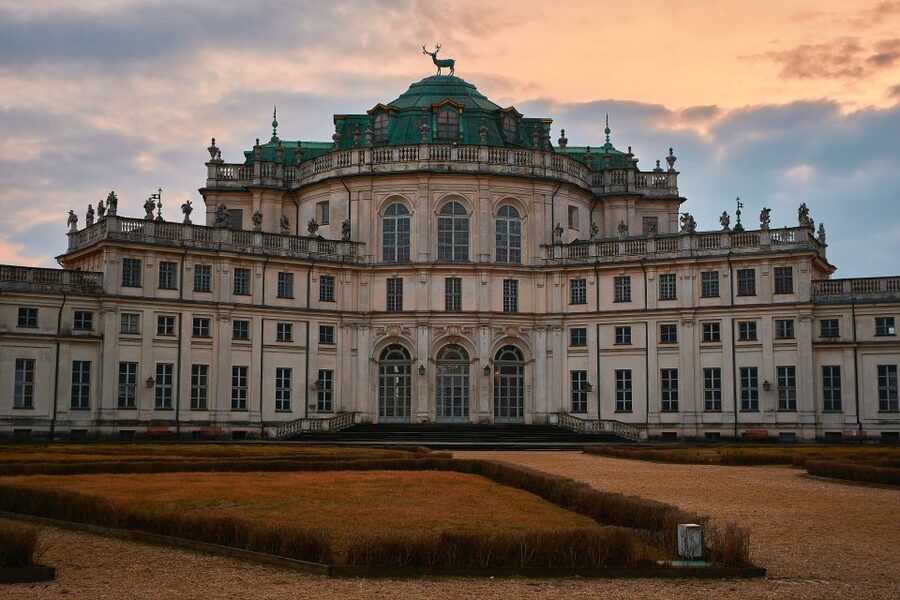
The tour’s momentum starts once you’re inside and walking toward the Central Hall. This is the kind of space where you quickly understand the palace’s purpose: it’s built to impress, guide people through the main flow, and set a ceremonial tone.
Your guide leads you across the Central Hall and helps you read what you’re seeing. That matters because palace rooms can look similar at first glance. With a good guide, the hall becomes a roadmap for how court life would have felt.
And since this tour includes time specifically to cross the central space, you’re not just passing through hallways. You’re getting a short, guided orientation that makes the later rooms click.
Royal Apartments: Where Luxury Becomes a Story
Next comes the Royal Apartments, where the tour focuses on interiors that are preserved and presented as part of the museum experience. Expect to see luxurious furnishings and preserved décor rather than a generic “tourist hallway” vibe.
This is one of the best parts of the experience for me because it’s where architecture turns into personal taste and status. You’ll hear stories that connect these rooms to real periods of use by the Savoy family, including major life events.
If you’re hoping for pure aesthetics, you’ll get it. If you’re hoping for meaning—who used these rooms and why—you’ll get that too, because the guide’s explanations are tied directly to how the palace functioned as a residence and event space.
The 1729 Hunting Lodge Design by Filippo Juvarra
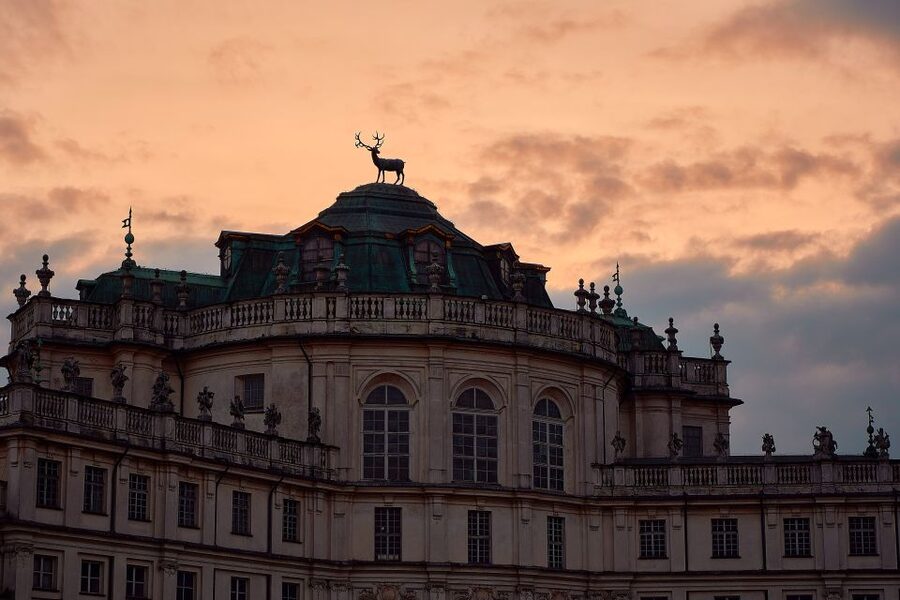
A big reason this tour is worth doing with a guide is the origin story: Stupinigi Palace was built in 1729 by architect Filippo Juvarra. The key point isn’t just the date—it’s the design logic.
This palace started life as a hunting lodge and a place of leisure. That background gives you a better lens for what you’re seeing, because hunting-lodge design has different priorities than a fortress or a purely ceremonial monument. You’ll understand the palace as a machine for hosting, gathering, and relaxing—plus showing power.
Even if your Italian or history background is light, the guide’s job is to translate the design choices into plain language. That’s what turns a building into something you can picture.
Savoy Court Life: Parties and Marriages in the Palace
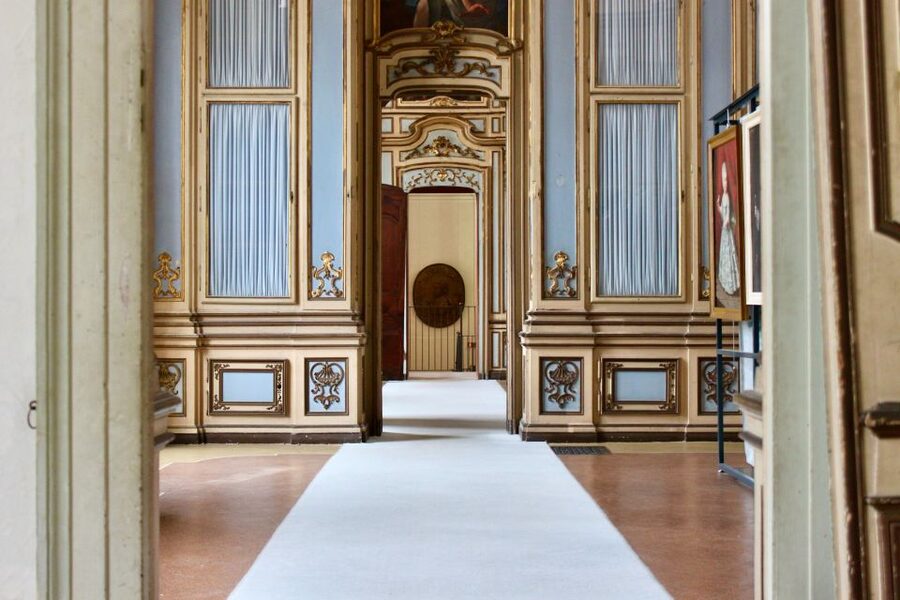
One of the most compelling threads you’ll hear is how the Savoy royal family used Stupinigi as a favorite setting for spectacular parties and solemn marriages during the 18th and 19th centuries.
This is where the tour’s storytelling really earns its keep. Court events are abstract until someone places you in the right spaces and explains what these rooms meant socially. When the guide ties the rooms to celebrations, the palace stops being a static object and becomes a stage.
I also like that the tour doesn’t just drop facts. It frames them so you can connect the event idea to the way people would have moved through the main spaces.
Napoleon at Stupinigi: A Second Layer You’ll Feel
Stupinigi doesn’t stay only in the Savoy spotlight. You’ll also hear that it was used as a residence by Napoleon.
This adds contrast, and contrast is useful when you’re short on time. When you know a palace served different regimes or important figures, you start noticing how different eras might have left their mark on the way rooms were used—even if the preserved interiors remain the same stage set.
The practical result: by the end, you’re not just thinking Savoy. You’re thinking how the same spaces could matter to more than one kind of power.
Museum Masterpieces and Preserved Furnishings
The tour includes time to see masterpieces in the museum and to appreciate the luxurious, preserved furnishings. You’ll walk through rooms where details are kept rather than “re-created for show,” which makes the experience feel more grounded.
This is one of those situations where a guide helps you slow down. Instead of rushing to look at everything, you’ll get directed attention—enough so you notice the luxury without losing time.
If you care about interiors, this portion is especially valuable because it answers a common question: what exactly makes a palace interior feel palatial? Here, the answer is in the preserved furniture, the room hierarchy, and the way the tour keeps you moving through the palace’s main spaces.
What Guides Get Right (and Why It Shows)
The tour is led by a licensed guide, and the small-group setup helps the guide actually teach rather than just recite. In particular, guides named Mirella and Alessandro have stood out for strong preparation and friendly delivery.
From what you can expect in the live experience, the best guides do two things well: they give context that makes rooms understandable, and they add the small “how this worked” details that turn sightseeing into comprehension.
You also get flexibility in language. The tour offers live guidance in Italian, English, French, German, and Spanish, which is a big deal for a palace like this where nuance matters.
Price and Value: Is 147 Per Person Worth It?
At $147 per person for a 1.5-hour guided visit, the value equation hinges on what’s included. This price covers entry tickets and a licensed guide, and you’re placed in a small group capped at 10 people.
If you were to do this on your own, you’d still have to buy tickets and figure out what you’re looking at in the Royal Apartments and the museum rooms. Here, you pay for translation plus interpretation—exactly the kind of payoff that matters in a dense palace interior.
The main value risk is the same one you should always consider with historic sites: if some areas are closed, your time may shrink. In the experience, that can mean the tour runs closer to about an hour rather than the full 90 minutes.
Still, for most people, the combination of UNESCO setting, curated palace focus, and guided context is a solid match for a time-pressed stop near Turin.
Who This Tour Suits Best (And Who Might Want More Time)
This tour is a great fit if you want architecture and court stories in a structured visit. You’ll likely enjoy it most if you like:
- Understanding how a palace was used, not just seeing it
- Short, guided museum time instead of wandering
- A small-group pace that keeps the experience personal
It may be less ideal if you want a long, slow, self-paced tour with lots of time in each room. The palace is big and detailed, and the guided flow is intentionally focused. If that’s your style, you might pair this with extra independent time after the tour, assuming you’re able to visit additional areas on your own.
Should You Book Stupinigi Palace Guided Tour?
I’d book it if you want a guided shortcut to meaning. This is one of those palace visits where the guide makes a real difference because the building’s purpose—built in 1729 by Filippo Juvarra as a hunting lodge, later tied to Savoy court life and Napoleon—gives you a ready-made framework for what you’re seeing.
Book it sooner rather than later if you value the small-group limit and want guided time in the Central Hall and Royal Apartments. If you’re very sensitive to “missing rooms” and closures, just know that the schedule can shift and the tour may run shorter when some areas aren’t accessible.
FAQ
How long is the Stupinigi Palace UNESCO guided tour?
The tour lasts about 1.5 hours.
What is the price per person?
The price is $147 per person.
Where do I meet the guide?
Meet in front of the main entrance gate at Piazza Principe Amedeo, 7 – 10042 Stupinigi – Nichelino (TO). Look for the guide holding an Italy Hidden Experiences signboard.
How big is the group?
The group is small, with a maximum of 10 participants.
What’s included in the tour price?
It includes entry tickets, a licensed guided tour, and the small group experience.
What’s not included?
Food and drinks are not included, and there is no hotel pick-up or drop-off.
Which languages are available for the live guide?
The live guide is available in Italian, English, French, German, and Spanish.
Is the tour wheelchair accessible?
Yes, the tour is wheelchair accessible.
Can I get a full refund if I cancel?
Yes. You can cancel up to 24 hours in advance for a full refund.
Is it possible to pay later?
Yes. The option is reserve now & pay later, so you can book your spot without paying today.