REVIEW · MARRAKECH
3 Days Desert Tour From Marrakech To Merzouga Désert And World Heritage Kasbah
Book on Viator →Operated by Marrakech Tours · Bookable on Viator
A Sahara night in Morocco can change your whole trip. This 3-day Marrakech to Merzouga route strings together mountain roads, the UNESCO Aït Benhaddou kasbah, and a desert sunrise over the dunes. I like that you don’t just stop at one highlight—you get a full day of driving through different regions, plus camel time and an overnight setup built for star-gazing.
What I really like is the mix: camel riding into Erg Chebbi and then sleeping in the desert camp, followed by the sunrise and a return ride. One thing to weigh carefully: the schedule packs in a lot of road time, and some travelers report extra costs or rough edges with timing, comfort, and cleanliness depending on the night and your specific pickup.
In This Review
- Key Things That Make This Tour Work
- Marrakech to the High Atlas: The Drive That Sets the Tone
- Aït Benhaddou: UNESCO Kasbah Walking Time Without a Full Detour
- Dades Gorges: Green Valleys, Tight Roads, and a Mountain Hotel Night
- Erg Chebbi and Merzouga: Camel Ride Into the Dunes
- Night Under Stars: The Part You’ll Remember Most
- Day 3 Sunrise: Leaving the Camp the Right Way
- Ouarzazate and Taourirt Kasbah: A Stop That Breaks Up the Return
- Price and Value: Is $139.37 a Smart Deal?
- Logistics That Matter: Pickup Timing, Drive Comfort, and What to Bring
- Who Should Book This Tour (and Who Should Skip It)
- Should You Book This 3-Day Marrakech to Merzouga Desert Tour?
- FAQ
- How long is the Marrakech to Merzouga desert tour?
- What time does the tour start?
- Is hotel pickup included?
- How many nights of accommodation are included?
- Do you ride camels during the trip?
- Is there a sunrise experience in the desert?
- Which major stops are included besides Merzouga?
- Are any meals included?
- Is there a vegetarian option?
- What are the cancellation terms for a full refund?
Key Things That Make This Tour Work
- UNESCO Aït Benhaddou on Day 1, with time to walk inside the fortified kasbah area
- Erg Chebbi camel ride + desert camping, with dinner and sleeping outdoors under the stars
- Desert sunrise on Day 3, then another camel return toward Merzouga
- Two accommodation nights included, with half-board meals on the first two days
- Small group size (max 15), which usually keeps the chaos down on long drives
- High-Atlas road journey through valleys and gorges, not just flat highway transfers
Marrakech to the High Atlas: The Drive That Sets the Tone
The day starts early, with pickup and a departure around 7:45 am from Marrakech. From the start, the route is built around Morocco’s big visual contrast: you leave the city and head into the High Atlas Mountains, where the scenery shifts from farming terraces and palms to a more barren, desert-like feeling as the day progresses.
You’ll also get a practical rhythm to the pacing. The first long stretch is mainly travel, but it’s not a “sit and suffer” transfer—expect regular viewpoint moments and stops that break up the day. That matters because this kind of route is distance-heavy. If you tend to get cranky on bus rides, plan to treat the journey as part of the experience, not just the price of admission.
You can also read our reviews of more tours and experiences in Marrakech.
Aït Benhaddou: UNESCO Kasbah Walking Time Without a Full Detour
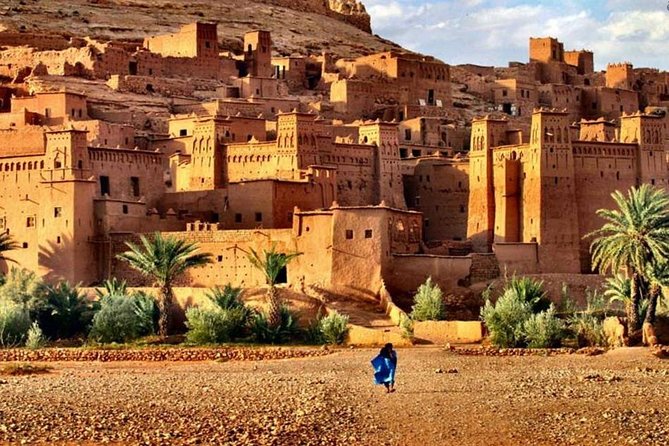
Aït Benhaddou is one of the big names on southern Morocco routes, and here you actually get time to experience it rather than just driving past. The description frames a kasbah as a walled citadel built from clay mixed with straw—historically used to shelter whole communities—and when you arrive, the fortification looks like it’s been dropped into the landscape.
You’ll also have a bit of room to move. In this itinerary, the kasbah stop is set aside for around 2 hours 30 minutes, which is enough to wander narrow lanes and take in the view from higher points. That walking time is one of the best values on the itinerary because it lets you slow down. If you’ve only seen kasbahs from afar in photos, you’ll likely find the scale much more real once you’re inside.
Important detail: the package notes Aït Benhaddou admission as free within this schedule. Still, it’s smart to confirm what’s covered when you book, because “free” can sometimes mean different things depending on how the local site handles tickets.
Dades Gorges: Green Valleys, Tight Roads, and a Mountain Hotel Night
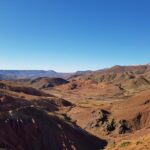
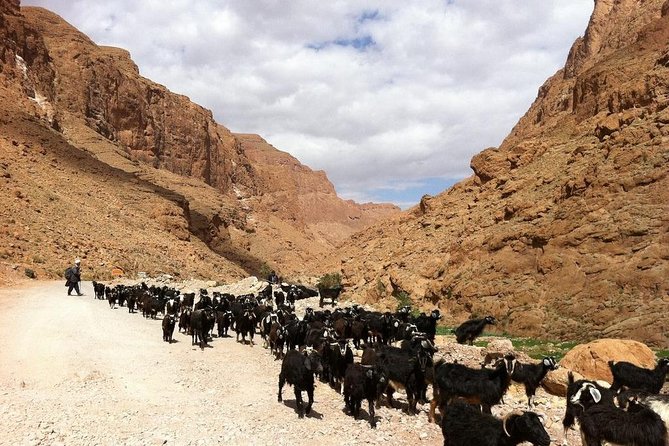
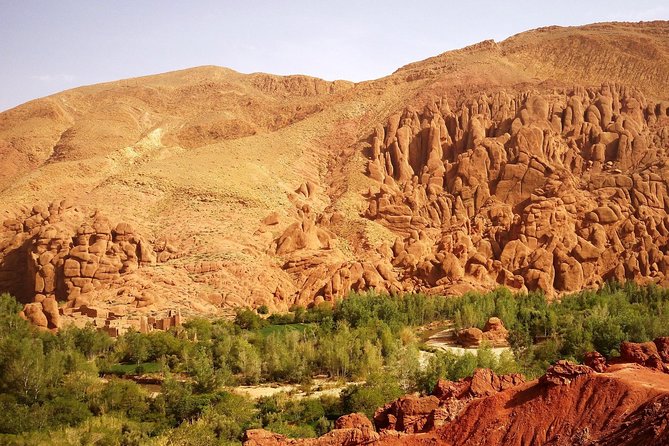
After lunch, you continue toward Dades Gorges. This section is where the scenery swings again. The route description leans into palm valleys, colorful cliffs, and bizarre rock formations. The driving time here is long enough that it can feel like the tour is all about motion—but the payoff is that the road changes constantly, so your eyes always have something to catch.
You’ll also hit a practical stop for a drink at a place called Panoramic, with an outdoor terrace overlooking the valley and cliffs. It’s the kind of break that helps you reset for the next driving stretch toward the hotel.
Dinner and a night in the mountains are included. The itinerary specifically mentions Kasbah La Gazelle or similar, which is helpful because it suggests you’re not stuck in the middle of nowhere with no comforts. Still, based on real-world feedback patterns, I’d plan your expectations around “basic but functional.” Some departures are smoother than others, especially on cleanliness and bedding, so don’t show up assuming a hotel-quality setup every night.
Erg Chebbi and Merzouga: Camel Ride Into the Dunes
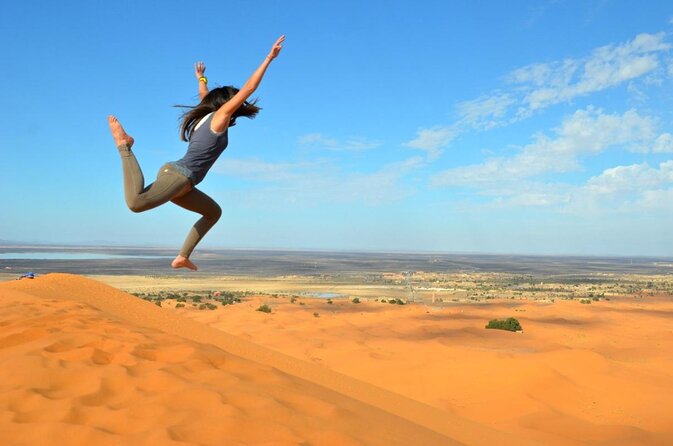
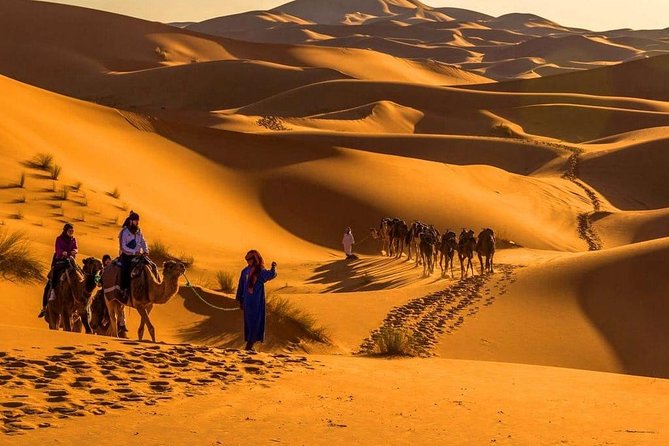
Day 2 is where the trip turns from road trip into desert experience. You drive through the edges of the Sahara toward Merzouga and the Erg Chebbi dunes. Once there, you ride a camel—using a route led by camel drivers—until you reach the desert camp.
What makes this day special is that it’s not only about getting to the sand. The camel ride is part of how you arrive emotionally. The description promises a slow, steady approach into the dune area, and the point isn’t speed—it’s letting the dunes take over your surroundings.
You’ll then get dinner at camp and spend the night sleeping under the stars. That’s a major selling point, and it’s also one of the most memorable parts of the itinerary, because it’s the closest thing on the schedule to a true “pause.” No crowds, no city noise—just the desert night and the simple rhythm of camp life.
One thing to consider: the overnight is camping-style. Even if the camp setup is fine, you should treat it as outdoor accommodation, not a five-star bed. Several travelers specifically advise being prepared, including bringing your own sheets or using a sleeping liner.
Night Under Stars: The Part You’ll Remember Most
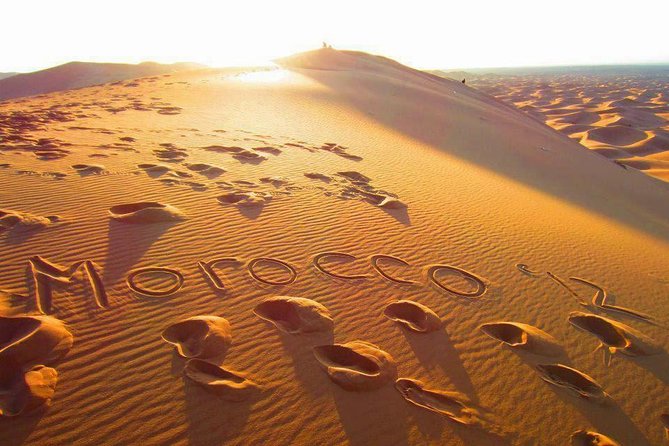
The best version of this tour is the one where you let the desert night be quiet. The itinerary is built around that: dinner, then sleeping under the stars. That’s exactly the kind of moment that can feel like a clean contrast to Marrakech, where the nights are loud and lively.
Real talk: comfort can vary. Some people have described clean enough conditions and good food. Others flagged issues like dirty sheets/insects and basic toilets. You can’t control the desert, but you can control your gear choices. I’d show up with:
- a sleeping bag liner or own sheets if you’re picky about hygiene
- a small plan for hand-washing and bathroom needs at night
- a calm mindset about camp-level services
If you need polished facilities and constant reassurance, you might find the desert camp a bit rough. If you’re okay with simple and meaningful, this is the night that earns the whole trip.

Day 3 Sunrise: Leaving the Camp the Right Way
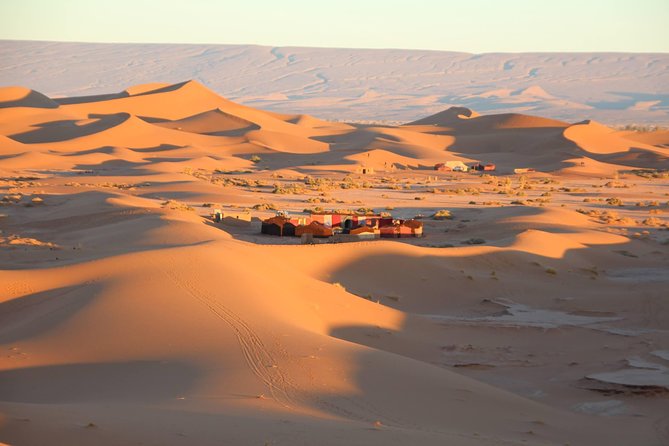
Morning on Day 3 starts with sunrise over the dunes, which is one of the itinerary’s headline moments. It’s also a time commitment. The tour description emphasizes the sunrise experience, and in practice, that means an early start.
After breakfast, you head back toward Merzouga on camels. Then the drive continues back toward Marrakech, crossing the High Atlas Mountains and Berber villages along the way. The morning-to-afternoon flow is designed to keep you moving while still giving you the key payoff (sunrise + camel return).
Ouarzazate and Taourirt Kasbah: A Stop That Breaks Up the Return
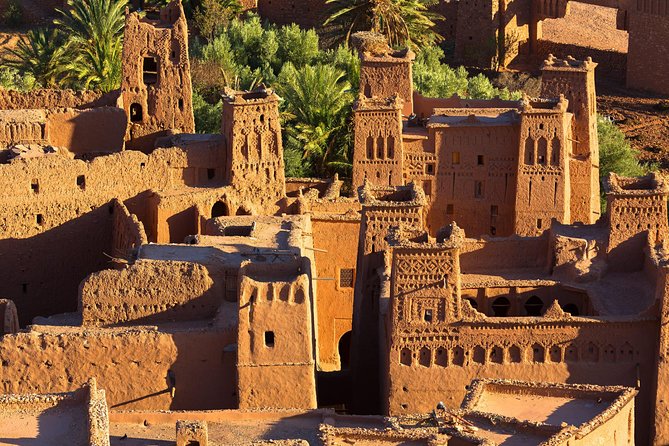
On the way back, you’ll pass through Ouarzazate, with time for lunch and a visit to the Taourirt Kasbah. Admission for this stop is noted as not included, so budget for that if you plan to enter fully.
This is a smart pacing move: after the desert calm, Taourirt Kasbah adds structure and history-feel to the return day. It’s also a good “mental reset” before the long drive back.
Then you reach Marrakech in the evening and get dropped off at a central location. The itinerary specifically references Jemaa el-Fnaa, which is a helpful landmark for orienting yourself once you’re back.
Price and Value: Is $139.37 a Smart Deal?
At $139.37 per person, this tour is usually priced for people who want multiple regions in a short time. Here’s how the value breaks down, based on what’s explicitly included:
- Transport from Marrakech across southern Morocco
- Two nights of accommodation included
- Half-board meals on the first two days (Day 1 and Day 2)
- Camel ride and desert camp night
- Some meals and admissions noted as included/free on parts of the route
So the “value” isn’t just the desert. It’s the fact that you’re buying: long-distance road transport + lodging nights + desert logistics that would be a headache to arrange quickly on your own.
Where the value can wobble is in extra spending. Several travelers mention hidden costs, extra payments, and paying for certain city stops or restaurant meals. The itinerary also marks Taourirt Kasbah admission as not included. If you stick to what’s covered, you’ll likely feel good about the price. If you expect every stop to be fully included and then get asked for payments along the way, you may feel irritated.
My advice: bring some cash, and keep a small buffer in your budget for:
- site admissions marked as not included
- lunch stops that can be pricier than you expect
- any local add-ons that come up during the day
Logistics That Matter: Pickup Timing, Drive Comfort, and What to Bring
This tour runs on long drives, and that’s the biggest “consideration” in plain language. Even when the driving is careful, you’re on the road for a lot of the trip. One traveler even noted that the day included 10 hours 15 minutes driving and arrived back late in the evening, which gives you a feel for how packed the schedule can be.
Pickup and drop-off can be another pain point. Some experiences run smoothly; others report late pickup, drop-off far from the hotel, or confusion around who the guide is during certain parts of the day.
So here’s what you can do to protect your experience:
- be ready at the pickup time and keep your phone charged for updates
- pack patience for desert mornings (sunrise means early wake-ups)
- plan for crowded vehicle conditions (the group is up to 15)
- bring cash in small bills, especially for places where admissions or snacks might be additional
On cleanliness: if you’re the type who hates rough bedding, don’t gamble. Bring a sleeping liner or sheets. It’s an easy fix for the biggest camp complaints.
Who Should Book This Tour (and Who Should Skip It)
This itinerary is best for you if:
- you want mountains + UNESCO kasbah + Sahara in 3 days
- you’re excited for camel riding and an overnight camp night
- you like scenic drives and can handle long hours in a vehicle
- you’re comfortable with simple accommodation for one night in the desert
Skip it (or shop more carefully) if you:
- need nonstop comfort and guaranteed cleanliness at every stop
- get stressed by early mornings and tight schedules
- strongly prefer a guided experience in every vehicle segment, with no language gaps
If you’re flexible and you go in expecting “meaningful over fancy,” this can be a standout Morocco trip.
Should You Book This 3-Day Marrakech to Merzouga Desert Tour?
If you want a time-efficient route that hits the big Morocco signatures—High Atlas views, Aït Benhaddou UNESCO, Erg Chebbi camel ride, and a desert sunrise—this is a solid option. The price makes sense when you count the included transport and two nights with half-board meals, plus the desert logistics.
Just go in smart:
- pack for a basic desert camp night
- bring some cash
- expect a lot of road time
- confirm what’s covered for Taourirt Kasbah admission
If you do those things, you’ll give yourself the best chance to walk away with the kind of night under stars that’s hard to recreate.
FAQ
How long is the Marrakech to Merzouga desert tour?
It runs about 3 days.
What time does the tour start?
Pickup starts at 7:45 am.
Is hotel pickup included?
Yes, pickup is offered.
How many nights of accommodation are included?
Two nights are included.
Do you ride camels during the trip?
Yes. You ride camels to reach the desert camp and ride again when returning.
Is there a sunrise experience in the desert?
Yes. You’ll watch sunrise over the dunes on Day 3.
Which major stops are included besides Merzouga?
You visit Aït Benhaddou (UNESCO World Heritage Site) and Dades Gorges, and you stop in Ouarzazate to visit Taourirt Kasbah.
Are any meals included?
Yes. The itinerary includes half-board meals on the first two days (labeled as half board) and breakfast on the desert-morning portion. It also notes some meals included overall.
Is there a vegetarian option?
Yes. A vegetarian option is available if you request it at booking.
What are the cancellation terms for a full refund?
Free cancellation is available up to 24 hours in advance for a full refund. Within 24 hours, the amount paid is not refunded.