REVIEW · BAEZA
Úbeda-Baeza historical tour with Water Synagogue
Book on Viator →Operated by SETURJA SL · Bookable on Viator
Úbeda and Baeza in one smooth run. The standout is the Sinagoga del Agua visit, plus a guided walk through Renaissance palaces and plazas you will actually want to photograph. I love that the tour also covers big-name church architecture like the Holy Chapel of El Salvador with real context, not just dates. One thing to consider: you provide your own way to travel between the two towns, so plan that day carefully.
What makes this experience feel especially practical is the flexible way you can fit the two cities in. You decide when you visit each city, even on the same day (morning for one, afternoon for the other), as long as you respect the schedule—so you can match it to your hotel setup.
And at about $40.52 per person for a 5-hour guided circuit that includes multiple admission stops, it is strong value—especially because the Water Synagogue is not commonly bundled elsewhere in the province. Just expect a walking-focused tour through historic cores where you’ll be on your feet more than you’d be on a bus.
In This Review
- Key things to know before you go
- Price and logistics: what $40.52 really gets you
- Starting in Úbeda: Renaissance architecture you can read
- Stop 1: Holy Chapel of the Saviour (El Salvador)
- Stop 2: Palace del Dean Ortega (and a quick palace glance)
- Stop 3: Palacio Juan Vázquez de Molina (City Hall)
- Stop: Iglesia Parroquial Mayor de Úbeda (style overlap)
- Stop 4: Plaza Vázquez de Molina (Renaissance urbanism)
- More Úbeda churches and palaces: the holy mix of eras
- The small church with neo-Renaissance drama
- Convent-Museum and Saint John of the Cross
- The showstopper: Sinagoga del Agua and its ritual spaces
- Mikveh (ritual purification bath room)
- Gallery of women behind lattices
- Del Inquisidor: patio, cellar, ovens, and the rabbi-house story
- Crossing to Baeza: Plaza del Pópulo as your compass
- Plaza del Pópulo: the monumental core
- Fuente de Santa Maria: the ideal break spot
- Cathedral de Baeza and Iglesia de Santa Cruz: medieval depth in Andalusia
- Cathedral de Baeza: layers of transformation
- Iglesia de Santa Cruz: Romanesque rarity
- Renaissance palaces, Machado’s classroom, and the University story
- Palacio de Jabalquinto: Elizabethan Gothic style
- Antigua Universidade de Baeza and Aula de Antonio Machado
- Closing with oil tasting and a medieval viewpoint
- La Casa del Aceite: oil tasting
- Centro Interpretacion de la Baeza Medieval: view from the Torreón
- Who this tour fits best (and who should adjust expectations)
- Final verdict: should you book this Úbeda + Baeza tour with the Water Synagogue?
- FAQ
- How long is the Úbeda + Baeza historical tour?
- Does this tour include the Water Synagogue (Sinagoga del Agua)?
- Are admission tickets included?
- Is transportation between Úbeda and Baeza included?
- Can I choose when to visit Úbeda and when to visit Baeza?
- What time do the visits run?
- How large are the groups?
- Are radio guides provided?
- What if I need to cancel?
Key things to know before you go
- Sinagoga del Agua is included and it is the only highlight here that often gets overlooked on other routes
- Flexible Úbeda/Baeza timing lets you pick same-day or split days within set hours
- Multiple paid-entry moments are included, including the Cathedral of Baeza and key churches
- Radio guides for groups 20+ help keep you together and make the explanations easier to follow
- Max group size is 20, which usually means more back-and-forth at the stops
Price and logistics: what $40.52 really gets you
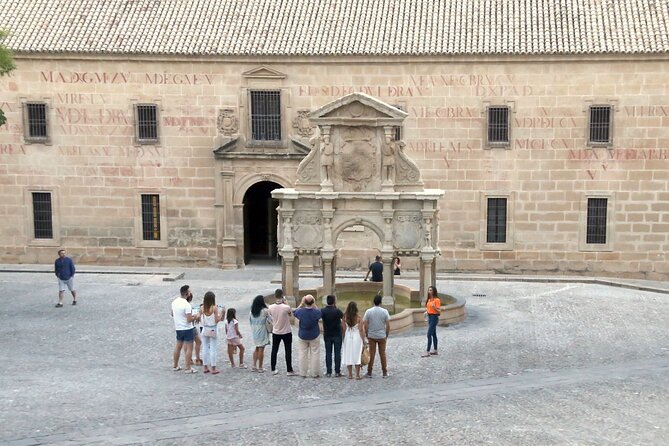
This is priced at $40.52 per person for an experience that runs about 5 hours. For that time, you are not just doing exterior sightseeing. You get guided stops where admission is included at several major points—like the Holy Chapel of El Salvador in Úbeda, the Sinagoga del Agua, and the Cathedral of Baeza. You also get an oil tasting at the end, which turns all the architecture talk into a sensory closer.
The only real logistical watch-out is transportation: transport between Úbeda and Baeza is not included. The tour is designed so you can choose the order and timing, but you still need to get from one city to the other on your own.
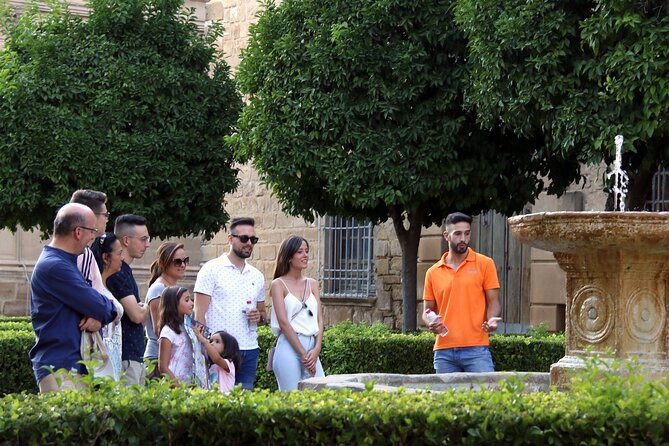
If you like small groups, this helps. The tour caps at 20 travelers and includes radio guides free of charge when the group is 20+. That combo tends to make a difference in lively squares, where people spread out fast.
Starting in Úbeda: Renaissance architecture you can read
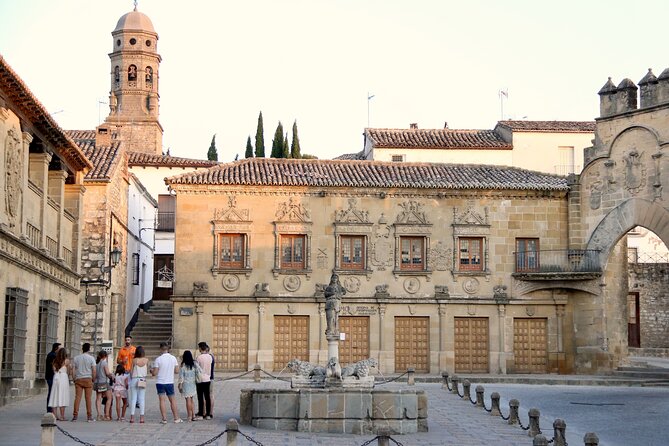
Úbeda is where this tour starts to feel like a lesson you actually enjoy. The architecture is so concentrated that you quickly learn to spot patterns: Renaissance proportion, deliberate symmetry, and that mix of Italian influence with Spanish execution.
Stop 1: Holy Chapel of the Saviour (El Salvador)
This is where you feel the “Italian Renaissance” part of the story clearly. The chapel is described as an architectural jewel, and it shows. It is not only impressive outside; the interior is the payoff.
What makes this stop worth your time is the craftsmanship pedigree: it is linked to Diego de Siloé, with Andrés de Vandelvira associated with its execution and sacristy work. If you’ve ever walked past a church thinking it’s just pretty, this stop gives you a reason to look for how it was built and why it matters.
Admission is included here, so you’re not hunting down tickets while the group keeps moving.
Stop 2: Palace del Dean Ortega (and a quick palace glance)
Next is the Palace del Dean Ortega, one of Úbeda’s most important Spanish-Renaissance palaces. It is also noted as an Asset of Cultural Interest and, since 1929, it has functioned as a National Tourism Parador. Recently it has been musealized to make the historical visit easier.
This is a short moment—about 5 minutes. Think of it as a “spot it, appreciate it, keep going” stop. If you like deep museum time, you might come back later on your own.
Stop 3: Palacio Juan Vázquez de Molina (City Hall)
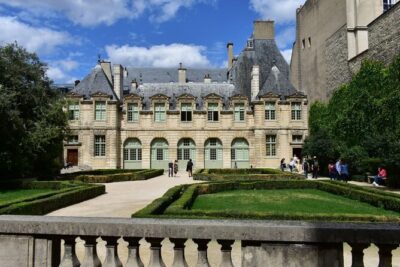
You then get Palacio Juan Vázquez de Molina, known as the Palace of de las Cadenas. It is attributed to Andrés de Vandelvira (16th century), and today it operates as the City Hall.
The quick hit is still useful: you see how Renaissance planning shows up in real public-life buildings, not just relics behind glass. Admission is free for this stop.
Stop: Iglesia Parroquial Mayor de Úbeda (style overlap)
Then comes a church that turns architectural history into something you can literally stand inside. The Iglesia Parroquial Mayor de Úbeda is described as the most significant overlap of architectural styles in the city.
You also get the smaller treasures: a 15th-century cloister, noble chapels from the 15th and 16th centuries, and notable ironwork and paintings. Expect this to be one of those “slow down and look up” moments. Even if you’re not a design nerd, the place rewards attention.
Stop 4: Plaza Vázquez de Molina (Renaissance urbanism)
You step into a key urban space: Plaza Vázquez de Molina. This stop is about city design, not just buildings. The tour frames it as one of the best examples of Renaissance urbanism in Spain.
If you’ve never thought about streets and squares as part of history, this is a friendly intro. You get to see how planning created civic life around these landmarks.
More Úbeda churches and palaces: the holy mix of eras
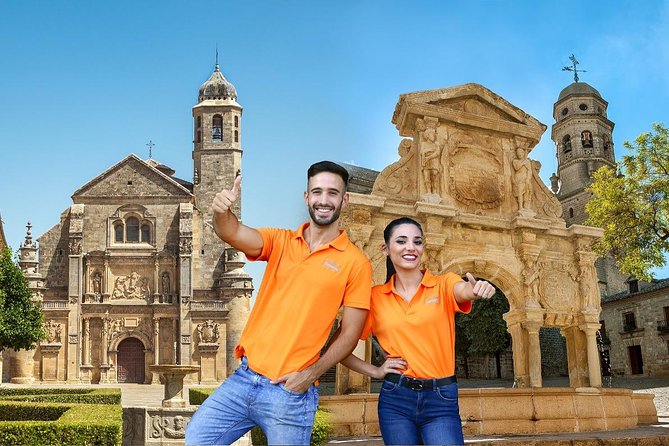
Úbeda keeps stacking highlights. The tour continues through another Renaissance noble palace—ordered by mayor Francisco Vela de los Cobos in the mid-16th century, with plans by Andrés de Vandelvira and execution by stonemason Jorge Leal. That kind of detail helps you connect what you see to the people and the money that shaped the town.
After that, you reach San Pablo, described as the second oldest and most important temple in Úbeda after Santa María de los Reales Alcázares. It is built on a site associated with an older neighborhood mosque. The current Gothic morphology connects to a restoration financed by Bishop Alonso Suárez de la Fuente del Sauce.
The small church with neo-Renaissance drama
The itinerary includes a smaller neo-Renaissance church that is described as especially impressive despite its size. The tour notes three naves, a transept, half-barrel vaults, and a half-orange dome with a lantern.
Even if you cannot memorize architectural terms, you’ll feel the visual logic. And the exterior gets a specific mention too: bichromatic tiling stands out. This is the kind of stop where a quick look can turn into a slow stare.
Convent-Museum and Saint John of the Cross
Finally in Úbeda, the tour includes a Convent-Museum linked to Saint John of the Cross, where he died and was buried. The space includes various relics and souvenirs connected to him.
If you’re the type who likes spirituality in a human-scale way, this can be meaningful without turning heavy. It is still part of the broader story of how Úbeda formed its identity through faith, art, and power.
The showstopper: Sinagoga del Agua and its ritual spaces
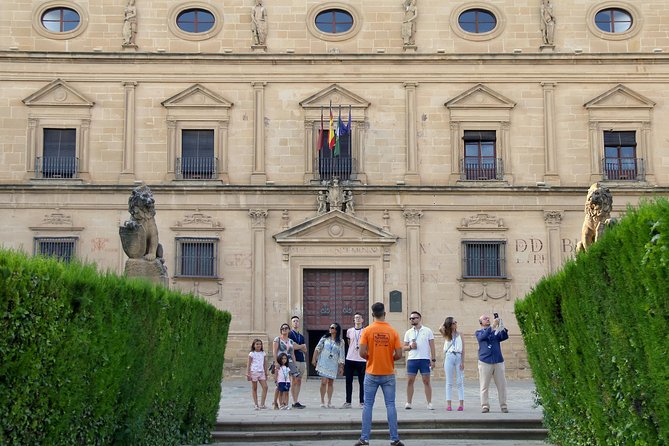
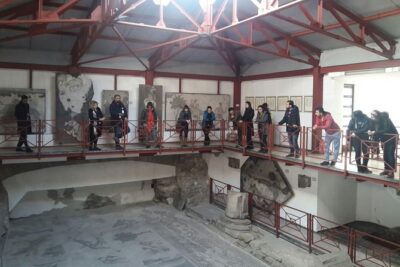
This is the big reason to choose this tour: the Sinagoga del Agua. The tour gives you six unique spaces, and it specifically calls out the parts that make this synagogue different from what you might expect.
Mikveh (ritual purification bath room)
The highlight is the Mikveh, the ritual purification bath room used in Jewish customs. This isn’t just a historical note; it changes how you interpret the building. Suddenly the synagogue is not only a place of worship. It’s also a place of ritual preparation, with architecture shaped around practice.
Gallery of women behind lattices
You also get the Gallery of Women, described as women’s space during ceremonies and rites, hidden behind lattices. This detail matters because it shows how architecture managed privacy, roles, and movement during worship.
Del Inquisidor: patio, cellar, ovens, and the rabbi-house story
The tour also mentions the “Del Inquisidor” room, with patio, cellar, and ovens. It’s linked to dependencies that made up what could have been the rabbi’s house in the Middle Ages.
Even if you only catch part of the explanation, you’ll leave with a stronger sense of how daily life and religious life overlapped in the building’s layout.
Admission is included here, so you can focus on listening and looking rather than managing payments.
Crossing to Baeza: Plaza del Pópulo as your compass
Then you move into Baeza, another World Heritage town where Renaissance design feels less grand and more lived-in.
Plaza del Pópulo: the monumental core
The heart here is Plaza del Pópulo. The tour points out several major elements around the square, including:
- Old Butchers, now the Courts
- La Casa del Pópulo, described as a Plateresque building that houses the city Tourist Office
- The fountain called Fuente de los Leones
- Puerta de Jaén
- Arco de Villalar
This is a smart stop because the square gives you your bearings fast. When you understand the layout of the plaza, the rest of the walk makes more sense. You start connecting where people entered the city, where business happened, and where civic authority sat.
Fuente de Santa Maria: the ideal break spot
Next is Fuente de Santa Maria, set between the cathedral and the Seminary of San Felipe Neri, and near the Church of the Holy Cross and the Old University.
It’s a quick 5-minute moment, but it’s framed as an emblematic location with a view that gives your legs a tiny breather. This is where you look around and realize how tightly packed the landmarks are.
Cathedral de Baeza and Iglesia de Santa Cruz: medieval depth in Andalusia
Now the tour shifts from plazas and squares into major religious architecture—where Baeza’s timeline becomes easier to feel.
Cathedral de Baeza: layers of transformation
The Cathedral de Baeza is included with admission. The tour stresses that after it was built, it went through numerous transformations, leaving you with different architectural styles in one place.
That matters for your visit because it changes how you should look. Instead of searching for one “pure” style, you learn to notice transitions—how one era tried to reshape what came before.
Iglesia de Santa Cruz: Romanesque rarity
Next is Iglesia de Santa Cruz, described as the best preserved Romanesque temple in all of Andalusia. It’s also called an unusual rarity in the region.
If you’ve seen lots of Gothic in Spain, this is a great palate cleanser. Romanesque usually feels heavier, more grounded. Here you get a rare chance to see that preserved look.
Renaissance palaces, Machado’s classroom, and the University story
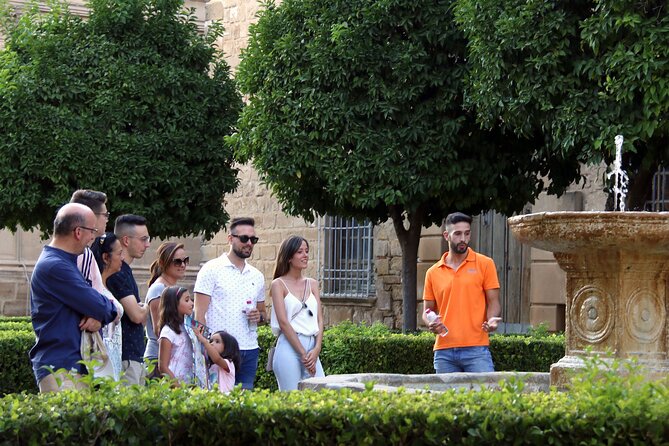
After the cathedral and church stops, you get a more educational pace—still interesting, just less about ornate facade drama and more about how people learned and governed.
Palacio de Jabalquinto: Elizabethan Gothic style
The Jabalquinto Palace is now the International Headquarters of the Antonio Machado University. It is from the late 15th century and described as a great exponent of Elizabethan Gothic style.
This is the kind of detail that makes you feel like you learned something real, not just walked past another pretty building. If you pay attention to the stylistic cues as you listen, the architecture starts telling you where it’s from and who influenced it.
Antigua Universidade de Baeza and Aula de Antonio Machado
Then you visit the old University of Baeza, beginning in the first half of the 16th century. It is now converted into an institute.
The tour also includes the Aula de Antonio Machado, the classroom where Antonio Machado taught French Grammar. It notes that the facilities are very well preserved despite the date and belong to Spain’s network of Historical Institutes.
This is a subtle win. You’re not only looking at art and stone. You’re standing in the physical setting where language and learning happened. If you like literature, you will probably enjoy this part even more.
Closing with oil tasting and a medieval viewpoint
A tour that ends with food tends to end better. Here you get both something to taste and something to see.
La Casa del Aceite: oil tasting
At the end, you do oil tasting at La Casa Del Aceite. The tour frames it as learning the benefits of liquid gold.
I like this stop because it pulls the whole Renaissance story back into daily life. Oil wasn’t just an agricultural product; it was part of what shaped economies and cuisines. Even if you are not an expert, you can appreciate differences in flavor and learn what to look for when tasting.
Centro Interpretacion de la Baeza Medieval: view from the Torreón
Finally, you visit the Centro Interpretacion de la Baeza Medieval, tied to the view from the Torreón de la Puerta de Úbeda. You get insight into details of medieval times, plus one of those high-points where the city layout clicks into place.
This stop makes the rest of your walk feel “mapped.” It’s easier to remember places after you’ve seen the city from above.
Who this tour fits best (and who should adjust expectations)
This works especially well for you if:
- you want a high-value, guided sampler of two UNESCO-listed towns
- you are curious about architecture and like explanations that connect buildings to people (Siloé, Vandelvira, Vela de los Cobos, Machado)
- you want a unique inclusion: Sinagoga del Agua, with clear stops for the Mikveh and women’s gallery
It may not be the best fit if:
- you hate walking or prefer bus-based sightseeing, because this is a walk-heavy historic-core route
- you want long independent time inside major sites, since the tour includes many stops and keeps a steady pace
Also, the tour notes that most travelers can participate and that service animals are allowed, which is reassuring.
Final verdict: should you book this Úbeda + Baeza tour with the Water Synagogue?
I recommend booking it if the Water Synagogue is on your must-see list and you want it paired with two towns that feel genuinely Renaissance-heavy. The price-to-content ratio is strong because multiple admissions are included and you end with an oil tasting instead of just more walking.
If you already know you will struggle to arrange transportation between Úbeda and Baeza, then factor that in before you commit. But if you can handle the town-to-town logistics, this is one of those days that leaves you with more than photos. You’ll leave with a mental map of the places and a better grasp of why these cities look the way they do.
FAQ
How long is the Úbeda + Baeza historical tour?
The tour lasts about 5 hours.
Does this tour include the Water Synagogue (Sinagoga del Agua)?
Yes. The tour specifically includes a visit to the Sinagoga del Agua, with admission included for that stop.
Are admission tickets included?
Admission is included for several key stops, including the Holy Chapel of the Saviour (El Salvador), the Sinagoga del Agua, the Cathedral de Baeza, La Casa Del Aceite oil tasting, and the Centro Interpretacion de la Baeza Medieval. Other stops in Úbeda and Baeza are listed as free.
Is transportation between Úbeda and Baeza included?
No. Transportation between the two cities is not included.
Can I choose when to visit Úbeda and when to visit Baeza?
Yes. You choose when you visit each city. Visits can be on different days or the same day, with a morning and an afternoon option, while respecting established schedules. Sunday afternoons in Baeza are an exception.
What time do the visits run?
Visits are held every day at 11:00 and 17:00, with the exception noted for Sunday afternoons in Baeza.
How large are the groups?
The tour has a maximum of 20 travelers.
Are radio guides provided?
Radio guides are provided for groups of 20+ travelers (free of charge) to help ensure the quality of the service.
What if I need to cancel?
You can cancel for free up to 24 hours in advance for a full refund.