REVIEW · VILNIUS
Vilnius: Jewish Heritage Sites Private Tour with Transfer
Book on GetYourGuide →Operated by Baltia tour · Bookable on GetYourGuide
Vilnius has layers of Jewish life, grief, and resilience baked into the streets. This private, 6-hour Vilnius Jewish heritage tour uses car time to cover a lot of ground without feeling rushed, then slows down at the places that matter. I like that you see both former and still-standing sites—synagogues, cemeteries, and ghetto remains—rather than just one kind of stop. The big caution: the Choral Synagogue part depends on timing, and admission isn’t included (plus it is closed on Shabbat/feast days).
One more reason this tour works: the route is built to connect the old neighborhood geography to later tragedy, ending at Paneriai (Ponar). I like the practical flow—walking where it counts, riding where it saves your legs. The possible drawback is also practical: even with a car transfer, you’ll do some walking in historic areas and memorial grounds, so plan for that.
In This Review
- Key Highlights You’ll Actually Care About
- A 6-hour Vilnius Jewish Heritage Tour with Transfer That Keeps Momentum
- Old Town Stops: Small and Great Ghetto Sites, Synagogue Areas, and the Judenrat Courtyard
- Cemeteries and the Vilna Gaon Grave: Walking Through Memory Without Rush
- Jewish Culture Center Tickets and the Secret Hiding Place in a Basement
- Vilnius Jewish Labor Camp and Monuments: The Wartime Story Hits Hard
- Paneriai (Ponar) Memorial Museum Park: Where the Day Becomes Context
- Price and Value: What $235 Per Group Gets You
- Who This Tour Suits Best (and Who Might Want to Think Twice)
- Should You Book This Vilnius Jewish Heritage Private Tour with Transfer?
- FAQ
- How long is the Vilnius Jewish heritage private tour?
- Does the tour include hotel pickup and drop-off?
- What tickets are included for museums or centers?
- Are food and drinks included?
- Is the tour private?
- Is the tour wheelchair accessible?
- Is the Choral Synagogue visit affected by Shabbat or holidays?
Key Highlights You’ll Actually Care About
- Small ghetto and Great ghetto area stops across the Old Town so you can picture how the city was divided
- Former and active Jewish cemeteries, including the grave of the Vilna Gaon
- Jewish Culture Center entry included, plus the day includes nearby memorial points
- A secret hiding place in a former basement connected to the wartime story
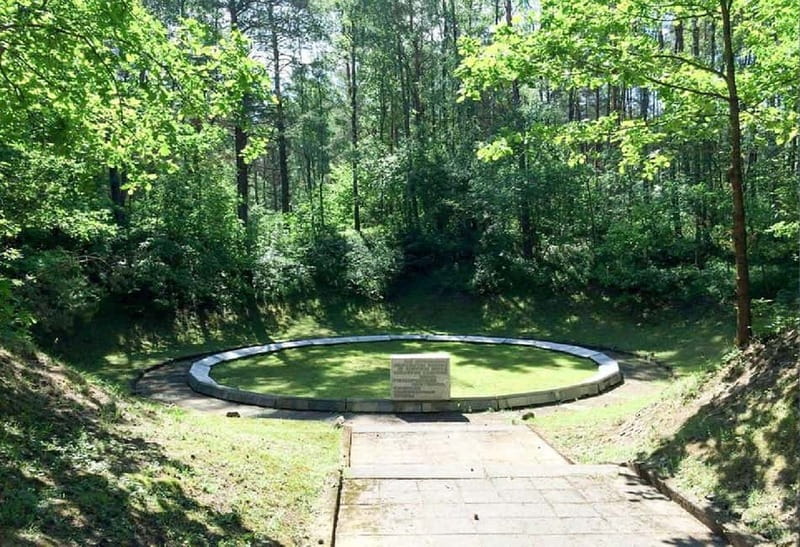
- Paneriai memorial park and museum to understand the Ponar massacre context
A 6-hour Vilnius Jewish Heritage Tour with Transfer That Keeps Momentum
This tour is designed for people who want meaning, not just sightseeing. You get hotel pickup and drop-off, and the guiding is English in a private format. That matters in Vilnius because Jewish history is spread across different parts of the Old Town and then jumps outside the center for Paneriai. Without transport, you’d be piecing it together with multiple rides and a lot of time lost.
The day lasts about 6 hours, which is long enough to hit major landmarks but short enough that you’re not stuck on a bench with a tired guide and no energy left for the heavy stops. You’ll ride by car through the Old Town, then do the on-foot segments at the key points: ghetto locations, synagogue sites, cemetery grounds, and memorial areas.
I also appreciate that the tour isn’t limited to just one theme. You move from the earlier story—Vilnius as a Jewish spiritual and cultural center—to the wartime era and the aftermath. That connection helps you see the difference between how Jewish life was organized before the Holocaust and how it was violently dismantled afterward.
One small but real plus: free Wi‑Fi on the tour day can help you keep notes, map your location, or pull up context if you like to check terms as you go.
You can also read our reviews of more tours and experiences in Vilnius.

Old Town Stops: Small and Great Ghetto Sites, Synagogue Areas, and the Judenrat Courtyard
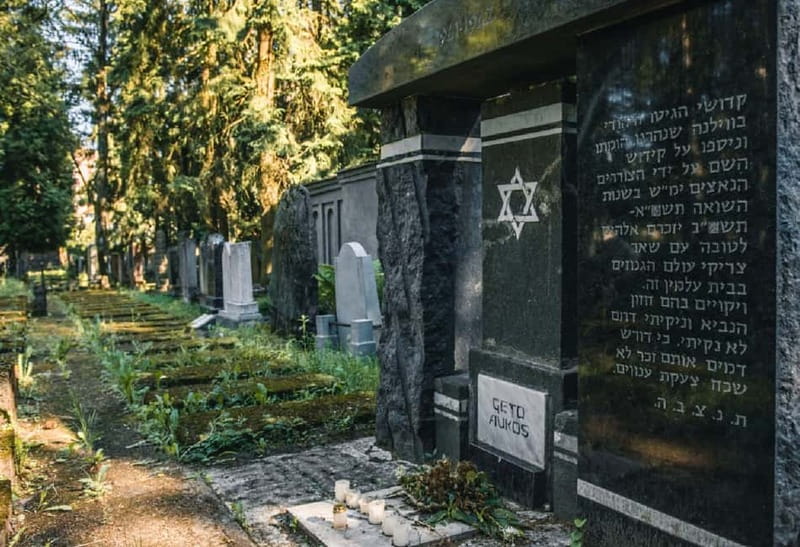
The Old Town portion is where the tour earns its keep. You’ll start by moving through the area tied to Jewish community life and the later ghetto system. The tour includes stops associated with both the small ghetto and the great ghetto, so you can understand that this wasn’t just one sealed area—it was a set of divisions within the city.
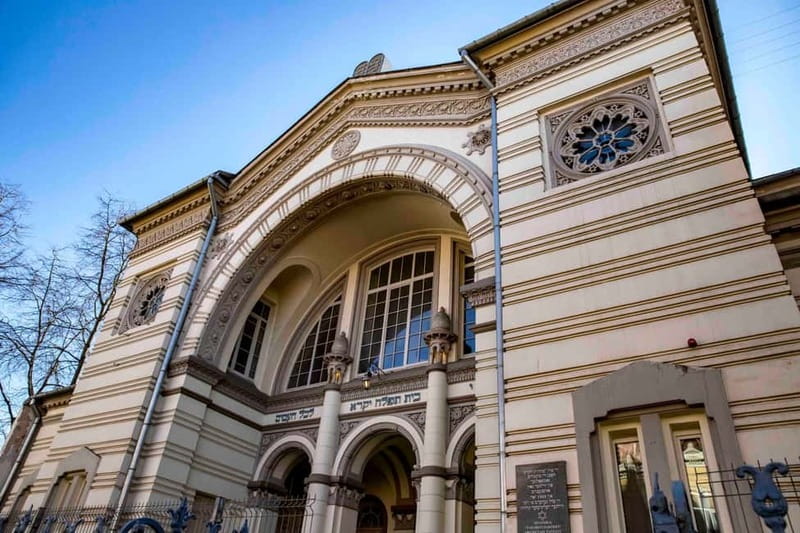
Then you shift into the synagogue landscape. The day includes the Vilnius Choral Synagogue area, plus other important synagogue-related locations such as the Place of the Great Synagogue. You’ll also see a cluster of memorial and informational points that mark Jewish street life, leadership, and civic structure—like the courtyard of the Judenrat and a plate on Jewish street.
What I find useful for your planning: these stops work best if you let the guide connect the dots. For example, standing at a ghetto marker makes more sense after hearing how Jewish communal leadership functioned before the war. The courtyard of the Judenrat stop is one of those locations where your brain starts asking the right questions: Who had authority? What were people forced to do? How did daily survival change under occupation?
One timing note matters here. Admission to the Choral Synagogue isn’t included, and the tour notes that access can be blocked on Shabbat and other feast days. If synagogue architecture matters to you, consider adjusting your travel dates so you’re not trying to force a visit on a day when it’s closed.
Cemeteries and the Vilna Gaon Grave: Walking Through Memory Without Rush
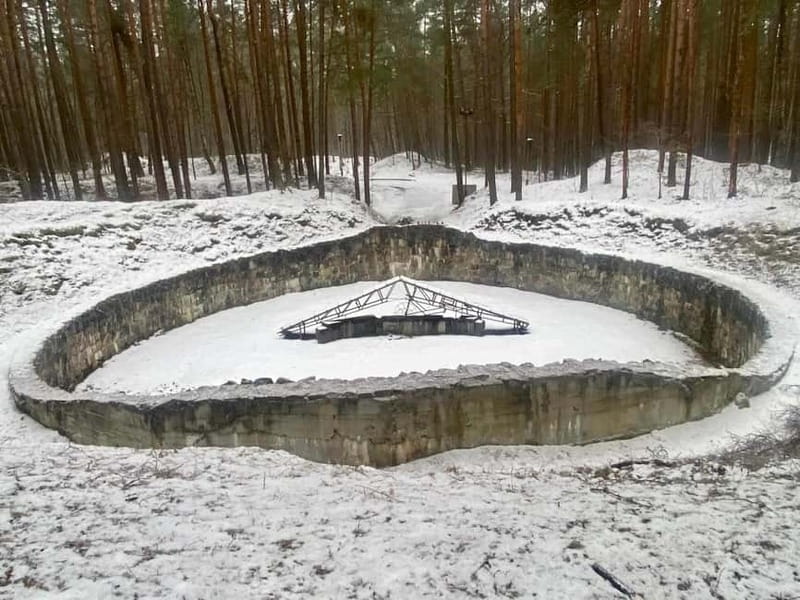
Few places in Vilnius do history better than its cemeteries. This tour includes three former and active Jewish cemetery visits, including the grave of the Gaon de Vilna. You also get the Uzupis Jewish cemetery stop, plus an existing Jewish cemetery visit beyond that.
These aren’t “check it off” locations. Cemetery time has a different pace. You’ll typically cover a smaller physical area than you would in a city museum, but emotionally the stops can take longer because the space makes you slow down and pay attention to names, dates, and the fact that this is not a recreated set—it’s a living memory site.
One practical angle: cemetery ground can be uneven, and you should expect some walking even on a car-based tour. If you have leg problems, do what one prior guest did—ask the guide to adjust where possible and keep the car distance in mind. That kind of small logistical help can turn a tough day into a manageable one.
Another point you’ll appreciate if you’re sensitive to how the day feels: the tour handles sad material with care. A past booking praised a guide’s empathy and sensitivity around Lithuania’s dark Jewish history. That kind of tone matters because these stops aren’t trivia; they’re grief made visible.
Jewish Culture Center Tickets and the Secret Hiding Place in a Basement
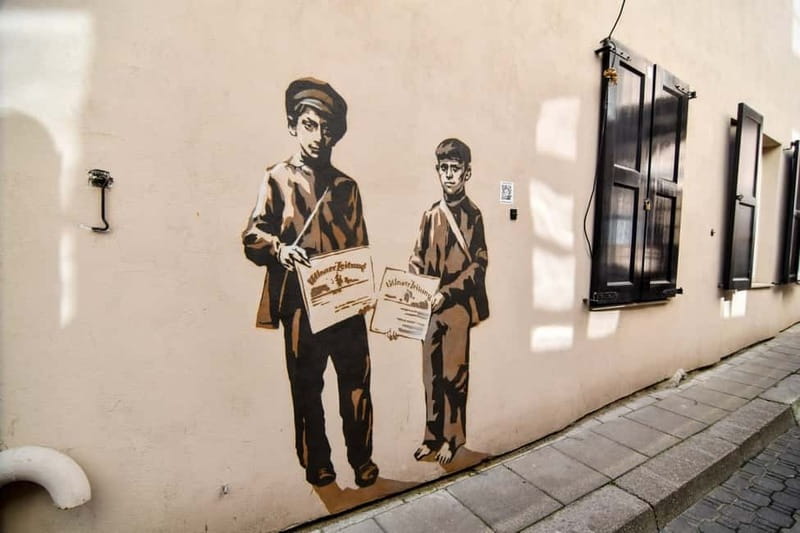
The tour isn’t only outdoor landmarks. It includes Jewish Cultural Center time with entry tickets included. For you, this is where the tour’s context gets clearer. Outdoor markers can leave you with questions like: What exactly does this building once represent? What documents, community structures, or narratives belong here? The Cultural Center stop gives you a more structured sense of Jewish community life and how Vilnius fits into the broader regional story.
Then comes one of the most memorable components: a secret hiding place in the old basement. Stops like this can feel like a jolt. You’re no longer only reading about ghetto boundaries or memorial names—you’re hearing how people tried to survive during the Holocaust, including attempts at hiding and escape.
I like that the tour doesn’t treat the hiding story as a single dramatic moment. You’re guided to understand how it connects to the environment around it: the city’s physical layout, the risks of getting discovered, and the pressure that shaped everyday decisions.
If you prefer tours that explain how the past worked, this section is key. It turns “I saw a site” into “I understand why the site exists in that exact location.”
Vilnius Jewish Labor Camp and Monuments: The Wartime Story Hits Hard
The tour includes a stop for the Jewish labour camp. It also visits Monument to Zemach Shabad and other points such as a monument of the former Jewish cemetery and memorial markers connected to Jewish community life.
This part of the day is where the mood can shift quickly. You go from cultural memory and community landmarks into forced labor and persecution. That shift is necessary if you want the full picture, because Vilnius Jewish history isn’t only about what existed—it’s also about what was destroyed.
A useful way to prepare yourself: let the guide keep the timeline straight. When you’re visiting multiple memorial points in one day, it’s easy to blur events if the context isn’t spelled out. This is also where a good guide makes a difference in how emotionally heavy the experience feels. One past guest said the guide was empathetic and sensitive, and that helped the tour feel like a lived story instead of a grim checklist.
Still, there’s one caution from the feedback you should take seriously. One booking criticized a guide’s limited knowledge of Judaism and mentioned an attempt mid-tour to redirect toward Vilnius churches. If Jewish heritage is the reason you’re booking, be clear in what you want from the guide, and don’t be shy about asking questions early so you can tell whether the guide is aligned with your expectations.
Paneriai (Ponar) Memorial Museum Park: Where the Day Becomes Context
The final stretch is Paneriai memorial park, including the memorial museum of Paneriai (Ponar massacre). This is the kind of stop where you should plan to give yourself a little mental room. It’s not just a museum visit; it’s a place that frames the scale of what happened and why it happened.
I like that this tour ends with Paneriai because it places earlier sites—synagogues, ghetto areas, cemeteries—into one connected story. You’re not hopping between unrelated points. You’re following a line: community life, segregation, persecution, and mass murder.
If you’re hoping for a practical break, take note: one prior guest highlighted that the day allowed a coffee break, which can be a genuine lifesaver on a warm day or after walking in cemetery/museum areas. Even when you keep moving, small pauses help you stay present rather than just surviving the schedule.
Price and Value: What $235 Per Group Gets You
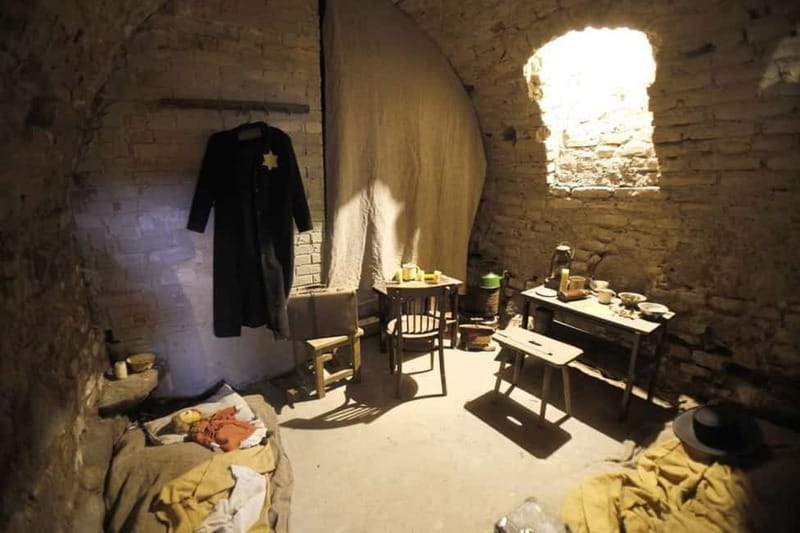
At $235 per group up to 2, this is priced like a true private tour: pickup, a guided route, and key admissions where listed. The included entry ticket to the Jewish Culture Center helps, and the transfer time matters because you’re covering sites spread across the Old Town and then out to Paneriai.
Whether it’s a good value depends on how you travel.
If you’re two people splitting the cost, you often get better value than paying separately for multiple rides plus guide time. The private format also means you can ask questions as you go, adjust pacing, and handle walking limits with less hassle. That’s not a small benefit on a day with cemeteries and memorial grounds.
If you’re traveling solo, it can still be worth it if you want one guide to hold the narrative thread for the whole day. Jewish heritage in Vilnius is detailed, and having someone who can connect street-level sites to historical meaning is the difference between a frustrating day and a memorable one.
Who This Tour Suits Best (and Who Might Want to Think Twice)
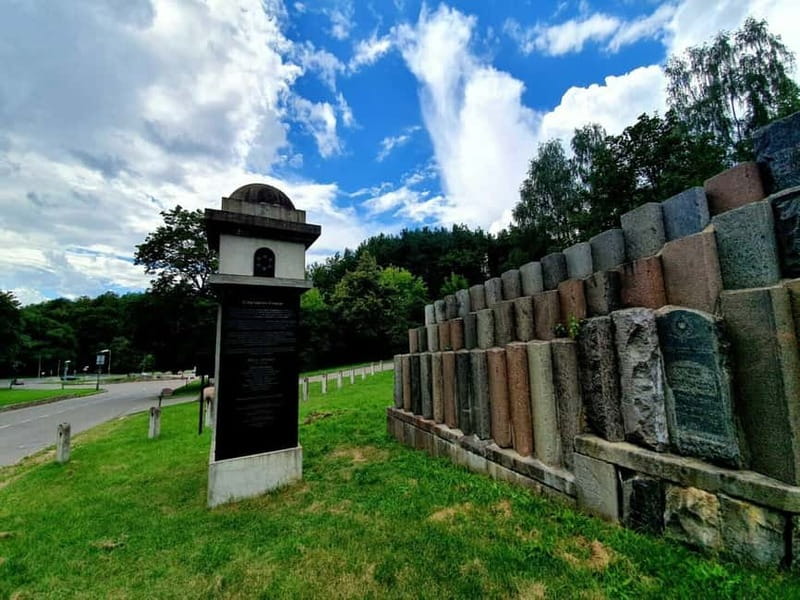
This private tour is a strong fit if you:
- Want an organized route through Vilnius ghetto areas, cemetery sites, and major memorial stops
- Prefer car transport between distant points so you can focus on the moments that count
- Appreciate guides who can handle both pride and grief with sensitivity
It might be less ideal if:
- You want a purely architectural tour with the Choral Synagogue guaranteed (access depends on timing, and admission isn’t included)
- You struggle with longer walking segments even with a private format
- You’re expecting zero emotional heaviness. This day includes the Ponar memorial museum, and it’s meant to be confronted directly.
Should You Book This Vilnius Jewish Heritage Private Tour with Transfer?
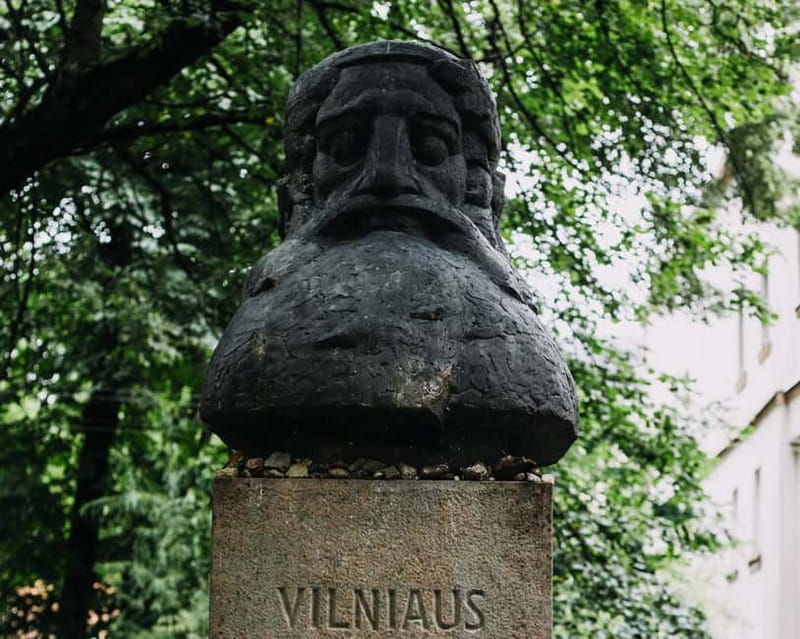
I’d book it if you want a guided, full-day route that connects Vilnius Jewish life—from older community institutions to wartime tragedy—ending at Paneriai for context. The value is strongest for couples or anyone who wants pickup, a private guide, and the Cultural Center ticket handled for you.
Before you go, do two smart things:
- Pick dates carefully if the Choral Synagogue is important to you, since it can be closed on Shabbat/feast days and admission isn’t included.
- Be clear early that you want the focus on Jewish sites, not a pivot to unrelated stops. If the guide is aligned with your interests, this kind of private day becomes powerful fast.
If your goal is understanding—not just collecting stops—this tour is built for that.
FAQ
How long is the Vilnius Jewish heritage private tour?
The tour duration is 6 hours.
Does the tour include hotel pickup and drop-off?
Yes. You get hotel pickup and drop-off as part of the experience.
What tickets are included for museums or centers?
Entry tickets to the Jewish Culture Center are included. The admission ticket to the Vilnius Choral Synagogue is not included.
Are food and drinks included?
No. Food and drinks are not included.
Is the tour private?
Yes. It’s a private group experience.
Is the tour wheelchair accessible?
Yes, the tour is wheelchair accessible.
Is the Choral Synagogue visit affected by Shabbat or holidays?
Yes. The Choral Synagogue is closed at Shabbat or other specific feast days, and the tour notes access restrictions accordingly.