Amber, Jaipur has a way of slowing you down. This guided walk stitches together UNESCO sights, Krishna devotion, and an old water system you can still read in stone. You get a smooth, half-day route that feels like walking through the story of Amer rather than just checking monuments off a list.
I especially like the small-group feel, with a maximum of 10 people, and the guidance style that comes through in the reviews—people mention guides such as Carlos, Raj, and Rajesh being friendly and quick to answer questions (with Spanish support showing up for some groups). I also enjoy how the route mixes the big name attraction with quieter, calmer stops that don’t feel rushed.
One thing to consider: Amber Palace is the main paid-ticket site on this route, and the tour notes that the admission ticket isn’t included. So you’ll want to budget for that separately.
In This Review
- Key highlights you’ll feel on the ground
- A Quick Map of Amer Heritage: What You Actually See in 3–4 Hours
- Amber Palace, UNESCO: The 1-Hour Guided Fort Visit
- Jagat Shiromani Ji Temple: A 16th-Century Krishna and Meera Stop
- Panna Meena ka Kund: Stepwell Engineering You Can See and Feel
- The Heritage Stretch: Ambikeshwar Temple and Narsingh Haveli in the Route
- Guides, Spanish-Friendly Service, and Why Small Groups Matter
- Price and Value: Is $14.08 a Good Deal?
- Timing, Weather, and Comfort Tips for This Walk
- Should You Book the Amer Heritage Walk?
- FAQ
- How long is the Amer Heritage Walk?
- Is the Amber Palace admission ticket included?
- Are the other sites on the walk free to enter?
- Where does the tour start and end?
- How many people are in the group?
- What happens if the weather is bad or plans change?
Key highlights you’ll feel on the ground
- UNESCO Amber Palace with a guided, about-1-hour fort visit
- Jagat Shiromani Ji Temple from the 1500s, with free entry and standout architecture
- Panna Meena ka Kund stepwell reservoir, free to visit and built for water storage
- Focus on Amer’s heritage beyond the palace, including stops tied to Ambikeshwar Temple and Narsingh Haveli in the route
- Guides praised for being attentive and for handling questions well, with Spanish mentioned by guests in past groups
A Quick Map of Amer Heritage: What You Actually See in 3–4 Hours
This is a tight, practical heritage walk centered in Amer (near Jaipur). The whole experience runs about 3 to 4 hours, and the route is built around three timed highlights: a guided start at Amber Palace, then a couple of shorter temple and stepwell visits. It’s designed so you can handle it even if you have limited time in town.
You’ll move at a walking pace that suits moderate physical fitness. That means you should be comfortable with some uneven surfaces and general movement around historic grounds. The good news is the timing keeps it from turning into an all-day endurance test.
Another detail that matters for planning: this tour uses a mobile ticket, so you’re not juggling paper or printed vouchers. Meeting and ending are set right back at the starting point in Amer, which makes it easier if you’re also visiting Amber Fort grounds later the same day.
You can also read our reviews of more tours and experiences in Jaipur.


Amber Palace, UNESCO: The 1-Hour Guided Fort Visit
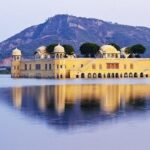
Amber Palace is the headline here, and it’s no small thing: it’s a UNESCO World Heritage Site, so the guide’s job is to help you read what you’re seeing. The guided portion is listed at about 1 hour, and that’s a sweet spot for most people—long enough for context, short enough that you’re not stuck listening while you’re watching.
The big practical catch is the admission piece. The tour specifies that the Amber Palace admission ticket is not included. So when you’re budgeting, don’t only look at the $14.08 price. Think of that fee as the guided portion and route coordination, with the palace entry as an extra you’ll handle separately.
Why the guide time matters: in forts like this, people can miss the logic of the layout. A good guide helps you connect the palace’s design choices to the story of Amer—where power was displayed, where movement made sense, and why certain architectural details were worth building. If you like history but hate getting lost, this is the kind of structure that works.
One more planning note: this stop is the most likely portion to demand steady attention. If you like to photograph and read at your own rhythm, you may want to save some extra personal time for later, after the guided hour ends.
Jagat Shiromani Ji Temple: A 16th-Century Krishna and Meera Stop
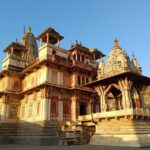
Next up is Jagat Shiromani Ji Temple, a 16th-century temple devoted to Lord Krishna and Meera. The short visit is listed at about 20 minutes, and that’s perfect for a change of pace after the palace.
This temple is described as one of the best in Amber for its architecture. In other words, even if you’re not a devout temple-goer, you can still enjoy the craftsmanship and the way the space feels. Short temple stops are often either boring or too chaotic—here, the timing suggests you’ll get enough time to notice details without feeling like you’re in a long queue loop.
Entry is free for this stop, which is a nice value perk. It also keeps the route from feeling like you’re constantly paying again and again. If you’ve ever felt tired of paying entry fees at every turn in a new city, this kind of balance is welcome.
If you’re traveling with someone who loves architecture, this is often where the mood shifts. Forts can feel like they’re all about scale; temples can feel like they’re all about intention. That contrast is a big reason this walk works.
Panna Meena ka Kund: Stepwell Engineering You Can See and Feel
Panna Meena ka Kund (a baoli, or stepwell) is the route’s calm, practical marvel. The stop is about 15 minutes, and it’s free to enter. This reservoir was built to conserve water, and the stepwell design is a big part of why it’s worth your time.
The stepwell isn’t just a pretty structure. It’s a working idea turned into architecture: how to store water, how to access it, and how to make a resource usable in dry seasons. Even if you don’t read every technical detail, you can sense the logic in the steps and the form.
This stop is also a great reset after palace-level crowds and grand spaces. You can slow down, look from different angles, and enjoy the sense of permanence. Stone that holds water is an easy way to understand that Amer wasn’t built only for spectacle—it was built for survival and everyday life, too.
If you like photography, this can be one of the easiest places to get a clean frame because the feature is so defined. Just keep it simple: watch your footing and avoid turning this 15-minute stop into a long detour.
The Heritage Stretch: Ambikeshwar Temple and Narsingh Haveli in the Route
The walk’s overall focus isn’t limited to the palace. The route is presented as an “Amer heritage” experience tied to multiple historic places, including Ambikeshwar Temple and Narsingh Haveli.
Ambikeshwar Temple is described as an old temple of Shiva, older than Amber Fort. That is a powerful contrast to start noticing: the palace represents imperial power and royal display, while a temple that predates it suggests layers of devotion and earlier settlement patterns in the same region.
Narsingh Haveli is listed as one of the remarkable havelis of this ancient town, noted as having been modernized in a way that brings back its original glory. Even without an hour-long deep dive, having a route that points you toward these kinds of sites changes how you interpret Amer. You start thinking about how private spaces, religious practice, and community life all used the same landscape.
In plain terms: this helps you avoid the all-palace, all-the-time trap. You’ll come away feeling like you walked part of Amer’s everyday fabric, not just a royal stage set.





Guides, Spanish-Friendly Service, and Why Small Groups Matter
The biggest repeat theme in the feedback is guide quality. People specifically praise guides such as Carlos, Raj, and Rajesh for being friendly, professional, and fun in a thoughtful way. There are also mentions of guides being good at bridging cultures—useful if you’re coming from Europe or you want clear context without a heavy lecture.
There’s also clear support for Spanish-speaking visitors in the feedback. One review mentions a guide speaking Spanish very well and explaining the palace in detail, with extra time to answer questions. Another mentions a guide who takes great care with attention during the stay.
That matters because Amber Fort and Amber Palace can be visually overwhelming. A small group helps here: you’re less likely to get lost in the shuffle, and the guide can keep track of questions. With a maximum of 10 travelers, you typically get a more personal pace than large bus-style tours.
Also, in at least one account, guide humor and openness are mentioned. That’s a surprisingly practical ingredient. When you’re standing in a historic space for 1 to 2 hours, a guide who can keep the tone comfortable helps you stay engaged instead of zoning out.
Price and Value: Is $14.08 a Good Deal?
Let’s do the real math in your head. The tour price is $14.08 per person, and it’s a 3 to 4 hour guided walking experience. That sounds low on its face, but value depends on what you don’t have to pay.
Two stops on the route (Jagat Shiromani Ji Temple and Panna Meena ka Kund) are listed as free. The only major paid ticket explicitly mentioned is Amber Palace, and for that one, admission is not included. So the ticket cost you add later is the variable.
What you are paying for with this tour fee is:
- Guided time at Amber Palace (about 1 hour)
- Direction and story for the surrounding heritage route
- Timing that bundles palace, temple, and stepwell into one easy half-day
- A mobile ticket experience and a small-group format (max 10)
If you were going to visit Amber Palace anyway, this tour often makes sense because you’re buying the guide for the hard-to-interpret parts. If you’re the type who loves reading on your own and you already know exactly what you want to see, you might not need a guided hour. But most people benefit from that hour because it gives you a framework for what the palace means.
So the decision comes down to your style. I’d call it a solid value when you want context and you prefer not to plan a route between Amer’s major heritage stops.
Timing, Weather, and Comfort Tips for This Walk
This activity requires good weather. That’s not just fine print; it affects whether the route stays comfortable for a walking schedule and how pleasant the outside parts feel. If weather turns, you’ll be offered a different date or a full refund, which is helpful for planning.
You also need moderate physical fitness. The itinerary is short on paper, but you’ll still be moving around historic grounds. If you have knee issues or you dislike uneven surfaces, consider whether you’ll be okay with steady walking and time in open-air areas.
What I suggest you pack for comfort, even without assuming details about the ground:
- Comfortable shoes with grip
- Water for the longer palace portion
- Sun protection (Amer can be bright)
- A light layer for temperature swings
If you’re traveling with someone who gets tired quickly, remind them that the total time is about half a day. It’s not a marathon, but the pace feels focused rather than casual.
Finally, remember that Amber Palace ticketing isn’t included. If you plan to visit that stop, take care of the ticket piece before you show up—so the guided timing doesn’t get swallowed by last-minute ticket errands.
Should You Book the Amer Heritage Walk?
Yes, I think you should—especially if you want a guided route that mixes a UNESCO palace stop with two free heritage visits that don’t feel like filler. The small group size, plus praise for attentive guides like Carlos, Raj, and Rajesh, makes this feel less like a generic sightseeing walk and more like a guided way to understand Amer.
Book it if:
- You have 3 to 4 hours in Amer
- You want a guide’s perspective at Amber Palace
- You’d rather combine free entry stops with one paid ticket visit
- You appreciate clear explanations (Spanish support is mentioned in feedback)
Skip it if:
- You already have a very specific self-guided plan and don’t want a structured route
- You strongly dislike guided group pacing, even in small groups
- You’re not planning to pay the separate Amber Palace admission ticket
If your goal is to see Amer’s big landmark, then round it out with a temple and a stepwell that give the area depth, this walk does that well.
FAQ
How long is the Amer Heritage Walk?
The tour lasts about 3 to 4 hours.
Is the Amber Palace admission ticket included?
No. The guided visit of Amber Palace is listed as having an admission ticket not included.
Are the other sites on the walk free to enter?
Yes. Jagat Shiromani Ji Temple and Panna Meena ka Kund are listed as free admission.
Where does the tour start and end?
It starts in Amer, Jaipur, Rajasthan, India and ends back at the meeting point.
How many people are in the group?
The maximum group size is 10 travelers.
What happens if the weather is bad or plans change?
The experience requires good weather. If it’s canceled due to poor weather, you’ll be offered a different date or a full refund. You can cancel up to 24 hours in advance for a full refund.