REVIEW · VILNIUS
Vilnius: 3-Hour Jewish Heritage Tour
Book on GetYourGuide →Operated by Vilnius City Tour · Bookable on GetYourGuide
A good walk needs context, and this one delivers. You’ll follow the story of Lithuanian Jewish life from the 1300s through today, guided through key spots like the former Jewish Ghetto of Vilnius and the Vilnius Choral Synagogue. I like that it’s structured enough to feel complete in just 3 hours, and I also like the human angle—leaders, teachers, and ideas, not just dates.
The tour’s focus is history and sites, not comfort stops. If you want long breaks, snacks included, or extra museum time, you may find the short duration limiting, especially since food and entrance tickets aren’t included.
In This Review
- Key Points You’ll Care About
- Why Vilnius Jewish Heritage Is More Than Old Buildings
- The 3-Hour Game Plan: What You’ll Actually See and Why It Works
- Žemaitijos Street and the Former Ghetto: Getting Oriented Fast
- Vilnius Choral Synagogue: Where History Meets Daily Reverence
- Jewish Cemetery: Vilna Gaon and the Power of Memory
- The Holocaust Story and the Ongoing Community Effort
- Price and Value: What $294 Gets You for Up to Two People
- Who This Tour Suits Best (and Who Might Skip It)
- The Guide Experience: Clarity, Patience, and Real Follow-Through
- What to Plan For Before You Go
- Should You Book This Vilnius Jewish Heritage Tour?
- FAQ
- How long is the Vilnius Jewish Heritage Tour?
- How much does the tour cost?
- Is transportation included?
- Are entrance tickets included?
- Is food or drinks included?
- Are hotel pickups included?
- What languages are the guides available in?
Key Points You’ll Care About
- Former ghetto streets, explained clearly so you know what you’re looking at
- Vilnius Choral Synagogue visit tied to community life and tradition
- Jewish Cemetery storytelling with Vilna Gaon and major Jewish figures
- Air-conditioned minibus pacing that keeps the route easy in any weather
- Small today, big in influence: you’ll learn why Vilna still matters
Why Vilnius Jewish Heritage Is More Than Old Buildings
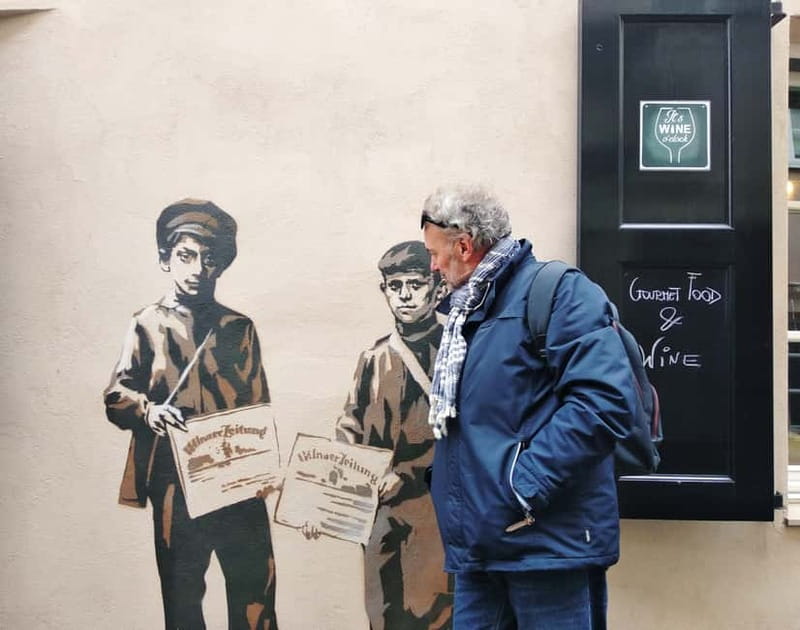
Vilnius is one of those cities where Jewish history isn’t tucked away in a single exhibit. It’s written into street lines, places of worship, and burial grounds. Even when the physical world has changed—houses gone, communities shattered—the city still holds the map of the story.
You’ll hear how Jewish life in Lithuania traces back to the 13th century, and how Vilna grew into a cultural center for Jewish learning. The Litvaks (Lithuanian Jews) were known in folklore for loving education, speaking straight, and using sardonic wit. That may sound like personality trivia, but it helps you understand why Vilna became such a powerhouse of thought, debate, and scholarship.
By the 18th century, Vilna is described as a world capital of traditional religious (Talmudic) learning—often called the Jerusalem of Lithuania. And a major reason that reputation stuck is a person you’ll hear highlighted on this tour: the Gaon of Vilna (Vilna Gaon). The tour connects those big ideas to real places, so the learning isn’t abstract.
One thing I appreciate: the narrative doesn’t skip the darkest part. You’ll learn that about 94% of Litvaks perished in the Holocaust, a staggering figure described as the highest percentage genocide in Europe. Then it pivots to what exists now: a small community of around 5,000 people working to maintain heritage. That rhythm—then, loss, and ongoing effort—makes the visit feel serious, not theatrical.
You can also read our reviews of more tours and experiences in Vilnius.

The 3-Hour Game Plan: What You’ll Actually See and Why It Works
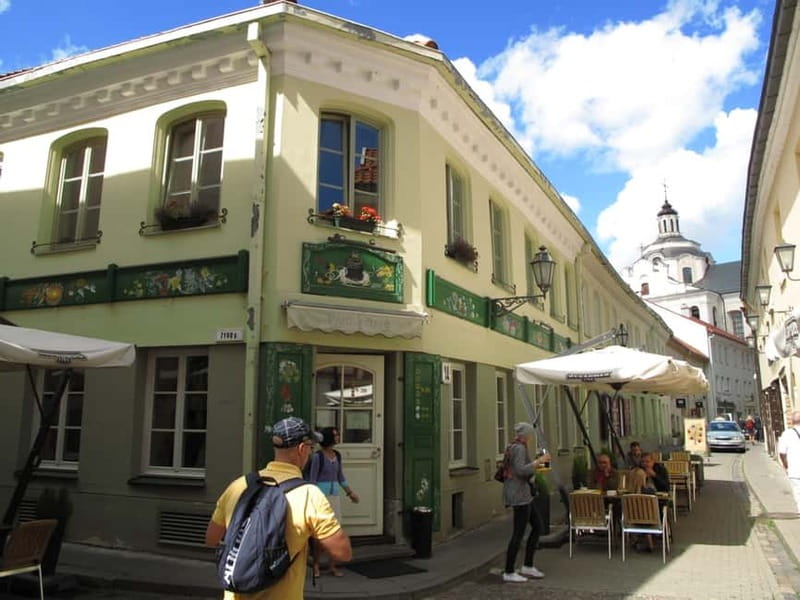
This is a private group tour designed to fit into a tight window: 3 hours. It’s not trying to do everything. Instead, it focuses on high-impact locations that carry meaning, then uses the travel time between them to build the story.
You ride in an air-conditioned minibus, which matters in Vilnius because weather can swing hard. The vehicle also lets the guide point out context as you move, especially when the route follows areas connected to the old Jewish neighborhoods.
The guide (English, and there’s also Russian) keeps the pace moving, and that’s where the time-box works in your favor. In a city like Vilnius, if a tour is too slow, you lose the thread. Here, you get a narrative arc across multiple site types: streets tied to the ghetto, a living synagogue, and a cemetery tied to learning and memory.
It’s also worth noting something from a real-world perspective: one guest’s issue was about the end point not matching what they expected. The key takeaway for you is simple—if you care about where you’ll be returned, make sure your pickup/drop-off expectations are clear before you start. That avoids stress when you’re close to the end of a short tour.
Žemaitijos Street and the Former Ghetto: Getting Oriented Fast
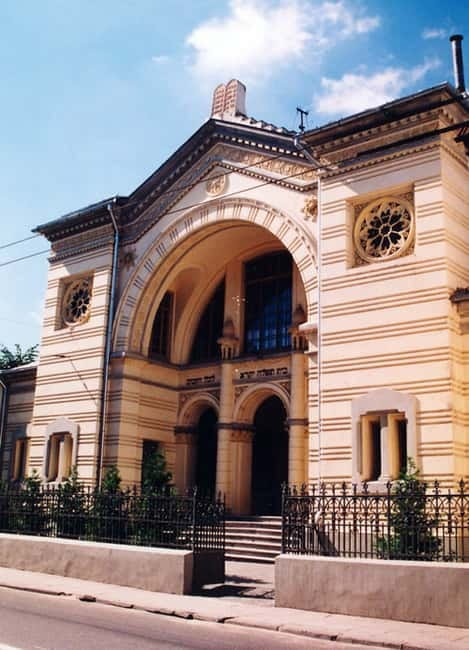
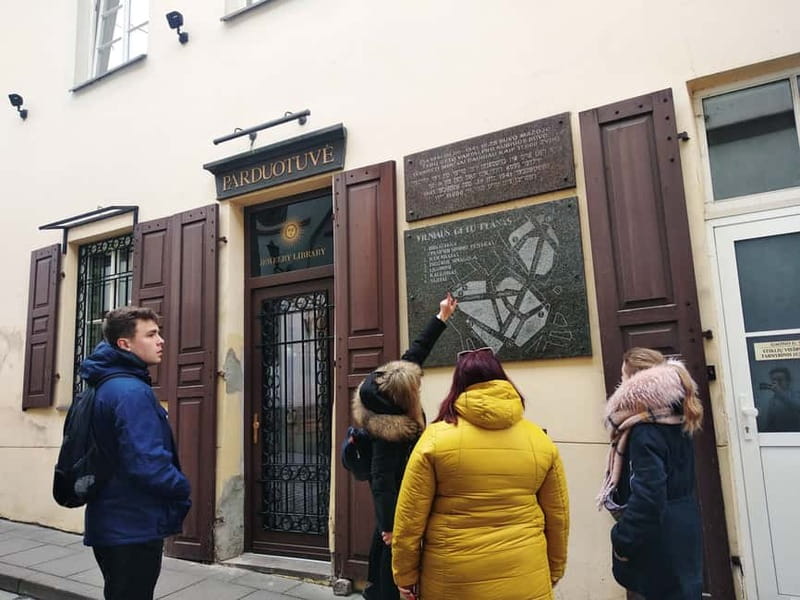
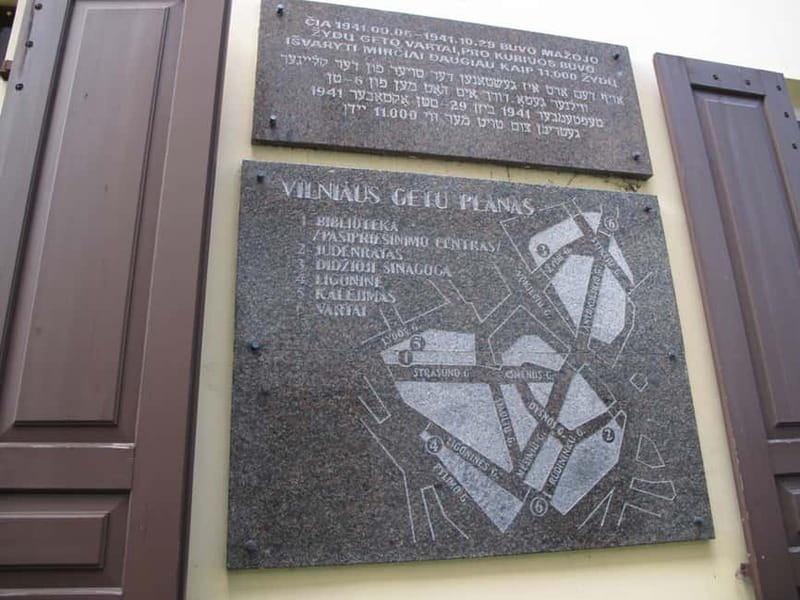
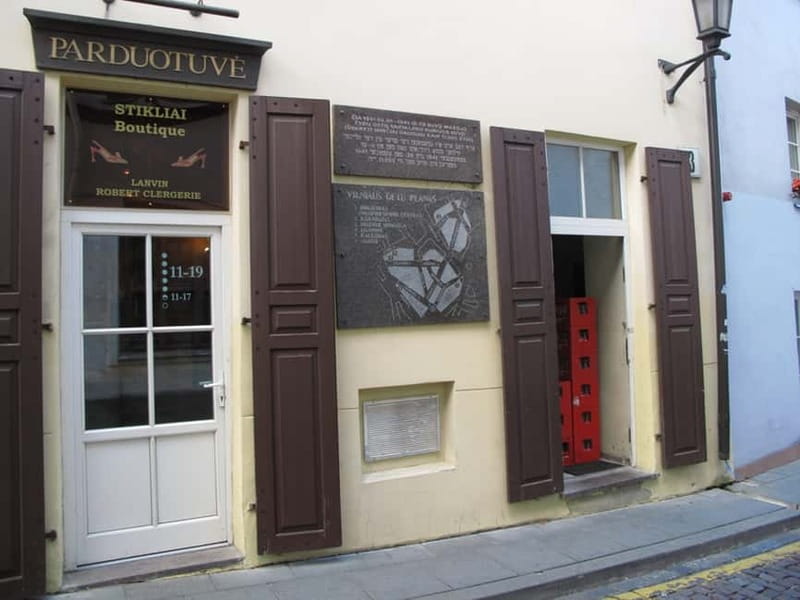
One of the best values of a short guided heritage tour is that you don’t waste time guessing. This experience uses the minibus route to take you along Žemaitijos Street and through areas tied to the former Jewish Ghetto of Vilnius.
What you’ll get isn’t just a geography lesson. The guide frames why these streets mattered and how the ghetto shaped daily life. Even if you’ve read about ghettos before, hearing it routed through a specific city helps you understand scale: the way neighborhoods functioned, the way boundaries affected movement, and the way community spaces concentrated under pressure.
This stop is especially useful if you’re the type of traveler who likes to walk, but also wants the map in your head. You’ll come away with enough orientation to continue exploring on your own after the tour, because you’ll recognize what’s nearby and understand what it used to represent.
Downside to consider: because the ghetto portion is built into a route and storytelling flow, you may not get the kind of slow, linger-and-photograph pace some people want. If you’re hoping for an unhurried walk-only experience, consider adding extra independent time afterward.
Vilnius Choral Synagogue: Where History Meets Daily Reverence
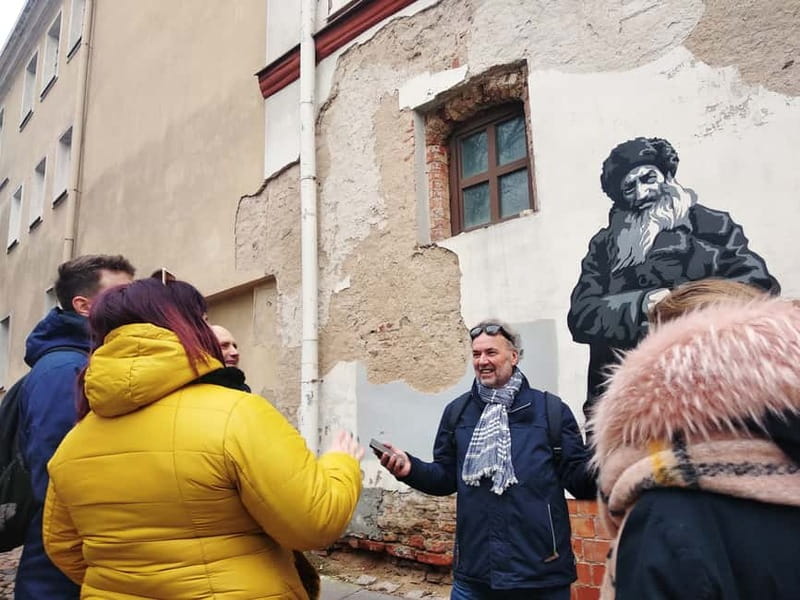
The Vilnius Choral Synagogue is one of the most important stops on this tour for a straightforward reason: it’s not only a marker on a map. It represents the kind of organized religious and communal life that helped Jewish culture thrive in Vilna for centuries.
In plain terms, this is the part of the tour where the story gets audible and human. Synagogues are where education, ritual, and community identity converge. You’ll likely hear how this fits into the broader reputation of Vilna as a center of learning, and how the city’s Jewish leaders and traditions shaped communal life.
What I like here is that the guide can connect the synagogue visit to the larger themes you’re hearing throughout the tour: the pride in study, the seriousness of tradition, and the way leaders shaped thought. You’re not just seeing a building. You’re understanding why it matters to people who lived around it.
Practical note: entrance details and any ticket requirements are not included in the tour price. If the synagogue visit requires tickets, you’ll need to handle that separately, so plan a little extra time and budget if you run into entry charges.
Jewish Cemetery: Vilna Gaon and the Power of Memory
The Jewish cemetery stop is where this tour gets especially meaningful. Cemeteries are different from most tourist sites because they hold names and continuity. They don’t ask you to look flashy. They ask you to remember.
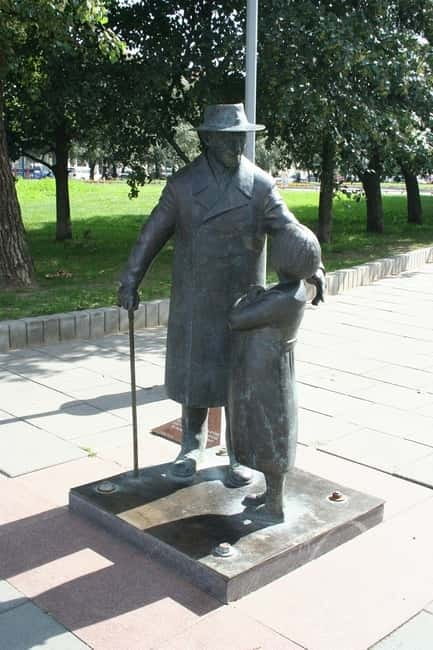
This part of the route focuses on Jewish heroes and leaders, including Vilna Gaon. The guide ties the cemetery to the wider theme of Jewish learning in Vilnius—why scholarship mattered, how leaders influenced generations, and how identity persisted through time even as communities faced enormous pressures.
If you enjoy history that’s tied to individual lives, this is your moment. The cemetery works because Vilna’s reputation as a hub of Talmudic learning wasn’t just a slogan; it was tied to people who studied and taught, and to families whose presence shaped the city.
Downside to consider: a cemetery visit can be emotionally heavy, even when the guide is respectful and clear. This is not a “quick photo and move on” stop. If you’re sensitive to difficult history, give yourself mental room for it.
Also, this tour doesn’t include any special added services like a pre-arranged guided burial-ground walkthrough beyond what the guide provides during the tour. The value comes from the explanation, not from extra amenities.
The Holocaust Story and the Ongoing Community Effort
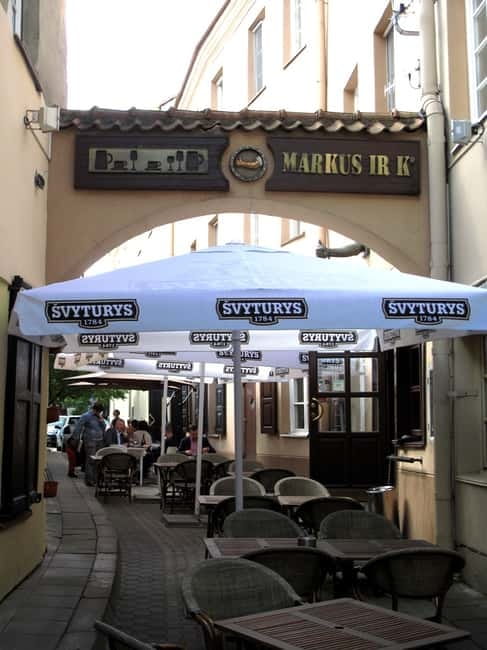
This tour doesn’t treat the Holocaust as a footnote. You’ll hear that about 94% of Litvaks perished, described as the highest percentage genocide in Europe. That kind of number can feel unreal until a guide gives it grounding in how community life used to operate and what was lost.
Then the tour shifts to continuity. Today, there’s a small community of around 5,000 Litvaks making bold efforts to maintain heritage. That’s a big deal for how you feel leaving the sites. You’re not only tracking destruction—you’re seeing that culture and identity didn’t simply end. People work to keep memory alive and to keep traditions meaningful.
I also appreciate that this isn’t presented in a dramatic, performative way. It’s part of the arc: how Vilna became a learning center, how tragedy erased most people, and how a remaining community fights to keep the story from disappearing.
Price and Value: What $294 Gets You for Up to Two People
At $294 per group up to 2, you should think of this as a private-session value, not a bargain group deal. The math depends on what you want: privacy, hotel pickup, and guided interpretation in a tight time window.
Here’s what’s included:
- Air-conditioned minibus transport
- An English-speaking guide (and Russian as well)
And what’s not included:
- Food and drinks
- Entrance tickets
So the value question becomes: do you want someone to connect the dots between the ghetto areas, the Choral Synagogue, and the cemetery in just 3 hours? If yes, a private guided tour can be efficient. You won’t need to piece it together yourself with multiple tickets, transportation choices, and finding the right viewpoints on your own.
If you’re the kind of traveler who prefers free-walking at your own rhythm, or you plan to visit other Jewish sites independently anyway, you might feel the cost only makes sense if you commit to the guided stops as your core plan.
One more small but real value: reviews praised the guide’s ability to handle questions patiently and integrate other historical events where appropriate. That’s the difference between “see the place” and “understand the place,” and it matters most in a short tour.
Who This Tour Suits Best (and Who Might Skip It)
This experience fits you best if:
- You want a tight, high-value overview in a short window
- You appreciate guided storytelling more than self-guided wandering
- You want to see three major site types: streets tied to the ghetto, a synagogue, and a cemetery
- You like history that names leaders and explains why learning mattered in Vilna
You might want to consider a different format if:
- You expect the tour to include food or long sit-down breaks
- You want a slower, more open-ended visit style at each stop
- You’re mainly shopping for photo moments and less for guided context
The Guide Experience: Clarity, Patience, and Real Follow-Through
The biggest “service” component here is the guide. One review highlighted Agnes for extensive knowledge of Jewish history in Vilna, and praised her ability to integrate other historical events into the tour for better context. Another review emphasized how patient the guide was with questions, and how well she communicated throughout.
And yes, there was a moment where a guest’s confusion about the expected end point caused extra hassle. The important part isn’t the mistake; it’s how it was handled. The guide walked an elderly guest back to their hotel after apologizing profusely, showing real care even when the plan didn’t match the expectation. That tells me this tour’s human side is strong—you’re not dealing with a rushed, let-it-go attitude.
Still, for your own peace of mind: if pickup/drop-off specifics matter, confirm them clearly at booking. With a 3-hour private tour, small misunderstandings can feel bigger than they would on a full-day trip.
What to Plan For Before You Go
Because the tour doesn’t include food and entrance tickets, I recommend you think ahead:
- If you’re touring at a time when you’d normally eat, plan to grab a snack or meal before or after.
- Carry some water if you get thirsty easily, since drinks aren’t included.
- Wear shoes that work on uneven ground around historic sites, especially near cemetery areas.
Also, since you’re covering ghetto context, synagogue culture, and cemetery memory, a calm mindset helps. This is best enjoyed when you’re ready to absorb, not when you’re trying to multitask.
Should You Book This Vilnius Jewish Heritage Tour?
I think you should book if your goal is to get grounded fast in Vilnius Jewish history—especially if you want a guide to connect the former ghetto, the Vilnius Choral Synagogue, and the Jewish Cemetery into one coherent story.
It’s priced like a private, curated 3-hour experience for up to two people. That can feel pricey if you’re comparing to standard group tours, but it’s usually a fair trade when you value interpretation, hotel pickup, and a clean route that saves you time.
If you’re unsure, the deciding factor for you should be this: do you want to leave with context and named figures like Vilna Gaon in your head? If yes, this tour is an efficient way to make that happen.
FAQ
How long is the Vilnius Jewish Heritage Tour?
The tour lasts 3 hours.
How much does the tour cost?
It costs $294 per group up to 2.
Is transportation included?
Yes. The tour includes transportation by air-conditioned minibus.
Are entrance tickets included?
No. Entrance tickets are not included.
Is food or drinks included?
No. Food and drinks are not included.
Are hotel pickups included?
Yes. Pickup is included from your hotel in Vilnius, and you’ll need to provide your hotel details when booking.
What languages are the guides available in?
The live guide is available in English and Russian.