REVIEW · NEW YORK STATE
Woodstock: Rock n’ Roll History Tour
Book on GetYourGuide →Operated by Rock Junket Rock n' Roll Tours · Bookable on GetYourGuide
Rock legends live on these quiet streets. This 2.5-hour Woodstock Rock n’ Roll History Tour turns a calm town walk into a soundtrack of names, lyrics, and places you can actually stand on. I especially loved starting at Peace, Love & Cupcakes, where you feel the Dylan-era buzz, and then moving into the White Room, tied to his legendary songwriting. You also get story-rich stops around town, plus a look at the restored Bearsville complex.
One thing to plan for: this is town-focused, and you’ll need your own transportation for the short move to Bearsville Center. Also, some big Woodstock icons like the 1969 festival site and Big Pink are not part of the tour, so set your expectations accordingly.
In This Review
- Key things to know before you go
- Why Woodstock feels different on foot from Tinker Street
- Price and timing: what $47 buys you in real-world value
- The Peace, Love & Cupcakes start: your Dylan-era orientation
- The main walking portion: a light route with loud stories
- The White Room stop: where songwriting becomes a place
- Bearsville Center: the short hop that changes the whole scene
- Final resting places and respectful stops: why this part lingers
- What this tour is best at (and what it skips)
- Getting the most out of it: simple tips that pay off
- Who should book Rock Junket’s Woodstock Rock n’ Roll History Tour
- Should you book it?
- FAQ
- Where does the tour start?
- Where is the tour parking?
- When does the tour run?
- How long is the tour?
- What does the tour include?
- Is the 1969 Woodstock Festival site included?
- Is Big Pink included?
- Do I need transportation to Bearsville Center?
- Is the Bearsville Theatre part of the tour?
- Is there a cancellation option?
Key things to know before you go
- Peace, Love & Cupcakes sets the tone fast, right in the original Dylan-connected hangout spot
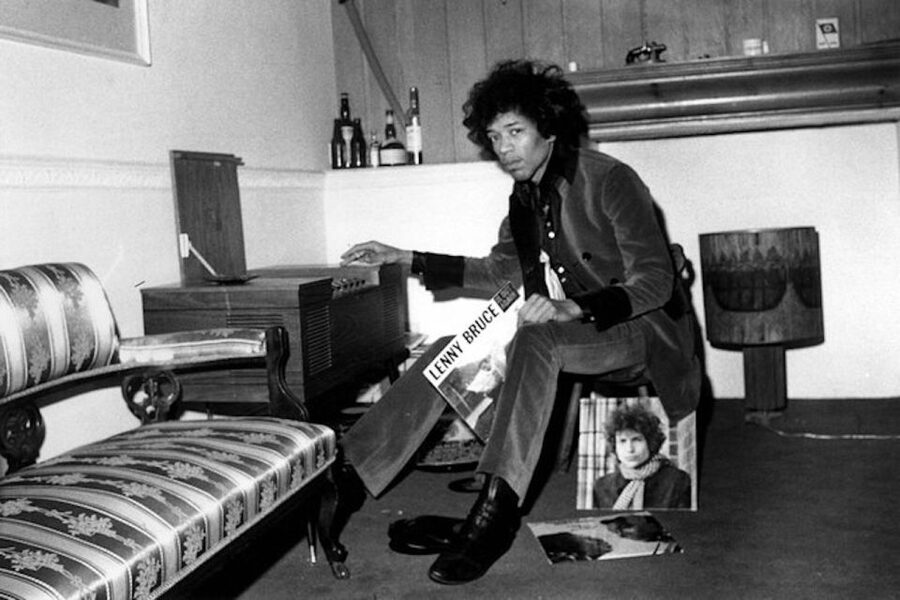
- The White Room stop is built around Dylan’s songwriting story
- You’ll walk a light, flat route through Woodstock’s most music-linked streets
- The Bearsville stop connects the scene to Albert Grossman and his operation
- The tour includes final resting places tied to Woodstock legends
- Bearsville Theatre access is subject to availability, not guaranteed
Why Woodstock feels different on foot from Tinker Street
Woodstock can look calm from a car window. On this tour, it doesn’t stay calm for long. You start on Tinker Street, at Peace, Love & Cupcakes (listed at 59 Tinker Street). It’s the kind of meeting point that makes you slow down right away—cupcakes, music energy, and that unmistakable Woodstock vibe tied to the 1960s.
I like that the tour doesn’t act like a museum speech. The guide turns real addresses and real facades into story markers. Instead of trying to memorize names, you pick up a map in your head: where famous artists lived, wrote, recorded, watched shows, or passed through on the way to bigger stages.
You’ll also get a guide with a human touch. In the feedback I saw about this tour, the standout was Larry—friendly, with stories and photos that help the timeline click. If you like your history told like a good conversation, this is the format for you.
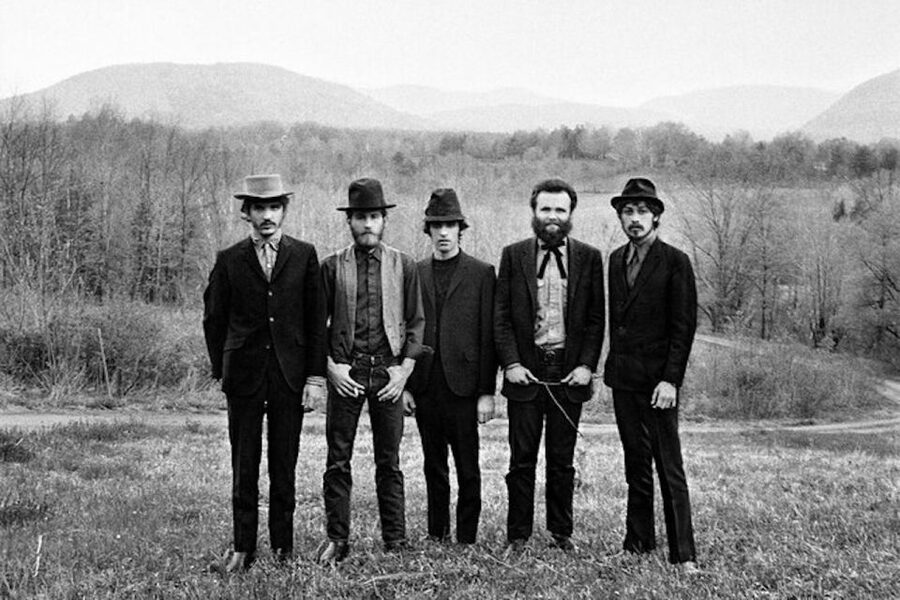
The pacing matters too. This is designed as a light, flat walk around town, so you’re not spending the whole time fighting hills, shoes, or fatigue. The tour still covers a lot of ground because the stops are purposeful: Dylan, The Band, Janis Joplin, Jimi Hendrix, and other names connected to Woodstock’s music orbit.
Price and timing: what $47 buys you in real-world value
At $47 per person for about 150 minutes, this tour lands in the “worth it if you like music stories” lane. It’s not trying to replace expensive day tours with buses and ten stops in ten towns. You’re paying for something more focused: a guided walk that hits the strongest Woodstock-specific connections without sending you far outside the area.
It runs April through October. The schedule is Saturdays at 2 pm and Sundays at 11 am. That matters because Woodstock changes with the season. Spring through fall gives you comfortable walking weather, and it also pairs nicely with the option to continue the day at Bearsville after the tour.
The real value is in the ratio of time-to-story. You get a full 2.5 hours to move from Dylan’s creative spaces into the broader town narrative, then you finish at Bearsville with a mini “scene continuation” opportunity. If you’re visiting Woodstock for a short stay and want context fast, this is a strong way to do it.
The Peace, Love & Cupcakes start: your Dylan-era orientation
Your tour starts at 59 Tinker Street, at Peace, Love & Cupcakes (listed alongside Cafe Espresso as the start point). Before you even step into the walking portion, you’re positioned right where the story begins.
This stop works because it’s more than a photo op. It sets an emotional baseline. Woodstock is easy to romanticize from afar. Starting here helps you connect that romance to specific places where the 1960s scene actually gathered and operated.
The guide then steers you toward one of the most central early stops: the White Room. This is where the tour focuses on Bob Dylan’s composition story—framing how legendary songs were shaped by the spaces and routines around them. Even if you don’t consider yourself a deep Dylan fan, this kind of stop tends to make the music feel more concrete. You’re not just hearing titles; you’re seeing the kind of room where the work happened.
Parking is easy enough if you follow the directions exactly. Use the Comeau Drive free parking lot, entered across from Woodstock police station at 76 Tinker Street. Turn at the police station, make a right at the parking sign, and enter the lot. You’re close, and you avoid the “where do we park in town?” scramble that can eat up your first hour.
The main walking portion: a light route with loud stories
After the opening scene-setting, you move into small-town Woodstock at walking pace. The tour is described as a light, flat walk, which is exactly what you want here. The point isn’t strenuous exercise. The point is to keep your attention on the details as you go.
What you’ll do on this segment is the real magic trick: you connect quiet streets to famous records and real-world artistic communities. The guide includes stops tied to multiple major artists connected to Woodstock, not just Dylan. You’ll hear how different names overlap in the Woodstock orbit—how artists and managers and venues formed a network that kept feeding itself.
The route also includes practical “seeing it like an album cover” moments. You’ll look at album cover locations—spots where the camera framed Woodstock in a way that shaped how people imagined the town later. This is one of those experiences that rewards slow looking. If you rush, you miss the point.
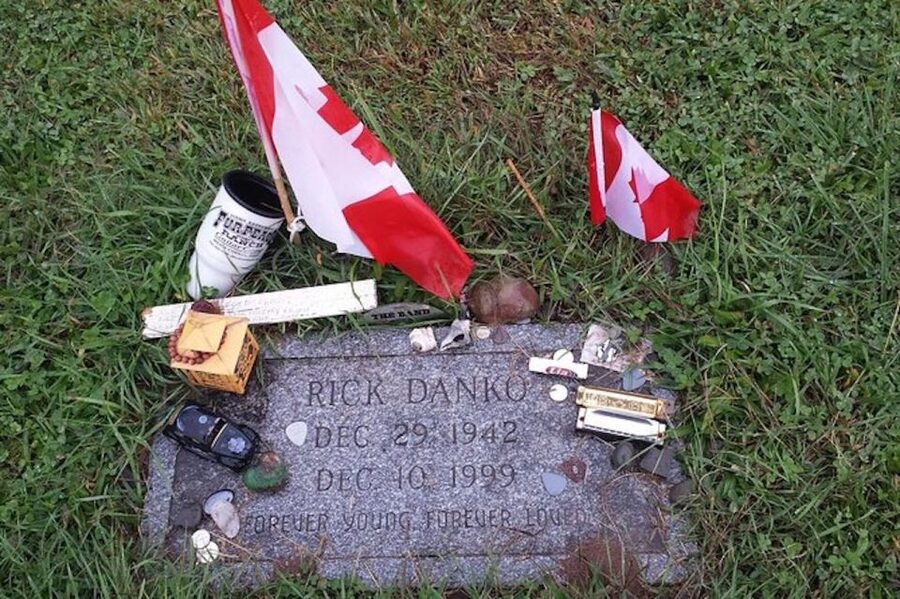
You’ll also hear about historic venues—places where music culture was made more than just admired. And instead of treating the legends like distant icons, the guide brings you to locations that feel closer to reality, including final resting places of Woodstock legends.
That final piece is worth highlighting. Seeing someone memorialized isn’t the same as reading a biography. Standing near a real site tied to the people you associate with rock history can change how you remember the era. It adds weight.
The White Room stop: where songwriting becomes a place
The White Room is one of the most anticipated stops on the tour, and for good reason. The tour is built around Bob Dylan’s connection to the space, specifically that he composed legendary songs there.
Even without additional technical detail, this works as a storytelling device. Rooms matter. Light, privacy, routine—those are the invisible tools behind creative output. The White Room stop helps you sense that the music didn’t fall out of the sky. It was written in real built environments, in real periods of experimentation.
This is also where a guide like Larry makes a difference. In feedback for this tour, people specifically noted he brings stories and photos. That combination helps the White Room stop feel like it has context rather than becoming a quick “look and move on” moment.
Bearsville Center: the short hop that changes the whole scene
After finishing the walking segment, the tour transitions to Bearsville Center. The move is short—about a quarter mile, roughly four minutes—but it does require your own transportation. You’ll need to drive from Woodstock to Bearsville Center at 291 Tinker Street.
This is a key detail. Don’t assume the tour van handles everything. The tour format expects you to manage that short segment yourself. Parking at Bearsville is free.
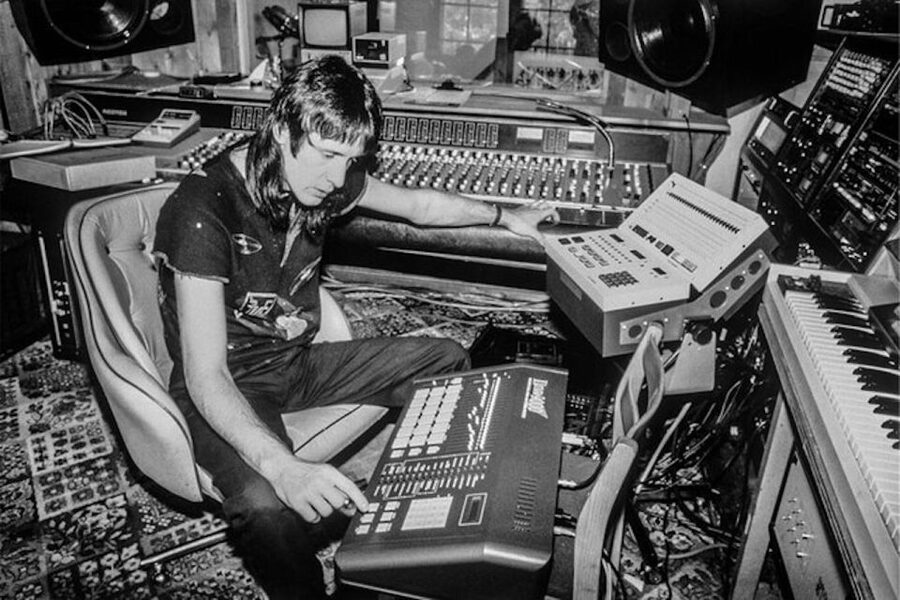
Why Bearsville matters in the tour story: this stop ties the Woodstock music momentum to Albert Grossman, Bob Dylan’s manager, and the empire he set up in the area. That’s important because Woodstock wasn’t only about artists. It was about the business machinery and the people arranging the conditions for creativity—management, promotion, venues, and the ecosystem that turns gigs into movements.
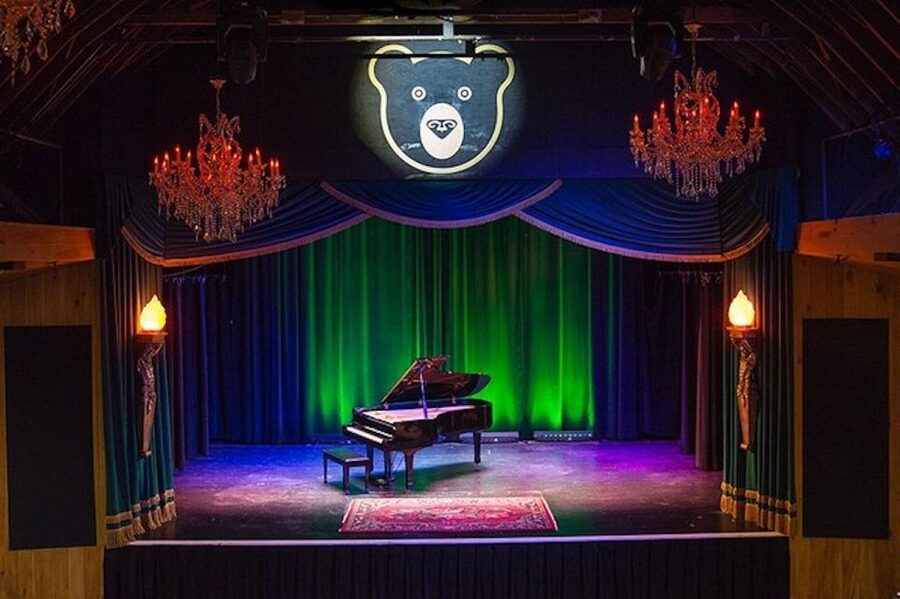
Once you arrive, you’re not just “done.” The tour ends at Bearsville Center, and the area gives you a chance to keep your day going. Depending on what’s available, you can see a show, grab dinner, or stop in for a drink in the broader complex.
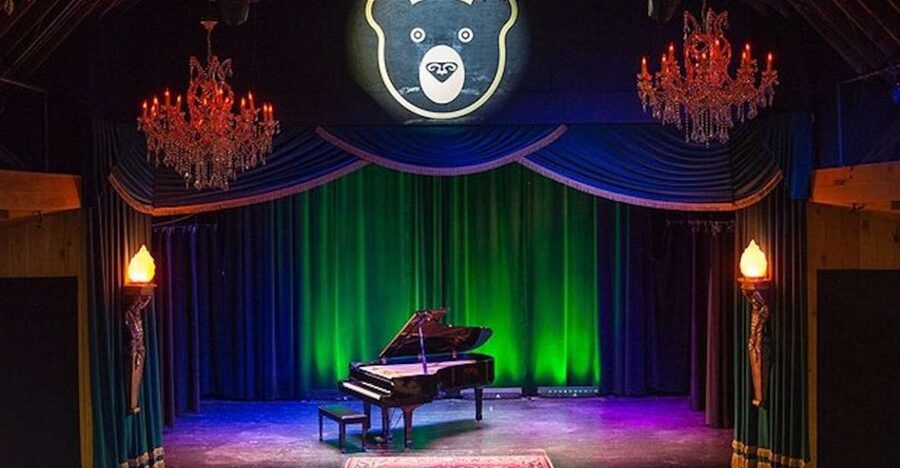
One caution: tours of the Bearsville Theatre are subject to availability and are not guaranteed as part of the advertised tour. If that specific theatre experience is a priority for you, treat it as a bonus, not a certainty.
Final resting places and respectful stops: why this part lingers
A lot of music tours focus only on the high points: the gigs, the legends, the fame. This one also includes final resting places connected to Woodstock legends. It shifts the tone.
I like when a tour doesn’t just celebrate an era but acknowledges what happened to the people who shaped it. You walk into the quieter side of rock history, which can make everything you heard earlier hit harder. It turns names you might know from records into actual human lives with full arcs.
This segment also helps you remember the tour as more than “locations.” It becomes a guided reminder of impact—who influenced what, and how Woodstock helped shape music culture beyond the festival headline.
What this tour is best at (and what it skips)
This is a Woodstock town and Bearsville-focused experience. It’s designed for people who want place-based music storytelling without long detours.
You should know what it does not include:
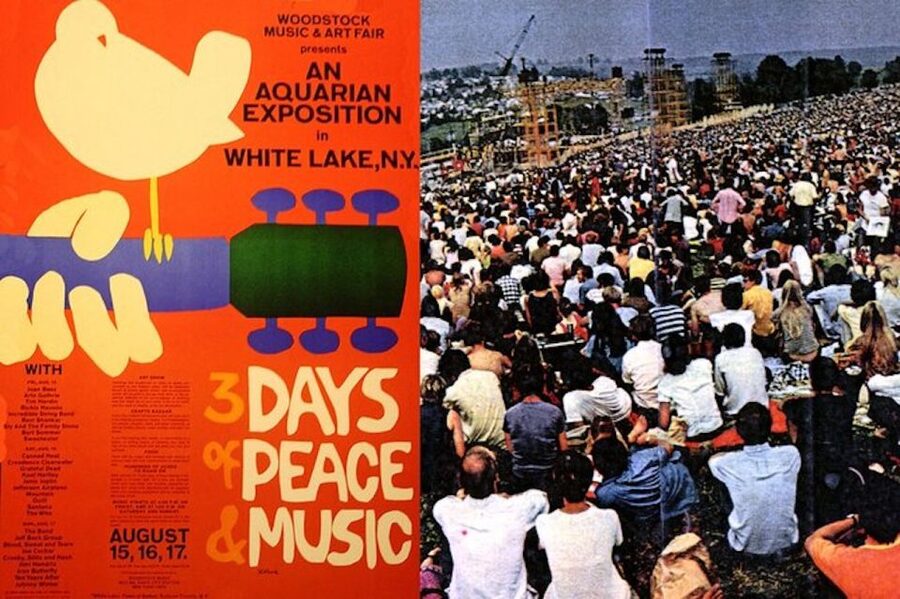
- The 1969 Woodstock Festival site (about 60 miles away) is not part of the tour.
- Big Pink is not included.
- Bearsville Theatre tours are only if availability allows, not a guaranteed part of the plan.
For many visitors, skipping those distant stops is exactly the point. You get more time for the real Woodstock town feel and the restored Bearsville complex without burning half your day on driving.
But if your dream list is built around the festival site or Big Pink, you might feel like you’re missing pieces. In that case, pair this tour with separate planning for the longer-distance icons.
Getting the most out of it: simple tips that pay off
If you want this to feel personal and not just like a timeline, do three things.
First, show up on time. This tour is timed to start at 2 pm Saturdays and 11 am Sundays. If you arrive late, you miss the anchoring stories at the start—where the guide sets the mental map.
Second, wear shoes that can handle casual walking. It’s described as a light, flat walk, but you still want comfortable footing because you’ll be moving between small street stops and storefront-like areas.
Third, come with one or two artists you care about most. The tour covers major names—Dylan, Janis Joplin, Jimi Hendrix, Muddy Waters, Van Morrison, The Band, Todd Rundgren, and more—so your attention will latch onto the stories you’re already curious about. It’s easier to connect dots when you have a couple “anchors” in your head.
And finally, don’t rush your photos. The tour includes album cover locations and historic facades. Look first, frame second.
Who should book Rock Junket’s Woodstock Rock n’ Roll History Tour
This tour fits you if:
- You love rock history and want it tied to actual streets and rooms
- You like guides who tell stories with context and visual support (Larry’s photos get mentioned for a reason)
- You want a manageable walking experience—no steep climbing, no long marathon day
- You’re visiting Woodstock for a short time and want a strong starting orientation
It may not be the best match if:
- You’re mainly chasing the 1969 festival site or Big Pink as your top priorities
- You hate the idea of self-driving even a short hop to Bearsville Center
- You’re looking for a vehicle tour that moves you from spot to spot with no walking segments
Should you book it?
I think this is a smart booking for most music-minded Woodstock first-timers. For $47, you get a focused 2.5-hour guided walk, a standout Dylan room-related stop, and the Bearsville connection to Albert Grossman—then you’re placed at Bearsville Center, where you can keep the day going.
Just book with the right expectations: it’s a town-and-Bearsville experience, not a drive-everywhere Woodstock checklist. If that matches what you want, you’ll leave feeling like you can actually picture the era when you look at Woodstock’s streets.
FAQ
Where does the tour start?
The tour starts at Peace, Love & Cupcakes at 59 Tinker Street (meeting point also listed as Cafe Espresso).
Where is the tour parking?
Park in the Comeau Drive free parking lot. The entrance is across from the Woodstock police station at 76 Tinker Street.
When does the tour run?
It runs April through October, with tours on Saturdays at 2 pm and Sundays at 11 am.
How long is the tour?
The duration is approximately 150 minutes.
What does the tour include?
It includes a guided walking tour.
Is the 1969 Woodstock Festival site included?
No. The 1969 Woodstock Festival site is not part of the tour.
Is Big Pink included?
No. Big Pink is not part of the tour.
Do I need transportation to Bearsville Center?
Yes. The tour ends at Bearsville Center, and you provide your own transportation for the short drive from Woodstock to Bearsville Center.
Is the Bearsville Theatre part of the tour?
Tours of the Bearsville Theatre are subject to availability and are not part of the advertised tour.
Is there a cancellation option?
Yes. There is free cancellation up to 24 hours in advance for a full refund.