REVIEW · ROME
Rome: Mini hike to the ancient Parco degli Acquedotti
Book on GetYourGuide →Operated by Hike with Nature of Sal · Bookable on GetYourGuide
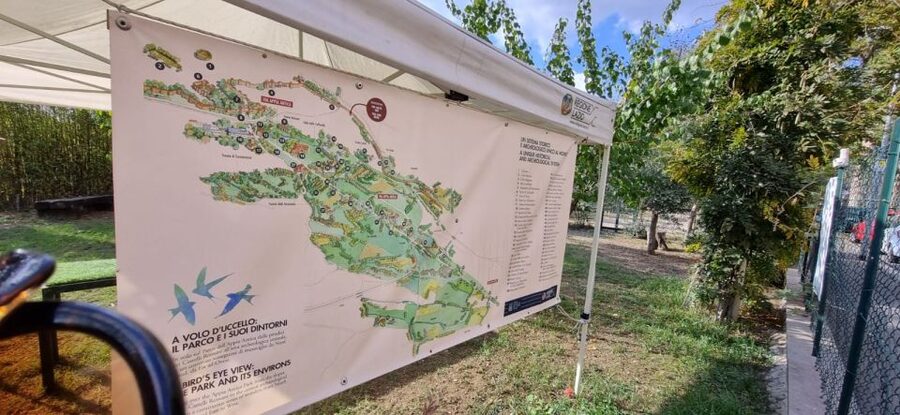
It starts in a part of Rome most people skip. This guided mini hike strings you from Pigneto into the Parco degli Acquedotti, where ancient aqueducts sit alongside real, everyday nature. I love that the route is not just “go to the ruins,” it’s a walk that connects neighborhoods, gates, and viewpoints to the engineering story behind the aqueducts. I also love the small-group feel and Sal’s calm, practical pacing, including smart water and shade breaks on hotter days. One thing to consider: it’s a moderate 9 km hike with uneven ground, so you’ll want solid shoes and a realistic plan for heat and rain.
You’ll finish at a different subway area than where you start, which is great if you like moving through the city. The route runs one way from the C-Line station at Pigneto to near the A-Line station at Giulio Agricola, so you’re not doing the same streets twice. The biggest potential drawback is simple logistics: if you’re tired at the end, you may need a quick taxi ride from the finish point, especially if your lodging is far from the A-Line.
In This Review
- Key things that make this hike work
- From Pigneto’s Subway to Ancient Water: the setup you’ll feel right away
- Via del Pigneto and the Mandrione green stops: where the day slows down
- Porta Furba (or Arco di Sisto V): a gate stop that makes you look twice
- The local café break and the Torre Fiscale Park stretch
- Parco degli Acquedotti: the moment the city turns into a Roman time capsule
- The waterworks story: why humans + nature is more than a slogan
- Pace, difficulty, and what to pack so you enjoy it
- Price and value: what you pay for besides the trail
- Who should book this aqueduct hike (and who should skip it)
- Final thoughts: should you book the Rome Mini hike to Parco degli Acquedotti?
- FAQ
- Where does the hike start?
- Where does the hike end?
- How long is the hike?
- How far do you walk and how hard is it?
- What language is the guide?
- Is it a one-way hike?
- How big is the group?
- Does the tour run in bad weather?
- What should I bring?
- Are sandals or flip-flops allowed?
Key things that make this hike work
- You get the aqueduct story in context, not just a photo stop
- Nature and ancient stone share the same walking path in the Parco degli Acquedotti
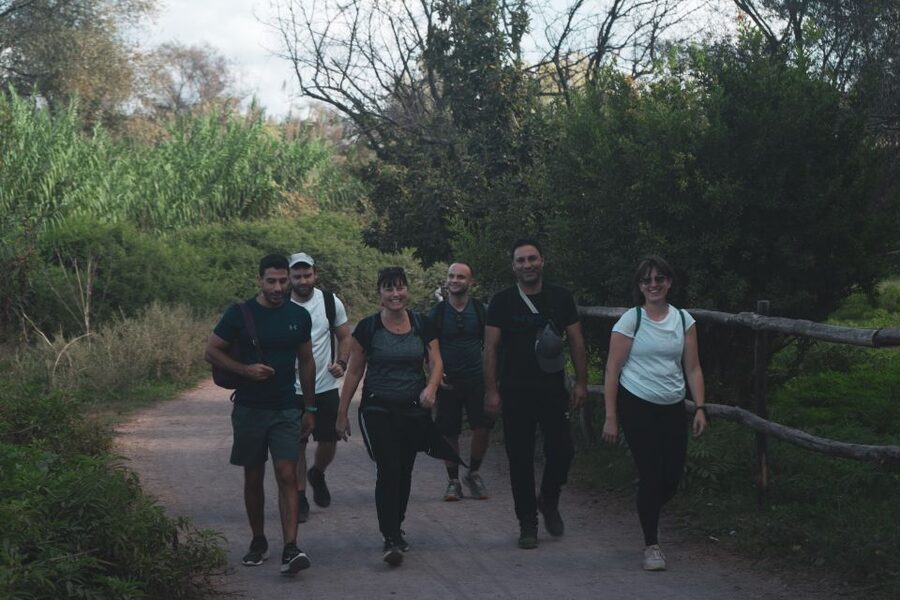
- Small group (up to 10) keeps the pace thoughtful and questions easy
- One-way route means you’ll see more of Rome in the same 3 hours
- Rain or shine—the guide plans around weather and hazards
From Pigneto’s Subway to Ancient Water: the setup you’ll feel right away
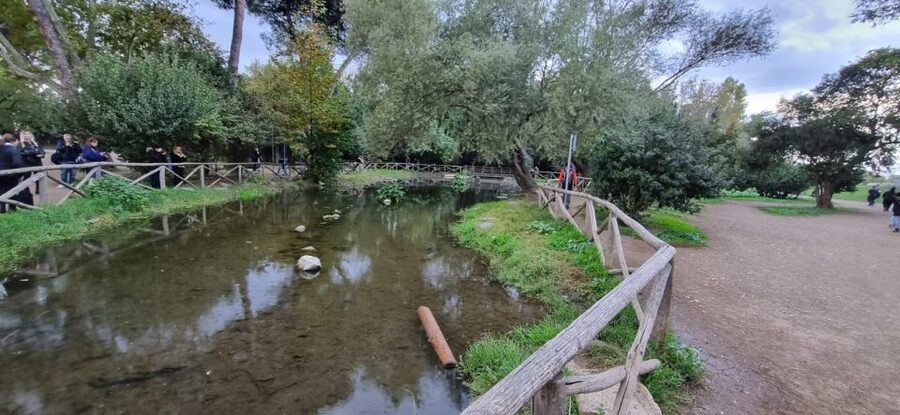
The experience begins right outside the subway station in Pigneto, in a neighborhood that feels more like local Rome than “tourist postcard.” The vibe matters because it shifts your brain from sightseeing mode into walking mode fast. You’ll meet about 15 minutes before departure, which gives you time to get your bearings before the route starts.
Right away, you’re not on a single-file “look here” march. You’re on a guided walk that moves through streets and small green pockets, building toward the park where the aqueducts dominate the view. If you like a tour that gives you a sequence—neighborhood first, then history, then the payoff—this format fits.
You can also read our reviews of more tours and experiences in Rome.
Via del Pigneto and the Mandrione green stops: where the day slows down
After leaving the meeting area, the walk takes you along Via del Pigneto. Then you head into the Parchetto Condiviso del Mandrione, a pocket of green that changes the soundscape quickly. Expect short guided moments here—enough to help you notice how the environment shapes what you see later in the aqueduct park.
This is a smart start for a hike like this. The aqueducts can feel dramatic only if you can also “read” the surroundings. Sal’s approach leans into how humans and nature have shaped each other over time, so these small green interruptions act like a warm-up lens.
Porta Furba (or Arco di Sisto V): a gate stop that makes you look twice
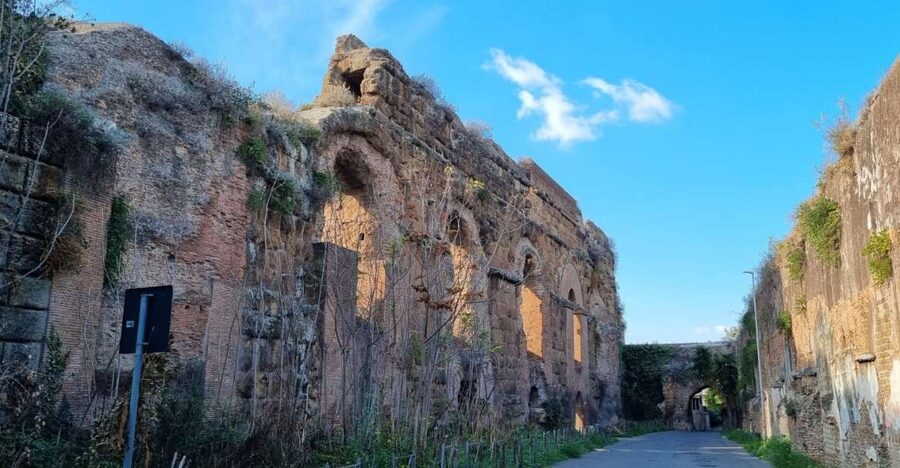
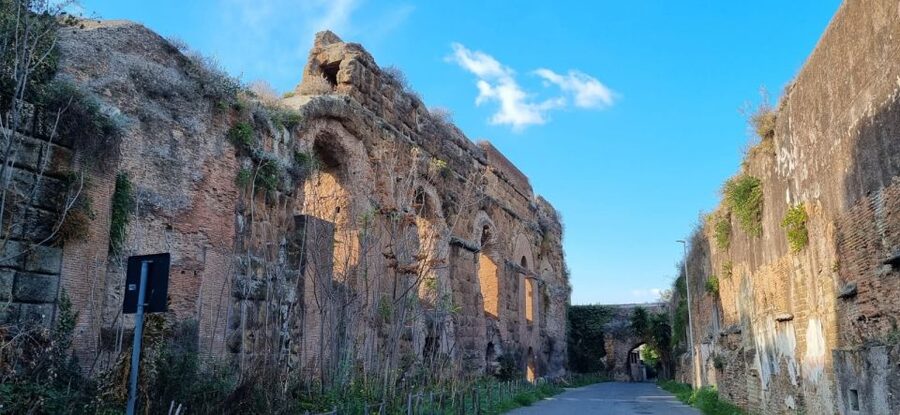
Next comes Porta Furba (or Arco di Sisto V). Gate architecture is one of those Roman details you can walk past a hundred times without really clocking what it is. With a guide, you start seeing the structure as part of a larger system: passage, defense, and the city’s changing needs.
This section also helps you understand why a hike out to an aqueduct park isn’t just “outskirts hiking.” Rome’s infrastructure threads through everyday places. Even if you’re not an engineering nerd, you’ll come away able to recognize how the built environment and movement corridors connect.
The local café break and the Torre Fiscale Park stretch
At some point you’ll take a break at a local café. This matters more than it sounds, especially because the hike is rain or shine and includes uneven terrain. Use the pause to top off water (and calories if you carried snacks), because the final park section is where your legs—and attention—really get tested.
After the café, you move toward Torre Fiscale Park for another guided stretch. Think of this as the bridge between “city walking” and “aqueduct park wandering.” The pace feels like it’s setting you up for the surreal moment when the ancient structures start matching the scale of your surroundings.
Parco degli Acquedotti: the moment the city turns into a Roman time capsule
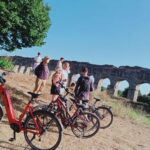
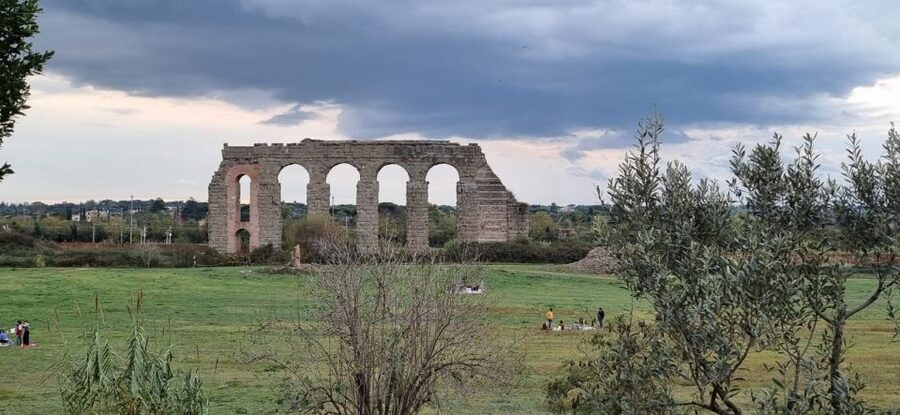
Then you reach the heart of the experience: Parco degli Acquedotti. This is where the walk earns its name. You’re surrounded by an atmosphere that feels half archaeological, half lived-in nature—ancient stone lines disappearing into greenery, with that sense that you’re standing inside a long-running system rather than looking at isolated monuments.
The best part is how the guide helps you “zoom” between scales. One moment you’re thinking about the Roman aqueducts as engineering—how they were built, what materials were used, and how the water idea linked to daily life. The next moment, you’re noticing the macro view: long sightlines, repeating arches, and that particular feeling of distance you only get when the path and structures pull your eyes forward.
If you like photography, this section is built for you. It’s not just a pretty scene; it’s a perspective game. The aqueducts give you strong vertical lines and layers, and the greenery adds depth without turning the whole scene into flat postcard greenery.


The waterworks story: why humans + nature is more than a slogan
What makes this hike feel different from a basic “ruins walk” is the way the guide ties together the human side and the natural side of the aqueduct system. You’ll learn about the ancient aqueducts and the history behind them, and you’ll also get guided commentary on how the area and structures have been used over time.
One detail that stands out in the overall experience: the aqueducts aren’t presented as dead stone. The story includes how people adapted after major disruptions, including how the structures and surrounding spaces were tied to life after World War II. That context helps you see why these remains still matter. They’re not just old. They’re part of Rome’s long habit of reusing, repurposing, and building new life around older frameworks.
Pace, difficulty, and what to pack so you enjoy it
This hike is rated moderate. It covers about 9 km / 5.5 miles with uneven terrain, and it’s designed as an urban hike—meaning surfaces and footing aren’t always uniform. The duration is about 3 hours, so it’s not an all-day adventure. You should treat it like a workout with a history lecture attached.
What to bring is practical and non-negotiable:
- Comfortable, proper hiking shoes (sandals and flip-flops are not allowed)
- 1.5 liters of water
- Clothes suited for urban walking
I especially appreciate the emphasis on footwear. Aqueduct park routes can be slippery or uneven after rain, and the guide explicitly adjusts for conditions. If you’re traveling with only “walking sneakers,” this might still work, but hiking shoes are the safer bet.
Also, bring a raincoat even when the forecast looks friendly. The tour runs rain or shine, and you’ll be happier if you’re not stuck wet and cold.
Price and value: what you pay for besides the trail
At $53 per person, you’re paying for three things that are hard to replicate on your own:
- A guided route that connects multiple neighborhoods and historical points to the aqueduct park payoff.
- Interpretation in English (and German, if that’s what you book).
- A small group size (limited to 10), which makes it easier to ask questions and keep the pace comfortable.
If you’ve ever tried to piece together “aqueducts + the right viewpoints” with self-guided wandering, you’ll understand why a guide is worth it here. You’re not just buying movement. You’re buying a way to see—engineering details, environmental context, and the route logic that gets you to the best moments with less guesswork.
Who should book this aqueduct hike (and who should skip it)
This tour is a good fit if you want a Rome walk that feels real, not staged. You’ll likely enjoy it most if you:
- Like guided walking with history that’s tied to place
- Want nature-and-ruins energy in the same outing
- Prefer small groups and an engaging guide who talks at your pace
It’s not for everyone. The experience is not suitable for:
- People using a wheelchair
- Those with heart problems or respiratory issues
- People over 95 years
- Children under 12
- Children under the stated minimum age—kids must be 14+ with adults for the hike
If you’re unsure, be honest with yourself about uneven ground and sustained walking for about 3 hours.
Final thoughts: should you book the Rome Mini hike to Parco degli Acquedotti?
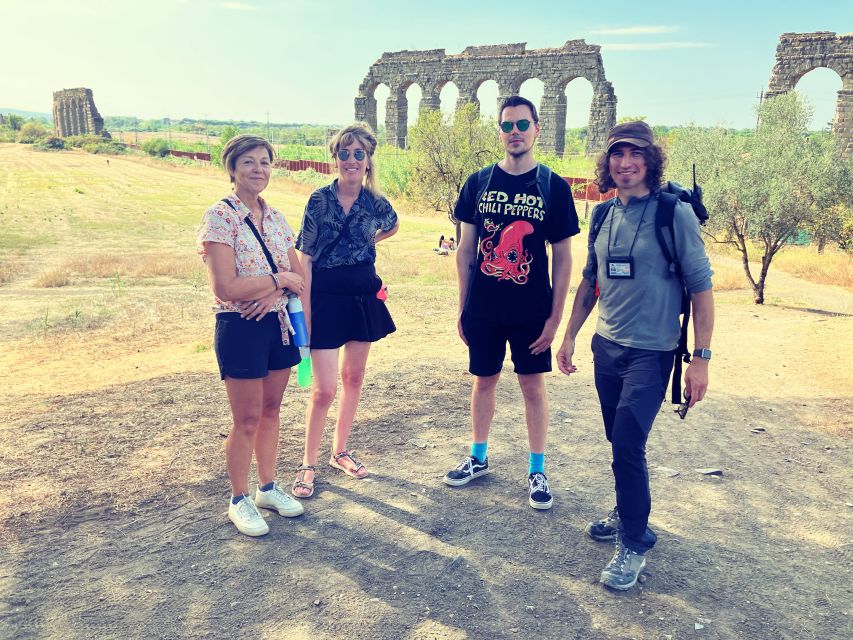
I’d book it if you want a Roman highlight that doesn’t follow the usual museum script. It’s a smart mix: neighborhood start, gate/history stops, and then the aqueduct park moment where the scale of the ancient structures really hits.
You might pass if your biggest priority is a relaxed, flat stroll. This is a proper walking experience with uneven terrain, and you’ll feel it if you show up in the wrong shoes or expect it to be mostly paved.
If you’re the type who likes getting off the main loop and seeing Rome as a living system, this hike is exactly your speed.
FAQ
Where does the hike start?
It starts right outside the subway station Pigneto (C-Line), with meeting by one of the station exits (the side next to Conad).
Where does the hike end?
The hike ends close to the subway station Giulio Agricola (A-Line), with the final stop listed at Via Lemonia, 214, 00178 Roma RM, Italy.
How long is the hike?
The duration is about 3 hours.
How far do you walk and how hard is it?
The route is about 9 kilometers (5.5 miles) with uneven terrain and is rated moderate difficulty.
What language is the guide?
The experience is offered in English, German, or Italian.
Is it a one-way hike?
Yes. It’s one way, starting at Pigneto and finishing near Giulio Agricola.
How big is the group?
The group is small, limited to 10 participants.
Does the tour run in bad weather?
Yes, it runs rain or shine. You should prepare for weather changes.
What should I bring?
You should bring comfortable walking shoes (best are hiking shoes), 1.5 liters of water, and clothing suited for an urban hike. A hat, sunscreen, raincoat, and trail snacks are recommended.
Are sandals or flip-flops allowed?
No. Sandals and flip-flops are not allowed. Comfortable walking shoes are required.