REVIEW · YORK
York: J&M’s City Sightseeing and History Walking Tour
Book on GetYourGuide →Operated by J&M York City Walking Tours · Bookable on GetYourGuide
York has layers, and this walk stitches them. Starting beside Constantine the Great by York Minster, I love two things: the city walls climb and a guide who keeps the story moving with humour that still feels respectful. You’ll weave through streets and landmarks in a way that makes 6,000 years of change feel like one continuous conversation.
One thing to plan for: this tour runs in all weathers and includes heights plus uneven streets. If you want a totally level, gentle stroll with no wind, no steps, and no climbing, you may find it a bit more physical than you expected.
In This Review
- Key points to know before you go
- Starting at Constantine and Getting Oriented by York Minster
- Ogleforth, St Cuthbert’s House of Prayer, Black Swan, and King’s Square
- Shambles and Merchant Adventurers’ Hall: Craft, Trade, and Myth-Busting
- Clifford’s Tower and the Walls: Defensive York Up Close
- Jorvik Viking Centre: The Long Stop Where Viking York Gets Time
- Finishing at All Saints’ Pavement: What You’ll Have in Your Head
- Guide style, group energy, and how the pacing really feels
- Price and practical value for a $16 day in York
- Who this York history walk is best for
- Should you book J&M’s York City Sightseeing and History Walking Tour?
- FAQ
- Where do I meet for the tour?
- What time does the tour start?
- How long is the tour?
- Is the tour wheelchair accessible?
- Does the tour run in bad weather?
- Are there heights or uneven surfaces?
- What language is the guide?
- Can I cancel and get a refund?
- Can I reserve and pay later?
Key points to know before you go
- A wall-walk history lesson with views you earn, not just postcards
- Short guided stops that keep you oriented without turning into a lecture
- Romans, Vikings, kings, queens, and rebels linked into one story
- Myth-busting moments that add personality to the facts
- A long Jorvik Viking Centre segment that gives the Vikings real time
- A guide style that answers questions and keeps a group cohesive
Starting at Constantine and Getting Oriented by York Minster
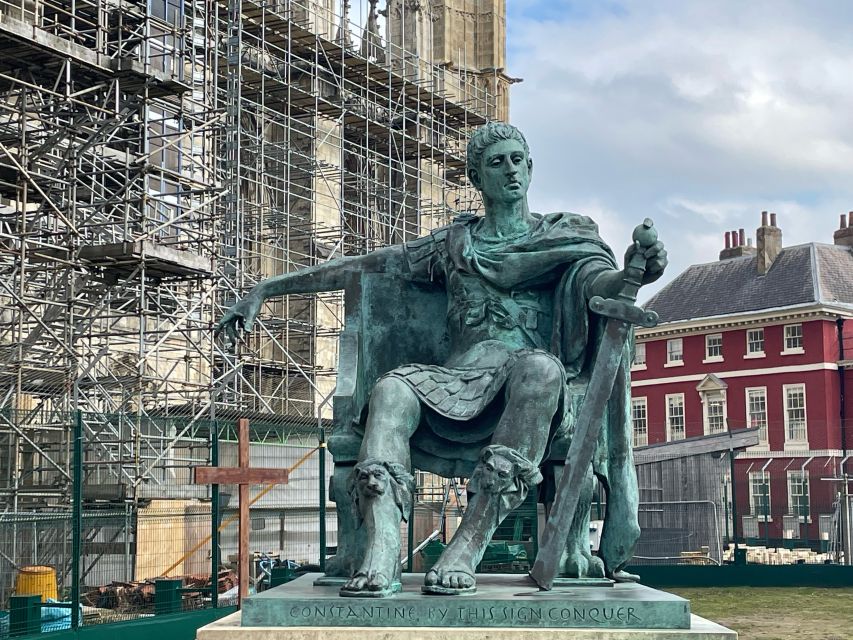
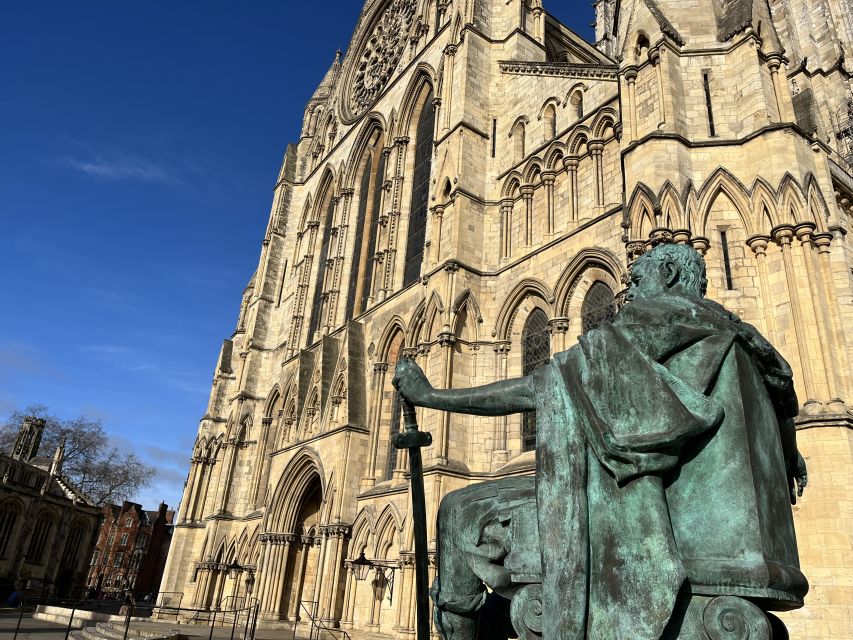
The tour begins in a smart spot: right by the statue of Constantine the Great on the south side of York Minster, opposite the Roman Column. This matters more than it sounds. York is easy to wander wrong, and starting at a clear landmark helps you lock onto the big picture from minute one.
Your first guided stop is York Minster itself, with a short orientation tour (about 15 minutes). You’re not asked to stand in one place and stare at stone for an hour. Instead, you get the key context to understand why this cathedral sits at the centre of York’s identity and how earlier eras set up what you see now.
Then you keep moving. That walking rhythm is part of the value: every stop answers a question about power, belief, or everyday life. It’s the kind of start that helps you later when you’re back on your own, trying to connect streets you’ve already walked to buildings you’re still seeing.
Practical tip: meet exactly where the instructions say, by the Constantine statue. Map apps can route you to the wrong side of the cathedral, and the tour leaves on time without waiting.
You can also read our reviews of more tours and experiences in York.

Ogleforth, St Cuthbert’s House of Prayer, Black Swan, and King’s Square
After Minster, the tour shifts into the smaller story of York. You’ll pass through Ogleforth (a quick guided stop), then head to St Cuthbert’s House of Prayer for another short visit. These stops are brief, but that’s the point. You’re learning how the city’s spiritual life and community rhythms sat alongside its politics and trade.
Next up is Black Swan and then King’s Square, each with a short guided focus (about five minutes each). These aren’t just photo opportunities. This is where the tour’s theme becomes obvious: York’s history isn’t only about emperors. It’s also about the places people gathered, worked, prayed, and negotiated power in plain sight.
If you like your history grounded in real locations, this section is a good match. You’re building a mental map of York’s “why here” moments. And because the stops are short, you can actually keep your attention even if the weather turns grey, windy, or both.
One consideration: because the pacing is active and the streets can be uneven, you’ll want to stay aware of footing. This is a walking tour, not a hop-on bus route.
Shambles and Merchant Adventurers’ Hall: Craft, Trade, and Myth-Busting

The heart of the experience for many people is the mix of famous streets and the smaller details that explain how York worked. You’ll visit the Shambles for about 10 minutes. This is one of those places where the buildings look like they’ve always been here, but the tour helps you see the human decisions behind the street.
You’ll also hear myth-busting stories along the way. The tour’s style aims for “facts with a punchline,” not dry names and dates. That balance shows up in how the guide talks about York’s skyline and the skills that shaped it—especially the craftsmanship tied to trade and wealth.
Then there’s Merchant Adventurers’ Hall (about five minutes guided). This stop is where you connect the dots between commerce and the city’s look. York’s power didn’t only come from crowns and conflicts. It also came from guilds, trades, and the people who built and maintained the urban world that still shapes the city today.
If you’re a first-timer, this section helps you avoid the common mistake of treating York like a single “top sights” checklist. Instead, you learn what to look for: the patterns of trade, the signs of civic muscle, and how myths often stick around when people only see the pretty surface.
Clifford’s Tower and the Walls: Defensive York Up Close
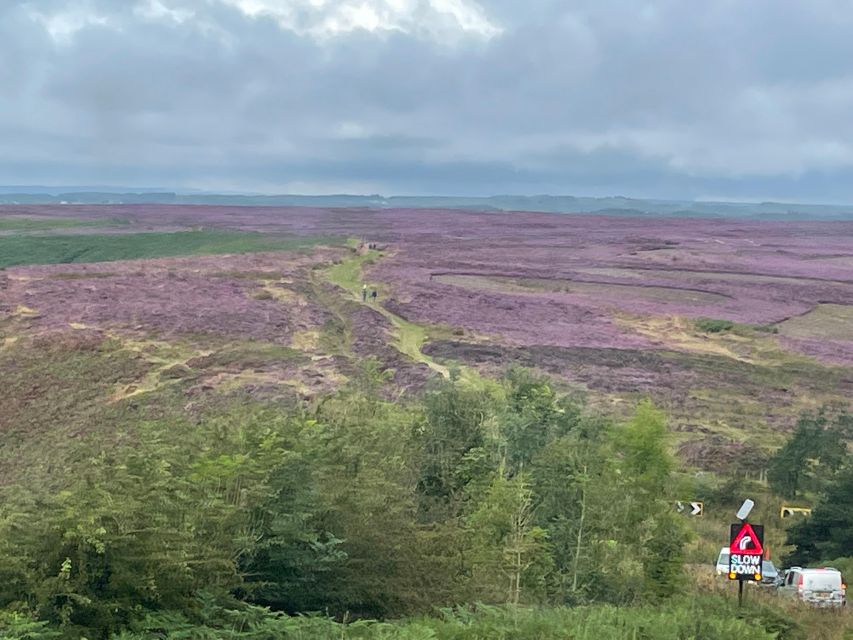
Clifford’s Tower is one of the stops that makes the tour feel physical in the best way. You get about 10 minutes guided here, and the story ties directly into how York defended itself through time. It’s not just “here’s a tower.” You’re learning why a place like this mattered in a world of sieges, shifting borders, and rival claims.
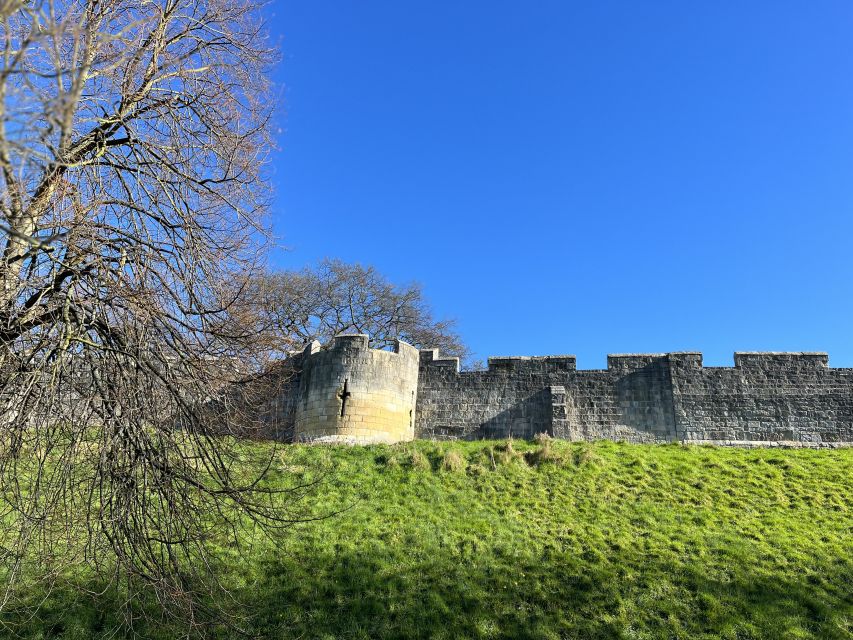
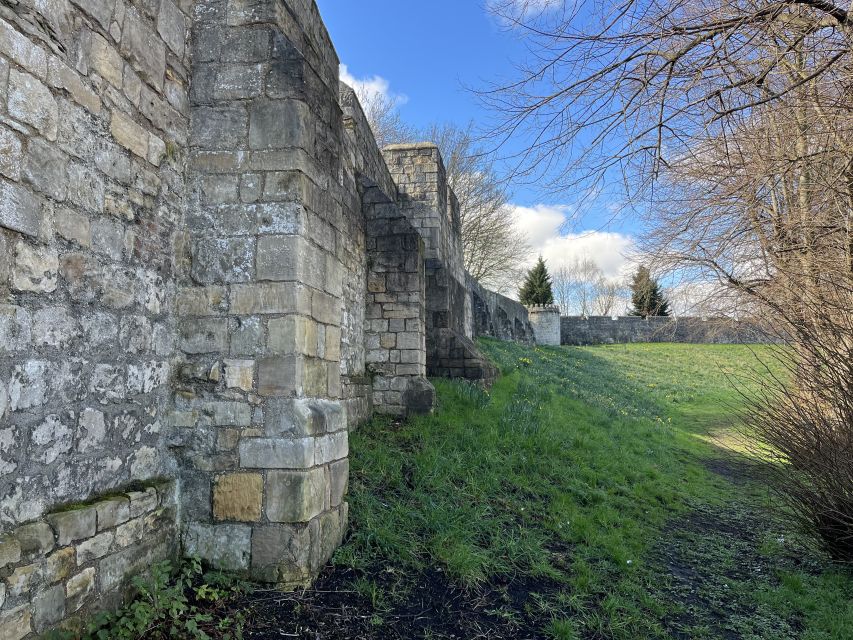
And yes, the highlight that many people come for is the climb on York’s defences—getting onto the city walls. That’s a big deal because wall-walking changes your sense of scale. From up there, the city reads differently. You start to see lines of movement, natural chokepoints, and how the settlement could be protected.
The tour also includes heights, so come prepared. If you have a fear of exposed spots, take that seriously and consider whether you’d be comfortable. If you’re fine with heights but not with slick surfaces, wear shoes with decent grip and go slow on windy or damp sections.
The best part of this segment is that it turns defensive architecture into something understandable. You stop thinking of stone as decoration and start seeing it as strategy. After you finish the walls section, York looks more like a lived-in system and less like a backdrop.
Jorvik Viking Centre: The Long Stop Where Viking York Gets Time
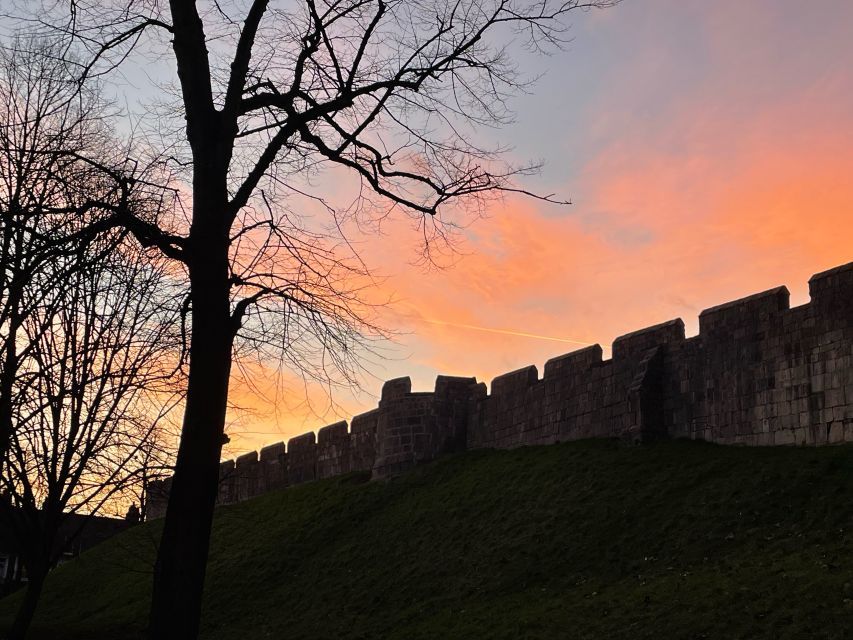
Then comes the biggest chunk: Jorvik Viking Centre, listed as a guided visit that takes about five hours. That’s your signal that Vikings are not treated like a quick side quest on this tour. You’re given sustained time in a place dedicated to Viking York, and you’ll hear stories connected to Vikings and the wider historical shifts that followed.
A long guided visit like this usually pays off if you like context. You’ll likely leave with a clearer sense of how Viking-era life fit into York’s broader timeline, instead of memorising a few Viking trivia lines and moving on.
If you’re the kind of traveller who wants variety every hour, you might find the Viking Centre time long. But if you care about depth—especially around Vikings—this is the section you don’t want to rush through.
What I’d do if you book: plan your day so you’re not trying to stack too many separate activities right after. This stop is the anchor, and you’ll want the mental space to absorb it.
Finishing at All Saints’ Pavement: What You’ll Have in Your Head
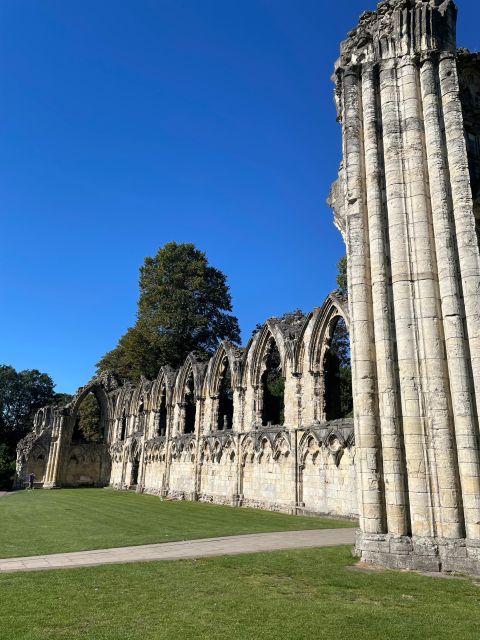
The tour wraps up at All Saints’ Pavement, which is a good way to end. You finish in a part of the city that feels “York” in a day-to-day way, not just a monument line. By then, you’ve walked enough streets that the landmarks start connecting in your mind.
This is also where you benefit from a guide who answers questions. In recent groups, guides including Nick and Liam have been specifically praised for clear, engaging storytelling and a dry sense of humour. That kind of delivery matters on a history tour, because it keeps you from zoning out between stops.
If you want to keep the momentum after the tour, use the route memory. Even if you don’t study every detail right away, you’ll know where the Minster sits relative to the medieval lanes and how the city walls change your view of the place.
Guide style, group energy, and how the pacing really feels
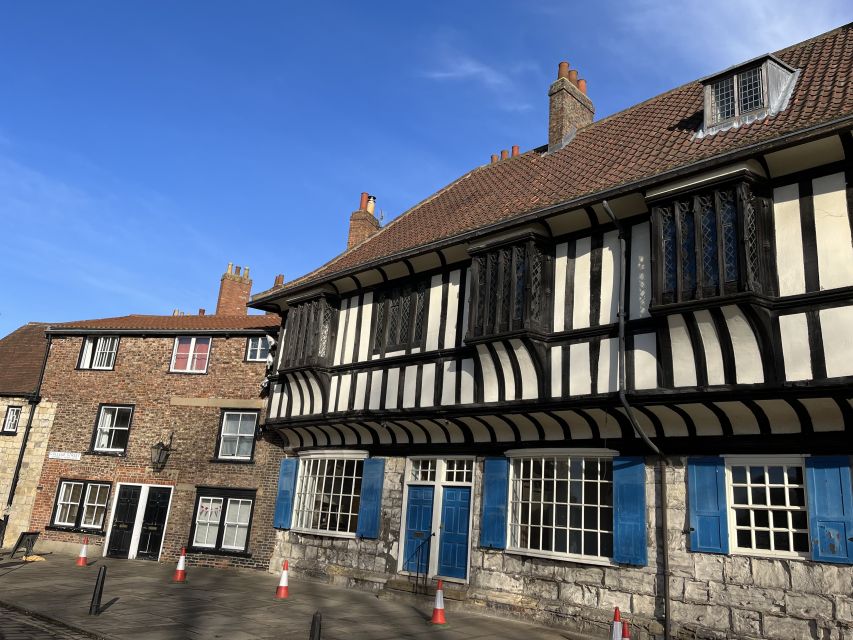
The big reason this tour earns such strong ratings is the human factor: the guides keep it lively, clear, and question-friendly. People mention humour used well, and the way the guide can keep a larger group together without talking over anyone.
Pacing is also a standout. Even with multiple guided stops, the tour avoids the heavy slog feel. Short segments mean you get “just enough” at each site to understand what you’re seeing, then you move on.
I also like the way the tour frames history as change over time. Romans lead into Vikings; royal power and rebellion show up as recurring themes; and there’s room for the ordinary people who experience those changes too. That approach makes it easier to remember what matters.
You’re not left with a random set of facts. You’re left with a mental timeline, plus practical street sense for York’s layout.
Price and practical value for a $16 day in York
At $16 per person for a guided, multi-stop walking experience, this is strong value for two reasons.
First, the tour isn’t only “see the sights.” It includes guided explanation at major landmarks like York Minster and Clifford’s Tower, plus the long Viking-focused time at Jorvik Viking Centre. Second, you get the performance side of a good tour: a guide who can connect Roman, Viking, and later stories into something you can follow.
Now, the trade-off for value is effort. You’re walking, you’ll handle uneven ground, and the tour runs in all weathers. If you’re used to easy museum-only days, you’ll want to treat this like an active city day with proper clothing.
What to pack:
- Comfortable shoes with grip for uneven streets
- A warm layer and rain protection, because it’s all weather
- A light bag, since you’ll be out and moving for a full stretch of the day
If you want a York day that feels efficient but still personal, this tour aims for exactly that.
Who this York history walk is best for
This tour is a great fit if you:
- Want history with a storyline, not a list of monuments
- Like walking city walls and seeing how defence shapes a town
- Enjoy myth-busting that doesn’t erase the facts
- Prefer learning in short bursts, with time to look around and move
It may be less ideal if you:
- Need a fully flat, low-foot-traffic experience
- Are uncomfortable with heights and uneven streets
- Want to choose your own pace without a planned route
Wheelchair accessibility is listed, which is a major plus. Still, because heights and uneven streets are part of the experience, you may want to think ahead about how your mobility needs match the route.
Should you book J&M’s York City Sightseeing and History Walking Tour?
Yes, if you want York to feel like a living timeline. The wall-walk, the Minster start, the Shambles-and-trade stops, and the long Jorvik Viking Centre segment create a day that’s more than sightseeing.
Book it especially if you’ll be using York as a base for other exploring. A good guide here helps you navigate and interpret what you see next.
Don’t book it if you strongly dislike heights or you’re expecting a gentle, weather-proof stroll. York’s real charm comes from being outdoors in real city streets.
If you’re okay with that trade-off, this is one of the most cost-friendly ways to get real context fast.
FAQ
Where do I meet for the tour?
Meet next to the statue of Constantine the Great on the south side of York Minster, opposite the Roman Column. Look for the circular rose window above the doors of the cathedral.
What time does the tour start?
The tour is valid for 1 day, and starting times depend on availability. Check availability to see the starting times offered for your date.
How long is the tour?
It’s listed as a 1-day experience. The day includes a longer guided visit at Jorvik Viking Centre, and the overall route is designed to fit within the day schedule.
Is the tour wheelchair accessible?
Yes. The tour is listed as wheelchair accessible.
Does the tour run in bad weather?
Yes. The tour takes place in all weathers.
Are there heights or uneven surfaces?
Yes. The tour includes heights and uneven streets, so bring shoes suitable for uneven ground.
What language is the guide?
The live tour guide speaks English.
Can I cancel and get a refund?
You can cancel up to 24 hours in advance for a full refund.
Can I reserve and pay later?
Yes. You can reserve now and pay later to keep your travel plans flexible.