REVIEW · NEGOMBO
10 Days/ 9 Nights – Heritage Wildlife and Waves in Sri Lanka
Book on Viator →Operated by Sri Lanka Tour Driver with Car · Bookable on Viator
Sri Lanka hits different when you’re not rushing. This private 10-day route stitches together heritage sites, wildlife safaris, and beach breaks, all starting from Negombo and guided by an English-speaking driver (with other languages available). It’s the kind of trip where you can go from rock temples to national parks without spending your days solving logistics.
I like that the trip is built for real variety: you get major highlights like Sigiriya and Kandy’s Temple of the Sacred Tooth Relic, plus wildlife days in places like Minneriya and Yala. I also like the human side. In the feedback I saw, people praised Sam for airport welcome and planning, and drivers such as Chamal and Nish for staying on top of needs during the drive-heavy days.
One thing to consider: the days are packed, and several activities are marked as not included for admission tickets (especially the wildlife and some special experiences), so you’ll want to budget for on-the-ground costs beyond the base price.
In This Review
- Key Points Worth Knowing Before You Go
- Why Negombo Works as Your Starting Point
- Negombo: Fish Market Energy and Lagoon Calm
- From Rock Carvings to Golden Cave Temples
- Minneriya Elephant Safari: One of the Main Payoffs
- Sigiriya Lion Rock and the Polonnaruwa Ruins
- Trincomalee: Beaches on the East Coast
- Koneswaram Temple, Fort Frederick, and a Kandy-Looking Toward the Hills
- Kandy’s Sacred Tooth Relic and the Botanical Gardens Reset
- Horton Plains and the Ella Train: Cool Air and Big Views
- Nine Arches Bridge and Little Adam’s Peak
- Yala Safari and Galle Dutch Fort: Wildlife and Walls
- Sea Turtle Hatchery, Madu River Safari, and Colombo Ending
- Price and Logistics: What $1,100 Per Group Really Buys
- Comfort, Timing, and the Driver Factor on a Route Like This
- Who Should Book This Sri Lanka Heritage, Wildlife, and Waves Tour
- Should You Book It?
- FAQ
- How many people are in a group?
- Where does the tour start?
- What is included in the tour price?
- What is not included?
- What do hotels cost if I choose them through this setup?
- Does the tour use a driver?
- Is the tour walking-heavy?
- Does the itinerary include wildlife safaris?
- What is the cancellation policy?
Key Points Worth Knowing Before You Go
- Private car, small group feel: Designed for groups up to 3 with pickup offered and an air-conditioned vehicle.
- Sam plus drivers who coordinate: Feedback highlights Sam and drivers like Chamal, Nish, and Iranga Amila Rathnayake for pre-trip planning and on-road help.
- Wildlife + culture on back-to-back days: Minneriya and Yala are paired with UNESCO heritage stops like Sigiriya, Dambulla, and Polonnaruwa.
- Two coast chapters: East coast time around Trincomalee (including Pigeon Island) and south/west coast time around Galle, Hikkaduwa, and Hiriketiya.
- Conservation stop near the end: A sea turtle hatchery plus a river safari through mangroves in the final stretch.
- You can choose your comfort level for hotels: The tour lists estimated hotel costs by star level (meals are still not included).
Why Negombo Works as Your Starting Point
Negombo is a smart first move because it’s close to Colombo and easy to connect from, especially on day one. You’re basically starting in a coastal pocket with local food culture and water everywhere. That matters because your first day includes low-stress sights before the route really turns into a heritage-and-wildlife marathon.
Expect the first chunk to be easy on your body and good for your eyes: Negombo Beach, a look at the fish market, and time on the Negombo Lagoon area (with boat-style options depending on the day’s flow). Even if you’re tired from travel, this is the kind of start where you can get oriented fast and still feel like you’re in Sri Lanka, not just passing through.
If you like photos, mornings and late afternoons around Negombo Lagoon and the beach tend to be your friends. And if you’re a foodie, the fish market area is one of those places where you’ll watch people do their daily work with genuine skill.
You can also read our reviews of more tours and experiences in Negombo.

Negombo: Fish Market Energy and Lagoon Calm
Day one balances two different moods. You get the Negombo Fish Market with fresh catches on display and busy vendor activity, then you shift toward the quieter feel of the Negombo Lagoon with mangroves and wildlife-birdwatching possibilities.
Here’s the practical bit: plan to be flexible with timing. This part of the trip includes several short stops that are mostly about walking, looking, and soaking in the atmosphere. It’s not the time for long meals or slow museum pacing. If you keep your schedule light, you’ll enjoy it more.
Also, a heads-up: the lagoon segment is listed as not included for admission. So if you want a boat ride or something more structured, confirm what’s covered versus what you pay separately.
From Rock Carvings to Golden Cave Temples
On day two, you move inland toward classic sacred sites. Ridi Viharaya (the Silver Temple) is described as a historic Buddhist temple known for intricate rock carvings and ancient relics, with a striking stupa. It’s the kind of stop that rewards slow looking. Instead of treating it like a checkbox, take a few minutes just to study the carvings and the rock setting.
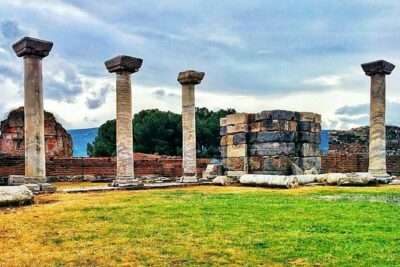
Then comes the Golden Temple of Dambulla, a UNESCO rock temple complex with cave murals and Buddha statues. This is one of those places where your eyes naturally keep traveling—walls, ceiling spaces, and different statue groupings. If you’re the type who likes religious art, you’ll enjoy the way this site is built into the rock itself.
A practical note: Dambulla’s admission is marked not included. So expect some ticket cost here, and factor that into your daily budget.
Minneriya Elephant Safari: One of the Main Payoffs

Day two also includes a Minneriya National Park safari (admission not included). This is one of the biggest reasons wildlife lovers pick Sri Lanka in the first place: Asian elephants in open habitat, with the whole park ecosystem doing its thing around you.
What I recommend: treat this safari as its own day inside the day. Keep your expectations realistic. Wildlife sightings can’t be scheduled like a show, so your best strategy is to arrive ready, stay patient, and watch for smaller signs—tracks, movement, and bird activity that hints at where elephants might be.
Also note that the itinerary lists a three-hour safari block. That’s usually enough time for a good attempt, but don’t expect it to feel like a long stay. You’ll want to be comfortable in the jeep-style ride and ready for variable light and weather.
Sigiriya Lion Rock and the Polonnaruwa Ruins
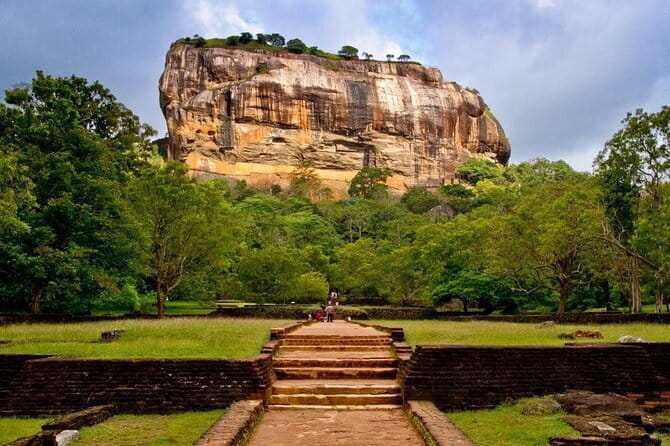
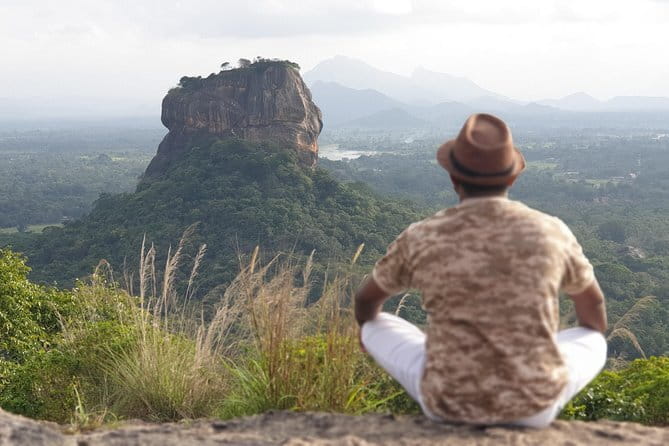
Day three is a heavyweight heritage duo. First you tackle Sigiriya Lion Rock, the ancient rock fortress rising about 200 meters, known for frescoes and the dramatic lion-paw entrance area. The site is famous for a reason, but don’t just sprint up and snap pictures. Take breaks. You’re walking on irregular terrain, and a slower pace makes the views and details hit harder.
Next is the Sigiriya Village Tour. This is where the trip stops feeling like only temples and starts feeling like local life. The village tour is described as exploring lush landscapes and local culture, plus tasting traditional cuisine. Even if you keep it brief, it’s a chance to see how the area lives beyond the ticket counters.
Then you add Polonnaruwa, another UNESCO site with medieval ruins like the Gal Viharaya. Polonnaruwa tends to feel more spread out than Sigiriya, so wear shoes you can move in and bring water if you’re able.
Admission tickets here are marked not included. So if you’re planning your budget, treat this day as a likely paid-ticket day.
Trincomalee: Beaches on the East Coast
On day four, your trip shifts toward the east coast. You’ll spend time at Trincomalee Golden Beach and Marble Beach—both described as stretches of soft sand with clear turquoise water. This is your reset from hill-country walking. It’s also a good time to slow down and simply enjoy the sea.
Then the itinerary includes Pigeon Island National Park. This is a marine sanctuary known for coral reefs and marine life, where snorkeling is a big draw (diving is also mentioned). Admission is marked not included, so you may pay extra depending on how the day is run.
Practical tip: if you’re bringing snorkeling gear, only do so if you’re confident it fits and you’re comfortable using it. If not, you might find it easier to rely on what’s available locally, but the exact availability isn’t spelled out here. The key is to plan for some extra expense if you want a full marine experience.
Also, the east coast can bring different water conditions than the west. You’ll feel the difference in the sea instantly, and that’s part of the fun.
Koneswaram Temple, Fort Frederick, and a Kandy-Looking Toward the Hills
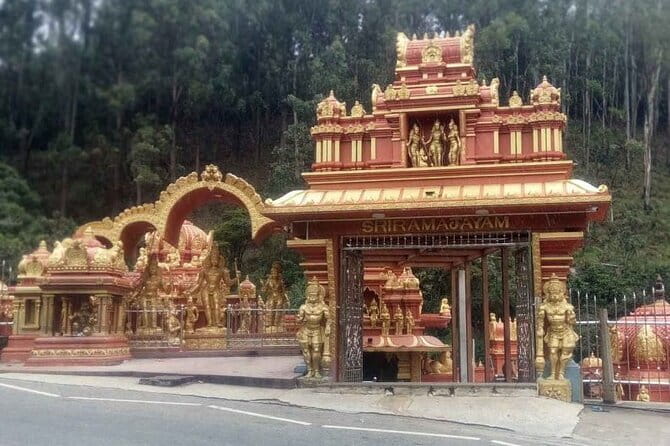
Day five includes a temple and fort combo, then swings into Kandy area experiences. Thirukoneswaram Kovil (Koneswaram Temple) is a Hindu temple perched on a cliff with coastal views and described as known as the Temple of a Thousand Pillars. You’ll likely get a great sense of the coastline while you’re there, even if you just do a quick walk around and focus on the architecture.
After that, Fort Frederick gives you Portuguese and Dutch layers on top of harbor views. Forts are often best when you treat them like vantage points. Look around, take in the water and harbor layout, then picture how the coastline would have mattered centuries ago.
Then comes the move toward Kandy and the hill-country culture feel. The itinerary lists Kandy Spice Walk, plus a Kandy Lake Club cultural dance show (admission not included for the show). Spice walks can be hit-or-miss depending on how the guide runs them, but the basic idea is solid: you learn what grows locally and how spices connect to everyday cooking.
Kandy’s Sacred Tooth Relic and the Botanical Gardens Reset
Day six is Kandy in full. The Temple of the Sacred Tooth Relic (Sri Dalada Maligawa) is UNESCO-listed and houses the Buddha’s tooth relic. The architecture and the way the temple space functions are the main attractions here, and it’s the sort of site where you should take your time even if you’re not a hardcore temple fan.
Then Royal Botanical Gardens in Peradeniya give you a breather. The gardens are described as having over 4,000 plant species, including orchids and towering palms. This is where your pace can slow down. You can move at your speed, and you don’t have to keep switching focus like you do with forts and ruins.
You also get a Kandy viewpoint for photos and a quick scenic pause around Kandy Lake. Then the day ends with Ramboda Falls and a tea-area stop in Nuwara Eliya featuring The Tea Garden and tea views.
One practical point: several major sites on day six are marked not included (the tooth relic, botanical gardens). Budget accordingly, especially if you want to spend extra time inside exhibits or guided sections.
Horton Plains and the Ella Train: Cool Air and Big Views
Day seven brings highland scenery with Horton Plains National Park (UNESCO). It’s known for highland landscapes and unique biodiversity, plus the dramatic World’s End cliff. Admission is marked not included.
Walking in Horton Plains is the kind of activity where you should dress smart. Conditions can change quickly with elevation. Even if the tour doesn’t state weather gear, plan for it in real life: light layers and comfortable shoes are your best friends here.
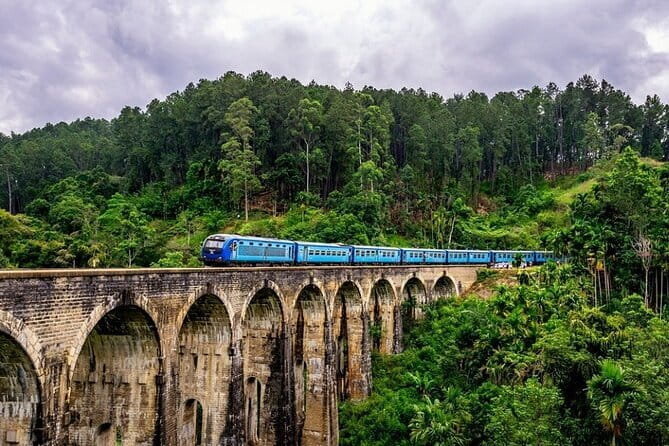
Then you shift toward Ella and take in Ella Train Trips along the A9 route. The description points to tea plantations and misty mountains. Admission is marked not included.
If you’ve ever thought train rides are overrated, Sri Lanka train rides tend to change that mindset. You spend the time looking out the window and feel like you’re watching the country rearrange itself. Keep your phone charged and expect spots where the light changes fast.
Nine Arches Bridge and Little Adam’s Peak
Day eight leans on iconic photos with practical walking. The Nine Arches Bridge in Ella is a colonial-era railway bridge known for its design and surrounding greenery. Admission is marked free in the description, which is great.
Then you get Little Adam’s Peak, described as a relatively easy hike leading to panoramic vistas. It’s also marked free. This is the day for comfortable shoes and a calm pace. Short hikes can still feel steep or slippery depending on weather.
You also stop at Ravana Ella Falls. It’s only listed as a 15-minute stop, so don’t treat it like a long picnic. Use it as a quick waterfall break and get your photos, then move on.
Finally, there’s Mahamevnawa Monastery in Kumbalwela. It’s a serene Buddhist retreat known for peaceful atmosphere and meditation programs/teaching. The focus here is quieter time after days of moving.
Yala Safari and Galle Dutch Fort: Wildlife and Walls
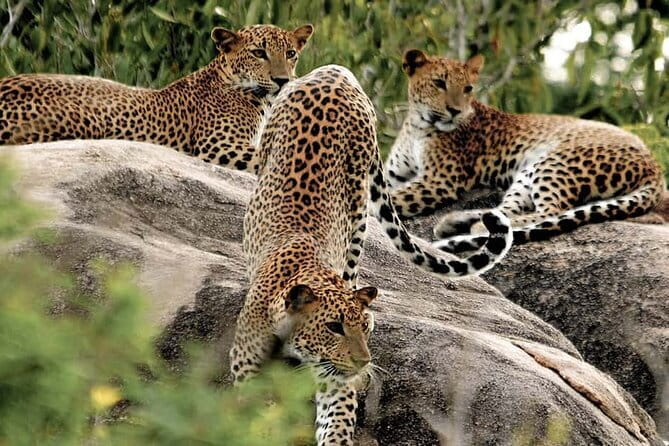
Day nine is your southern highlight stack. First you go to Yala National Park for a safari (admission not included). Yala is described as having diverse ecosystems and wildlife including leopards and elephants, plus birds. Leopards are the big headline, but sightings aren’t guaranteed. Your job is to be patient and watch carefully.
After the safari, you head to Galle Dutch Fort, UNESCO-listed and built by the Dutch in the 17th century. It’s known for colonial architecture and fortified walls overlooking the coast. This is a good contrast to the park day. You go from waiting for wildlife to walking among thick stone walls and restored streets.
Then you get beach time: Hiriketiya Beach and Hikkaduwa Beach. Both are described as sandy and clear-water areas, with Hikkaduwa also noted for coral reefs that attract snorkelers and divers. Admission is listed as free for these stops.
Practical tip: if you’re serious about snorkeling, consider planning gear and time carefully. The itinerary lists short time blocks for these beaches. It may be more about relaxing and quick swim than a full day on the water.
Sea Turtle Hatchery, Madu River Safari, and Colombo Ending
Day ten is conservation plus city flavor. The Sea Turtle Hatchery in Ambalangoda is described as dedicated to conserving endangered sea turtle species. You can observe hatchlings and learn about protection efforts. The hatchery stop is listed with admission not included.
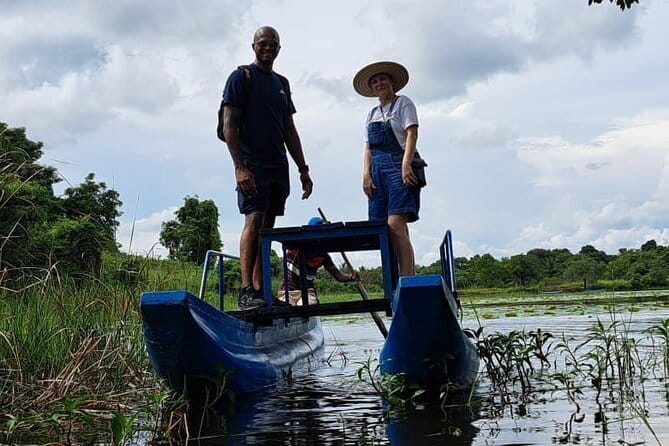
Then comes Madu River Safari (also called Nilwala Boat Safari). This is a mangrove river route where you glide through calm waters, with chances to spot birds and monitor lizards. Admission is marked not included.
This is one of the nicer ways to end a Sri Lanka trip because it’s quieter than the safaris and more nature-focused than the cities.
Finally, you get a Colombo City Tour with stops like Galle Face Green and Independence Square, plus a short Colombo Port City visit, and then Gangaramaya (Vihara) Buddhist Temple. Colombo’s temple details are described as sculptures and Buddha statues, with both modern and traditional style influences. Admission is listed not included for Gangaramaya.
If you want a smooth ending, make sure you’ve got energy for city walking at the end. It’s easy to be mentally done after multiple days of movement.
Price and Logistics: What $1,100 Per Group Really Buys
The tour price is listed as $1,100 per group (up to 3) for 10 days / 9 nights. That pricing matters less per person than you might think because you’re paying for private transportation and guidance across a wide route—from Negombo to the east coast, into the hill country, then down to the south.
What’s included: private transportation, an air-conditioned vehicle, and the package lists all fees and taxes. At the same time, the itinerary marks many specific admissions as not included (notably safaris and several key attractions). So I’d treat the base cost as covering the core routing and transport, while you should expect extra ticket costs on certain days.
Also, hotels and meals are not included. The tour gives estimated hotel costs by star level: 3-star USD 80, 4-star USD 90, 5-star USD 120 outside Colombo and USD 160 in Colombo. Since you’re traveling as a small group, those per-room estimates can be a big part of the final budget.
If you’re doing this as a family, this format can be a value because you’re not paying for multiple separate tours. You’re paying for one vehicle plan that keeps everyone together, with a driver who can help manage timing between stops.
Comfort, Timing, and the Driver Factor on a Route Like This
A private car tour is not just comfort. It’s time leverage. With a driver handling the route, you spend less time negotiating and more time actually at the places that matter.
The tour lists English, Tamil, Arabic, Spanish, German, French, Italian, and Japanese as languages the drivers can speak. That’s a real quality-of-life factor if you want help communicating with guides at stops or if you have questions about timing.
In the feedback I saw, the strongest praise was about the coordination before and during the trip. People specifically called out Sam for airport welcome and planning, plus drivers like Chamal and Nish for attentive care. Another named driver in the mix was Iranga Amila Rathnayake, with people highlighting how updates and coordination kept the experience smooth.
Here’s the practical takeaway for you: if you have any must-see priorities—elephants, temples, a specific beach swim time—say it upfront. On a packed route, tiny adjustments can make big differences in how the days feel.
One more comfort note: WiFi on board and restroom on board are listed as not included. It’s not a dealbreaker, but it affects how you plan snacks and long drives. Bring water and plan for the stops.
Who Should Book This Sri Lanka Heritage, Wildlife, and Waves Tour
This tour fits best if you want a lot of variety without having to plan every turn. It’s especially good for:
- Couples or small families who like private car comfort and shorter walking bursts between big sights
- Wildlife lovers who want both Minneriya and Yala rather than choosing just one
- Travelers who care about culture and heritage but still want beach time before they leave Sri Lanka
It may not fit you if you hate early starts or you want long, slow days. Since the itinerary layers temples, viewpoints, safaris, and multiple beach stops, the rhythm is active.
The tour asks for moderate physical fitness level, which makes sense with hikes like Little Adam’s Peak and longer park areas like Horton Plains.
Should You Book It?
I’d book this if your dream Sri Lanka trip looks like: heritage icons (Sigiriya, Dambulla, Polonnaruwa), a real elephant safari chance (Minneriya, then Yala), and a coast-to-coast feel with turtle conservation and river mangroves near the end. The best part is the private-car format with a driver team that’s clearly good at coordination, including name-checked support from Sam and drivers such as Chamal and Nish.
I wouldn’t book it if you want ultra-low-cost travel with zero extra tickets. The days include several activities where admissions are marked not included, plus you’ll still pay for hotels and meals. Think of the $1,100 as the engine and coordination, then budget the rest.
If you do book, do one smart thing: email or message your priorities and your hotel comfort level early. With this kind of route, small choices about pacing and ticket planning can turn a good trip into a great one.
FAQ
How many people are in a group?
It’s set up as a private tour/activity with only your group participating, and the price is per group up to 3.
Where does the tour start?
It’s based in Negombo, Sri Lanka. The meeting points list a start time of 12:00am, so it’s a good idea to confirm the exact pickup timing with the provider.
What is included in the tour price?
The tour includes private transportation, an air-conditioned vehicle, and the package lists all fees and taxes. Mobile ticket is included.
What is not included?
Hotel accommodation and meals are not included. WiFi on board and restroom on board are also not included. Several activity admissions are marked not included in the itinerary.
What do hotels cost if I choose them through this setup?
The listed estimates are: 3-star USD 80, 4-star USD 90, 5-star USD 120 outside Colombo, and 5-star USD 160 in Colombo.
Does the tour use a driver?
Yes. The tour is guided by a driver with knowledge of the destinations, and drivers can speak multiple languages including English.
Is the tour walking-heavy?
The tour requests a moderate physical fitness level. Some parts include hiking (for example, Little Adam’s Peak) and nature walks in park areas.
Does the itinerary include wildlife safaris?
Yes. The itinerary includes Minneriya National Park Safari and a Yala National Park safari, with admissions marked not included.
What is the cancellation policy?
Free cancellation is available. You can cancel up to 24 hours in advance for a full refund.