REVIEW · NEGOMBO
Negombo Heritage Walking Tour
Book on GetYourGuide →Operated by Real Lanka Holidays Pvt Ltd · Bookable on GetYourGuide
Negombo hits you fast, then makes sense. This heritage walking tour strings together the city’s Hindu, Catholic, and Dutch-era layers with real street scenes, especially around fishing and trade. I like how it starts at Sri Mutthu Mari Amman Temple and keeps you moving through everyday Negombo rather than only showy monuments.
My other favorite part is the human one: a local guide like Shashi explains what you’re seeing in plain terms, including food, spices, and how daily life works. One consideration though: if a guide swap happens on the day (for example, a first guide being sick), you may see a late start by around half an hour, so don’t book this as the start of a tight schedule.
In This Review
- Key Highlights You’ll Feel on the Streets
- Why This 3-Hour Walk Works in Negombo
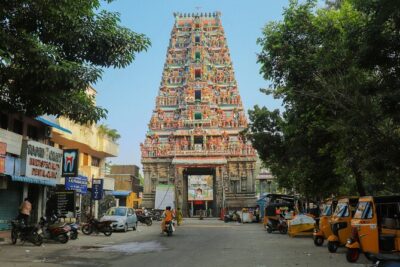
- Starting at Sri Mutthu Mari Amman Temple: A Multicultural First Page
- Fruit and Vegetable Stalls That Tell You How People Live
- King George Drive and the Dry Fish Center: Work by the Sea
- Lellama Fish Market and Kothlawala Bridge Boat Views
- Dutch Fort Area, St. Stephen’s Church, and the Prison-Side View
- Negombo Lagoon, St. Mary’s Church, and the Snack Stop That Resets the Day
- Price and Value: What $14 Buys You (and What It Doesn’t)
- Timing Tips: Go Morning, Bring Sunscreen, Expect Heat
- Who This Tour Suits Best
- Should You Book This Negombo Heritage Walking Tour?
- FAQ
- How long is the Negombo Heritage Walking Tour?
- Where do I meet the guide?
- What’s included in the price?
- What languages are offered?
- What should I bring?
- Is there free cancellation?
- Do I need to arrange my start time?
Key Highlights You’ll Feel on the Streets
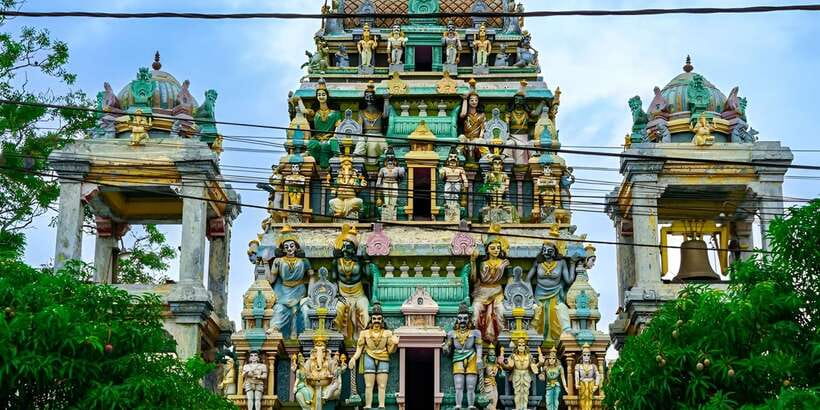
- Sri Mutthu Mari Amman Temple first, so the cultural story begins where locals begin their day
- Fruit and vegetable market stalls that turn “food” into a living geography lesson
- King George Drive by the Indian Ocean, with dry fish activity along the coast
- Lellama fish market and the boat views from Kothlawala Bridge for strong photo moments
- Old Dutch Fort area plus St. Stephen’s Church, where colonial history shows up in brick and layout
- Snack tasting with refreshments, plus tips from a Negombo-born guide
Why This 3-Hour Walk Works in Negombo
This tour is built for the way Negombo actually feels: close to the sea, busy with trade, and layered with cultures that overlap in real neighborhoods. At 3 hours, you get a full slice of the city without ending the day exhausted, the way a longer sightseeing loop can.
The route is also designed to let the city “explain itself.” You’re not just looking at buildings. You’re walking through the places where people buy food, process fish, pray, and take daily life seriously—even when it’s hot and the day is moving fast.
Value matters here too. For about $14 per person, you’re paying mostly for time on the ground plus a guide who can connect dots: why certain roads exist, what trade means for the port area, and how different faiths share space in the city.
Starting at Sri Mutthu Mari Amman Temple: A Multicultural First Page
You meet the guide in front of the Hindu temple on Sea Street, so you begin with a landmark that locals use as a reference point. Starting here is smart. It sets a tone that’s less touristy and more grounded.
From the start, you’ll feel the contrast between the calm of a place of worship and the momentum of the streets around it. That matters in Negombo, because the city’s story isn’t linear. It’s a stack. Temple life, ocean work, market shopping, and colonial-era structures all sit next to each other in the same walking radius.
Also, this is where the guide’s job starts: pointing out what you’re seeing and giving quick context as you go. Guides in recent runs (including Shashi) are specifically praised for explaining what things mean instead of just naming them.
Fruit and Vegetable Stalls That Tell You How People Live
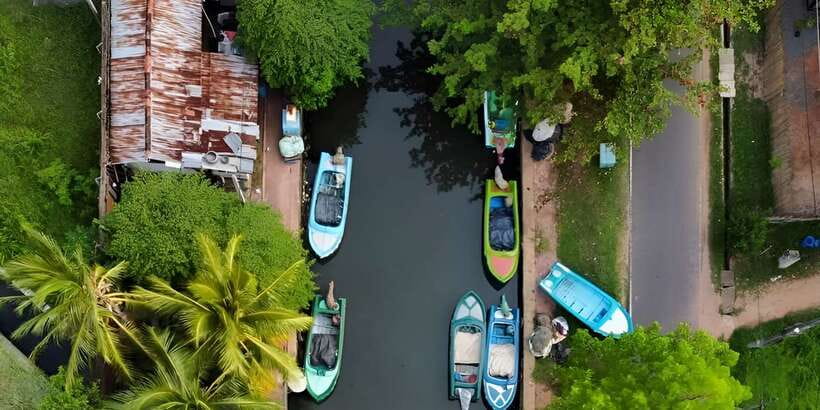
The walk quickly swings into a local vegetable and fruits market. This is where Negombo stops being a “place with sights” and turns into a place with routines.
What I like about this kind of stop: you can learn without needing a museum brain. Vendors lay out produce in practical ways. You see what locals buy. And even if you can’t read every sign, you can pick up the rhythms—who buys what, what’s in season, and how busy the exchange is.
If you’re a foodie, this part pays off later. You’ll be more alert to spices, cooking styles, and the way market shopping connects directly to what you’ll taste when snacks come around.
King George Drive and the Dry Fish Center: Work by the Sea
Next comes King George Drive, named after King George’s visit to Negombo. The road runs parallel to the Indian Ocean, so the setting is part of the lesson. You’re walking alongside the coast, with a real sense of how water and work shape the city.
This is also the segment built around smell—yes, really. You’ll head toward the dry fish center and you’ll pass through the processing area. Expect that unmistakable fish-drying scent. It’s not a problem; it’s just part of the lived reality of a fishing town.
Why it’s worth it: it gives you context before you enter the fish market. Instead of seeing fish as a finished product, you’re seeing the industry stage that turns fresh catch into something people can store, buy, and cook later.
A tip if you’re sensitive: keep moving and pace yourself through this stretch. Don’t fight it. Treat it like an honest “this is the source” moment.
Lellama Fish Market and Kothlawala Bridge Boat Views
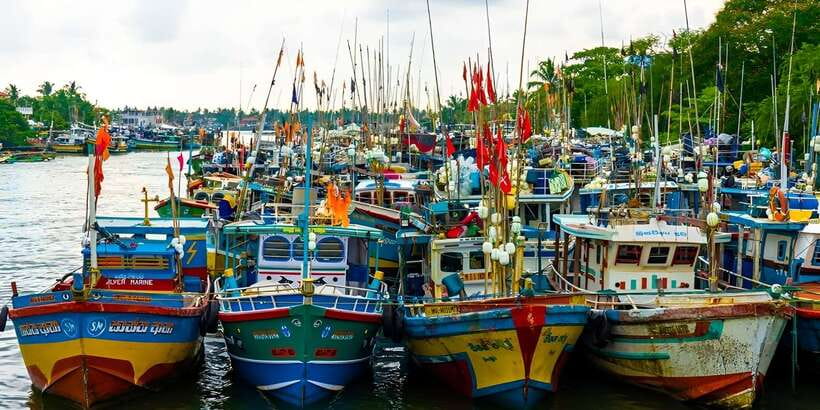
When you reach the fish market (Lellama), the tour shifts from processing to commerce. This is where the energy gets sharper: sellers, buyers, and the visual intensity of port trading.
The guide’s explanations matter most here. Fish markets can feel chaotic if you don’t know what to look for. With a guide, you start noticing things like the flow of goods, how people bargain, and how the port economy keeps the city running.
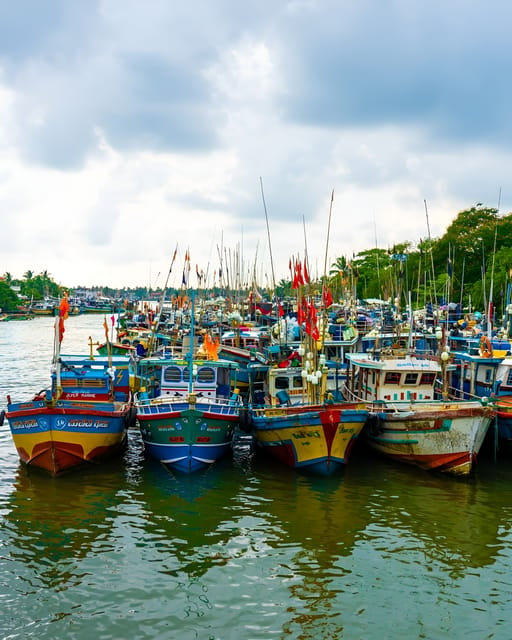
Right after that, you’ll pass by Kothlawala Bridge, a good spot for photos of fishing boats. This is one of those moments where the tour gives you both meaning and a decent picture. The bridge also helps you understand the geography—how the fishing area links back into the rest of Negombo.
If you’re the type who likes a good photo, this is your green light moment. Bring your phone camera ready, but don’t stand in the way of anyone working.
Dutch Fort Area, St. Stephen’s Church, and the Prison-Side View
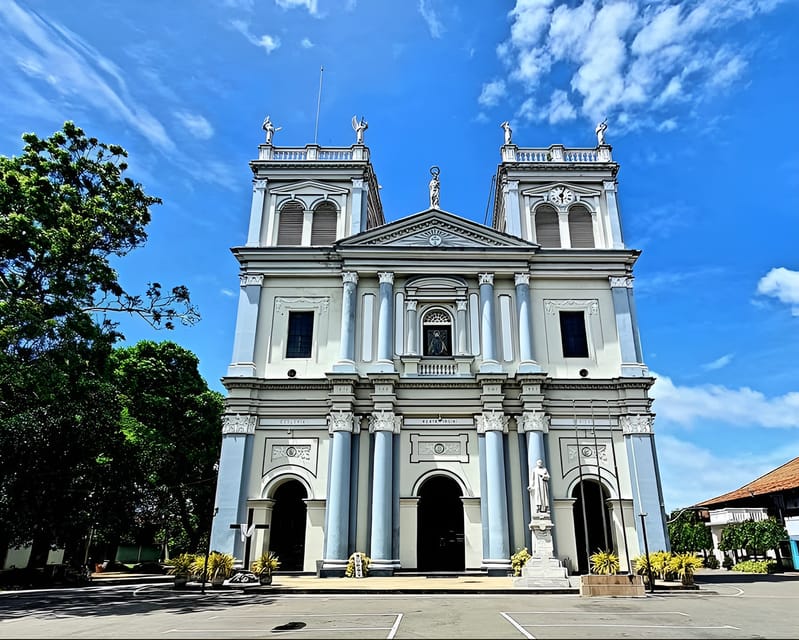
After the market and bridge segment, you’ll move into the older, more “historical architecture” part of the tour. This includes the Old Negombo Dutch Fort and nearby St. Stephen’s Church.
What I like about this portion: it doesn’t feel like a distant history lesson. It feels like a functional chunk of the city. Forts aren’t built for decoration; they’re built for control, defense, and logistics. Seeing that layout in person helps you grasp why Negombo mattered to outsiders.
You’ll also pass by an area near a prison before reaching the Dutch fort area. That kind of detail gives you a sharper sense of how colonial power was structured. Even if you don’t go inside anywhere, just seeing the setting around the fort area helps you connect history to place.
Negombo Lagoon, St. Mary’s Church, and the Snack Stop That Resets the Day
The tour continues toward the Negombo Lagoon, adding a change of pace. A lagoon stop helps balance what you’ve already seen: fish trade, markets, and the tight streets of the port zone. Here, the city opens up a little visually.
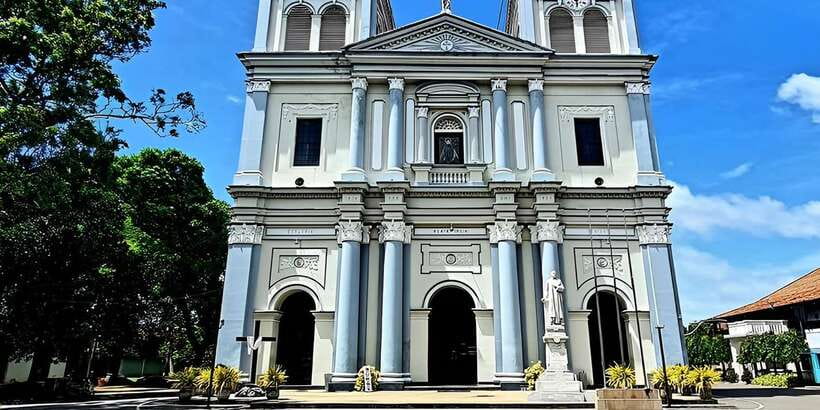
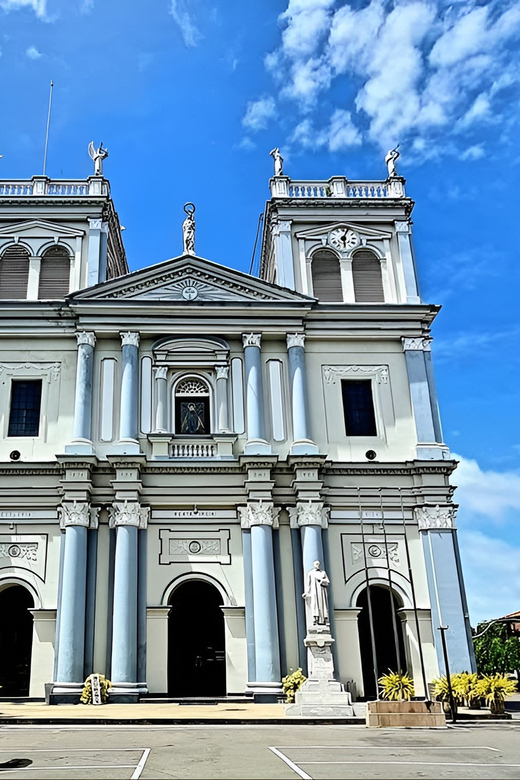
Then you’ll reach St. Mary’s Church. This is where Negombo’s Catholic presence becomes part of your walking route, making the city feel genuinely multi-faith. St. Mary’s also tends to bring a more reflective mood after the energetic market scenes.
And yes, there’s a snack break built in. You can grab quick Sri Lankan spicy snacks or sweets, plus refreshments and a snack tasting menu that’s listed as included. In recent experiences, some guides have been praised for offering free snacks and making the tasting feel easy and friendly.
One caution: if you’re expecting the snack stop to be fully consistent, keep expectations realistic. There’s at least one reported instance where refreshments didn’t match the advertised plan, so it’s smart to ask early in the walk what’s included in your session and when.
Price and Value: What $14 Buys You (and What It Doesn’t)
At $14 per person for 3 hours, you’re paying for:
- An English-speaking live guide (with English/Hindi support depending on the group)
- A guided route through multiple key areas
- Refreshments and snack tasting
- Time where someone translates what you’re seeing into context
What you’re not paying for is luxury. This is street-level walking. You should go in expecting real sidewalks, sun, and a city that doesn’t slow down for your schedule. That’s the point, really. The value is the explanation and the order of stops.
If you’re the kind of traveler who likes “walk and learn,” this tour makes sense. If you want a private driver, museum tickets, or slow culture at a comfortable pace, you might prefer a different style of tour.
Timing Tips: Go Morning, Bring Sunscreen, Expect Heat
Negombo can be hot enough that you’ll feel it by late morning. One practical tip from past experiences: starting earlier helps a lot. By around 12:00, the heat can make the walking feel tough for people who struggle with sun and walking.
So plan around that. If your tour option allows it, pick the morning slot and treat the first part of the tour like your warm-up. You’ll already be walking near the market and the port area, where shade can be limited.
You’re also told to bring sunglasses and sunscreen. I agree. This isn’t optional comfort gear; it’s basic protection.
And wear breathable clothes. You’ll be doing a steady walk, and the route includes areas where you might be standing for short photo moments—like near the bridge.
Who This Tour Suits Best
This is a strong fit if you:
- Want an easy way to understand Negombo as a multi-cultural port city
- Like markets and daily life more than only temples and churches
- Appreciate guides who explain food, spices, and traditions in everyday language (Shashi gets called out for exactly that)
- Are okay with street noise, real port activity, and the smell of dry fish being part of the experience
It may be less ideal if you:
- Need fully predictable comfort stops or extended indoor time
- Have very limited heat tolerance
- Have a strict timeline and can’t handle a possible guide delay on the day due to unforeseen guide changes
Should You Book This Negombo Heritage Walking Tour?
If you want a practical introduction to Negombo that’s more than a quick photo sweep, I’d say this is worth booking. The route works because it connects places you’d otherwise experience separately: temple start, market life, port trade, old Dutch architecture, Catholic church presence, and lagoon scenery.
Go in the morning if you can, bring sunscreen and sunglasses, and treat snacks as a bonus rather than the entire event. If you’re lucky enough to get a guide like Shashi, you’ll likely come away with a clearer sense of how the city runs—what people buy, how fishing trade shapes the coast, and why the historic sites feel like part of today, not just the past.
FAQ
How long is the Negombo Heritage Walking Tour?
The tour lasts 3 hours.
Where do I meet the guide?
Meet your guide in front of the Hindu Temple (Sri Mutthu Mari Amman Temple).
What’s included in the price?
It includes an English-speaking live guide and a refreshments and snack tasting menu.
What languages are offered?
The tour offers a live guide in English and Hindi.
What should I bring?
Bring sunglasses and sunscreen.
Is there free cancellation?
Yes, you can cancel up to 24 hours in advance for a full refund.
Do I need to arrange my start time?
After you book, you’re asked to get in touch to arrange a convenient start time.