REVIEW · AGRA
Agra Heritage & Cultural Walk
Book on Viator →Operated by TOP TRAVEL AND TOURS PVT LTD. · Bookable on Viator
Agra teaches you fast, in small steps. This 3-hour evening heritage walk strings together Mughal landmarks, old bazaars, and temple stops, then ends at a Taj Mahal photo viewpoint. You’ll move by a mix of electric rickshaw and short transfers so the day stays comfortable, even when streets get busy.
I love how the guide turns each stop into context you can actually use. Agra Fort Railway Station’s Mughal-style façade and Shahi Jama Masjid’s origin story help you connect architecture to power, faith, and family—without needing a textbook. I also like the food-and-culture moments that feel lived-in, from a generations-old poori stall to the paan betel-leaf world of auctions and rituals.
One possible drawback: this walk includes several market-style stops, so it’s not a pure monuments-only route. If you want maximum time staring at stone, you might find the shopping streets take more attention than you expected, and a small number of reviews have complained about spending time in shops rather than focusing on sights.
In This Review
- Key things I’d watch for
- Golden-hour Agra: why this walk makes sense
- Price and what you actually get for $89
- Getting to Agra Fort Railway Station the right way
- Jama Masjid: the mosque stop that teaches more than it looks
- Chimman Lal Poori Wale: where the tour earns its street-food credentials
- Paan culture and the betel-leaf auction world
- Mankameshwar Mandir: Shiva devotion with silver on the shivlinga
- Radha Mohan temple balcony: the architecture detail you’ll remember
- Rawatpara spice market: a Mughal-era idea of supply chains
- Lohar Gali and its bangles: a street you can shop without getting lost
- Gyarah Sidi and Humayun’s observatory remains
- Taj view point: getting great photos without overpromising
- How the guide can make or break your experience
- A note on service hiccups you should know about
- Who should book this walk
- Who might want to choose differently
- Should you book Agra Heritage & Cultural Walk?
- FAQ
- What’s the duration of the Agra Heritage & Cultural Walk?
- How much does it cost?
- What’s included in the price?
- Is Taj Mahal entrance included?
- How does pickup work?
- Is this a private tour?
- When does the tour run?
Key things I’d watch for
- Evening timing: Summer runs 5–7 pm; winter runs 4–6 pm, which keeps the walk cooler and suits photos.
- Private group setup: It’s private for your group, not a mixed big crowd experience.
- Temple + bazaar balance: Expect religion stops next to street food, spices, and crafts.
- Food tasting is included: You’re not just walking past snacks—you get to try something along the way.
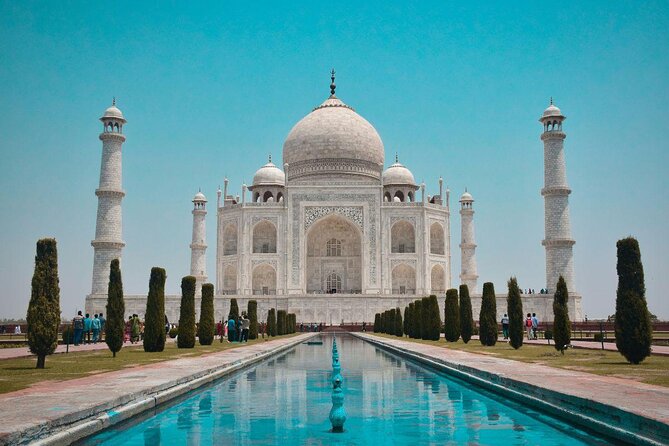
- Taj Mahal ending is view-based: The tour finishes at Taj view point, and monument entrance fees aren’t included.
- Pickup limits: Pickup and drop are for Agra city hotels only; outside-area pickups cost extra.
Golden-hour Agra: why this walk makes sense

Agra is one of those cities where light changes everything. Doing this heritage walk in the evening gives you softer street shadows, easier walking comfort, and usually better city-photo conditions. It also means you’ll see the bazaar life without the harsh midday heat.
The other smart choice is pacing. You’re not doing a long marathon on foot. You start with rickshaw movement, then do short stop-and-look sections, and you finish with a scenic viewpoint—so you get variety without burning out.
You can also read our reviews of more tours and experiences in Agra.

Price and what you actually get for $89
At $89 per person, the value hinges on what’s included versus what you’d otherwise pay on your own. This tour covers guide time, pickup and drop within Agra city hotels, two bottled waters, a rickshaw ride, food tasting, and taxes. That’s a lot of practical costs bundled together, especially if you’re staying in a hotel and want someone to handle logistics.
Where you should plan ahead: monument entrance fees are not included. That matters most at the end, where you’re headed to Taj Mahal viewpoint rather than guaranteed entry. If you’re the kind of person who wants to step inside key sites, you’ll need to budget extra or align your day with separate ticket plans.
Getting to Agra Fort Railway Station the right way
The tour starts at Agra Fort Railway Station, an area that sets the tone immediately. The station’s red-and-white Mughal-influenced façade is one of the quickest ways to understand Agra’s architecture, even before you reach the big monuments.
You’ll also get a sense of how real daily life moves here. This is not a dead postcard corner. It’s a working transit hub, so the atmosphere feels grounded and immediate.
A small timing note: your first stop is short (about 20 minutes). Use it like a starter kit: take one wide look at the façade, then one close look at arches and details. You’ll thank yourself later when you connect those patterns to other Mughal-era structures.
Jama Masjid: the mosque stop that teaches more than it looks
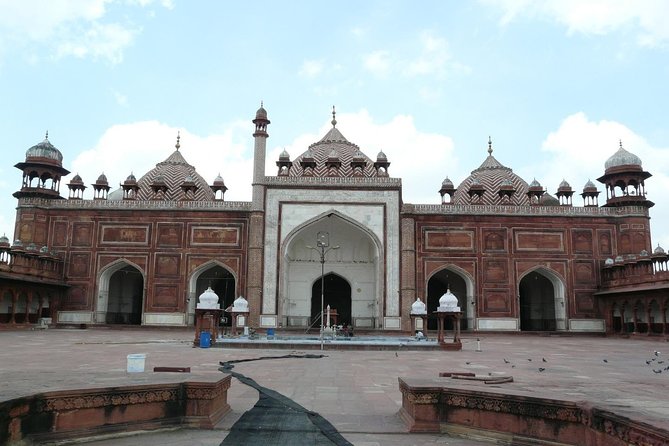
From the fort station area, you transfer by electric rickshaw to the old bazaar, and the first major spiritual landmark arrives fast: Shahi Jama Masjid. It’s described as a mosque built by Shah Jahan in dedication to his daughter Jahanara Begum.
What I like about this stop is that it frames the mosque as family and legacy, not just a building. Mughal architecture often carries messages—status, devotion, and power—and you start seeing that theme repeat across Agra.
The stop is also short, so manage your expectations. You’ll likely do an exterior focus and a quick interior look depending on what’s possible at that moment. If you’re hoping for a slow, unhurried hour, this isn’t that kind of tour.
Chimman Lal Poori Wale: where the tour earns its street-food credentials
Next up is Chimmanlal Poori Wale, a shop that’s been around for about 180 years and is run by the same family across generations. It’s known as a favorite for people coming out of Agra Fort railway station, which makes it feel connected to the flow of the neighborhood.
This is one of the best parts of the walk because it’s not staged. Food stalls like this survive for a reason: regular demand and consistent quality. The tour includes food tasting, and this is where it fits naturally.
Tip for your visit: keep it light. You’re going to have several more stops, and street food is delicious partly because it’s quick. If you load up on heavy items, you might feel it later during temples and viewpoint time.
Paan culture and the betel-leaf auction world
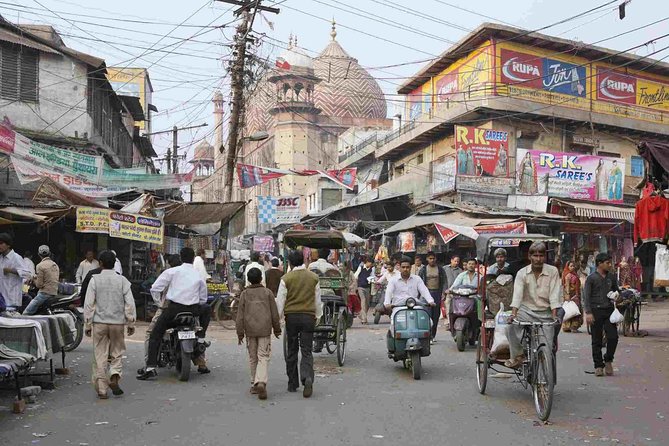
Then you step into a very specific Agra tradition: a betel leaf (paan) shop experience. You’ll learn what paan is—betel leaf combined with areca nut—and that it’s traditionally chewed for stimulating effects.
The old bazaar also has a history of paan leave auctions dating back to Mughal times. Even if you don’t chew paan yourself, the auction concept helps explain how trade worked here. It’s not just buying; it’s bargaining, selecting, and showing preferences.
One practical consideration: paan is strongly flavored. If you’re sensitive to spicy or intensely aromatic tastes, you may want to take the sample and then decide whether to continue.
Mankameshwar Mandir: Shiva devotion with silver on the shivlinga
The tour moves from street commerce into sacred space at Shri Mankameshwar Mandir, described as one of the most ancient temples devoted to Lord Shiva. The shivlinga is said to be covered by silver metal, and the temple’s tradition claims it was founded by Shiva himself. You’ll also hear about 21 akhand jyoti lights being lit every day.
This is a great stop if you want to see how religion shows up in daily rhythm, not just on special sightseeing days. The key is to watch how people behave: what they carry, how they approach, and how they show respect. Those patterns tell you more than any single detail.
Like the other stops, your time is brief. Use the moment for a respectful look at the shivlinga setting and the lighting area, then let your guide connect it to the broader Agra story.
Radha Mohan temple balcony: the architecture detail you’ll remember
Another temple stop follows: Radha Mohan temple, known for an ornate musician’s balcony. This balcony is attributed to Mohan lal, built in 1880.
If you like architecture details, this is where the walk rewards your attention. You may not spend time in-depth like a museum visit, but carved balconies and structural design usually leave a lasting impression. It’s also a reminder that temple culture in Agra isn’t stuck in one era; it keeps getting refined over time.
Quick advice: bring your phone camera, but also pause and look with your eyes first. Balcony details can be hard to capture cleanly from the exact spot you’re standing.
Rawatpara spice market: a Mughal-era idea of supply chains
Then comes Rawatpara spice market, described as around 400 years old. The story you’ll hear is that Mughal emperors set it up to meet the spice needs of the fort.
This is more than shopping. It’s a window into how empires fed themselves—literally. Spices aren’t just flavors here; they are economy, preservation, and status. Even a short visit helps you understand why Agra built trading infrastructure close to power.
If you plan to buy spices or packaged blends, do it with your guide’s help. You’ll likely get better sense of what’s locally favored versus what’s simply marketed as authentic.
Lohar Gali and its bangles: a street you can shop without getting lost
The tour continues to Lohar Gali, a street lined with vendors and known especially for bangles. The walk portion ends after this area, and you head back toward the parking spot by rickshaws.
This is an enjoyable stop because it’s colorful and tactile. You can browse slowly, ask about materials and styles, and see how everyday fashion fits into the broader craft economy.
A practical tip: if you’re shopping for bangles, ask for a price range early. It prevents sticker-shock later and keeps your time relaxed rather than stressful.
Gyarah Sidi and Humayun’s observatory remains
From the parking area, you shift to cars for Gyarah Sidi (eleven steps). Here you’ll see remains connected to Humayun’s astrological observatory.
I like this stop because it adds a scientific and administrative layer to the day. Agra is often reduced to Taj Mahal and romance. This reminds you that rulers also planned for astronomy, timekeeping, and state knowledge.
Time is short, so aim for two things: one good view of the remains from the spot you’re allowed, and one quick mental connection between this and the Mughal habit of combining art, governance, and learning.
Taj view point: getting great photos without overpromising
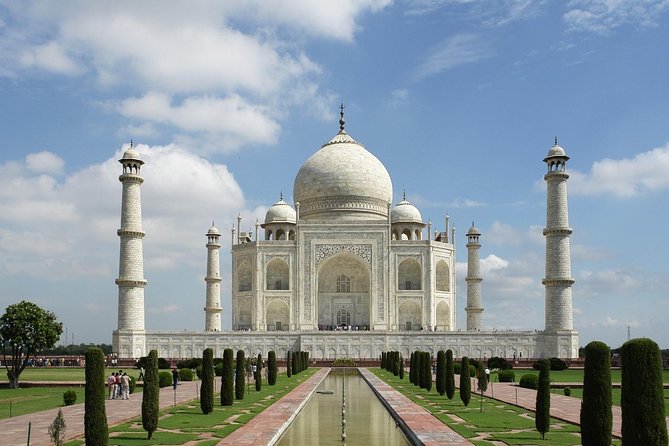
The tour ends at Taj view point, one of the best vantage spots in the city to see and photograph the Taj Mahal. This is where the evening payoff happens.
A key expectation: the tour description doesn’t promise Taj Mahal monument entry tickets. It’s a viewpoint experience. So if you want inside access, you’ll need separate planning and budget for entrance fees.
Photo tip that actually helps: arrive with one plan for angles. Take one wide shot first to capture the overall shape, then switch to closer framing for the dome and minarets. Evening light can soften contrast, so a second photo with slightly different zoom position often turns out better.
How the guide can make or break your experience
This tour format works best when your guide connects the dots. Reviews for this provider highlight that guides can be professional with history introductions and organized with the driver team. Names that show up in praise include Rajinder Dhar (in a response message), and several guests specifically mention organizers like Lalit and Anuj, plus a tour guide referred to as 瑞達 (Ruida).
You don’t need a memorized timeline. You need a guide who can point out what matters in each stop: why that mosque was built, why spice markets were placed where they were, and what the observatory remains mean for the bigger story of empire.
So when you book, look for that vibe in how the operator communicates. A clear, organized team matters a lot more on a short 3-hour schedule than fancy promises.
A note on service hiccups you should know about
Most feedback is positive about organization and professionalism, including praise for professional driver-and-guide setups and stress-free routing. Still, it’s smart to be aware of the negative side too: a couple of reviews criticized service quality, including claims about a very dirty vehicle, and said too much time was spent in shops on an Agra day tour.
I can’t say those issues apply to every departure. But the lesson is clear: arrive with realistic expectations about shopping stops, and be ready to ask your guide to keep you on track for the main sights you care about.
If cleanliness is a high priority for you, ask the operator what vehicle you’ll use and when the timing will be tightest.
Who should book this walk
You’ll like this tour most if you want Agra in human scale: monuments, yes, but also the bazaars that feed the city and the temples that shape daily life. It’s a strong fit for couples, solo travelers, and anyone who enjoys short, guided stops where you learn something and move on.
It’s also a good option if you’re staying in Agra city hotels and want pickup/drop handled without negotiating taxi routes.
Who might want to choose differently
If your main goal is Taj Mahal ticket access and long monument time, this may feel too short and too market-heavy. The walk is designed to cover many themes: Mughal sites, street food, paan culture, temples, spice trade, crafts, and then a Taj viewpoint finish.
If you dislike shopping environments or you get impatient when stalls appear as part of the cultural lesson, this might test your patience.
Should you book Agra Heritage & Cultural Walk?
I’d book it if you want a smart evening loop that gives you context fast: Mughal architecture starting at Agra Fort Railway Station, a story-rich mosque stop at Shahi Jama Masjid, a real-food moment at Chimman Lal Poori Wale, and temple stops that add depth beyond the Taj. The $89 price makes sense because you get a guide, rickshaw movement, water, food tasting, and taxes handled.
I’d skip or pair it with your own planning if Taj entry inside the monument is your top priority. Since you end at Taj view point and entrance fees aren’t included, you may need a separate Taj plan to get the full experience you’re imagining.
FAQ
What’s the duration of the Agra Heritage & Cultural Walk?
It’s about 3 hours (approx.).
How much does it cost?
The price is $89.00 per person.
What’s included in the price?
Pickup and drop from Agra city hotels, a guide throughout, 2 mineral water bottles per person, a rickshaw ride, food tasting, and applicable taxes.
Is Taj Mahal entrance included?
No. Entrance fees for monuments, if any, are not included, and the day ends at Taj view point.
How does pickup work?
Pickup and drop are only for hotels within Agra city. If you’re outside that area, including airport or railway station, there may be an additional charge paid directly.
Is this a private tour?
Yes. It’s private for your group, not shared with other groups.
When does the tour run?
In summer it runs 5–7 pm, and in winter it runs 4–6 pm.


![[One-day bus tour departing from Kanazawa Station] Shirakawa-go and Gokayama - Two World Heritage Villages Enjoyable Bus Tour - Stop 1: Michi-no-Eki Shirakawago roadside station (short, useful, not rushed)](https://l.myfavoritehistorytour.com/wp-content/uploads/one-day-bus-tour-departing-from-kanazawa-station-shirakawa-go-and-gokayama-two-world-heritage-villages-enjoyable-bus-tour-400x267.jpg)