REVIEW · AMRITSAR
Amritsar Heritage Walk: “Back in Time”
Book on GetYourGuide →Operated by WalkandExplore · Bookable on GetYourGuide
Old streets in Amritsar still whisper stories. This heritage walk links Partition-era context with major stops like Jallianwala Bagh, guided by someone who helps you read the city as you walk.
I love the multilingual storytelling options in Hindi, English, and Punjabi, plus the fact that you actually get into narrow old alleys rather than just seeing the big landmarks from the street.
One thing to plan around: monument entrance fees aren’t included, and because it’s a walking route, weather can change how fast you move.
In This Review
- Quick Take: What Makes This Walk Worth Your Time
- Getting Your Bearings at the Partition Museum Start
- From Heritage Streets to Everyday Punjab Life
- Jallianwala Bagh: The Independence Flame in One Square
- Narrow Alleys Toward Baba Bohar: Where the City Feels Small
- An Ancient Hindu Temple and Its Fresco Walls
- A 150-Year Workshop of the Early Industrial Revolution
- Little Jaipur, an Ashram Visit, and Architectural Details
- Market Time: Guru Bazaar, Kathia Bazaar, and Maisewan Bazaar
- The Pace: About Two Hours of Walking With 8–10 Stops
- Price and Logistics: Is $18 Per Person Fair Value?
- Who This Tour Suits Best (And Who Might Feel Frustrated)
- Final Verdict: Should You Book Amritsar Heritage Walk Back in Time?
- FAQ
- FAQ
- Where does the tour start?
- What languages are offered during the walk?
- Does the tour include Jallianwala Bagh?
- Are monument entrance fees included in the price?
- What can I expect at the markets?
- Can I pay later or cancel for a refund?
Quick Take: What Makes This Walk Worth Your Time
- A start with meaning: You begin outside the Partition Museum to understand 1947 before you hit the sacred and historic sites.
- Jallianwala Bagh, handled respectfully: Expect a solemn visit tied to the 1919 events and their lasting impact.
- Old-city lanes plus the Baba Bohar area: The walk pushes into tighter streets where daily life feels close and real.
- Temple frescos and a long-ago craft feel: You’ll see an ancient Hindu temple with wall frescos, plus other historical stops.
- Markets with practical shopping vibes: Guru Bazaar, Kathia Bazaar, and Maisewan Bazaar show crafts, jewelry, spices, and local treats—along with bargaining tips.
Getting Your Bearings at the Partition Museum Start
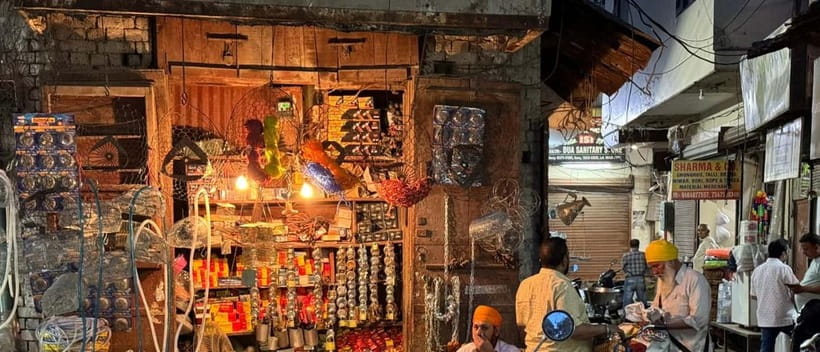
This tour starts outside the Partition Museum. That first step matters more than it sounds. Amritsar is a city of faith and food and markets, yes—but 1947 sits underneath a lot of what you’ll see. When you begin with the impact of the Partition on families, you’re primed to understand why certain places feel so heavy and why others feel like stubborn survival.
If you’re short on time, this opening also does something smart: it gives you a frame. Instead of bouncing from one sight to the next, you’re learning how the city’s modern identity grew out of trauma, movement, and memory. A good guide will connect the dots in plain language, so the rest of the walk doesn’t feel like a random checklist.
You can also read our reviews of more tours and experiences in Amritsar.


From Heritage Streets to Everyday Punjab Life
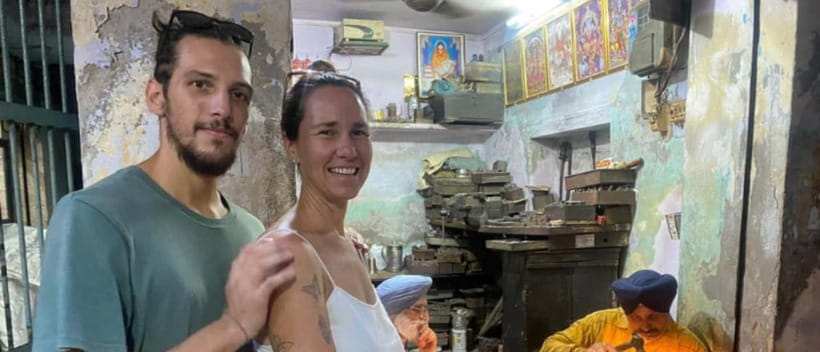
After the museum-area start, you move into Amritsar’s older streets and local neighborhoods. This is where the tour earns its keep. The goal isn’t only monuments. You’ll hear about the history of Punjab and how daily life works—religion, architecture influences, and small details that you’d normally miss while trying to navigate on your own.
The best part here is the guide’s conversation style. In the feedback for this walk, Hardik is repeatedly praised for keeping people engaged with trivia, architectural observations, and clear explanations. Even if history isn’t your main interest, this part helps you recognize the logic of what you see: why shops are where they are, why buildings look the way they do, and how different communities share space.
Jallianwala Bagh: The Independence Flame in One Square
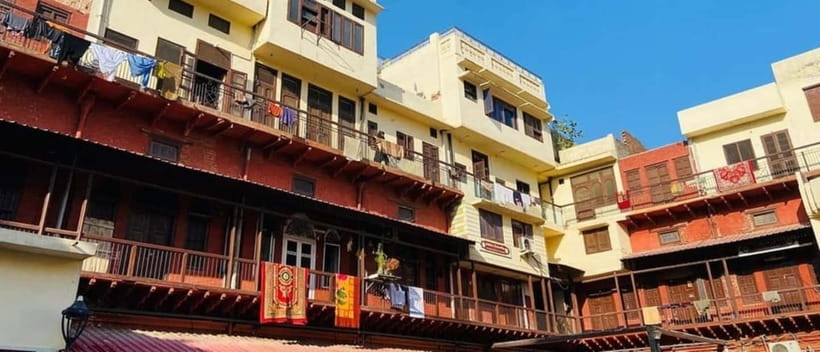
Jallianwala Bagh is the emotional centerpiece. You’re visiting a memorial tied to the tragic 1919 events, a place that sparks conversations about independence, bravery, and resilience. This isn’t a quick photo stop. The tone is meant to be reflective.
Here’s how to approach it well. Go in ready to slow down. Read what you’re shown, listen to the story you’re given, and treat the space with the seriousness it deserves. If you’re the type who wants to fully understand context—dates, consequences, human stories—this is a strong match.
Also note the practical angle: entrance fees to monuments aren’t included, and camera charges inside monuments may apply. So if you’re planning to take lots of photos inside, budget a little extra and be prepared for on-site rules.
Narrow Alleys Toward Baba Bohar: Where the City Feels Small
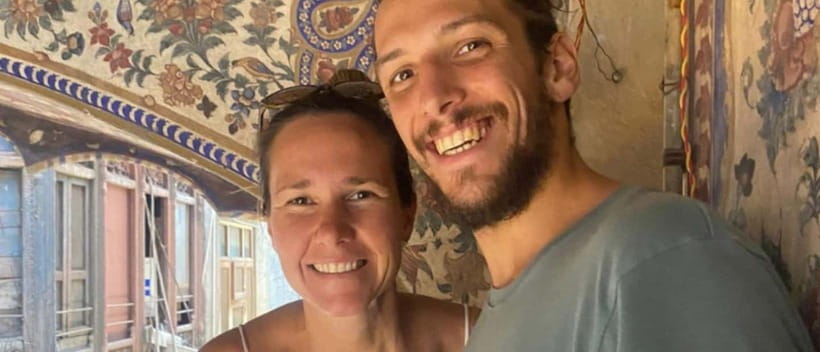
One of the most distinctive parts of this walk is how much it uses narrow old lanes. You’re not just strolling past a few sites. You’re walking into tighter corridors toward the Baba Bohar area, where the city compresses in a way that makes sense of everyday Amritsar.
This matters because street layout is culture. Narrow alleys often mean older trade routes, community gathering spaces, and buildings that evolved over generations. With a guide, you get the point of those twists instead of just feeling mildly confused (which, let’s be honest, is easy to do in a busy old city).
This is also where the tour leans into more than sightseeing. You’ll hear stories and see sacred spots up close—small scale, close walls, and details that usually slip by if you don’t have directions and context.
An Ancient Hindu Temple and Its Fresco Walls

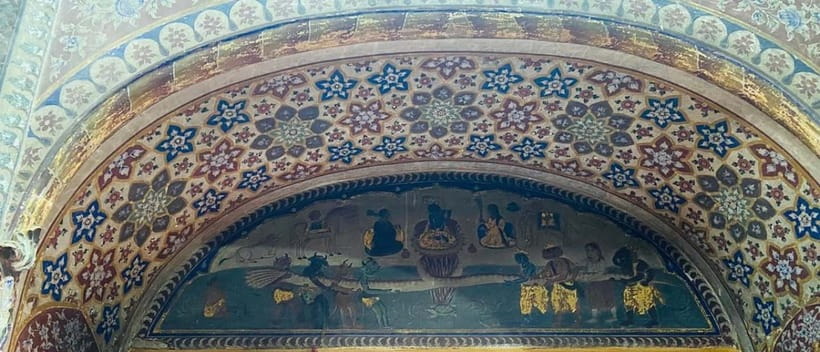
The tour includes a visit to an ancient Hindu temple. The standout detail here is the fresco artwork you can see on the walls. That single moment changes the feel of the tour from historical facts to lived artistry.
Frescos are the kind of thing you can walk right past without knowing what to look for. A guide helps you slow down long enough to notice how painted scenes interact with the architecture around them. Even if you don’t know the symbolism, seeing the art in context gives you a deeper sense of how the space has been used and respected over time.
One practical tip: temples can have dress expectations and rules for inside spaces, even when a tour doesn’t spell them out in advance. Keep your shoulders and legs covered, move quietly, and follow whatever guidance your guide gives on-site.
A 150-Year Workshop of the Early Industrial Revolution
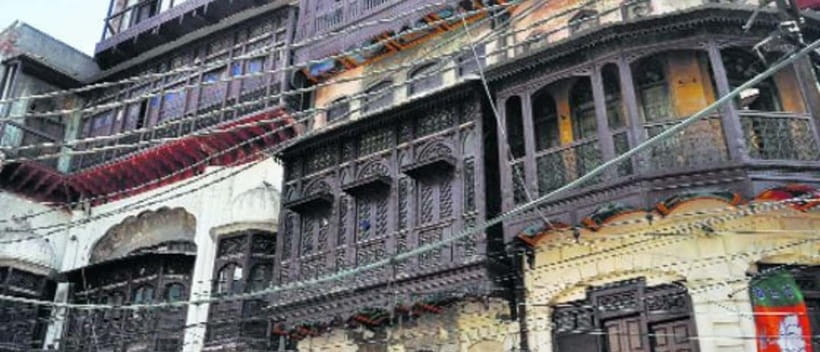
Another stop that adds real variety is the 150-year workshop linked to the early Industrial Revolution. This is where the tour gives you a contrast to the more traditional, sacred sites.
Why it’s worth your attention: it shows that Amritsar’s story isn’t only temples and independence-era memory. Cities also change through workshops, production, and skills passed hand-to-hand. A stop like this turns the tour into a layered timeline: religion, street life, industry-era threads, and the continuing importance of craft.
If you like understanding how people made things—how work shaped neighborhoods—this section tends to land well.
Little Jaipur, an Ashram Visit, and Architectural Details
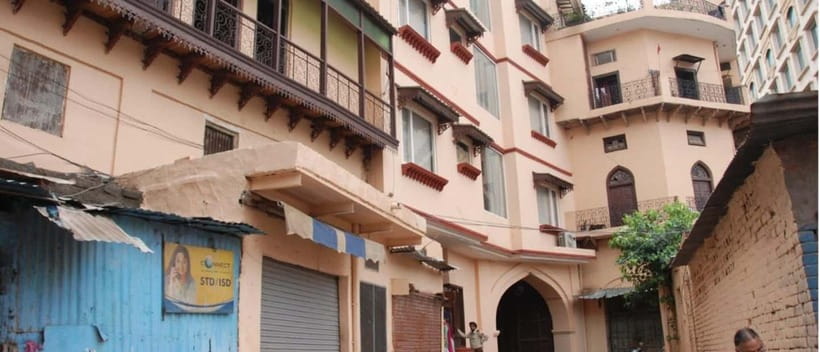
You’ll also visit places such as Little Jaipur and an ashram during the walk. The value of these stops is less about big-name fame and more about how they help you map cultural influences across Amritsar.
Look for two things as you go:
- Architecture and facade details your guide points out
- Daily-life cues like how spaces are used, not just how they look
One thing I especially liked in the feedback: guides don’t treat buildings like postcards. They explain influences and highlight what to notice, which is exactly how you stop feeling like you’re just walking to the next stop.
Market Time: Guru Bazaar, Kathia Bazaar, and Maisewan Bazaar
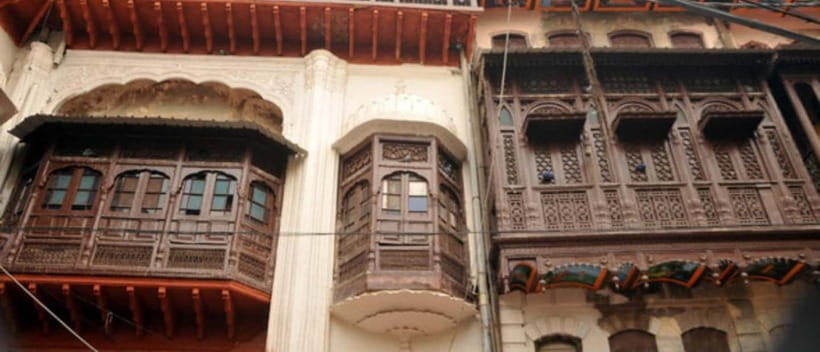
The market stretch is a highlight for most people on this route. You’ll visit Guru Bazaar, Kathia Bazaar, and Maisewan Bazaar—three lanes of trade where crafts, jewelry, spices, and local foods turn the walk into a sensory education.
Here’s what makes it more than shopping:
- You’ll get guidance on bargaining and saving money.
- You’ll likely interact with artisans and stall sellers.
- You’ll see how commerce supports everyday life, not just tourism.
Food shows up here too. In the experiences shared about this walk, people mention things like fresh jalebis and ordering local favorites such as kulcha at a street-level price. You shouldn’t expect the exact same options every day, but the tour is built to help you taste what locals actually buy and eat.
If you want gifts, this is also the part where your guide can be useful. One account notes that the guide helped a visitor find specific gift items without wasting time wandering blindly.
The Pace: About Two Hours of Walking With 8–10 Stops
A common duration mentioned is around two hours. That’s a nice sweet spot: long enough to cover 8 to 10 heritage and historic places, but short enough that you won’t feel wrecked after.
Because the route includes narrow streets and multiple sites, your comfort matters more than your endurance. Wear shoes you trust for uneven ground and plan for sun or rain. Weather can be a real factor—one participant described severe storms and the guide worked around the situation by keeping things flexible where possible.
Also, the tour is designed to guide you where you might not feel comfortable going alone. That’s especially helpful if you’re traveling solo.
Price and Logistics: Is $18 Per Person Fair Value?
At $18 per person, this walk is priced like a focused city experience rather than a big-ticket tour. What you’re really paying for is guide-led context plus access to the less obvious streets and sites.
Here’s how the value stacks up:
- Included: storytelling in Hindi, English, and Punjabi, plus practical tips for bargaining and saving money.
- Included: visits to major places like Jallianwala Bagh, an ancient Hindu temple with frescos, a 150-year workshop, and market areas.
- Not included: entrance fees to monuments and any camera charges inside monuments.
So yes, $18 is a good baseline, as long as you’re aware that you may need to handle monument entry fees separately. If your priority is understanding the city fast—without getting lost—this price makes sense for many visitors who only have one day to work with.
The tour also offers reserve & pay later, so you can lock in your spot without paying immediately. Cancellation is available up to 24 hours in advance for a full refund, which is helpful if your plans are shaky.
Who This Tour Suits Best (And Who Might Feel Frustrated)
This walk is a strong fit for you if you:
- Want history you can feel in the streets, not history recited from a distance
- Enjoy markets as much as monuments
- Like a guide who keeps the tone human—stories, trivia, and practical pointers
- Prefer a local voice in your preferred language (Hindi, English, or Punjabi)
It can also be a smart pick for solo travelers. One solo female traveler mentioned extra support on safety and communication, plus help when transport plans went wrong.
The only group that may struggle: people who hate walking or want a very fixed, minimal-stop route. The whole point is variety—temples, memorial space, lanes, craft/workshop elements, and markets.
Final Verdict: Should You Book Amritsar Heritage Walk Back in Time?
If you want Amritsar in one compact story arc, I’d book this. It connects Partition context, a solemn memorial stop at Jallianwala Bagh, and then shifts into temples, workshops, and market life. That mix is exactly how you get a real sense of the city’s layers without spending your entire day bouncing between distant points.
Skip it only if you strongly dislike walking, or if you’re trying to avoid any emotional memorial content. Otherwise, this is a solid value at $18, especially because the guide helps you notice details you’d normally miss.
And if your guide is someone like Hardik, you’re in good hands. Multiple accounts highlight his ability to answer questions, keep people engaged with fun historical facts, and steer guests safely through real back streets.
FAQ
FAQ
Where does the tour start?
The tour starts outside the Partition Museum.
What languages are offered during the walk?
Storytelling is available in Hindi, English, and Punjabi.
Does the tour include Jallianwala Bagh?
Yes. Jallianwala Bagh is included as a key stop on the route.
Are monument entrance fees included in the price?
No. Entrance fees to monuments are not included, and camera charges inside monuments may apply.
What can I expect at the markets?
You’ll visit Guru Bazaar, Kathia Bazaar, and Maisewan Bazaar, with time to see traditional crafts, jewelry, spices, and local foods, along with tips for bargaining.
Can I pay later or cancel for a refund?
You can reserve and pay later. You can cancel up to 24 hours in advance for a full refund.