REVIEW · AMRITSAR
Amritsar Heritage Walking Tour
Book on Viator →Operated by Walk and Explore · Bookable on Viator
A single walking loop can change how you see a city. This Amritsar Heritage Walking Tour strings together Partition-era memory, Sikh history, and everyday old-street life in a tight, easy route. I love the way the guide turns major events into clear street-level stories, and I like how the walk uses bylanes you’d likely miss on your own. The main thing to consider is that the group pace means you won’t get a private, ultra-deep history lecture at every stop.
You’ll get a friendly, talk-to-you guide experience, with guides speaking English, Hindi, and Punjabi. I also like the practical focus—hidden lanes, fun facts, and even tips for bargaining so you can save money while you’re out moving.
One drawback: it can feel like history in moments and fragments rather than a slow, academic unpacking of every topic. If you’re the type who wants every claim sourced and every detail pinned down, keep your expectations aligned with a storytelling walk.
In This Review
- Key highlights
- Why this Amritsar heritage walk is such a smart use of time
- Starting at the Town Hall Partition Museum: the story’s “why”
- The walk toward Saragarhi Memorial Gurudwara and what “service” means here
- Maharaja Ranjit Singh Statue: turning a name into a street scene
- Jallianwala Bagh memorial: the hardest stop, handled with purpose
- Udasin Akhara on Sangal Wala Road: faith that shows up in daily form
- Guru Bazar bylanes and Baba Bohar: the slow payoff toward Golden Temple
- Price and pace: what $16.66 really buys you
- Guides and the quality of the conversation (Prerit and Hardik)
- Who should book this tour, and who should rethink it
- Practical tips to make the most of your walking day
- Should you book the Amritsar Heritage Walking Tour?
- FAQ
- How long is the Amritsar Heritage Walking Tour?
- Where does the tour start and where does it end?
- What is the price per person?
- What’s included in the tour price?
- Are entry tickets included for the stops?
- Is the tour ticket mobile?
- How large is the group?
- Can most travelers participate?
- Is free cancellation available?
Key highlights
- World’s first Partition Museum start in the Town Hall building, setting the tone for what follows
- Saragarhi Memorial Gurudwara stop honoring 21 Sikh soldiers
- Jallianwala Bagh memorial visit focused on the date 13 April 1919 and Baisakhi eve context
- Udasin Akhara on Sangal Wala Road showing how akharas fit into Amritsar’s spiritual texture
- Guru Bazar bylanes to Baba Bohar—a slow, sensory way toward the Golden Temple area
- A small group cap (20) with a guide who can answer questions along the way
Why this Amritsar heritage walk is such a smart use of time
Amritsar can hit you in layers: faith, food, grief, and pride, all in the same streets. This tour is designed to help you hold those layers without getting lost. You cover a set of meaningful places on foot, then you end near the Golden Temple area, where the city’s atmosphere is the payoff.
For me, the best part is that it’s not only about famous landmarks. You’re also guided through the old lanes and local streets that shape daily life. That matters because Amritsar isn’t meant to be understood from big monuments alone.
And yes, it’s a group tour. That’s a plus for energy—people ask questions, the guide keeps the pace moving, and you don’t have to figure out route logic. Just know the flip side: you’ll share the day’s rhythm, so it’s best if you’re flexible with timing.
You can also read our reviews of more tours and experiences in Amritsar.

Starting at the Town Hall Partition Museum: the story’s “why”

The walk begins at the Partition Museum on Hall Road, inside the Town Hall area. This is an efficient choice because Partition is the historical hinge for modern South Asia—and the tour uses it to frame what you’ll see later.
You’ll spend about 10 minutes here, and you’ll learn that the 1947 Partition affected 18 million+ people. That number isn’t just trivia; it helps you grasp the scale before you walk toward other heavy memorial sites in the same general area.
One practical note: the Partition Museum admission ticket is not included. If you want the full experience without surprises, set aside the time and cost for entry.
The walk toward Saragarhi Memorial Gurudwara and what “service” means here
After the museum, you head toward the Saragarhi Memorial Gurudwara, dedicated to 21 Sikh soldiers who sacrificed their lives while serving in the British army. Even if you think you know the basic story, the meaning often lands differently when you see a place built specifically to remember that kind of sacrifice.
This part of the tour is also valuable because it shifts from national history to community memory. Sikh history here isn’t presented as a distant chapter—it’s anchored to a specific site and a specific act of devotion and service.
The tour timing suggests this is more of a guided transition than a long stop. That’s good if you like steady momentum, but it can be a little short if you want extended quiet time at each memorial.
Maharaja Ranjit Singh Statue: turning a name into a street scene
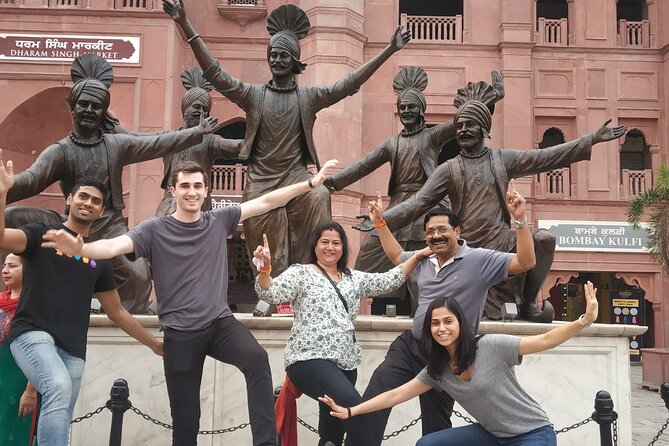
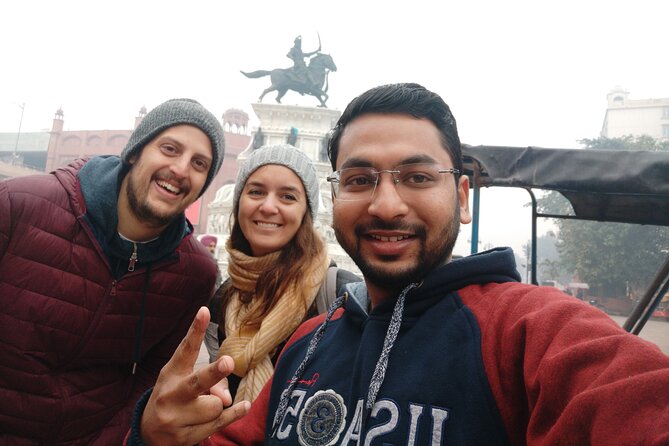
Next is the Maharaja Ranjit Singh statue stop, a quick visit of about 10 minutes. This isn’t a “stand and read a plaque” moment. The guide’s role is to connect Ranjit Singh with the Punjab Empire and explain why his legacy still shows up in Amritsar’s identity.
I like short stops like this when the guide is good—because you get the anchor figure without losing the rhythm of the walk. If you’re someone who enjoys context, you’ll likely appreciate the way the guide links art, power, and the city’s story.
Since the statue stop is brief, don’t expect a long stop for photos unless your guide builds extra time.
Jallianwala Bagh memorial: the hardest stop, handled with purpose
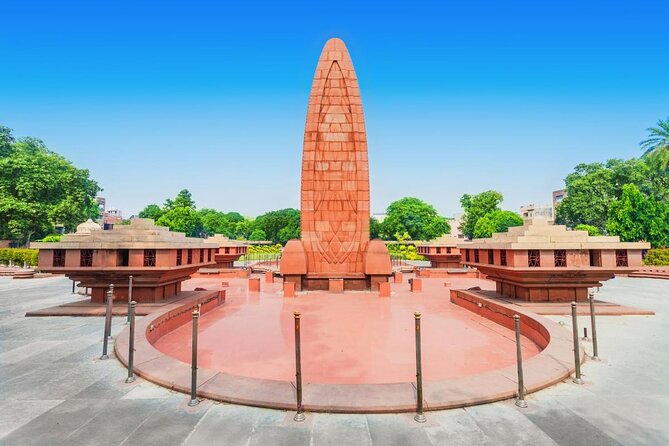
Then comes Jallianwala Bagh. This segment runs about 30 minutes, which is a decent amount of time for a place that carries heavy emotion.
You’ll visit the memorial and learn that the massacre occurred on 13 April 1919, on the festive eve of Baisakhi. That detail matters. It’s not just the date; it’s the cruelty of happening during a moment people associate with celebration.
As with the Partition Museum, admission isn’t included for this stop. If you want to avoid any last-minute scramble, plan to pay entry fees when you get there.
A small caution: this is emotionally serious ground. If you’re traveling with anyone who prefers to keep things lighter, it’s worth knowing this stop is part of the tour design—not an optional detour.
Udasin Akhara on Sangal Wala Road: faith that shows up in daily form
After the memorial, the mood shifts in an important way: you visit an akhara area—the Udasin Akhara on Sangal Wala Road. The tour keeps this around 20 minutes, and the focus is on what akharas mean in Amritsar.
This stop is one of the best examples of why a guided walking tour works. Without help, you might see buildings and ignore the systems of spiritual practice behind them. With the guide, the architecture becomes a clue.
I’ve seen the “ashram/akharas” type of stop get singled out as especially interesting, because it’s a less touristy angle on Sikh-related cultural life. It also gives your brain a break after the heavier memorial sites—while still staying within history and meaning.
Guru Bazar bylanes and Baba Bohar: the slow payoff toward Golden Temple
The longest stretch is around Guru Bazar, roughly 1 hour 30 minutes. This is where the tour stops feeling like a checklist and starts feeling like walking through Amritsar’s everyday memory.
You’ll move through old heritage streets and narrow alleys, and you’ll head toward Baba Bohar, described as a large old banyan tree in the middle of the city. Street trees like this aren’t just pretty. They’re meeting points, reference points, and living landmarks that make the city feel human.
The route also includes a “150-year” heritage stop, though the exact name isn’t fully spelled out in the tour outline you provided. Still, the intent is clear: you’re seeing age and continuity, not only new monuments.
Then, the tour ends near Sri Harmandir Sahib (Golden Temple) at Atta Mandi, with the meeting point described as outside the Golden Temple. That ending is smart. You finish where the city’s spiritual center naturally takes over your senses.
Price and pace: what $16.66 really buys you
At about $16.66 per person, the value comes from more than the low sticker price. You’re getting a trained storyteller-guide, access to 8–10 heritage/historic places, and help with navigating hidden lanes. Those things can easily cost more when you try to hire a guide separately or bounce between places using taxis every time.
Duration is around 2 hours 45 minutes. That length is perfect for a “first pass” day. You’ll see multiple anchors (Partition, memorial sites, Sikh history reference points) and still end with Golden Temple-area atmosphere, without eating up your whole day.
Because entry tickets for the Partition Museum and Jallianwala Bagh aren’t included, budget a little extra for those two fees. Other stops listed are free, which helps keep the total predictable.
Group size tops out at 20. That’s small enough to feel personal, and big enough that you’re not stuck with one quiet partner for the full walk.
Guides and the quality of the conversation (Prerit and Hardik)
The tour’s success rides heavily on the guide. In the feedback you shared, guides named Prerit and Hardik come up repeatedly, praised for being warm, punctual, organized, and able to communicate clearly in English. People also liked that the guides encouraged questions along the way, instead of treating the tour like a one-way lecture.
For solo travelers, safety and confidence matter. One review specifically noted feeling safe on the walk as a solo female traveler, which is worth taking seriously. If you’re nervous about wandering unfamiliar lanes in Amritsar, a guided route can be the difference between anxiety and calm.
One more practical point: the guide being able to speak English, Hindi, and Punjabi is a real asset in a city where not everyone speaks a traveler’s language comfort zone.
Who should book this tour, and who should rethink it
This walk is ideal if you want:
- A structured introduction to Amritsar’s key Sikh history and major memorial context
- Help finding old streets and narrow alleys, especially near the Golden Temple area
- A guide-driven experience with conversation, fun facts, and real local context
- A manageable day segment that won’t swallow your schedule
You might want to rethink it if:
- You’re looking for an extremely detailed, strictly sourced deep-history format at every stop
- You dislike group pacing and prefer private tours where you can linger exactly as long as you want
- You’re sensitive to heavy historical content—this tour includes Partition and Jallianwala Bagh
Practical tips to make the most of your walking day
You’ll be walking through lanes, so wear comfortable shoes. The tour is short enough to handle with good footwear, but long enough that uncomfortable shoes will ruin the story.
Bring small cash or a card buffer for the stops that require entry tickets (Partition Museum and Jallianwala Bagh are listed as not included). If you like to browse, plan for quick photo moments rather than long museum-style reading time.
Finally, use your guide’s bargaining tips wisely. The tour explicitly includes tips for bargaining and saving money, and that’s useful once you’re back in the Guru Bazar area where shopping can tempt you quickly.
Should you book the Amritsar Heritage Walking Tour?
If you want a first-time Amritsar experience that balances meaningful memorial stops with the feel of old streets, I’d book it. The price is low, the route is efficient for a 2h45 window, and the guide component seems to be the real strength—especially for people who appreciate clear storytelling and Q&A.
Just go in with the right expectations: this is a guided walking story, not a private academic seminar. If that fits your travel style, you’ll come away with a stronger sense of what Amritsar is about, and you’ll reach the Golden Temple area with your bearings—and your curiosity—already turned on.
FAQ
How long is the Amritsar Heritage Walking Tour?
The tour lasts about 2 hours 45 minutes.
Where does the tour start and where does it end?
It starts at the Partition Museum on Hall Rd, Town Hall, Katra Ahluwalia, Amritsar. It ends outside the Golden Temple area, at Sri Harmandir Sahib, Atta Mandi, Katra Ahluwalia, Amritsar Cantt.
What is the price per person?
The price is listed as $16.66 per person.
What’s included in the tour price?
Included are a trained friendly storyteller/guide (English, Hindi, Punjabi), 8–10 heritage and historic places, Sikh history and culture coverage, access to hidden lanes and places, fun local facts, great stories and conversations, and tips for bargaining to save money.
Are entry tickets included for the stops?
No. The Partition Museum admission ticket and Jallianwala Bagh admission are not included. Other listed stops are free.
Is the tour ticket mobile?
Yes, the tour uses a mobile ticket.
How large is the group?
The maximum group size is 20 travelers.
Can most travelers participate?
The tour notes that most travelers can participate.
Is free cancellation available?
Yes. You can cancel up to 24 hours in advance for a full refund.