REVIEW · AMSTERDAM
LGBTQI+ History Tour of Amsterdam
Book on Viator →Operated by Special Amsterdam Tours · Bookable on Viator
Gay history in Amsterdam starts at a memorial. This LGBTQI+ history walking tour with Henk is built for a small group, a tight city route, and real context behind familiar landmarks. It runs about 2 hours on foot, in English, with stops that connect past struggles to present-day rights.
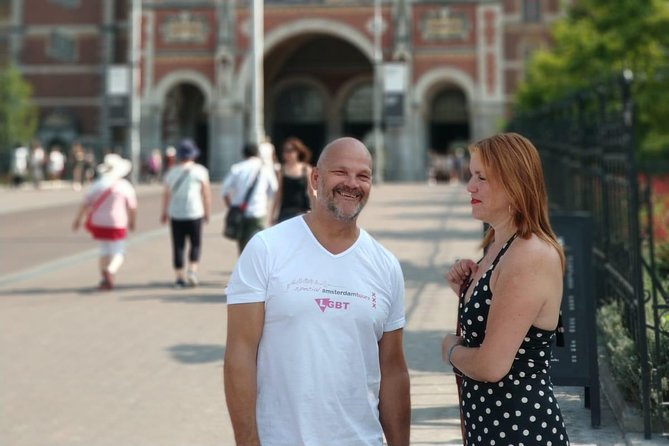
What I love most is the human angle. Henk lived through the beginnings of the gay movement in Amsterdam, and you can feel that lived perspective in how he explains what happened and why it mattered. I also like the pace: a small group (max 15) means questions don’t get stuck in the back row, and allies—straight or otherwise—are clearly welcome.
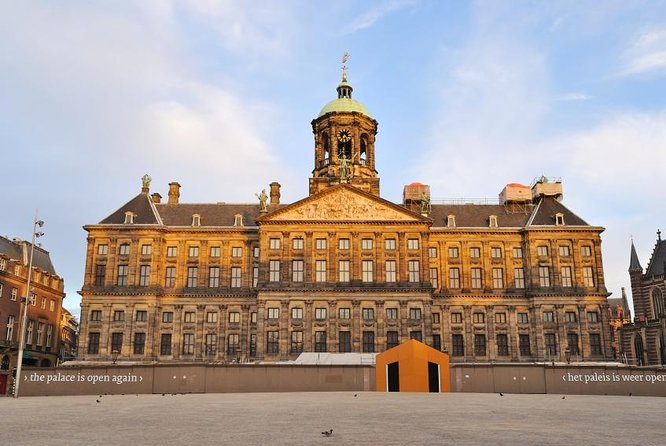
One thing to consider: you see the Royal Palace Amsterdam story, but you do not go inside because the route is time-tight. If you want palace interiors, you’ll need to add that on your own later.
In This Review
- Key things that make this tour worth your time
- Why this LGBTQI+ walking tour makes sense in Amsterdam
- Meet Henk: the human thread behind the facts
- Price and time: is $42.33 good value?
- Stop 1: Westermarkt and the Gay Monument (the story starts with a memorial)
- The canal walk toward Dam Square: where 17th-century city planning meets community life
- Stop 2: Royal Palace Amsterdam—origin and LGBTQI+ connections (without going inside)
- Stop 3: Dam Square—Amsterdam’s center and its LGBTQI+ layers
- Through the Red Light District: leather street context, not just sightseeing
- Chinatown and WWII context: the street, the bar, and why it mattered
- Ending at Bet van Beeren: history you can still walk into
- How to get the most from the route (without overthinking it)
- Who should book this Amsterdam LGBTQI+ history tour?
- Should you book it?
- FAQ
- How long is the LGBTQI+ History Tour of Amsterdam?
- What time does the tour start, and where do I meet?
- Where does the tour end?
- Is the tour in English?
- How big is the group?
- What’s included in the price?
- Do I need to bring anything?
- Is the Royal Palace included in the tour visit?
- Can I cancel for a full refund?
- What if the weather is bad?
Key things that make this tour worth your time
- Henk’s lived perspective on Amsterdam’s gay movement adds weight to every stop
- Small-group size (max 15) keeps the conversation flowing and the route manageable
- Admission included at the Gay Monument and at Dam Square moments tied to the story
- Canals + 17th-century city planning show how everyday Amsterdam shaped community life
- Red Light District and leather street context turns a photo stop into understanding
- An ending at Bet van Beeren ties history to a specific place you can still visit
Why this LGBTQI+ walking tour makes sense in Amsterdam
Amsterdam is made for walking, but most tours only skim the surface. This one takes a different route: it uses the city’s layout—canals, squares, street neighborhoods—to explain how rights formed over time.
You’re not doing a long, tiring day of transit either. The meeting point is at Westermarkt 2L, and you finish at Café ’t Mandje on the Zeedijk, walking distance from Central Station. For a first or second day in town, that location is handy because it sets your bearings quickly for where you’ll go next.
Also, it’s practical about what matters. You’ll be on your feet for roughly two hours, so you can still fit in museums, food stops, or a canal cruise later. And because the guide keeps you moving between tight center-city points, you get story density without the usual “stand in one place and wait” feeling.
You can also read our reviews of more tours and experiences in Amsterdam.


Meet Henk: the human thread behind the facts
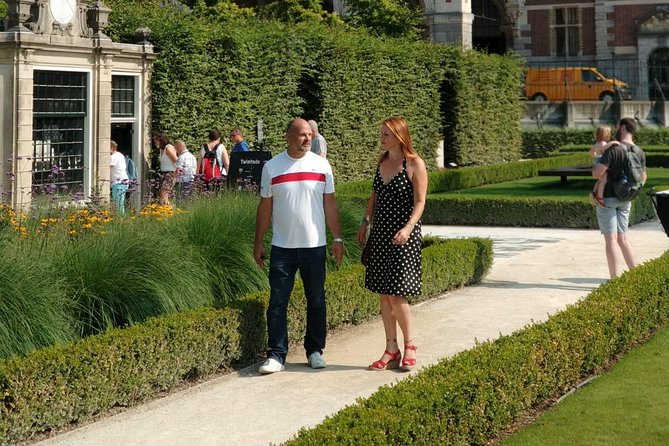
This tour’s tone is very specific, and it’s one reason it consistently lands well. Henk isn’t delivering generic talking points. He’s the kind of guide who can connect history to what daily life felt like at the time.
From the way the tour is described, he brings together multiple styles of explanation: historical facts, personal anecdotes, and even Dutch poetry. That matters because LGBTQI+ history isn’t only dates and policies—it’s also culture, language, and community memory. When a guide can shift between those modes, you understand the whole arc, not just the headline moments.
You’ll also notice the emotional care in the approach. The story includes hard subjects, including the loss and sacrifices that shaped activism. It’s not sugarcoated, but it’s not cold either. The result feels like education with empathy.
And for straight allies: this tour is not a “you must know everything already” situation. You’re warmly welcomed, and the guide is set up to make the context clear for anyone who wants to understand.
Price and time: is $42.33 good value?
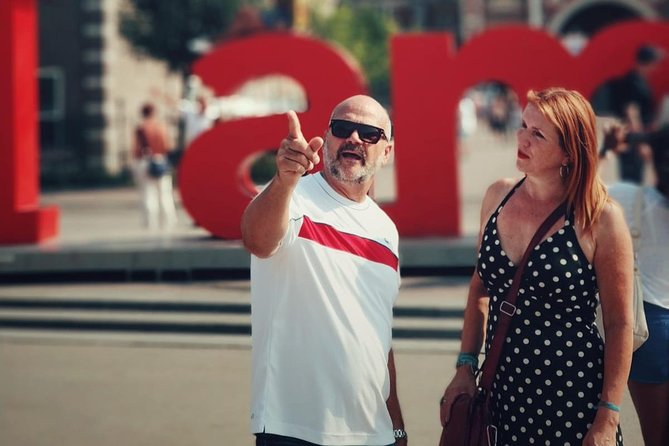
At $42.33 per person for about two hours, you’re paying for two things: expert guidance plus a route that’s packed into the center of Amsterdam.
What makes it feel like fair value is the included access on key moments. Admission is included for the Gay Monument stop, and the Dam Square portion includes admission as well. Not every walking tour throws in entry where it matters, and that can help the cost feel more justified.
Add the small group size (max 15) and you get more attention per person. This isn’t a huge crowd scenario where you mostly listen from far away. If you like asking questions and getting direct answers, that format can be worth real money.
One more practical point: you won’t be paying extra for the whole day of wandering. You do need to bring your own water and walking shoes, but the core experience is structured around a manageable urban circuit rather than a long commute or complicated logistics.
Stop 1: Westermarkt and the Gay Monument (the story starts with a memorial)
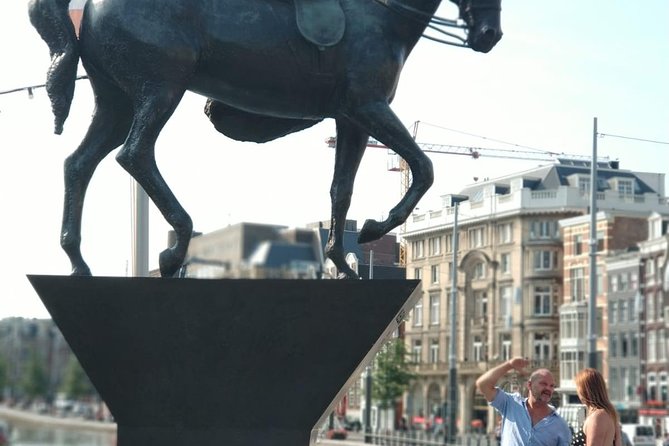
Your tour begins at Westermarkt 2L, and the first major stop is the Gay Monument. The focus here is on gay victims in past, present, and future—so the tone starts with remembrance, not celebration.
This stop includes an admission ticket, and the time is about 30 minutes. That length is important: you’re not rushed through symbolism. You get the chance to absorb what the monument represents before you move back into the city streets.
One of the key takeaways at this point is how the Netherlands reached the milestone of having the first monument in the world. Even if you’ve heard Amsterdam is “progressive,” this stop grounds that idea in what came before. It’s a reminder that rights didn’t arrive on their own.
Expect the guide to frame the monument as both a warning and a promise. For many people, it changes how they walk through the rest of the city afterward—because you’re carrying the meaning forward instead of treating later sites like random sightseeing.
The canal walk toward Dam Square: where 17th-century city planning meets community life
After the monument, you’ll head along the canals toward Dam Square. Along the way, you’ll look at 17th-century houses and how the area reflects early city planning.
This matters more than it sounds. When a city is laid out a certain way—where people live, where streets connect, how neighborhoods form—community can grow in very practical ways. The tour uses that “how Amsterdam is built” angle to explain why certain social spaces and networks could take shape where they did.
It’s also a nice break in pacing. You’re outside, moving, and seeing the city in a way that big tour buses can’t replicate. And you’re not just collecting photos; you’re learning to read the streets like a map.
Bring this into your own planning: if you normally skip canal walks because you think it will be boring, don’t. This stretch is the bridge between heavy remembrance and concrete place-based stories you’ll recognize later.
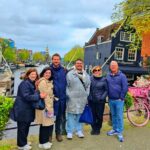
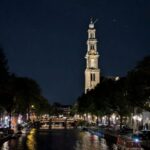



Stop 2: Royal Palace Amsterdam—origin and LGBTQI+ connections (without going inside)
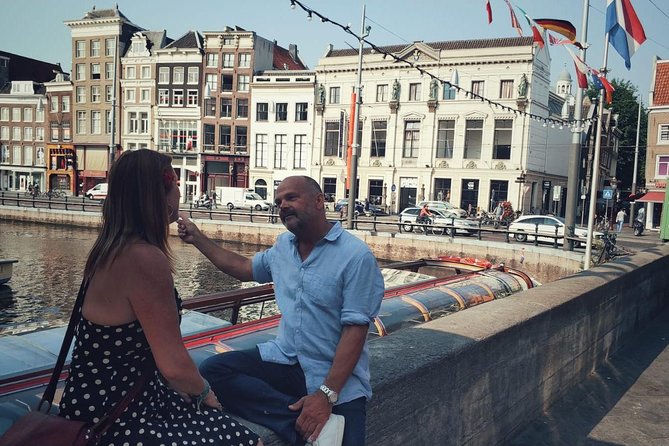
Next is Royal Palace Amsterdam on Dam Square. You’ll hear about the origin of the palace and what it has to do with gay life in the 17th century.
Here’s the practical catch: you don’t have time to visit the palace interior. So you’re getting story context and location-based meaning, not a ticketed visit to rooms and exhibits.
Still, this stop can be worth it if you like “why this building exists” explanations. Dam Square is not just a central photo spot—it’s tied to authority, power, and public visibility. When the guide connects that setting to LGBTQI+ history, you start to see the city’s institutions as part of the social story, not separate from it.
If palace interiors are a must for you, make a note to schedule a visit on a different day. The tour itself is designed to keep momentum for the rest of the route, especially the neighborhood transitions after Dam Square.
Stop 3: Dam Square—Amsterdam’s center and its LGBTQI+ layers
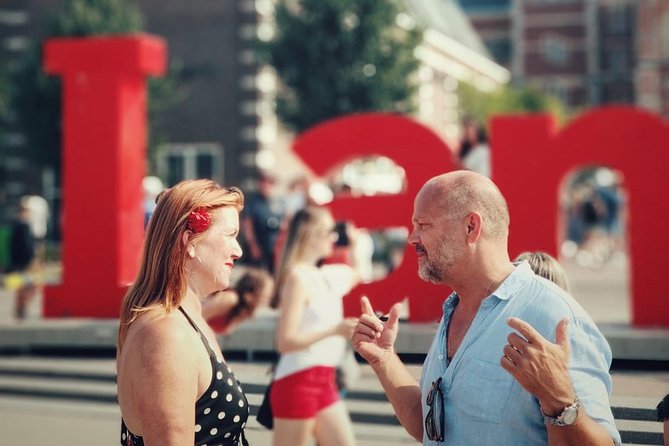
Then you land at Dam Square, Amsterdam’s central square with a long history. The guide focuses on what happens here and how the area connects to LGBT related themes.
This stop includes admission, and it’s short—about 10 minutes—so think of it as a concentrated orientation point. You’ll learn how Dam Square functions as a stage: political life, public visibility, and the kind of attention that can either help movements grow or pressure them to hide.
If you’re the type who likes to understand “why this location matters,” you’ll probably enjoy Dam Square more after this explanation. It stops being generic and starts feeling like a chapter of the city’s story.
Through the Red Light District: leather street context, not just sightseeing
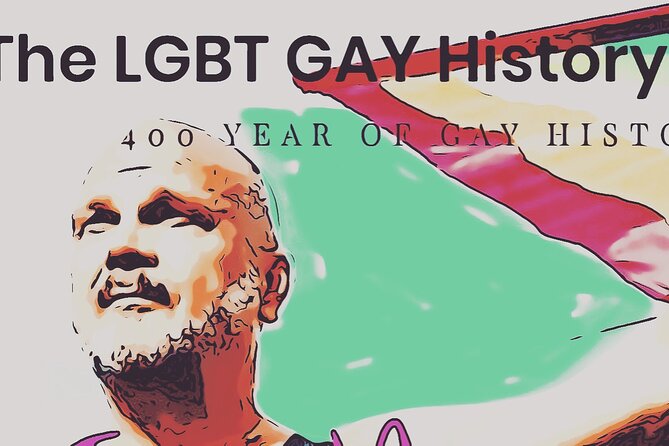
From Dam Square, you walk into the red light district area. The tour description specifically mentions the leather street of Amsterdam, and the guide encourages you to ask for details if you’re interested.
This is one of those rare cases where a place many people know for surface-level imagery becomes something else. You’ll hear why the neighborhood is part of the broader LGBTQI+ historical narrative, rather than treating it as a nightlife postcard.
Also, this portion helps you understand Amsterdam as a city of contradictions. Public visibility, commerce, identity, and social boundaries all overlap here. When you have a guide who can connect those overlaps to history, the walking feels purposeful instead of awkward or voyeuristic.
Practical tip for this segment: go at the pace the group sets. The stories are tied to specific corners and street dynamics, so skipping ahead can leave you without context.
Chinatown and WWII context: the street, the bar, and why it mattered
After the red light district, you’ll reach China town, described as once the roughest street in Amsterdam. That sets up an important contrast: you’re going from a heavily visible tourist zone to a street that carries a different kind of history.
The tour also calls out the oldest gay bar in Amsterdam, and it connects the story to why German soldiers in WWII were not allowed in this part of the city. That’s a striking detail, because it reframes resistance and safety as something that can be built into place and community boundaries—not only into political speeches.
Even if you don’t know the story beforehand, the guide’s job here is to make the neighborhood feel legible. You should come away seeing that this area is not just old—it’s historically protective, socially significant, and tightly tied to LGBTQI+ community survival.
Ending at Bet van Beeren: history you can still walk into
The tour finishes at the bar of Bet van Beeren on the Zeedijk. Ending at a real venue turns the last part from “lesson” into “place you can return to.”
Café culture and bar culture matter in LGBTQI+ history because they’re often where community forms, where news travels, and where people can feel safe enough to exist out loud. Ending here makes that point without needing a lecture.
If you want to keep the momentum going, this is the easy way to do it. You’ll be in the central area, walking distance from Central Station, so you can either linger for a drink or head straight to dinner without a long slog.
And because the tour is designed as a relaxed walking experience, the ending feels more like a handoff than a hard stop.
How to get the most from the route (without overthinking it)
This is a straightforward two-hour walking tour, but small choices make it better.
- Wear comfortable walking shoes and plan for frequent turns and short distances.
- Bring your own water. It’s not provided as part of the experience.
- If you have questions about the red light district, the guide explicitly invites them. Ask early rather than waiting until the last minute.
- Keep an eye on time. Since Royal Palace is described as a no-interior stop, you’ll get the most if you treat it as a story marker, not as an attraction to rush through.
The small-group format matters here. You’re not stuck listening with headphones while people shuffle past. If you lean in, you’ll get more out of the cultural details, the WWII story threads, and the way Henk connects the city’s physical layout to social history.
Who should book this Amsterdam LGBTQI+ history tour?
Book this if you want LGBTQI+ history with place-based storytelling. It’s ideal for first-time visitors who already plan to see Dam Square and central Amsterdam neighborhoods, but who want meaning behind what they’re seeing.
It’s also a strong fit if you like personal narrative mixed with history. Henk’s lived experience—especially his connection to the beginnings of the gay movement in Amsterdam—adds a steady credibility that you don’t always get from standard guides.
And if you’re an ally, you’ll likely appreciate the welcoming approach. Straight allies are described as warmly welcomed, and the tour is set up to be understandable without assuming prior knowledge.
One more group who should consider it: people who are tired of the same sightseeing loop. If you’ve done the typical boats-and-bicycles routine, this tour gives you a different way to “read” Amsterdam in a short amount of time.
Should you book it?
Yes, if you want a thoughtful, small-group walking tour that connects monuments, squares, neighborhoods, and an actual bar into one coherent story of LGBTQI+ life in Amsterdam.
Choose it over a generic city tour if you care about context, not just sights. And choose it early in your trip so the rest of Amsterdam feels less random. You’ll know where to look, and you’ll understand why certain places carry weight.
Skip it only if you mainly want museum-style interiors and long stops. The route is intentionally tight, and Royal Palace isn’t visited inside. In that case, you can still take the broader story on this tour—but plan a separate palace visit if that’s your priority.
FAQ
How long is the LGBTQI+ History Tour of Amsterdam?
It runs about 2 hours (approx.).
What time does the tour start, and where do I meet?
It starts at 11:00 am. Meet at Westermarkt 2L, 1016 DW Amsterdam.
Where does the tour end?
The tour ends at Café ’t Mandje, Zeedijk 63, 1012 AS Amsterdam, and it’s a walking distance from Central Station.
Is the tour in English?
Yes, it’s offered in English.
How big is the group?
The tour has a maximum of 15 travelers.
What’s included in the price?
The tour includes the tour escort/host. Admission ticket(s) are included at the Gay Monument stop and at the Dam Square stop.
Do I need to bring anything?
Bring your own water and walking shoes.
Is the Royal Palace included in the tour visit?
You’ll see and hear about the Royal Palace origin on Dam Square, but there isn’t time to visit the Palace. Admission is not included.
Can I cancel for a full refund?
You can cancel up to 24 hours in advance for a full refund.
What if the weather is bad?
This experience requires good weather. If it’s canceled due to poor weather, you’ll be offered a different date or a full refund.