REVIEW · NEW DELHI
Unveil Old Delhi’s Food, Spice Market & Heritage Walk
Book on Viator →Operated by Unveil Delhi · Bookable on Viator
Old Delhi tastes better on foot. This 5-hour guided food and heritage walk strings together landmarks and plates in the lanes around Red Fort, Chandni Chowk, Khari Baoli, and Jama Masjid. You’re not just watching history—you’re tasting it, with short rides and plenty of stops along the way.
I love how the tour mixes food with place-based context: you learn what you’re eating while you’re standing where it all started. I especially like the 14+ varieties of Old Delhi delicacies plus drinks like chai tea and lassi, and the chance to pause at major sites such as Gurudwara Sis Ganj Sahib (built in 1783).
One consideration: this experience is not recommended for vegans, and street-food style means spice and ingredients can vary from stop to stop. If you have strong dietary limits, tell your guide early (Raj is known for helping you feel comfortable with the pace and choices).
In This Review
- Key highlights you’ll feel during the walk
- Starting at Red Fort: Your bearings come fast
- Chandni Chowk: From a moonlit water pool to food-stall memories
- Gurudwara Sis Ganj Sahib: A calm pause with real meaning
- Naughara: The row-of-nine-houses story you can actually walk into
- Khari Baoli: Asia’s biggest spice market, where smell becomes information
- Jama Masjid alleys: Kebab, butter chicken, and rose sharbat cooling you off
- The food plan: 14+ tastings plus chai, lassi, soda, and desserts
- Raj’s role: why the guide changes everything
- Logistics that matter: five hours, tuk tuk rides, and a max of 10
- Price and value: why $39.31 feels reasonable here
- Who should book this Old Delhi walk—and who should skip it
- Should you book Unveil Old Delhi’s Food, Spice Market & Heritage Walk?
- FAQ
- How long is the Old Delhi food, spice market, and heritage walk?
- What food and drinks are included?
- Is this tour suitable for vegans?
- How many people are in the group?
- Where does the tour start?
- Can I get a refund if I cancel?
Key highlights you’ll feel during the walk
- 14+ tastings of Old Delhi specialties, plus chai tea, lassi, soda, and bottled water
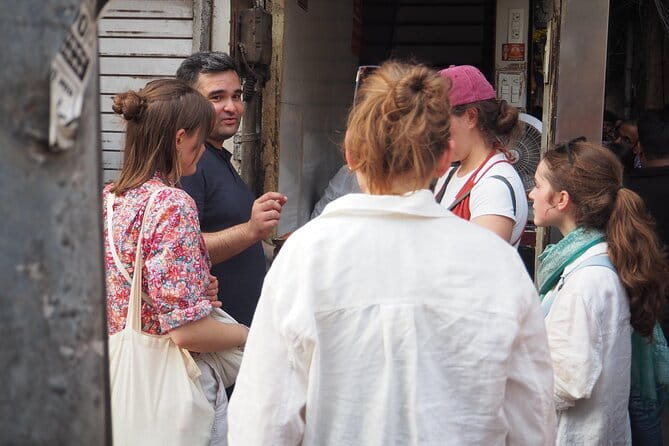
- Small group size (max 10), which keeps the pace friendly and makes it easier to ask questions
- Khari Baoli as Asia’s largest spice market, with time to smell and recognize what’s used
- Temple + heritage stops like Gurudwara Sis Ganj Sahib and the story-rich lanes around Jama Masjid
- Tuk tuk rides are included to cut down on the longer stretches
- Good guide energy (Raj is frequently mentioned) that turns the route into a fun, safe-feeling hang
Starting at Red Fort: Your bearings come fast
The tour begins in the shadow of the Red Fort, at the McDonald’s near Laxmi Market, Chandni Chowk. Even though you only view the fort from the outside, that first moment matters. It sets the frame: you’re walking through Shahjahanabad, the historic Old Delhi core, and toward Chandni Chowk, one of the city’s most famous market corridors.
I like that you get an orientation before you’re thrown into smells, sounds, and crowds. With the guide’s setup, you’ll know what you’re seeing as you go—where the neighborhood formed, and why the markets are laid out the way they are. Think of it like learning the map of Old Delhi in your first 20 minutes, not your last.
From here, the day becomes a rhythm: short transfers (tuk tuk rides are covered) and then focused walking blocks where you stop, taste, and learn. That pacing is practical in a place where foot traffic and lane navigation can become tiring if you’re on your own.
You can also read our reviews of more tours and experiences in New Delhi.


Chandni Chowk: From a moonlit water pool to food-stall memories
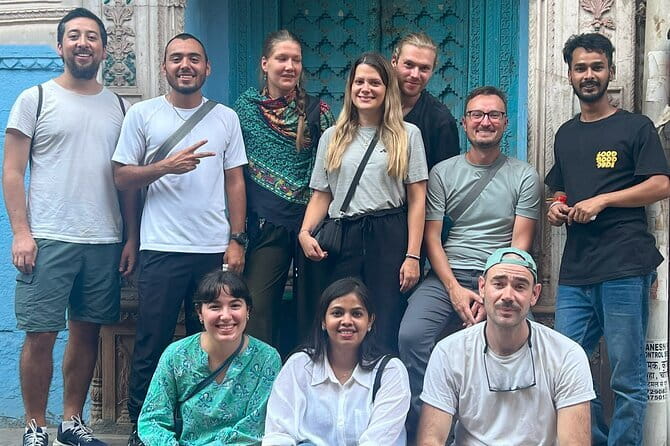
Chandni Chowk is the kind of place where the city tells you a story with its geometry. This square was designed by Princess Jahanara Begum in 1650 CE, and it originally had a half-moon shape with a reflective water pool fed by the Yamuna. You don’t need to picture the original water to get the idea: the layout was built for flow, views, and ceremonies—then it became a market powerhouse.
You’ll get time here (about 2 hours total at this stop), and the entry is free. In practice, this is where you’ll feel the street-food energy most strongly: snack sellers, spice smells drifting out of doorways, and people moving through the lanes with a purpose. If you care about photos, this is also a strong place to practice patience. Sometimes the best shot is waiting one extra moment for a clear view down a lane.
Practical tip: wear comfortable shoes and keep your hands free. You’ll be tasting enough that balancing a bag while holding a plate gets annoying fast. I’d also keep your phone secured—some lanes are narrow, and you’ll want both hands ready when the guide points out where the flavor comes from.
Gurudwara Sis Ganj Sahib: A calm pause with real meaning
After the market buzz, Gurudwara Sis Ganj Sahib offers a meaningful change of pace. This prominent Sikh temple was built in 1783 and connects directly to Sikh bravery and faith—so it’s not just an architectural stop. You’ll spend about 30 minutes here, and entry is free.
This is the moment to slow your breathing. You’ll likely notice how the atmosphere shifts once you move from the food lanes into a temple setting. You’re not only learning about the religious story; you’re also learning how Old Delhi works as a city of multiple traditions in close proximity.
How to handle it respectfully: follow whatever rules you see on-site (signs and staff guidance). If you’re unsure, copy what locals do. Even when you’re in a guided group, you’ll get the best experience by blending in.
And then you’ll be back on the move, because this tour is built around alternating energy: landmark, temple, market lanes, then more eating.
Naughara: The row-of-nine-houses story you can actually walk into
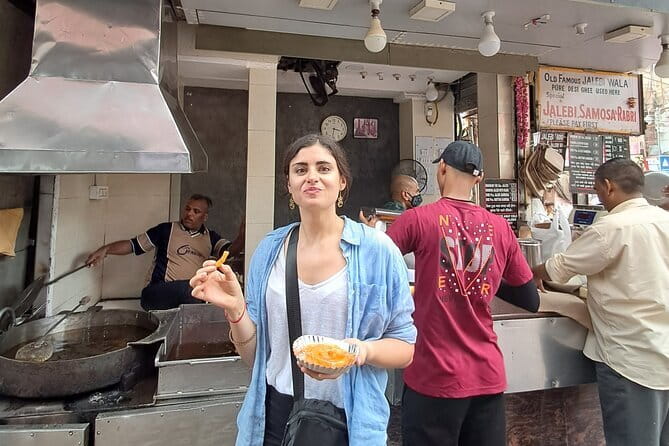
Naughara is brief in time (about 30 minutes), but it’s memorable because the name itself points to the purpose of the space. Naughara comes from nau ghar, meaning nine homes, or possibly nau ghara, meaning nine pots of water for travelers. Either way, the idea is clear: this was about supporting people moving through the city.
You access Naughara through the Kinaari Bazaar area, and it’s described as a gated neighborhood enclave. That “gated” feel matters. It gives you a different texture than the open market streets. Here you can see the shape of Old Delhi’s social design—what areas were for trade, what areas were for rest, and how visitors were supported.
What makes it worth your time: it helps you understand that Old Delhi wasn’t only about commerce. It was also about systems for travelers: water, shelter, routes, and the small infrastructure that made the big city function.
If you’re the kind of person who likes the story behind a street name, this stop will click. If you prefer only the biggest-ticket landmarks, you might wish it was longer—but for me, short stops like this are what make a food tour feel like a heritage walk.
Khari Baoli: Asia’s biggest spice market, where smell becomes information
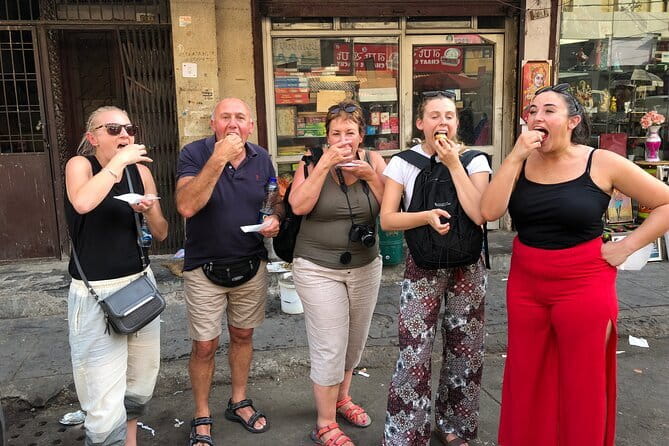
Then comes Khari Baoli, and it lives up to its reputation as Asia’s largest spice market. You’ll spend about 30 minutes here, and the admission is included. This is one of the easiest places in Old Delhi to understand how the city’s food identity works: spices aren’t background; they’re the main language.
You’ll wander through lanes filled with spices, dried fruits, herbs, and teas. The goal isn’t shopping. Shopping isn’t included, and that’s a good thing. Without the push to buy, you can focus on recognizing what’s being sold and connecting it to the flavors you’ll sample later.
How to make this stop pay off: choose one or two spice ingredients you’re curious about (something you’ve tasted before in Indian food). Ask the guide what it does for the flavor profile—warmth, sweetness, aroma, or color. Even if you only remember a couple of details, it turns random food memories into something you can explain later.
Also: if you’re sensitive to strong smells, keep a water bottle handy and pace yourself. Spice markets can hit hard at close range. The guide and group pacing help you avoid getting overwhelmed.




Jama Masjid alleys: Kebab, butter chicken, and rose sharbat cooling you off
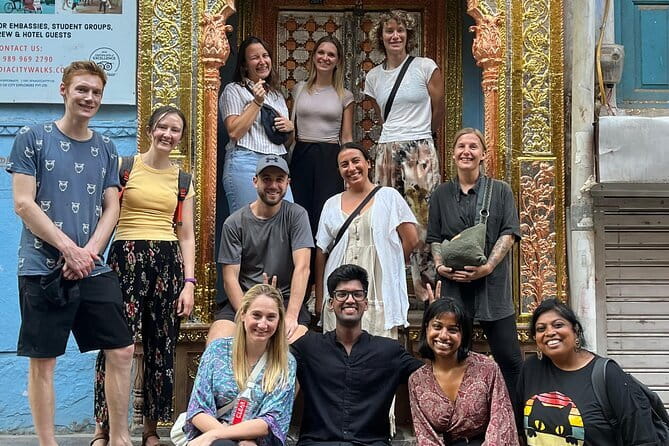
After Khari Baoli, the route brings you to the alleys around Jama Masjid. This is the part of the tour built for eating. Here you’ll taste dishes such as kebab and butter chicken, plus you’ll enjoy a refreshing rose sharbat.
This pairing is smart. After time in spice-heavy lanes, rose sharbat acts like a palate reset. It cools you down and brings the sweetness into the mix, balancing the richer savory flavors that come with grilled items and creamy gravies.
While Jama Masjid is the landmark anchor, the experience is about the side streets. You get the feeling of how people actually snack and eat close to major religious sites—fast, practical meals and drinks that fit into everyday life.
What I appreciate: the guide keeps the day from becoming chaotic. The food choices are spaced out so you’re not eating everything at once. At the same time, there’s enough variety that you’ll leave with a realistic sense of Old Delhi’s flavor range, not just one style of dish.
The food plan: 14+ tastings plus chai, lassi, soda, and desserts
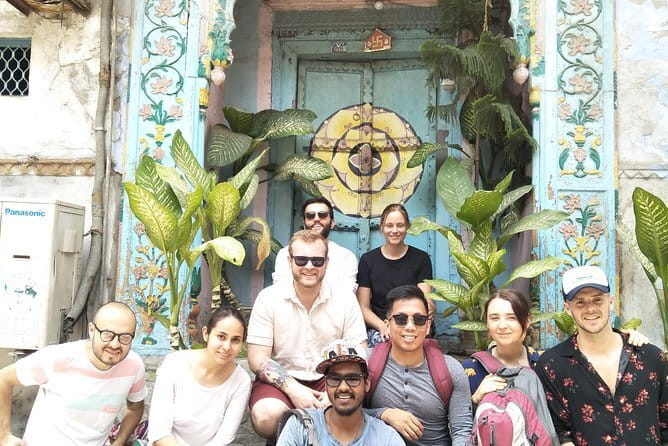
This tour is priced low enough that the real value is the “included” part. You’re not just paying for walking. You’re paying for a structured tasting route with a long list of what comes to the table.
Included items cover:
- 14+ varieties of Old Delhi delicacies
- Beverages: chai tea, lassi, soda
- Desserts such as kulfis, sweets, rabri, and more
- Bottled water
That’s a lot of food in five hours, and it matters because food tours live or die by variety. You’ll likely cover different textures and temperatures: warm snacks, creamy drinks, and chilled desserts. You’ll also taste items that sit on the boundary between everyday street food and special-occasion favorites.
One more point: this isn’t marketed as a vegan-friendly plan. It’s not recommended for vegans, so if your diet excludes all animal products, choose something else.
If you’re cautious about spice, the tone from the guide can matter. Raj is frequently described as friendly and as someone who helps people feel comfortable with the choices. Still, you should be direct: tell the guide if you want milder options or if you can’t eat a certain ingredient.
Raj’s role: why the guide changes everything
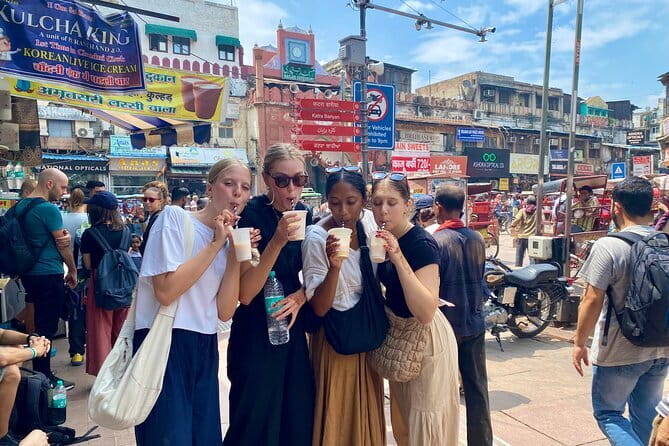
A good heritage food tour isn’t just about where you go. It’s about how you connect the dots. This is where Raj’s style comes through in the descriptions people share: he’s described as funny, caring, and like someone you’d gladly keep talking to after the tour.
When the guide is relaxed and human, the food stops feel less intimidating. Old Delhi’s lanes can feel overwhelming at first, especially if you’re trying to order food and navigate at the same time. With a guide handling the flow, you get to focus on tasting and learning.
You also benefit from explanation. You’ll hear stories behind dishes and the sites you pass. That makes the food experience more than a snack run. It becomes an understanding of how the city organizes itself—religion, markets, traveler needs, and daily eating habits all tangled together in a five-hour loop.
Logistics that matter: five hours, tuk tuk rides, and a max of 10
This tour runs about 5 hours and has a maximum group size of 10 travelers. That size is a big deal in a place like Old Delhi. Smaller groups are easier to manage in tight lanes, and you tend to get faster attention when you have a question.
Tuk tuk rides in Old Delhi are covered, which helps a lot. You still walk, but the ride segments reduce the chance that you’ll spend the whole tour just covering distance.
The meeting point is very specific: McDonald’s No. 1888-89, Commercial Complex, II, near Maha, Laxmi Market, Chhippy Wada, Chandni Chowk, New Delhi, Delhi 110006. The tour ends in a different location, so it’s smart to keep your return plans flexible for the rest of the day.
Also, it’s near public transportation, and you can arrange pick up and drop off with Uber if you want, with payment handled directly by you to the driver. If you like starting on time with less hassle, a quick Uber plan can help.
Finally: this experience requires good weather. If it gets canceled because of poor weather, you’ll be offered a different date or a full refund.
Price and value: why $39.31 feels reasonable here
At $39.31 per person, this tour can feel like a bargain once you list what’s included. You get:
- Bottled water
- A long tasting list (14+ varieties)
- Multiple beverages (chai, lassi, soda)
- Desserts
- Tuk tuk rides
- Admission coverage for some stops (and free entry at others)
If you tried to recreate this on your own, you’d pay for food anyway, but you’d lose the structure: finding good stalls, knowing what’s safe and worth trying, timing the stops, and getting the story behind the flavors. You’d also spend more mental energy navigating the route without a guide.
Shopping isn’t included, which also helps keep the cost focused on experience rather than purchases. You’re paying for movement + guidance + tastings, not for retail.
And with a max of 10 people, the guide can keep the group together. That makes the tour feel more personal than cheap “big group” alternatives.
Who should book this Old Delhi walk—and who should skip it
This works best for:
- Food lovers who want more than one or two dishes
- People who like cultural stops that explain what they’re seeing
- Solo travelers and small groups who want an easy way to navigate Old Delhi with structure
- Anyone who enjoys street photography, because the route naturally offers good visual moments in the markets and lanes
It’s less ideal if:
- You’re vegan (it’s not recommended for vegans)
- You want a quiet, minimal-walking tour. This is active and street-focused.
If you like feeling looked after without feeling trapped, this tour’s small-group size and guide-led flow make it a strong choice. If you hate waiting in lines and eating in a group pace, you might prefer a self-guided plan—but then you’ll be giving up the storytelling and organized tastings.
Should you book Unveil Old Delhi’s Food, Spice Market & Heritage Walk?
If your idea of a great Delhi day includes street food, spice education, and a few serious heritage stops, I’d book this. The value is real because the tour isn’t only about seeing landmarks—it’s built around 14+ tastings, included drinks, and a route that ties flavor to place.
Do book if you’re flexible, curious, and okay with spice and street-style eating. Don’t book if vegan is your non-negotiable diet, or if you want a slow, low-energy experience. If those fit you, this is one of the most straightforward ways to taste Old Delhi and understand the city at the same time.
FAQ
How long is the Old Delhi food, spice market, and heritage walk?
It’s about 5 hours.
What food and drinks are included?
You’ll get bottled water, taste 14+ varieties of Old Delhi delicacies, beverages like chai tea, lassi, and soda, and desserts such as kulfis, sweets, and rabri.
Is this tour suitable for vegans?
No. It’s not recommended for vegans.
How many people are in the group?
The tour has a maximum of 10 travelers.
Where does the tour start?
It starts at McDonald’s No. 1888-89, Commercial Complex, II, near Maha, Laxmi Market, Chhippy Wada, Chandni Chowk, New Delhi, Delhi 110006.
Can I get a refund if I cancel?
Yes. You can cancel up to 24 hours in advance for a full refund. If you cancel less than 24 hours before the experience starts, the amount you paid is not refunded.