REVIEW · NUR SULTAN
Astana: KarLag and Karaganda – Private USSR history tour
Book on Viator →Operated by Astana Horizons · Bookable on Viator
Karaganda makes Soviet history feel close and human. This private day trip pairs city sights with a serious visit to the KarLag Museum outside town. I like how the pace balances quick photo stops with time for reflection, and the pickup makes it feel low-stress from start to finish.
Two things stand out for me: the tour builds around KarLag Museum (the most time is here), and you also get a smart run through major Karaganda landmarks without turning the day into a sprint. You’ll also have a proper lunch break in between, which matters on a 10 to 11 hour outing.
One drawback to plan for: it’s a long day, and the KarLag topic is heavy. If you’re expecting light sightseeing only, this one won’t match that mood.
In This Review
- Key highlights to know before you go
- From Nur-Sultan to Karaganda: a long-but-clear day plan
- Shalkyma Concert Hall, Gagarin, and Abay’s poet-to-power vibe
- K. Stanislavskiy Drama Theatre: old drama roots in a Soviet-era city
- Mining monuments and the phrase Gde-gde? V Karagande!
- Dolinka Settlement and the KarLag Museum: the emotional center of the day
- Lunch breaks and the value of not rushing through “culture + context”
- Price and logistics: what $199 really covers
- Your guide experience: Amir’s role in making it make sense
- Who this tour is for (and who should skip it)
- Should you book Astana Horizons KarLag and Karaganda?
- FAQ
- How long is the Karaganda and KarLag private history tour?
- Where does the tour start?
- How much does the tour cost?
- Is this a private tour?
- What’s included in the main museum visit?
- Is lunch included?
- Are admission tickets needed for the Karaganda city sights?
- Where is the KarLag Museum?
- What happens if the weather is poor?
- Can I cancel for a full refund?
Key highlights to know before you go
- Private group only: only your group participates, so you won’t be squeezed with strangers
- KarLag Museum time: a full two hours at the Dolinka settlement memorial
- City landmarks without wasting time: theatres and monuments are quick stops for photos and orientation
- A real meal included: lunch is built into the schedule (and it’s described as delicious)
- Pickup offered from Nur-Sultan: fewer logistics headaches for a long day
From Nur-Sultan to Karaganda: a long-but-clear day plan
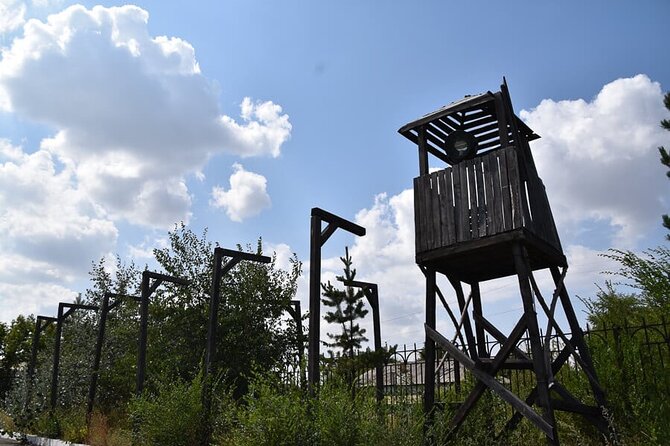
This tour is designed for one purpose: a full day that links Karaganda’s Soviet-era identity to the story of Stalin’s labor camps. Expect a 10 to 11 hour total duration, and the travel time is part of that. From Nur-Sultan, you’re looking at about a 2.5-hour drive to Karaganda, so you’re committing to a real day trip.
I like that the plan doesn’t pretend it’s short. It’s long enough to do the core sights and still sit with the heavy material at the museum, which is the point here. You’ll also keep moving at a pace that feels intentional, not random.
The big thing to consider is mood. The city stops are mostly monuments and theatres, but the museum section is serious. If you’re traveling with kids, it can still work, especially if the group is curious and the adults can keep things grounded without rushing past what you’re seeing.
Shalkyma Concert Hall, Gagarin, and Abay’s poet-to-power vibe
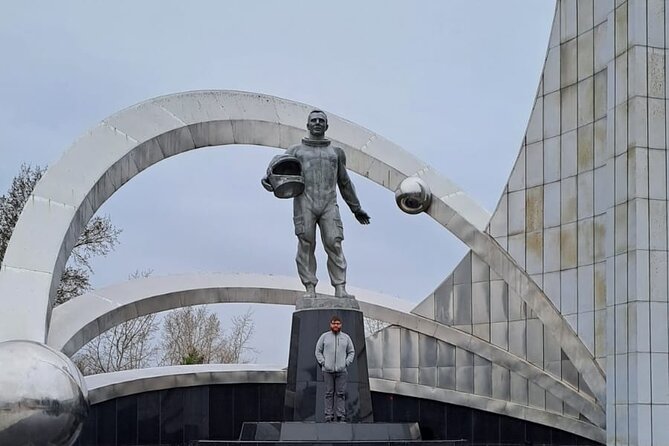
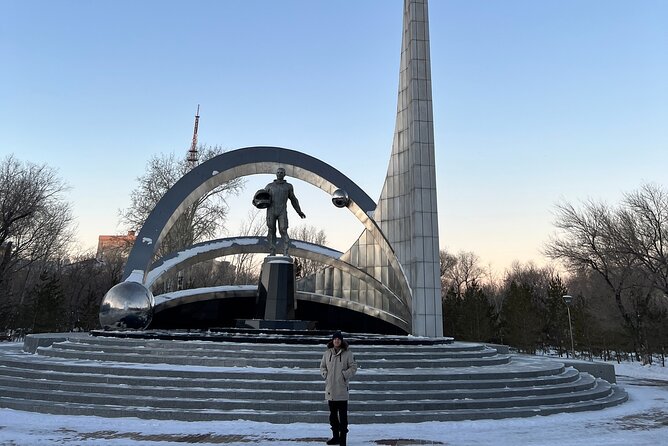
Your day starts at the Shalkyma Concert Hall area, a strong opening because it mixes modern cultural pride with Soviet-era symbolism. Nearby you’ll find a monument to Yuri Gagarin, and you’ll also pass a monument to Kazakh poet Abay Kunanbayev along an alley. That combination gives you an early sense of Karaganda’s layered identity: Soviet industry and global space hero imagery on one side, Kazakh cultural legacy on the other.
This first segment is short—about 20 minutes—so think of it as orientation. You’ll get your bearings fast, snap a few photos, and then move on before you lose energy. Admission here is free, which helps you feel like you’re spending money only where it matters.
The tricky part of a start like this is timing and attention. If you’re traveling early in the morning or with jet lag, keep your camera ready but don’t treat it as the main event. The day’s centerpiece is still coming later.
K. Stanislavskiy Drama Theatre: old drama roots in a Soviet-era city
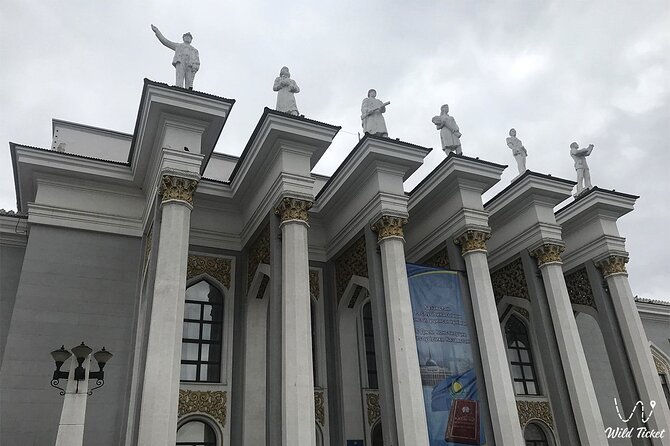
Next you’ll head to the K. Stanislavskiy Drama Theatre. It’s not just another pretty building. The key detail is that it opened its doors in 1930, making it one of the early Russian drama theatres in Kazakhstan, and it continues to serve its purpose today.
This stop is brief—about 10 minutes—and admission is free, so don’t expect a long guided walkthrough inside. Instead, use this as a chance to read the city’s culture off the architecture. I find theatres like this work well for first-time visitors because they give context for how Soviet-era towns built public life around performance and institutions.
If you’re the type who likes buildings with a story, take a few extra seconds here. If not, it still works as a quick reset point before the day turns more symbolic with the mining monuments.
Mining monuments and the phrase Gde-gde? V Karagande!
After the theatres, the tour leans into Karaganda’s core identity: industry and mining. You’ll see the Monument Mining Glory, including the phrase-style atmosphere that fits how the city likes to remember its labor roots. It’s positioned opposite the Miners’ Palace of Culture, so it’s an easy area to connect the idea of work with the institutions built around work.
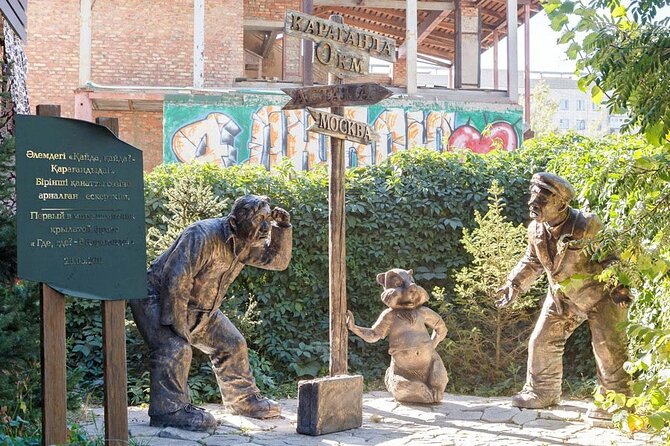
Then you’ll hit the Monument to Expression Gde-gde? V Karagande! That wording is widely known among Russian speakers, and in this context it ties back to the infamous KarLag labor camp. The point here isn’t just trivia. It’s how language can carry history, even when people use it more like a joke in casual conversation.
One practical tip: keep your expectations realistic for photo stops. These segments are designed to be quick—think 30 minutes for the mining monument area and around an hour for the “Gde-gde” stop—so plan to capture your photos without turning every stop into a wandering detour. You’ll need the energy for the museum section later.
Dolinka Settlement and the KarLag Museum: the emotional center of the day
This is the heart of the tour: the KarLag Museum, located around 35 km outside Karaganda in the Dolinka settlement area. The schedule gives you about two hours here, and museum admission is included. That time window is important because this is not a “look at a room and move on” kind of visit.
The museum focuses on victims and the system of Stalin’s labor camps. The description of the experience is detailed and moving, covering a dark chapter of Soviet history. I’d treat this portion like a guided visit for your heart as much as your mind. You’re likely to come away with a stronger sense of how distant political decisions became everyday reality for real people.
For many visitors, the most valuable part is the structure of the story. You’re not just seeing objects—you’re being given context for why the camps mattered, who they impacted, and how memory is kept through a memorial museum format. If you’re a history lover, this is the moment where the whole day starts making sense as one connected narrative.
A simple consideration: pacing. After the city stops, you may still feel in photo-mode. Slow down here. If you need a break, use the seating and pauses you find on the way, and don’t feel pressured to see every detail at top speed. Two hours is enough to take it seriously without exhausting yourself.
Lunch breaks and the value of not rushing through “culture + context”
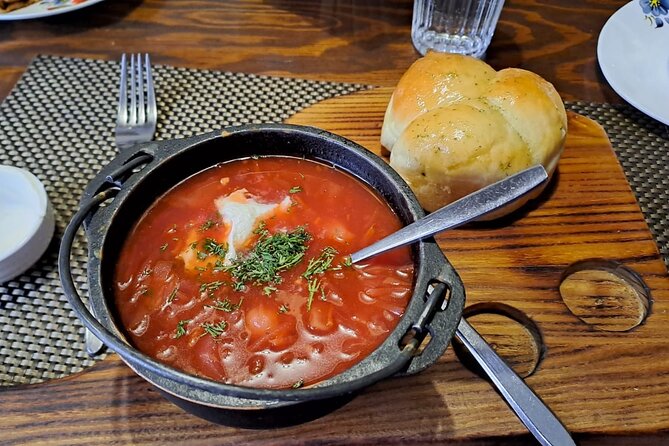
A big part of why this tour feels worth it is that it doesn’t treat food as an afterthought. There’s time to enjoy lunch, described as delicious at a Russian restaurant. On a 10 to 11 hour day, that matters more than people think. When you’re traveling between sites, you need real energy, not just a quick snack.
I also like how the day is structured to mix different types of learning:
- quick, light cultural orientation in the theatres and monuments
- heavy, structured historical learning at the museum
That rhythm helps your brain switch gears. You’ll go from the public face of the Soviet city to the human cost behind parts of its story. And because the museum gets the longest time block, you won’t feel like history is tacked on at the end.
If you’re traveling with kids, this pacing can help. One review described that children enjoyed the trip, which suggests the guide and the schedule are workable for younger attention spans. Still, remember the subject matter is serious, so you’ll want to keep expectations realistic.
Price and logistics: what $199 really covers
At $199 per person, this tour isn’t the cheapest way to get out of Nur-Sultan, but it also isn’t trying to be. The value comes from a few practical things that add up fast on your own: a private format, a long drive handled for you, time at a major museum, and a meal built into the day.
Here’s what you’re paying for in real terms:
- Pickup offered from Nur-Sultan (so you don’t waste your trip figuring out transport)
- Private group format, meaning only your group joins the day
- A schedule that includes both Karaganda city highlights and KarLag Museum time
- Lunch during the day
- Museum admission included for the KarLag stop
You also get a mobile ticket, which is a small but real convenience. When you’re on a long day trip, anything that reduces friction helps.
The only real “cost” is your time. If your schedule is tight, 10 to 11 hours is a big chunk of your day. But if you’re choosing to learn Soviet-era history in Kazakhstan, the time is well allocated.
Your guide experience: Amir’s role in making it make sense
A strong point from the feedback is the guide. Amir is named as the guide in one of the standout comments, and the praise was about being well planned, knowledgeable, and good for families too. Even without getting lost in guide-talk, that kind of comment usually means the story was explained clearly and the timing worked well.
In tours like this, the museum visit can make or break the whole day. You want someone who can guide you through serious material with enough clarity that you don’t feel overwhelmed. When a guide is doing that well, city stops feel less random. They start connecting to the bigger story you’re learning.
If you like history but want it explained without heavy academic jargon, this kind of private format is where it helps. You can ask questions, and the day doesn’t feel like you’re following a script with no room for your curiosity.
Who this tour is for (and who should skip it)
This is a great fit if you want a Soviet history day trip that actually includes the emotional and historical center, not just monuments. I’d especially recommend it if you’re:
- visiting Astana/Nur-Sultan and want one focused day beyond the city
- interested in Soviet labor camps and how they’re remembered in Kazakhstan
- the type who likes a mix of landmarks and meaningful museums
- traveling with kids who handle serious history topics with an adult context
It’s less ideal if you:
- have very limited time and can’t commit to a long day
- want only light sightseeing
- are easily affected by stories of political repression
Keep your expectations matched to the day. This is not only about “seeing.” It’s about understanding and remembering.
Should you book Astana Horizons KarLag and Karaganda?
I’d book this tour if your goal is one strong day that connects Karaganda’s public Soviet-era identity with the darker reality behind it. The schedule gives enough time at the KarLag Museum—about two hours—to make the visit meaningful, and the rest of the day is timed so you still get a real feel for the city’s landmarks.
If you’re on the fence, ask yourself a simple question: do you want Soviet history as a lived story, with real weight? If yes, this is a good match. If you’re hoping for a mostly scenic day with minimal emotional intensity, you might want something lighter.
FAQ
How long is the Karaganda and KarLag private history tour?
The experience lasts about 10 to 11 hours, including travel time.
Where does the tour start?
It starts in Nur-Sultan, Kazakhstan, with pickup offered.
How much does the tour cost?
The price is $199.00 per person.
Is this a private tour?
Yes. It’s a private tour, and only your group participates.
What’s included in the main museum visit?
You’ll visit the KarLag Museum of Political Repression Victims’ Memory of the Dolinka Settlement, and admission is included.
Is lunch included?
Yes, the day includes time to enjoy lunch.
Are admission tickets needed for the Karaganda city sights?
Admission tickets are listed as free for the Shalkyma Concert Hall area, the K. Stanislavskiy Drama Theatre, and the monuments.
Where is the KarLag Museum?
It’s located outside Karaganda in the Dolinka settlement area, about 35 km from Karaganda.
What happens if the weather is poor?
The experience requires good weather. If it’s canceled due to poor weather, you’ll be offered a different date or a full refund.
Can I cancel for a full refund?
Yes, you can cancel for a full refund up to 24 hours before the experience’s start time. Free cancellation is available, and changes within 24 hours aren’t accepted.