REVIEW · ATLANTA
Atlanta Then and Now Private History Tour
Book on Viator →Operated by Terminus Tours · Bookable on Viator
Atlanta’s layers are easiest to see up close. This private Then and Now history tour blends two big anchors—Oakland Cemetery and the Martin Luther King Jr. National Historic Site—with stops that show how the city has rebuilt, repurposed, and expanded. I love the smart mix of solemn places and city-changing projects, and I especially like that the guide tailors the story to your interests (Chris does this well). The only downside to keep in mind is that you’ll spend time on your feet and in and out of sights, so it’s best if you’re comfortable with short walks and quick photo stops.
Because it’s private, you don’t get stuck with the slow group. You’ll ride in an air-conditioned vehicle, get bottled water, and move through key parts of Atlanta in about 3 hours with admission included for the two major stops. One more thing to consider: the tour runs in English, so if your group needs another language, you’ll want to confirm availability before you book.
In This Review
- Key Highlights Worth Planning For
- Why This Private Then-and-Now Tour Feels Like the Right Pace
- Oakland Cemetery: A Calm 30 Minutes Where Atlanta Starts to Breathe
- The City Stops That Show Old Atlanta Next to New Atlanta
- The 22-Mile Rails-to-Trails Project: How Atlanta Plans to Move Differently
- Martin Luther King Jr. National Historic Site: A Visit You’ll Remember
- Chris’s Private-Guide Style: Pacing, Questions, and Real Recommendations
- Transportation, Comfort, and the Small Things That Save Your Day
- Timing: How You’ll Spend Your 3 Hours
- Price and Value: What $140 Per Person Really Buys You
- Who This Tour Suits Best (and Who Might Skip It)
- Should You Book This Atlanta Then and Now Private History Tour?
- FAQ
- How long is the Atlanta Then and Now Private History Tour?
- What are the main stops on the tour?
- Is admission included for the major stops?
- What’s included in the price besides the guide?
- Is pickup available?
- Do I need a printed ticket?
- Is the tour private or shared with other groups?
- What language is the tour offered in?
- Is the tour suitable for most travelers?
- Is there a cancellation deadline?
Key Highlights Worth Planning For
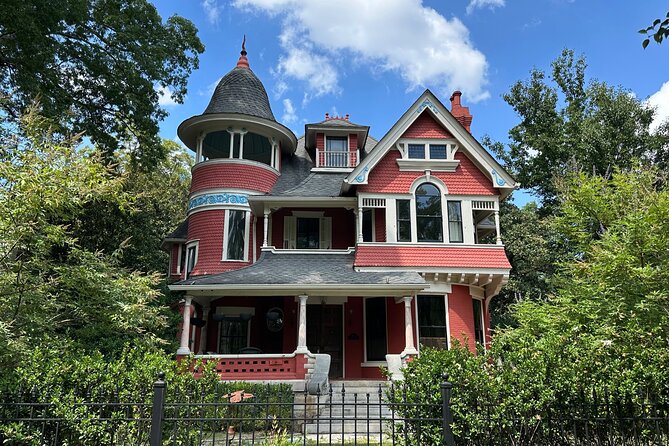
- Oakland Cemetery (1850s era): A historic start with free admission and a 30-minute stop.
- Martin Luther King Jr. National Historic Site: Church, birth home, gravesite, and museums with free admission.
- Then and Now contrast: You’ll connect older neighborhoods to modern development and big civic projects.
- 22-mile rails-to-trails project: Atlanta’s changing way of moving through the city, explained in plain terms.
- Street-art tunnel and historic streets: Colorful public art that links neighborhoods.
- Private guide energy (Chris): Friendly pacing, good questions answered on the fly, and restaurant recommendations.
Why This Private Then-and-Now Tour Feels Like the Right Pace
Atlanta is a city of quick turns. One block can feel historical, and the next one feels like construction, traffic, and new ideas. This tour uses that reality on purpose. You’re not just sightseeing—you’re learning how the city grew, where it rebuilt, and what people changed when new infrastructure arrived.
I like that the tour doesn’t pretend everything was perfect in the past or that everything is solved in the present. It gives you the story behind the places you already recognize. Then it shows you the newer projects that are reshaping daily life, especially the 22-mile rails-to-trails concept that’s changing movement across town.
The private setup matters here. You’ll get pickup, bottled water, and an air-conditioned ride, plus a guide who can adjust what you focus on. If your group is more into neighborhoods, you’ll lean that direction. If you want deeper context at the MLK sites, you’ll get it without being rushed by strangers.
You can also read our reviews of more tours and experiences in Atlanta.


Oakland Cemetery: A Calm 30 Minutes Where Atlanta Starts to Breathe

Your first stop is Oakland Cemetery, established in 1850. That date is not just a detail. It signals why this place works at the beginning of the tour: you’re stepping into an Atlanta that was already being planned long before the city became the one people photograph today.
You’ll have about 30 minutes here, and admission is free. That’s a good amount of time for orientation. You can take in the scale, notice the layout, and get the sense that this is more than a “pretty cemetery.” Oakland Cemetery is where you start thinking about time—how communities formed, how memory is kept, and how Atlanta’s identity has been shaped and reshaped.
Practical tip: wear shoes that don’t mind uneven ground. You don’t need hiking boots, but you do want stable footing for short walks. Also, treat this as a reflective stop. Even if you’re chatting with your guide, keep the vibe respectful—this place is built for remembrance.
The City Stops That Show Old Atlanta Next to New Atlanta

After you leave Oakland Cemetery, the tour shifts gears. You’ll make several stops that connect different eras of the city, from late-1800s neighborhoods to landmarks built for later decades. Think of this stretch as your “transition chapter,” where the guide ties together how Atlanta’s physical footprint changed over time.
Here’s what to expect from this part of the route:
- A stop at an area built for the 1996 Olympics, a key moment in Atlanta’s modern public identity.
- A look at a historic neighborhood dating to the late 1800s, which helps you see what “older Atlanta” looked like before today’s skyline.
- A stop at Atlanta’s first suburb, founded in 1890. This is where the tour’s theme really clicks: Atlanta didn’t only change by growing outward at random; it also spread with planned ideas about where people would live.
- An iconic tunnel covered in street art that connects historic neighborhoods. This is the most “walkable photo” moment in this section, and it’s also the most symbolic: art turns a passageway into a statement.
- A stop at a landmark area built next to where Atlanta first started. That single phrase—where Atlanta began—makes you look at the city with different eyes. You start noticing that today’s streets were built over earlier foundations.
The payoff here is not memorizing dates. It’s understanding the logic. When you see a late-1800s neighborhood and then see how a newer civic project altered movement and foot traffic, you start to understand why people experience Atlanta the way they do today—where the energy is, where the seams are, and why some areas feel connected while others feel like separate worlds.
The 22-Mile Rails-to-Trails Project: How Atlanta Plans to Move Differently
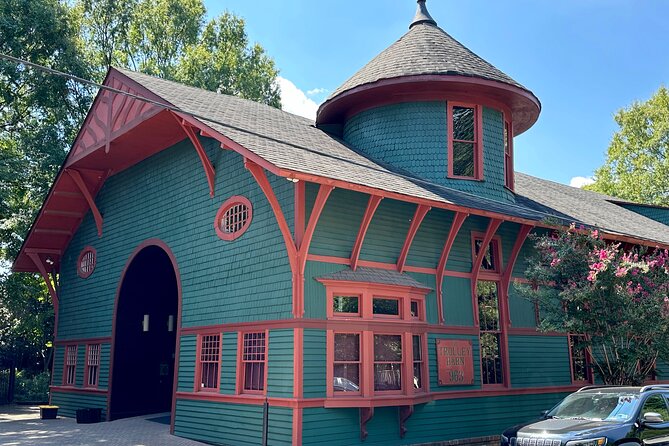
One of the most practical parts of this tour is the discussion of Atlanta’s 22-mile rails-to-trails project. Even if you never plan to bike, it matters. This type of project changes how people move, where they feel safe to walk, and what kinds of businesses can cluster along the route.
In a short, guided format, you don’t just hear a buzzword. You learn what it means in real life:
- It’s a long-range plan, not a one-off improvement.
- It connects areas that used to be more separated.
- It encourages walking and biking in places where cars used to dominate.
This is where the “Then and Now” theme becomes personal. You can look at a neighborhood and imagine how a rail-to-trail corridor shifts everyday routines—commuting, errands, and social life. You also start seeing how Atlanta tries to turn older infrastructure patterns into something usable in modern times.
If your group likes city planning, infrastructure, or “how a place works,” you’ll enjoy this segment more than you might expect. It turns a drive-by sight into a lesson you can carry for the rest of your trip.
Martin Luther King Jr. National Historic Site: A Visit You’ll Remember
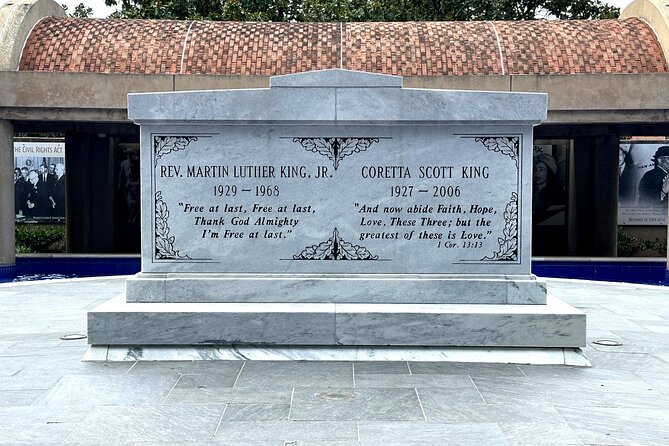
Next comes Martin Luther King Jr. National Historic Site, a national park devoted to the life of Dr. Martin Luther King Jr. You’ll have another 30-minute stop here, and admission is free.
This is the emotional center of the tour. The site includes:
- Ebenezer Baptist Church
- MLK’s birth home
- his gravesite
- museums connected to his life and legacy
Because the time is limited, the key is choosing what you want to focus on. If you want the church and the birth home as your main anchors, you’ll be able to do that. If you prefer the gravesite and the museums, you can structure your time that way with your guide’s help.
Practical tip: plan for quiet moments. Even if you’re traveling with family and asking questions, keep your voice and pace gentle. This isn’t a “speed-through” site. It’s a place where your guide’s tone matters, and where you’ll probably feel the weight of what you’re seeing.
Also, because museums are included, you might want to bring a notebook or notes app. The guided context helps you connect artifacts and locations to themes, so you remember what you saw without needing to memorize every label.
Chris’s Private-Guide Style: Pacing, Questions, and Real Recommendations
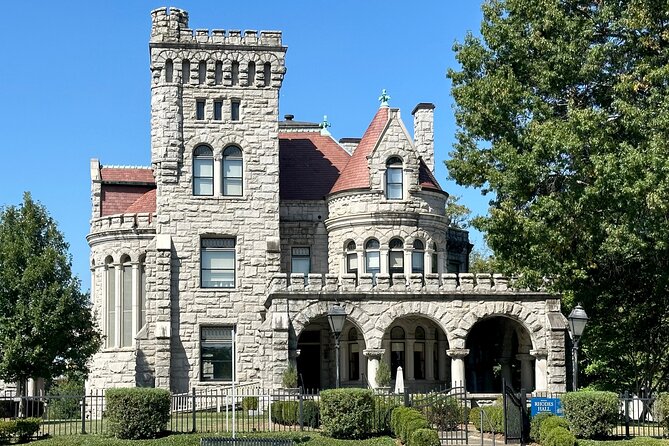
The best part of this tour for many people is how the guide handles the pace. In the feedback, Chris comes up again and again for being friendly and quick to answer questions. He doesn’t just recite facts; he structures the story and adjusts as you go.
A few things I think you’ll appreciate if you book:
- You can ask follow-ups without derailing the schedule.
- The tour can be shaped to your group, not the other way around.
- You’ll get practical restaurant suggestions after you’ve been out walking and riding for a bit.
One especially helpful detail: the tour can be tailored even within the private format, including accommodating an earlier time request when possible. That’s a big deal for visitors who want to squeeze in dinner plans or pair the history tour with another reservation.
If your travel style is “I want to learn, but I don’t want a lecture,” you’re in the right place.
Transportation, Comfort, and the Small Things That Save Your Day
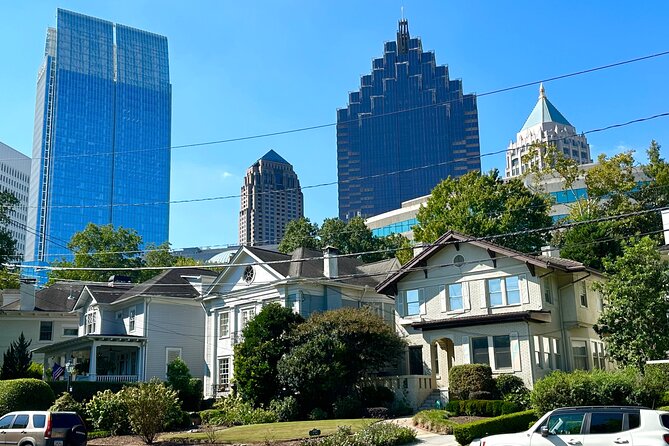
This is not a bus tour. It’s private transportation in an air-conditioned vehicle, which matters in Atlanta weather—especially if you’re visiting in warmer months. Bottled water is included, so you’re not hunting for a shop after you’ve already worked up a sweat.
Pickup is offered. Your guide contacts you 24 hours before to confirm your pickup details, so you’re not guessing where to meet. You also get a mobile ticket.
These “small” details are part of the value. When you’re doing history around town, the biggest time drain is usually travel friction—waiting, getting lost, figuring out parking, and then arriving tired. This tour reduces that, so your time goes into the places that matter.
Timing: How You’ll Spend Your 3 Hours
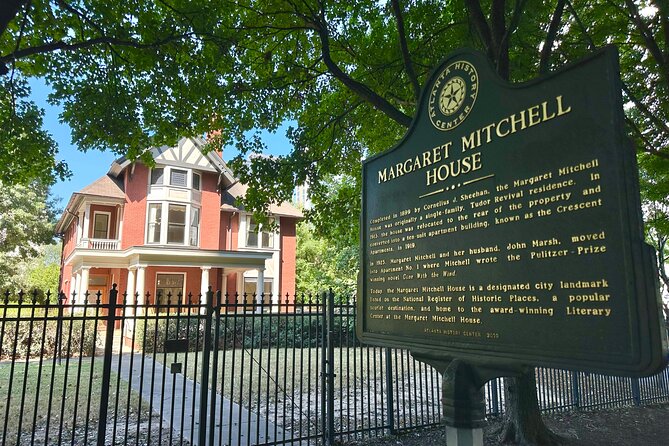
This tour runs about 3 hours and includes two major 30-minute stops: Oakland Cemetery and the Martin Luther King Jr. National Historic Site. The rest of the time is used for the connected city sights and repositioning between areas.
That timing is actually smart. You get enough time at the big anchors to feel like you experienced them, not just glanced at them. Then you still have time to get the “then and now” storyline across multiple areas, including the streets and corridor ideas tied to the rails-to-trails project.
My advice for you: arrive ready to ask questions. If you have a specific interest—civil rights, neighborhood change, Atlanta’s Olympic-era pivot, or the way modern projects rewire movement—tell your guide early. Private tours are best when you steer the conversation a bit.
Price and Value: What $140 Per Person Really Buys You
At $140 per person for a private, 3-hour format, this isn’t a budget sightseeing bargain. But it’s also not a luxury-only experience. It sits in the middle where you pay for three things that are hard to replicate on your own:
- A guide who connects the dots. Atlanta is big and layered. Without context, you can see places and still miss the story.
- Time saved through private transport. You’re not piecing together rides or worrying about logistics between widely separated stops.
- A smoother, more respectful experience at the MLK sites. You get help focusing your time where it counts.
Admission for Oakland Cemetery and the Martin Luther King Jr. National Historic Site is included/free as part of the experience, which also helps you plan without surprise costs. Bottled water and air-conditioned transport further reduce day-of hassle.
If you’re traveling as a couple, with a parent, or in a small group, the value becomes easier to see. One-on-one attention turns the tour into something that feels custom, not like a generic checklist.
Who This Tour Suits Best (and Who Might Skip It)
This tour is a great fit if:
- You want a guided Atlanta history storyline rather than random stops.
- Your group includes at least one person who needs help picking what matters most.
- You enjoy a blend of solemn history and city development.
- You like getting practical tips from someone who clearly enjoys Atlanta, like Chris and his restaurant recommendations.
You might consider a different approach if:
- Your group wants long time inside museums and buildings with lots of independent wandering (this is timed, with about 30 minutes at the MLK site).
- You prefer to read on your own at a slower pace without transport between multiple stops.
- You need a different language than English.
Should You Book This Atlanta Then and Now Private History Tour?
If you want an efficient, thoughtful way to understand Atlanta’s changes without turning your trip into a self-guided scavenger hunt, I’d book it. The private format makes it feel personal, and the guide approach—especially Chris’s friendly, flexible pacing—turns a set route into a story that fits your group.
Choose it if you’re excited by the contrast: an 1850s cemetery, late-1800s neighborhood context, the Olympic-era shift, a street-art tunnel, and then a direct connection to Dr. Martin Luther King Jr.’s life and legacy. That combination is hard to replicate casually on your own in just a few hours.
Skip it only if you already have a strong plan for exactly these stops and you don’t care about guided connections. Otherwise, this is a solid value for guided context, comfortable transport, and two major Atlanta history anchors in one outing.
FAQ
How long is the Atlanta Then and Now Private History Tour?
It’s about 3 hours.
What are the main stops on the tour?
The tour includes Oakland Cemetery and the Martin Luther King Jr. National Historic Site, plus additional Atlanta city stops that connect different eras.
Is admission included for the major stops?
Yes. Oakland Cemetery and the Martin Luther King Jr. National Historic Site have free admission as part of the experience.
What’s included in the price besides the guide?
The tour includes bottled water, air-conditioned vehicle transportation, and private transportation.
Is pickup available?
Yes. Pickup is offered, and your guide contacts you 24 hours before the tour to confirm your pickup details.
Do I need a printed ticket?
No, you’ll receive a mobile ticket.
Is the tour private or shared with other groups?
It’s private. Only your group will participate.
What language is the tour offered in?
The tour is offered in English.
Is the tour suitable for most travelers?
Most travelers can participate. Service animals are allowed, and the meeting area is near public transportation.
Is there a cancellation deadline?
Yes. There is free cancellation up to 24 hours in advance for a full refund.



![Departing from Takayama [Regular sightseeing bus] World Heritage Sites Shirakawago and Gokayama Ainokura - Ainokura Gassho Community: Gokayama’s quieter start](https://l.myfavoritehistorytour.com/wp-content/uploads/departing-from-takayama-regular-sightseeing-bus-world-heritage-sites-shirakawago-and-gokayama-ainokura-400x267.jpg)