REVIEW · DAR ES SALAAM
Bagamoyo Historical Tour – Everyday
Book on GetYourGuide →Operated by Dove Adventure Tanzania · Bookable on GetYourGuide
Bagamoyo feels like a timeline in real space: Kaole ruins, slave-trade remains, and Christian landmarks all in one day. I really like the focus on cause-and-effect history here, plus the way the drive from Dar sets you up for the shift from city energy to coastal calm. One thing to consider: if you get a guide with softer English, you may need a bit more patience to catch every detail.
You’ll ride north about 65 kilometers from Dar es Salaam in air-conditioned transport, then spend a full 8 hours moving through sites that explain how this port shaped the region. I also like that the tour doesn’t just point at ruins; it connects places like the old prison and German-era buildings to the story you’re hearing. The drawback is simple: it’s a history-heavy day, so if you’re only after beaches, plan to add extra relaxation time on your own later.
In This Review
- Key highlights you’ll actually notice
- From Dar es Salaam to Bagamoyo: the drive that changes the mood
- The core story of Bagamoyo’s trading past
- Kaole Ruins: tombs, an old mosque, and why Portuguese arrival mattered
- The slave-trade prison site: facing history without turning away
- Old Boma and German-era remnants: colonial power you can point to
- Dr. Livingstone and the Catholic Museum: tracing Christianity’s roots here
- Meeting the town’s gentler side: beaches and hospitality
- Guide and storytelling quality: what you can hope for
- Price and value: is $187 a fair deal for this 8-hour day?
- Who this tour is best for (and who should skip it)
- Tips to make your day smoother
- Should you book Bagamoyo Historical Tour – Everyday?
- FAQ
- How long is the Bagamoyo Historical Tour?
- Where is Bagamoyo located relative to Dar es Salaam?
- What sites will I visit during the tour?
- What is included in the price?
- Are meals included?
- What about pickup?
- Is the tour wheelchair accessible?
- Is the tour in English?
Key highlights you’ll actually notice
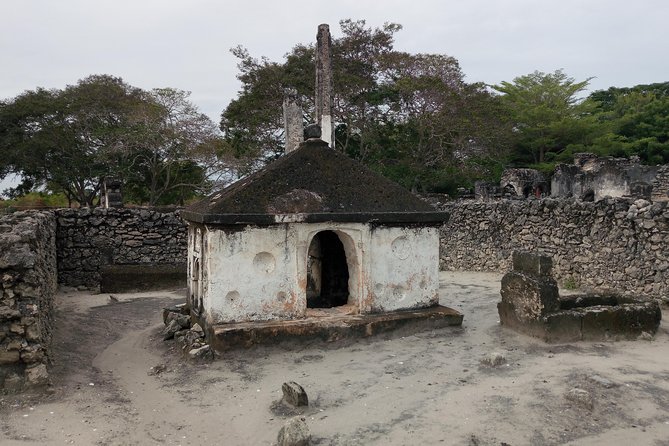
- Kaole Ruins (30 tombs) and the oldest mosque in East Africa, tied to the Portuguese arrival in the 15th century
- Slave and ivory trade reminders, including the prison site and the meaning of Bwagamoyo
- Old Boma and German WWI-era tombs, showing how colonial power left physical marks
- Catholic Museum and Dr. Livingstone’s former resting place, plus the First Cross erected by French missionaries in 1867
- Beach time and local hospitality to balance a heavy itinerary
From Dar es Salaam to Bagamoyo: the drive that changes the mood
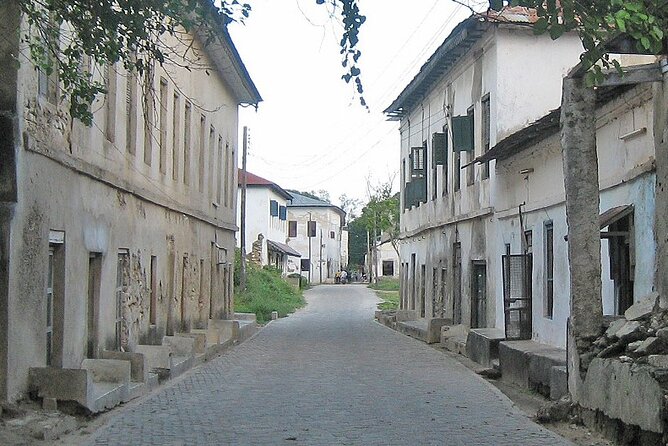
This tour starts with a straightforward pickup. Your driver waits in the hotel lobby holding a sign with your name. Then you’re in a vehicle that keeps things comfortable with air-conditioning, plus you’ve got water and soft drinks along the way.
The drive matters more than you might think. As you head about 65 kilometers north to Bagamoyo, the pace of the day shifts. You move away from Dar es Salaam’s stronger city rhythm and toward a coastal pattern where life looks slower and more spread out. One review specifically called out the drive itself as interesting, not wasted time, and that makes sense. You’re getting geography and topography in motion—coastline, settlement patterns, and the sense of why a port town became so important.
If you’re sensitive to long drives, pack your mind for a steady, guided day. But if you like place-based learning—watching the coast and imagining how trade used to work—this transfer supports the tour instead of eating it.
You can also read our reviews of more tours and experiences in Dar Es Salaam.

The core story of Bagamoyo’s trading past
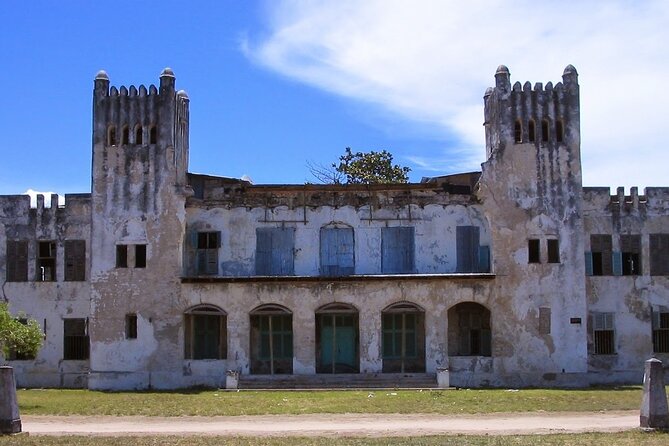
Bagamoyo was the formal capital of German East Africa, and long before that it was a major trading hub along the east-central African coast. On this tour, the goal is to understand what powered the town: commerce, foreign demand, and the human cost that came with it.
You’ll hear the story in a way that feels tied to real landmarks. That’s what makes this more than a lecture. The port’s role wasn’t abstract—it showed up in buildings, prisons, and sites you can still visit today. You also get a reminder that Bagamoyo’s name carries meaning: Bwagamoyo translates to Here I throw down my heart, reflecting the despair of people who would never return to Africa.
That line hits hard, and it’s worth mentally bracing for it. The tour doesn’t shy away from the darker chapters, including how slavery and the ivory trade affected the town.
Kaole Ruins: tombs, an old mosque, and why Portuguese arrival mattered
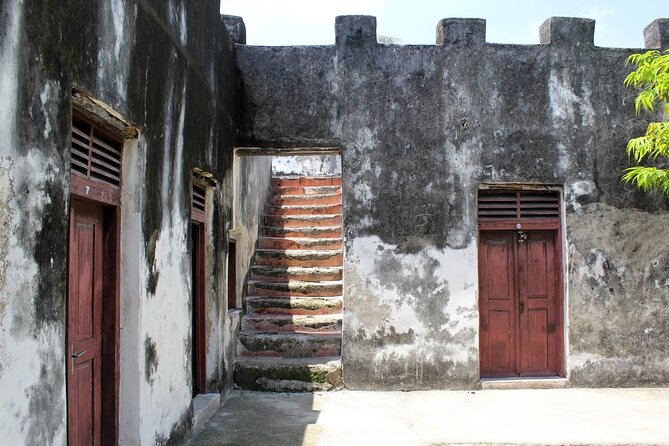
A big chunk of the experience happens at Kaole, about 5 kilometers south of Bagamoyo. This is one of those places where you can see how an Arab town once flourished—and how outside forces could reduce it.
You’ll visit the Kaole Ruins, which include around 30 tombs and the oldest mosque in East Africa. The story connected to the site focuses on Kaole as an Arab town that fell into decline after the Portuguese arrived in the 15th century. That detail is important. Decline here isn’t random. You’re looking at the physical aftermath of shifting trade routes, pressure from European powers, and changing regional connections.
What I like about this stop is how it gives you a layered view of coastal history. Bagamoyo isn’t only German or only Portuguese. It’s a crossroads where different eras overlap. Even if you’re not a “ruins person,” Kaole gives you a sense of how old coastal towns managed religious life and burial practices—and what happens when the economic engine behind them shifts.
Practical note: expect uneven ground around ruins and time spent walking between tomb areas. If you need good traction, wear sturdy shoes.
The slave-trade prison site: facing history without turning away
This tour includes a visit connected to the slave and ivory trade: the prison where enslaved people were held captive. You’ll also learn the broader meaning behind Bwagamoyo’s name, which translates to Here I throw down my heart.
This stop is emotionally heavy, and it’s good that it’s not rushed past as a quick photo stop. The tour’s approach helps you understand the human stakes behind the words you hear—trade wasn’t only about goods; it was about captivity, forced movement, and separation.
Here’s the balance point to keep in mind: this isn’t a sanitized story. If you prefer very light sightseeing, you may find this section tough. But if you want the full picture of why Bagamoyo became famous—and infamous—this is the part that makes everything else feel real.
Old Boma and German-era remnants: colonial power you can point to
After Kaole and the trade-related reminders, you shift into the colonial era with the Old Boma. This is a statehouse constructed by the Germans in 1897, and later taken over by the British after the First World War.
Then you’ll walk among the tombs of German leaders who perished during World War I. That detail gives the building context. You’re not only seeing administrative structures; you’re seeing how imperial presence included sacrifice, mortality, and long-term marking of place.
What I like about including the Old Boma and those tombs is that you get a more honest timeline. You can watch power change hands—from German construction to British takeover—without needing a history textbook. The physical setting does the work.
Potential drawback: this portion may feel more architectural than emotional for some people. If you’re craving only stories of slavery and port life, the German WWI tombs could feel like a different thread. Still, it’s a key thread because it explains why the town became formalized under European colonial administration.
Dr. Livingstone and the Catholic Museum: tracing Christianity’s roots here
Next up is a Christianity-focused stop at the Catholic Museum. This includes the former resting place of Dr. Livingstone. You’ll also see the First Cross erected in 1867 by French missionaries.
Even though this section is different in tone from the earlier stops, it fits the same overall theme: Bagamoyo wasn’t shaped by a single influence. It absorbed trade networks, foreign governance, religious missions, and the cultural ripple effects that followed.
I like that the tour connects religious history to specific objects and sites rather than leaving it at general statements. Seeing Livingstone’s former resting place and the First Cross gives you clear anchors, so the story becomes easier to remember after your day ends.
Meeting the town’s gentler side: beaches and hospitality
After the main historic sites, you finish with Bagamoyo’s warmer side: hospitality and beaches. This is the part that helps you breathe after the weight of the earlier stops.
You may not expect it, but this “reset” matters. Without it, the day would feel like nonstop heavy facts. With it, you get a more human sense of the town as it is today—places where you can let the day slow down, enjoy the coast, and reflect on what you learned.
If you want to keep the momentum positive, take a little time to notice everyday life around you—people moving, the rhythm of the shoreline, and how a place once tied to forced movement now also supports rest and recreation.
Guide and storytelling quality: what you can hope for
A tour is only as good as how it’s explained. In at least one experience, the guide named Michael stood out for being great company and for safely navigating the road to the historical center. Another name that came up as part of the narration was Sedic, described as an added bonus with quick storytelling on topics like immigration, controllers, leaders, education, art, and landscape—covering the port’s broader connections.
That matters because this tour is packed. The difference between an okay day and a standout day is usually clarity. With a strong guide, you can connect the dots across very different stops.
One caution from a different booking: the English level of the tour guide was reported as low. That’s not something you can fully control, but you can manage your expectations. If you’re the type who wants perfect language, bring flexibility. If you’re okay following along even when phrasing is rough, the sites themselves still do a lot of the work.
Price and value: is $187 a fair deal for this 8-hour day?
At $187 per person for an 8-hour tour, you’re paying for a full-day structure with air-conditioned transport, an English-speaking guide, and included water plus soft drinks. Meals and alcohol aren’t included.
Is it good value? For me, it depends on how you like to travel.
You’re getting:
- A longish day trip with multiple distinct stops, not just one site
- Transport out of Dar es Salaam and back, handled for you
- Core sites that cover several eras: trade, German colonial presence, and mission history
- Water and soft drinks to keep the day comfortable
What you’re not getting:
- Meals (you’ll want to budget separately)
- Alcohol (fine for most people on a driving-heavy history day)
If you’re traveling with limited time in the Dar area and you want a concentrated day of place-based history, this price can feel reasonable. If you’re the kind of traveler who prefers slow, independent wandering, you might find it pricey—especially because you’ll be following a planned sequence rather than choosing your own pace.
Who this tour is best for (and who should skip it)
This works best for you if:
- You like history with physical anchors—ruins, buildings, tombs, and memorial places
- You want a single day that covers trade history, colonial traces, and Christian landmarks
- You’re okay with a heavier theme (slavery and captivity are part of the story)
- You want a guided day trip while staying based around Dar es Salaam
It may not fit as well if:
- You want mostly beach time and minimal walking
- You dislike uncomfortable historical topics
- You only want light, casual sightseeing
Also, the tour is wheelchair accessible, which is a plus if that matters for your plans.
Tips to make your day smoother
- Wear comfortable shoes for uneven ruin areas and walking between stops.
- Bring a sun layer. Coastal sun can be strong even when the day feels manageable.
- Carry a bit of cash or a payment plan for food since meals aren’t included.
- If English clarity matters to you, mentally prepare to focus on the sites themselves too—not only the narration.
Should you book Bagamoyo Historical Tour – Everyday?
I’d say book it if you want one solid day that turns Bagamoyo into a story you can actually remember: Kaole’s ruins and oldest mosque, the prison connected to slavery and ivory trade, Old Boma’s German-era traces, and Christian landmarks tied to Dr. Livingstone and the First Cross. The included transport and guide make this easier than trying to stitch together multiple stops on your own.
Skip it if your priority is pure relaxation, because this day is built around history and a difficult chapter. But if you’re ready for that mix of heavy facts and coastal breathing space, this is a strong use of time from Dar es Salaam.
FAQ
How long is the Bagamoyo Historical Tour?
The tour lasts 8 hours.
Where is Bagamoyo located relative to Dar es Salaam?
Bagamoyo is about 65 kilometers north of Dar es Salaam on the coast.
What sites will I visit during the tour?
You’ll visit Kaole Ruins, the prison where enslaved people were held captive during the slave and ivory trade, the Old Boma, tombs of German leaders from World War I, the Catholic Museum (including Dr. Livingstone’s former resting place), and the First Cross erected in 1867 by French missionaries. You’ll also have time to enjoy Bagamoyo’s beaches and hospitality.
What is included in the price?
The tour includes air-conditioned transportation, an English-speaking guide, water, and soft drinks.
Are meals included?
No, meals are not included.
What about pickup?
Pickup is included. Your driver will wait in your hotel lobby with a sign showing your name.
Is the tour wheelchair accessible?
Yes, the tour is wheelchair accessible.
Is the tour in English?
Yes, the tour guide provides narration in English.