REVIEW · ATHENS
Paul”s Footsteps Ancient Corinth Biblical Tour
Book on Viator →Operated by Great Greece Tours · Bookable on Viator
Paul’s route becomes real, step by step. This is a private day trip from Athens built around the Apostle Paul in Corinth, with a calm schedule and a modern van that saves you time between sites. I especially liked the way the stops connect into one story, from the Corinth Canal to Ancient Corinth and the church tied to Paul’s era.
You’ll also appreciate the practical touches: Wi‑Fi on board for quick reading as you ride, plus bottled water and hotel/cruise pickup and drop-off. The main consideration is cost creep: some stops are free, but several key archaeological sites and museums have entrances (listed as about €15 per person), and lunch is not included.
In This Review
- Key Highlights You’ll Notice Right Away
- Why Corinth Feels Different When You Follow Paul’s Route
- Price and Logistics: What You’re Paying For (and What to Budget)
- Pickup in Athens: The Van That Actually Gets You Out of the City
- The Ride With Wi‑Fi: How to Use It Without Turning Your Trip Into Homework
- Stop 1: Corinth Canal (Isthmus Canal) and the Photos You’ll Want
- Stop 2: The Diolkos Rollway (Ancient Transport Track)
- Stop 3: Temple of Apollo in Corinth
- Stop 4: Archaeological Museum of Corinth (Where the Finds Make Sense)
- Stop 5: Acrocorinth (The Fortress That Watches the Canal)
- Stop 6: Ancient Port of Kenchreai (Where Paul Connects to Aquila and Priscilla)
- Stop 7: Ancient Corinth (Archaia Korinthos) and the Sites Inside the City
- Stop 8: Apostolos Pavlos Church (A Short Final Stop With Strong Timeline Value)
- The Real Star: Your English Driver-Guide (and How to Make the Most of Them)
- Who This Tour Fits Best (and Who Might Want Something Different)
- Should You Book This Paul’s Footsteps Ancient Corinth Tour?
- FAQ
- How long is the Paul’s Footsteps Ancient Corinth Biblical Tour?
- Is this a private tour?
- What language is the tour offered in?
- Does the tour include pickup and drop-off in Athens?
- Is Wi‑Fi available during the tour?
- Are entrance fees included?
- Is lunch included in the tour price?
Key Highlights You’ll Notice Right Away
- Private vehicle between major Corinth sites so you’re not wrestling with transfers and timetables
- Wi‑Fi in the van so you can research Paul and the places as they appear
- Acrocorinth viewpoints that make the whole region click, especially with the canal visible from the castle area
- A mix of free stops and paid archaeology for a flexible, value-minded itinerary
- English driver-guide for biblical touring, with guides like Kostas, Nick, George, and Constantine mentioned in past experiences
Why Corinth Feels Different When You Follow Paul’s Route
Corinth isn’t just a stack of ancient ruins. On this tour, it’s a moving map of Paul’s life—places where he traveled, worked, and preached—stitched together with enough time to actually notice details.
I like tours that treat the ride as part of the experience, not just transportation. Here, the drive matters because you’ll be guided with context while you’re heading from stop to stop, so each location lands with meaning instead of feeling random.
And because it’s private (up to 2 people in your group), the pace doesn’t get crushed by other schedules. You can spend your energy on questions and photos instead of watching the clock for a larger crowd.
You can also read our reviews of more tours and experiences in Athens.

Price and Logistics: What You’re Paying For (and What to Budget)
The price is $350.68 per group (up to 2) for a 6 hours 30 minutes tour, with pickup and drop-off included in Athens. For two people, that can be a sensible deal versus paying separately for multiple tickets and rides, especially since you’re using a private, air-conditioned vehicle.
What to budget beyond the headline price is the entrance side. The tour notes €15 per person for entrance fees at archaeological sites and museums, and it also marks which stops are free versus not included. Since several major sites fall into the not-included category, I’d plan on carrying a bit of cash/card so you don’t end the day surprised.
Lunch is also not included. That’s normal for a countryside excursion, but it does mean you’ll want to either eat before your pickup or pick a restaurant after your last major ruins stop.
Pickup in Athens: The Van That Actually Gets You Out of the City
Pickup is one of the strongest practical perks here. You meet your driver/guide with a sign showing your name at your hotel, Airbnb, or cruise location in Athens, and you return the same way at the end.
That matters because Corinth is not a quick walk from downtown. A private van keeps you from juggling public transit, multiple taxis, or waiting around while your group fractures.
Past experiences also mention early pickup and smooth, comfortable rides—clean and cool, the kind of drive where you can settle in right away. If you want a less-stressful start, this is the format that delivers.
The Ride With Wi‑Fi: How to Use It Without Turning Your Trip Into Homework
The van includes Wi‑Fi and the tour is built around biblical context, so it’s easy to turn the experience into a mini research session. I like using Wi‑Fi for simple, low-effort goals: refresh names, check location layouts, or pull up a quick map so you understand what you’re seeing.
You do not need to do any reading during the drive to enjoy the day. But if you’re the type who likes to connect dots, this setup is handy, because you’ll often be looking at a place that has a specific story attached to it.
Also, having Wi‑Fi in the vehicle helps if you’re traveling with someone who wants to verify dates or compare perspectives. It keeps everyone on the same page.
Stop 1: Corinth Canal (Isthmus Canal) and the Photos You’ll Want
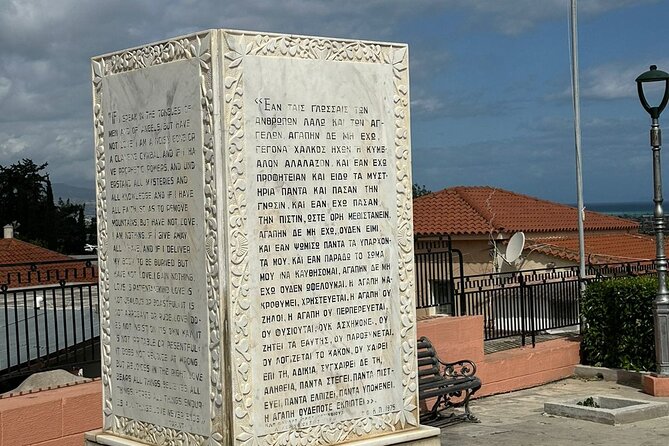
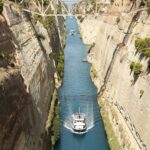
You start at the Corinth Canal, known as the Isthmus Canal. The tour gives key dimensions to anchor your mental picture: it’s about 4 miles long, roughly 80 meters high, and around 27 meters wide.
There’s a useful story here too. The canal route is described as existing long before modern excavations—dating back to around 2700 B.C. The Romans are also mentioned as transferring boats using a rolling method with wood.
At 20 minutes and admission free, this stop is short but valuable. It’s a strong opening because it frames the geography of Corinth. If you love skyline views and quick photo breaks, you’ll appreciate how early this is in the day.




Stop 2: The Diolkos Rollway (Ancient Transport Track)
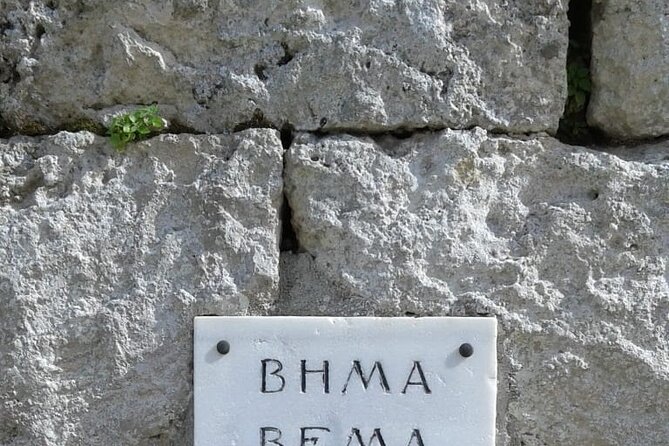
Next up is the Diolkos, described as an ancient rollway dating back to around 2700 B.C. This is the kind of site that can feel abstract if you don’t get guided context, but with a driver-guide tying it to how people moved goods and boats, it becomes more than just stones in the landscape.
Your time here is 15 minutes and admission free. That makes it a great “information stop” that won’t steal time from the bigger ruins later.
If you’re hoping to linger and really examine details, you might wish there were more time, but the overall itinerary is clearly designed to keep moving.
Stop 3: Temple of Apollo in Corinth
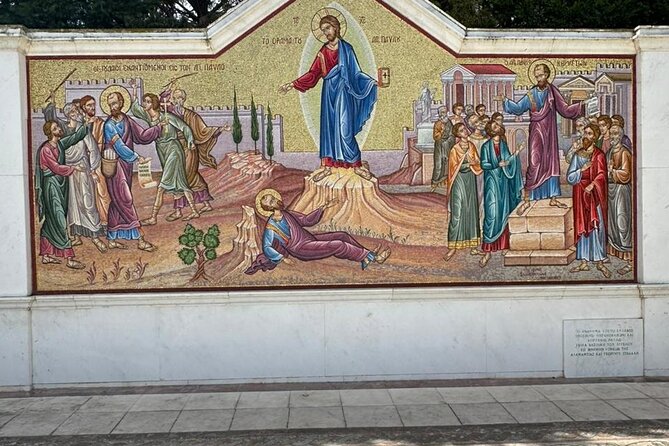
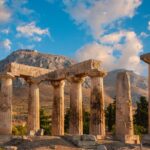
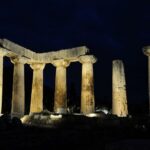
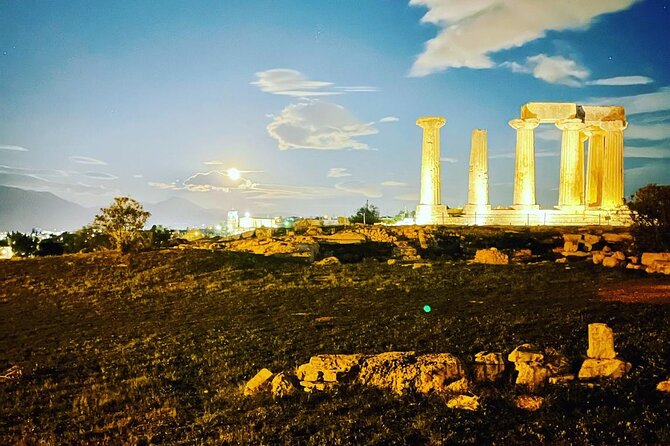
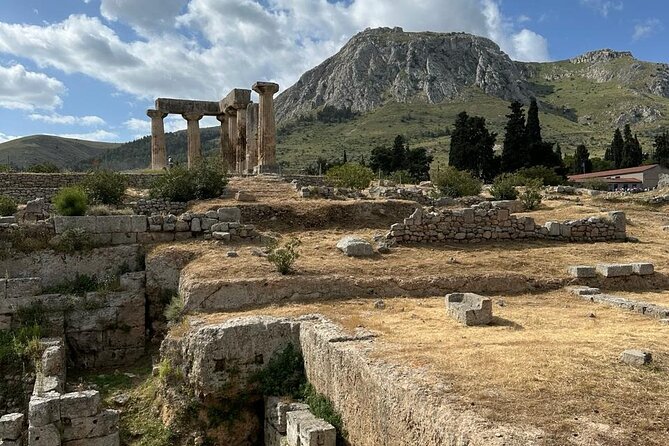
The Temple of Apollo is tied to the local divine and cultural story of Corinth, and the tour frames Apollo as connected to light and music for both Greeks and Romans. There’s also an interesting point about visibility: the tour notes that this Apollo temple is the one where the sun can be seen from all sights.
You get about 30 minutes, and admission is not included for this stop. I’d treat this as a “look carefully” moment. Take a few minutes to scan the setting and think about where people would have stood, especially with that sun-and-light claim in mind.
Stop 4: Archaeological Museum of Corinth (Where the Finds Make Sense)
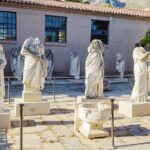
The Archaeological Museum of Corinth is your best chance to see artifacts that turn the ruins from “pretty stone” into “real daily life.” The tour points out that the museum includes statues and references Roman emperors such as Periander and Gallion, along with items like amphoras—specifically noting 265 amphoras with distinct styles and Greek key patterns.
You’ll have about 1 hour here, and admission is not included. Museum time is where you’ll benefit most from paying the entrance fee. Outside, you get ruins and walls; inside, you get objects tied to trade, worship, and the city’s role in the Roman world.
One practical note: since this is a museum stop, wear shoes that can handle indoor walking. It’s not a long trek, but you’ll want to stay comfortable for the day.
Stop 5: Acrocorinth (The Fortress That Watches the Canal)
If you want one stop where the whole region clicks, it’s Acrocorinth. The tour describes it as a castle from the 5th century B.C., sitting about 530 meters high, with a winter palace reference connected to Caesar.
It also points to the Temple of Aphrodite story, including a claim about the site being linked to 1,000 women of Corinth. Whether you treat that as legend, tradition, or historical reference, it’s still a vivid way to understand how the tour’s guide is interpreting the site for a biblical theme.
You’ll get around 1 hour and admission is not included. The views are the real payoff, especially because the tour notes you can see the Corinth Canal and where boats appear from this vantage.
I recommend using Acrocorinth to slow down for 5–10 minutes. Stand, look, then let the place explain itself: rivers, roads, and the canal route become easier to picture when you’re above them.
Stop 6: Ancient Port of Kenchreai (Where Paul Connects to Aquila and Priscilla)
Next is the Ancient Port of Kenchreai, tied closely to Paul’s journey. The tour frames this as a location where Paul arrived around 51 A.D., with Priscilla and Aquila connected to tent-making. It also mentions that Paul stayed there for overnights and that he later departed for Ephesus about 16 months later.
You’ll have about 45 minutes, and this stop is admission free. I like this kind of stop because it breaks up the heavy archaeology with a more grounded, human timeline. Even if you’ve visited ruins before, the port setting helps you picture arrival, departure, and waiting.
It’s also described as a place where you can see the very first Christian church. If you’re particularly focused on early Christianity, this is worth treating like a main attraction rather than a quick photo break.
Stop 7: Ancient Corinth (Archaia Korinthos) and the Sites Inside the City
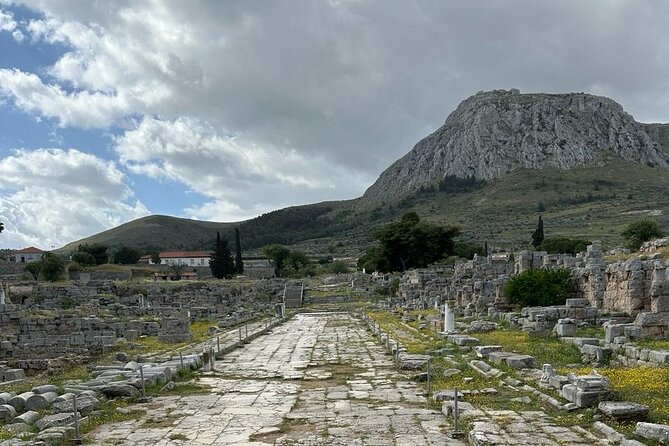
Now you reach the heart of the day: Ancient Corinth (Archaia Korinthos). The tour describes it as a centuries-old area—stated as about 7,000 years—and highlights the main spots you’d want for a Paul-centered route.
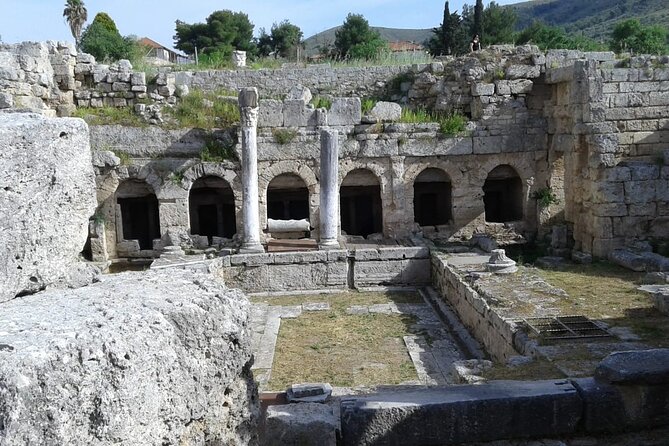
Expect a route that covers the Temple of Apollo, the Octavias Temple (connected to Caesar’s mother), the Agora, the Oracle of Corinth, and an Ancient Church of Paul, plus a museum area and other points. Your time here is about 2 hours, and admission is not included.
This is the stop where pacing matters. Two hours can feel right if you’re guided well, especially because you’ll want a bit of time to wander, not just march. If you’re someone who likes to take breaks, keep water handy and don’t feel guilty stepping aside to look without racing.
Also, the variety here is a benefit for visitors with different interests. If you’re focused on biblical places, there are church-related references. If you’re focused on Roman civic life, the Agora and other structures help you understand the wider setting where early communities formed.
Stop 8: Apostolos Pavlos Church (A Short Final Stop With Strong Timeline Value)
Your last stop is Apostolos Pavlos Church, described as an ancient church associated with 51 A.D. This stop is 20 minutes and admission free.
Because it’s short, it works well as a wrap-up. You’re not forced into another long payment-and-walk cycle right at the end. Instead, it gives the day a clean close: you can reflect on how the places you visited connect to Paul’s story.
The Real Star: Your English Driver-Guide (and How to Make the Most of Them)
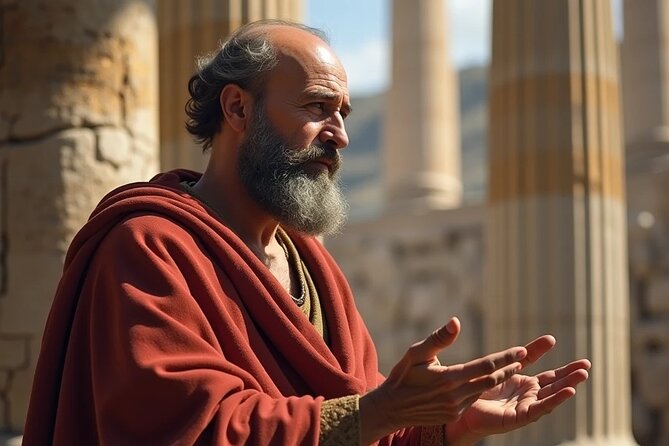
This tour is built around a Biblical touring driver-guide who provides English narration. Based on guide names that show up in past experiences—Kostas, Nick, George, and Constantine—the common thread is clear communication and a storytelling approach that connects the landscape to Paul’s journey.
One thing I’d keep in mind: the included guide service is not the same as having a separate licensed archaeologist or site specialist inside every location. The tour does mark that a licensed tour guide inside archaeological sites is not included.
So if you want a deeper scholarly explanation of Ancient Corinth’s social systems, daily life, and Paul’s context at a high level, you may have to do a bit of extra reading on your own or ask your driver-guide for specific details as you go. The good news is the private setup makes it easier to ask questions without feeling rushed.
A practical tip: at each paid site, ask one targeted question before you walk in. For example, ask what you should watch for first, or which part of the story this place supports. It turns the visit from passive viewing into purposeful exploring.
Who This Tour Fits Best (and Who Might Want Something Different)
This is a strong fit for you if:
- You’re in Athens and want a single-day Corinth route centered on Paul’s footsteps
- You like a private pace and hate waiting around in bigger group tours
- You want practical sightseeing plus biblical context without planning every stop yourself
You might want a different option if:
- You expect every site to come with extensive inside-the-ruins expert interpretation (the tour doesn’t promise a separate licensed guide for all archaeology areas)
- You’re cost-sensitive and don’t want to budget additional entrance fees and lunch
Should You Book This Paul’s Footsteps Ancient Corinth Tour?
I think it’s a smart booking if your goal is to connect the places. The itinerary builds a coherent line—from the canal and ancient transport (Corinth Canal and Diolkos) to temple life (Apollo), to artifacts (Corinth museum), to the fortress viewpoint (Acrocorinth), then back down into the port and city story (Kenchreai, Ancient Corinth, and the Apostolos Pavlos Church).
The main reason to book is the combination of private transportation, Wi‑Fi, and a guide who ties it all to Paul. If you’re willing to budget about €15 per person for the paid archaeological entries and you bring your own lunch plan, you’ll get a day that feels intentional instead of rushed.
If that’s what you want—one day, clear connections, and fewer logistics headaches—this is worth your time.
FAQ
How long is the Paul’s Footsteps Ancient Corinth Biblical Tour?
It runs for about 6 hours 30 minutes.
Is this a private tour?
Yes. It’s private, and only your group participates (up to 2 people per group).
What language is the tour offered in?
The tour is offered in English.
Does the tour include pickup and drop-off in Athens?
Yes. Pickup is available at hotel, Airbnb, cruise, or any location in Athens, and drop-off is included.
Is Wi‑Fi available during the tour?
Yes. Wi‑Fi is available on board the vehicle.
Are entrance fees included?
Entrance fees for archaeological sites and museums are not included (listed as €15.00 per person). Some stops are marked free, while others are marked not included.
Is lunch included in the tour price?
No. Lunch is not included.