REVIEW · DAR ES SALAAM
Ancient Bagamoyo City Day Tour
Book on Viator →Operated by Enroute Africa · Bookable on Viator
Bagamoyo turns a day into a time machine. I love how this tour links Bagamoyo Museum slave-trade storytelling with the archaeology and Arab-era clues at Kaole Ruins, all in one smooth coastal loop. You also get a practical day out, not a rushed bus circuit, with a proper lunch and time at each stop.
One thing to consider: it’s a long, structured 10-hour day, so plan for sun, walking, and heat breaks built into your stops rather than between them.
In This Review
- Key highlights worth planning for
- Why Bagamoyo is a smart day trip from Dar es Salaam
- Getting picked up and staying on schedule (7:00 am start)
- Bagamoyo Museum: seeing the trade story in context
- Kaole Ruins: Arab-era coastal power you can actually see
- Old Boma by the beach: customs, trade, and colonial strategy
- Old Bagamoyo Cathedral and David Livingstone-linked areas
- Crocodile and reptile sanctuary: close-up photo time
- Lunch, snacks, bottled water, and the drink policy
- The guide experience: friendly, professional, and question-friendly
- Price and value: what $200 buys you on a 10-hour private day
- Who this tour suits best (and who might rethink it)
- Should you book the Ancient Bagamoyo City Day Tour?
- FAQ
- What time does the tour start?
- How long is the Ancient Bagamoyo City Day Tour?
- Is pickup included?
- What’s included in the price?
- Are entrance fees included for all stops?
- Is this a private tour?
- Will I get a ticket on my phone?
- What are the rules for alcoholic beverages?
- Is cancellation free, and what if the weather is bad?
Key highlights worth planning for
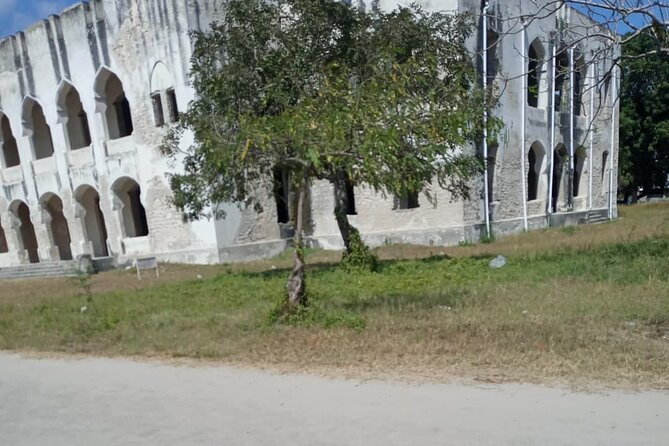
- Bagamoyo Museum included: one hour focused on the slave trade and Bagamoyo as an old East African capital
- Kaole Ruins included: ruins that connect Arab colonial influence to local culture and the rise of trade cities
- Old Boma by the beach: a short stop that frames customs and strategic coastal trade
- Old Bagamoyo stops: cathedral visit plus areas associated with explorer David Livingstone
- Crocodile and reptile sanctuary: a hands-on style chance for close-up photos
- Private group feel: pickup from Dar es Salaam, your own group only, and a guide who keeps the day moving with context
Why Bagamoyo is a smart day trip from Dar es Salaam
Bagamoyo sits on Tanzania’s coast and carries layers. The town grew out of an older Swahili settlement tied to Kaole, and later it became the German colonial capital of German East Africa. That switch from Swahili coastal power to colonial administration is exactly the kind of story that makes a day trip worthwhile.
You’re also going to see how coastal trade shaped everything: where people lived, what they built, and what roles the town played. And because it’s a coastal town, the sites don’t feel like random museum stops. They feel tied to sea life, ports, customs, and movement along the Indian Ocean.
You can also read our reviews of more tours and experiences in Dar es Salaam.
Getting picked up and staying on schedule (7:00 am start)
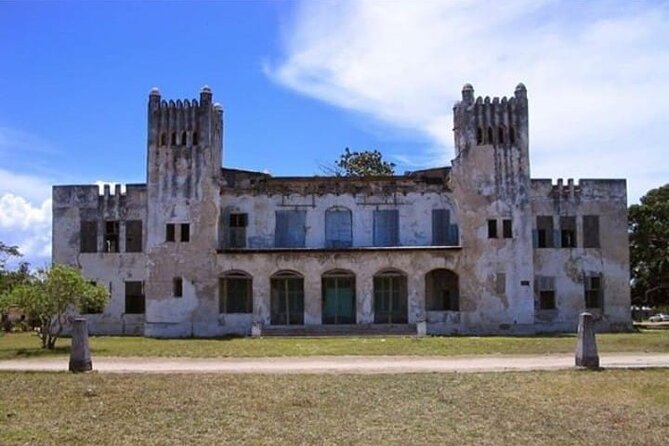
The tour starts early, around 7:00 am, with pickup offered. You’ll spend about 10 hours total, so you want to treat this like a full day out, not a quick outing between other plans.
It’s a private tour, meaning only your group participates. That matters because you can ask questions as you go, and the pace tends to match your interests. You’ll also have a mobile ticket, which is helpful when you’re juggling phone maps, photos, and the rest of the day.
Bagamoyo Museum: seeing the trade story in context
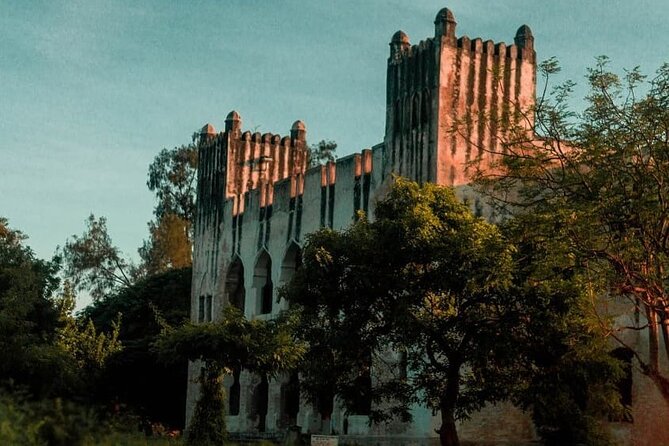
This is your first big history anchor, with about 1 hour and the admission ticket included. The Bagamoyo Museum focuses on the slave trade and on the history of Bagamoyo as an important early East African capital.
What I like about starting here is that it gives you a framework before you head to ruins and religious sites. Without that base, the coastal architecture and old forts can feel like scenery. With it, you start noticing how trade routes, colonial decisions, and local life shaped the town’s layout and importance.
If you prefer history that’s direct and specific, you’ll probably appreciate this stop. The theme is heavy, but it’s organized around the town’s role and timeline, so you’re not left guessing what you’re looking at.
Kaole Ruins: Arab-era coastal power you can actually see
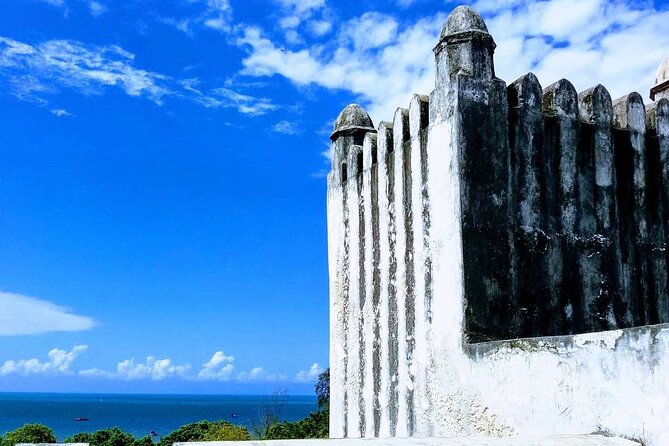
Next up is Kaole Ruins, again about 1 hour, with admission included. These ruins connect to the coastal city’s period under Arab colonial influence and the way the city advanced in both technology and culture.
One detail worth paying attention to is how the ruins tie language and trade together. The site explains the emergence of other trading cities and how Kiswahili developed as a local East African language through coastal contact. That’s the kind of connection that makes you see Kiswahili as more than a classroom subject.
Practical tip: ruins are often uneven and exposed to sun. Wear shoes you trust. Bring water breaks into your rhythm even if the stop is only an hour, because the day starts early and coastal heat can build.
Old Boma by the beach: customs, trade, and colonial strategy

You’ll spend about 30 minutes at Old Boma, near the city’s beach area. The focus here is the customs aspect—how the old city participated in trade and why it mattered strategically during colonial times.
Even though it’s short, this stop is useful because it shifts you from broad history to something more tangible: trade enforcement, movement of goods, and the practical machinery behind a port city.
This is a good pause point in the day. If you want photos, this is one of the moments where the coastal setting can help your images feel more grounded than museum walls.
Old Bagamoyo Cathedral and David Livingstone-linked areas
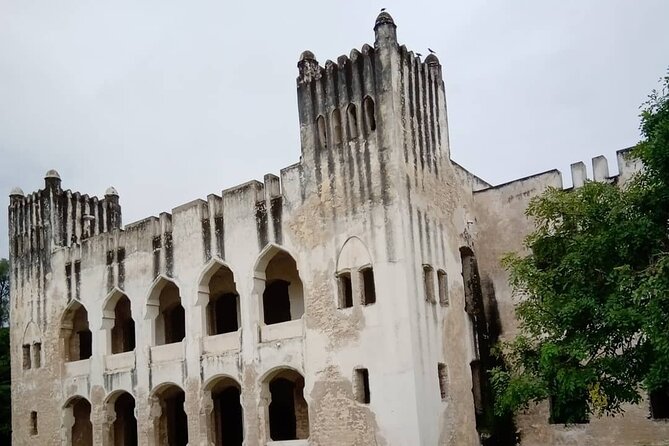
After Old Boma, you’ll move into Old Bagamoyo for a visit to the old cathedral and areas connected with explorer David Livingstone. This part lasts about 1 hour, and admission here is listed as free.
This stop gives your day a different angle. Instead of focusing on port logistics and political shifts, you get a window into how communities organized worship and how European explorers fit into the wider coastal story.
It’s also a chance to slow down and look at older town texture—streets, building style, and the sense of place. If you love architecture and place-based storytelling, you’ll likely enjoy having a full hour here rather than a quick photo stop.
Crocodile and reptile sanctuary: close-up photo time
You’ll then head to the crocodile and reptile sanctuary for about 40 minutes. Admission is free for this segment, and the experience is built around getting up close, including the possibility to hold them for better pictures.
This is not a silent, stand-and-stare kind of stop. It’s more interactive, and that can be a fun contrast to the heavier history segments earlier in the day.
A couple of practical thoughts: the sanctuary time is short, so if you want photos, keep your camera ready and follow staff instructions closely. If holding animals isn’t your thing, you can still watch and take pictures as long as you respect the sanctuary’s rules.
Lunch, snacks, bottled water, and the drink policy
This tour includes lunch, snacks, and bottled water, plus alcoholic beverages. That’s a real value boost on a full-day excursion. You’re not hunting for meals mid-route or paying extra just to keep energy up.
One important rule: the minimum age for drinking is 18+. So if you’re traveling with younger folks, the non-alcohol part of your day is clearly supported, but make sure everyone’s on the same page in advance.
I also like that the day plans food into it. With a history-heavy itinerary, a scheduled lunch helps you stay patient and comfortable instead of turning the second half into grumpy-hour.
The guide experience: friendly, professional, and question-friendly
From the way the guides are described, the human factor matters here. Guides such as Mr Erick and Emmanuel are noted as friendly and professional, and hosts like Jacqueline and Miss Abby are described as welcoming and helpful.
You can expect your guide to handle the connections between eras, not just point at buildings. That approach is important at Bagamoyo, because you’re dealing with both pre- and post-colonial themes, plus trade and coastal culture. A good guide helps you connect the dots so your photos come with meaning.
Pace-wise, the day works as a sequence of different “types” of stops: museum, ruins, customs area, religious/heritage town points, then the sanctuary. That variety keeps it from feeling like one long lecture.
Price and value: what $200 buys you on a 10-hour private day
At $200 per person, you’re paying for a full, guided day that includes more than just transportation. Your day package includes lunch, snacks, bottled water, and alcoholic beverages, plus admission tickets for major sites like Bagamoyo Museum, Kaole Ruins, and Old Boma.
You also get pickup offered, a mobile ticket, and the comfort of a private tour where only your group participates. For many people, the value isn’t only the inclusions—it’s the fact that the itinerary is built to reduce wasted time. You show up, you learn, you move from one meaningful stop to the next.
If your goal is history plus coastal culture without a full multi-day commitment, this price can feel fair. If you only want one museum-type stop and nothing else, then a shorter and cheaper option might be smarter. But for a focused day on Bagamoyo, the package is built for it.
Who this tour suits best (and who might rethink it)
This tour fits best if you enjoy history tied to real places: coastal trade, early Swahili settlement roots, colonial-era transitions, and how those forces show up in buildings and ruins.
You’ll also like it if you want a balanced day: indoor learning at the museum, outdoor site time at Kaole, a beach-adjacent customs viewpoint, then a lighter interactive moment at the reptile sanctuary.
Who might rethink it:
- If you dislike long days or hot weather, you may find the 10-hour schedule taxing.
- If you’re sensitive to the subject of the slave trade, the museum stop is built around that theme, so you’ll want to decide how you want to handle it emotionally.
Should you book the Ancient Bagamoyo City Day Tour?
I think this is a strong pick if you want one day that actually explains Bagamoyo instead of just showing you a few landmarks. The structure makes sense: start with the museum’s context, connect it to Kaole’s ruins, then tie it to customs, town heritage, and coastal culture.
Book it if you:
- Want a private guided day with pickup from Dar es Salaam
- Like history that connects language, trade, and architecture
- Appreciate included meals and water on a long day
Skip or look for an alternative if you’d rather do a shorter, lighter itinerary. But if Bagamoyo is on your Tanzania list and you enjoy learning where the story happened, this tour is built for that exact goal.
FAQ
What time does the tour start?
The start time is 7:00 am.
How long is the Ancient Bagamoyo City Day Tour?
The duration is 10 hours (approx.).
Is pickup included?
Yes, pickup is offered.
What’s included in the price?
Lunch, snacks, bottled water, and alcoholic beverages are included. Entrance tickets are included for the Bagamoyo Museum, Kaole Ruins, and Old Boma.
Are entrance fees included for all stops?
Admission tickets are included for Bagamoyo Museum, Kaole Ruins, and Old Boma. Admission for the cathedral and the crocodile/reptile sanctuary segments is listed as free.
Is this a private tour?
Yes. It’s private, so only your group participates.
Will I get a ticket on my phone?
Yes, you receive a mobile ticket.
What are the rules for alcoholic beverages?
The minimum age for drinking is 18 years and older.
Is cancellation free, and what if the weather is bad?
Cancellation is free up to 24 hours in advance for a full refund. If the experience is canceled due to poor weather, you’ll be offered a different date or a full refund.