REVIEW · BISHKEK
Bishkek: The Ancient Burana Tower & Kok-Moinok Canyons
Book on GetYourGuide →Operated by TDP · Bookable on GetYourGuide
A tower from the 11th century and canyons carved by time.
I really like how this trip pairs Burana Tower’s big historical weight (the remnants of Balasagun) with a totally different kind of “wow” at the Kok-Moinok Canyons, where the rock shapes look almost crafted. The route also gets extra points for a strong guiding style—folks have praised guides like Aqai, Alex, and Arslan for clear explanations and helpful energy.
One thing to plan around: it’s a long 12.5-hour day, and food and drinks aren’t included, so you’ll want to handle your own snacks and water.
In This Review
- Key highlights worth your time
- Why this Bishkek tour fits history lovers and photo hunters
- The road from Bishkek to Burana Tower: what the timing means for you
- Burana Tower: Balasagun’s 11th-century remnants you can actually stand beside
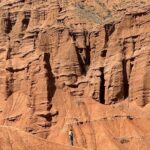
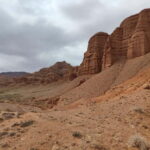
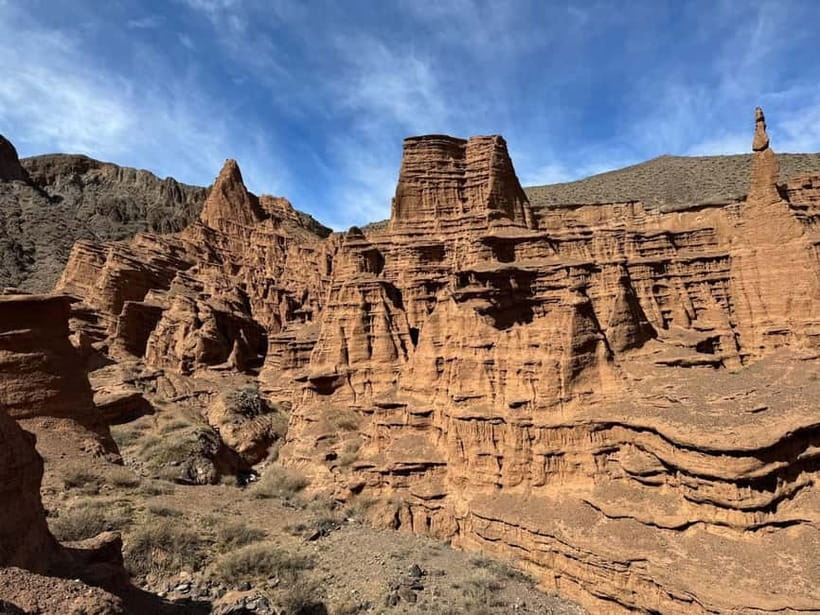
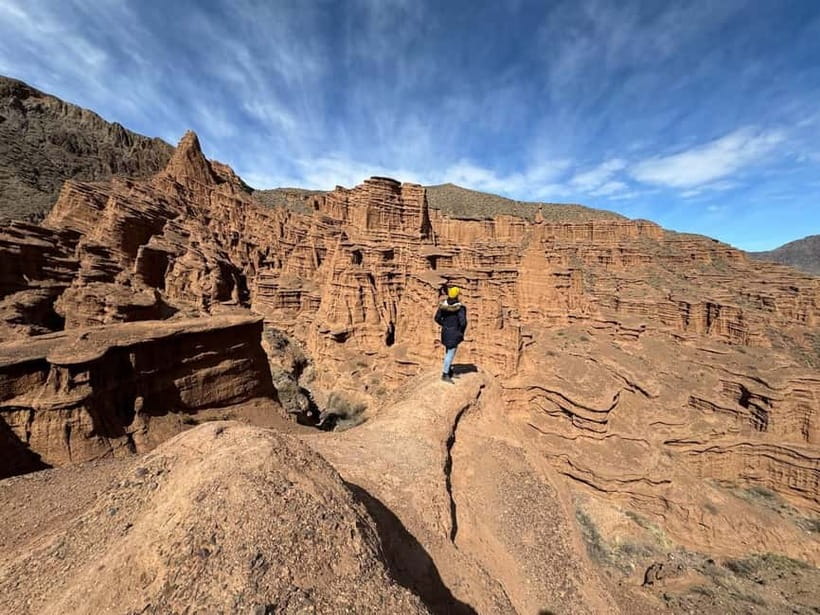
- Kok-Moinok Canyons: geology that looks like someone planned it
- How the guide style makes or breaks this kind of day trip
- Price and value: is $130 fair for Burana + Kok-Moinok?
- What to bring (and what not to bring) for a smooth day
- A realistic plan for a 12.5-hour route
- Local food breaks: how to use them well
- Should you book the Burana Tower and Kok-Moinok Canyons tour?
- FAQ
- How long is the tour?
- How much does it cost?
- What’s included in the price?
- What’s not included?
- What language is the live guide available in?
- Where is the meeting point?
- What should I bring?
- Is it suitable for people with altitude sickness or very elderly travelers?
Key highlights worth your time
- Burana Tower’s Balasagun connection: a surviving piece of the 9th–11th century Kair-Khanate world that Mongols ransacked in 1218
- Rock-and-history viewing: stone carvings and place context that make the ruins feel specific, not generic
- Kok-Moinok Canyons’ unusual formations: distinctive rocks created after an ancient ocean drained away over thousands of years
- Mountain viewpoints on your schedule: a real chance to see Kyrgyzstan’s dry mountain drama up close
- Small-group comfort: limited to 13 participants, with English and Russian live guidance
- Local taste stops: the day is built for breaks where you can grab regional food near the route
Why this Bishkek tour fits history lovers and photo hunters
If you’re basing yourself in Bishkek and want one day that actually feels like “Kyrgyzstan beyond the city,” this combination works. You’re not just driving out to a single site. You’re doing a two-part experience: first, the monumental tower at Burana; then the striking rock landscape of Kok-Moinok.
Burana Tower gives you the human story—old cities, empire shifts, conquest, and ruins left standing against the odds. Kok-Moinok shifts the focus to geology and scale. The contrast is the point. You’ll come back with both: context for the past and a clear sense of how the land shapes what people build, travel, and survive.
You can also read our reviews of more tours and experiences in Bishkek.
The road from Bishkek to Burana Tower: what the timing means for you
This is built as a full-day outing, with pickup and drop-off from central Bishkek. Burana Tower sits about 70 km from Bishkek and roughly 12 km from Tokmok, so expect a proper drive rather than a quick hop.
That matters for two reasons:
- You’ll get more “tour time” than “waiting time,” because the day is structured around the main stops.
- You’ll want to treat it like a schedule, not a casual stroll. If you’re the kind of traveler who needs to linger, bring patience—this is a time-bound trip.
Also, small groups (up to 13 people) help here. Less crowding usually means less pushing at viewpoints and more space to hear the guide’s explanations without shouting over everyone.
Burana Tower: Balasagun’s 11th-century remnants you can actually stand beside
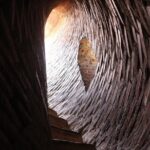
Burana Tower is the headline stop for good reason. The structure is tied to the ancient city of Balasagun, which existed from the 9th to the 11th centuries. It’s part of the region’s historical power story—then things fell apart after the Mongol ransacking in 1218. By the 14th century, the city was destroyed and left in disrepair.
What I like about visiting Burana as a guided stop is that the tower doesn’t feel like an isolated monument. It becomes a marker in a timeline you can point to:
- This is what remained after major upheaval.
- This is why “standing stones” still matter in Central Asia—because they’re tied to routes, governance, conflict, and rebuilding.
You’ll also get the chance to see stonework and the kind of place details that make the ruins feel grounded. It’s not only about climbing the imagination; it’s about looking closely at how ancient communities left their marks.
Practical note: Burana is a historic site, so wear closed-toe shoes and be ready for uneven ground. If your feet aren’t happy, your experience won’t be either.
Kok-Moinok Canyons: geology that looks like someone planned it
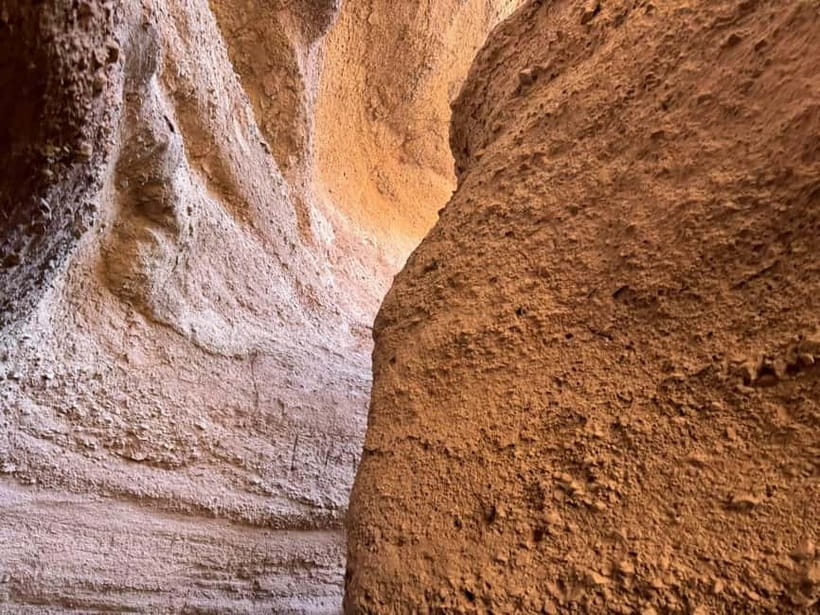
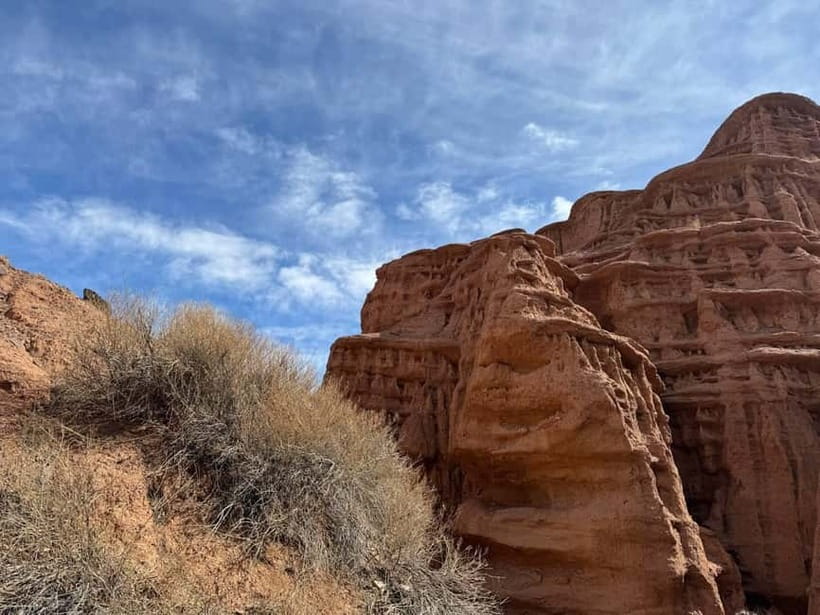
After Burana, the day pivots to Kok-Moinok Canyons—unique rocks and mountain formations that feel oddly designed even though they’re natural.
The explanation you’ll hear ties the canyon look to deep time. The rocks formed after an ancient ocean washed away, leaving behind dramatic shapes over thousands of years. That detail changes how you look at the canyon. Instead of thinking only about views, you start mapping causes: erosion, layers, fractures, and what water and pressure can do when they work long enough.
This stop is also a nice reality check for your “photo expectations.” The best results come when you slow down for a few minutes at the viewpoints the guide suggests. If you sprint from spot to spot, you’ll miss what makes Kok-Moinok special—the way rocks cluster into patterns, and how the mountains frame them.
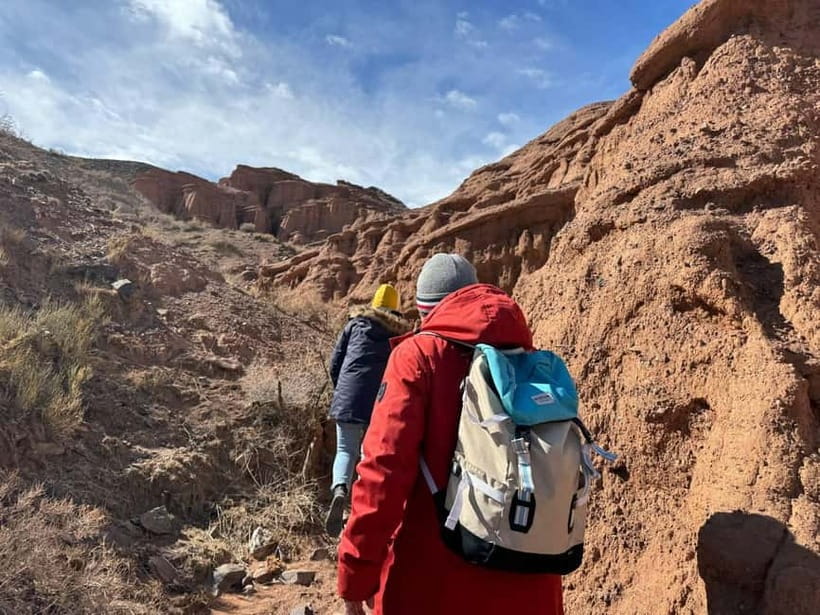
Also plan for your own comfort. The day is long, and this part of the route is still outdoors. Bring the kind of footwear and outer layer you’d use for a full morning in a mountain-adjacent environment.
How the guide style makes or breaks this kind of day trip
With tours like this, the guide isn’t a bonus. It’s the difference between seeing stones and understanding what you’re seeing.
The guiding quality on this route has strong signals in the feedback. People have highlighted humor and lots of practical context, especially from guides like Nur Sultan, Aqai, Alex, and Arslan. That’s a good match for a day that moves between two very different worlds—history at Burana, then geology at Kok-Moinok. A good guide helps you “switch gears” without feeling lost.
Language support is also part of the value: the live guidance is available in English and Russian. If you’re comfortable in one of those languages, you’ll get more out of stone details, site background, and the small tips that make timing and viewpoints easier.
Group size helps too. With a limit of 13 participants, you’re less likely to feel swallowed by the crowd at the main stops.
Price and value: is $130 fair for Burana + Kok-Moinok?
$130 per person sounds like a real decision—and it is. Here’s why it can still feel like good value if your priorities match the itinerary.
What’s included:
- Pickup and drop-off from the city
- Entrance tickets for the spots
- Guided tour plus live language guidance (English/Russian)
What’s not included:
- Food and drinks
So you’re paying for convenience and interpretation. If you tried to do this on your own, you’d still face the same basic costs: transport out of Bishkek, entry fees, and the time cost of figuring out where to go and what to look for.
This pricing also makes sense because the day combines two major stops with a long drive and guided context, not just one quick monument visit. If you want history plus dramatic nature, and you don’t want to manage logistics yourself, the guided format can be worth it.
What to bring (and what not to bring) for a smooth day
The essentials for this tour are pretty straightforward. Bring:
- Cash
- Closed-toe shoes
- Passport or ID card
And keep these limits in mind:
- Baby strollers aren’t allowed.
- It’s not suitable for people with altitude sickness.
- It’s not suitable for people over 95 years.
That altitude-sickness note is important. Even if you’re not going extremely high, this is still a mountain region day, and the tour operator flags it for a reason. If you’ve had issues before at altitude-adjacent spots, treat that as a deciding factor.
Also, since food and drinks aren’t included, I’d plan on buying snacks and water during breaks. If you rely on “we’ll find something,” you’ll feel rushed in the wrong moments.
A realistic plan for a 12.5-hour route
This trip runs about 12.5 hours, which means you should expect a structured rhythm. The best approach is mental, not just physical:
- Look at the day as a guided checklist, not an open-ended wandering day.
- Keep your expectations flexible if timing shifts.
There’s a practical lesson here: sometimes the day runs slightly shorter or priorities shift. If you’re the kind of traveler who needs every planned photo angle, you’ll want to move efficiently once you arrive, and let the guide manage the pacing.
When you follow the guide’s timing, you usually end up in the right places at the right moments—especially at viewpoints where the light and perspective matter.
Local food breaks: how to use them well
The tour includes time where you can taste local food, but it doesn’t include meals. That’s actually helpful if you like choosing what you eat.
My advice: go for something simple and filling during your stop near the route, then save your “treat” for later. A day like this includes walking on historic-site ground and time outdoors at the canyon, so your food choice should support energy, not just taste.
Also, since cash is part of what you need, you’ll avoid awkward moments where you can’t pay when you find a snack you want.
Should you book the Burana Tower and Kok-Moinok Canyons tour?
Book it if you want:
- A single day that combines major Kyrgyz historical context with striking natural rock formations
- Guided explanations in English or Russian, plus entrance tickets handled
- A small-group day trip format (up to 13 people) with enough structure to keep things moving
Skip it or think twice if:
- You need a fully flexible, slow travel day. This route is scheduled and long.
- You have altitude-sickness concerns or you’re outside the stated suitability limits.
- You don’t want to manage your own food and drinks.
If you’re excited by ruins with a timeline, and also by geology you can see with your own eyes, this is a strong option from Bishkek. It’s the kind of day where you come back tired, but with real stories in your head—and stone views in your phone camera roll.
FAQ
How long is the tour?
The duration is 12.5 hours.
How much does it cost?
It’s listed at $130 per person.
What’s included in the price?
Pickup and drop-off from the city, entrance tickets for the spots, language tour guidance, and a guided tour are included.
What’s not included?
Food and drinks, any insurances, and extra time on the spots are not included.
What language is the live guide available in?
The live tour guide is available in English and Russian.
Where is the meeting point?
The guide meets you just under the Kyrgyz Republic Flag in Ala Too square (as per the map location). If you’re staying in the city center, you can also provide your accommodation location for pickup.
What should I bring?
Bring cash, closed-toe shoes, and your passport or ID card.
Is it suitable for people with altitude sickness or very elderly travelers?
No. It’s not suitable for people with altitude sickness, and it’s not suitable for people over 95 years.