REVIEW · BISHKEK
From Bishkek: Ancient Burana and Konorchek Canyons
Book on GetYourGuide →Operated by Atlas KG · Bookable on GetYourGuide
Two Kyrgyz sites, one satisfying day. I like how this tour stacks Burana Tower heritage with a real Konorchek canyon hike close to Bishkek. You get the history in your hands at the museum, then fresh air and red rock views not far from the capital.
One thing to consider: the canyon approach includes short climbs over 1–3 meter rock steps, so you’ll want stable, grippy shoes. It’s labeled moderate hiking, and in colder months or slick conditions those “easy” rocks can feel more serious.
In This Review
- Key things you’ll notice fast
- Burana Minaret and Museum: the heritage half of your day
- Petroglyphs at the rock site: when history turns into a close-up
- Konorchek Canyons: the hike that turns the day into fresh air
- The “small but real” rock climbs
- What to focus on during the hike
- Weather can change the plan
- Lunch at a Kyrgyz kattama café: fuel that fits the day
- Price and value for $130: what you’re really paying for
- Who this tour suits best (and who should skip it)
- Tips to make the day feel easy on your body
- Should you book this Burana and Konorchek day trip?
- FAQ
- Where is the tour pickup?
- How long is the tour?
- What does the tour include?
- Is there an English-speaking guide?
- Is this a private tour?
- How much hiking is involved at Konorchek Canyons?
- Can I visit Konorchek Canyons in winter?
- What should I wear or bring?
- Is the tower climb required?
- Who is the tour not suitable for?
Key things you’ll notice fast
- Burana Tower climb: You can go up the tower on old brick-and-wood stairs for valley views.
- Museum time that makes sense: You’ll see artifacts connected to nomad-era life and regional history.
- Petroglyph site stop: This is your chance to connect the art on rock to the cultures around Balasagun.
- Konorchek canyon, guided and manageable: A mostly flat alpine trail plus a short, scenic canyon walk.
- Petroglyphs and canyon are different kinds of wow: One is still and ancient; the other moves and stretches out in color.
- Kyrgyz kattama lunch included: You eat local before heading back to Bishkek.
Burana Minaret and Museum: the heritage half of your day
This is a heritage-and-nature combo that works well when you only have one full day (or one good chunk of time) in Bishkek. The day starts with pickup in Bishkek, then heads to Burana, tied to the ancient city of Balasagun. If you’ve only seen Kyrgyz culture in cities and markets, Burana is a solid first “bigger picture” stop.
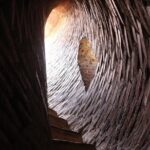
At the Burana Minaret, you’ll get a guided visit for about an hour. The tower itself is the headline, and what I like is that you’re not just looking from the ground. You can climb it using the old brick and wood stairs, and that climb gives you a different angle on the valley around the site. It’s also a great place for photos because the tower frames the area in a way flat sightseeing can’t.
The museum portion is the kind of add-on that makes a site feel real. Instead of artifacts being random objects behind glass, you get context tied to the region and the cultures that passed through. That museum stop is where you start connecting the dots between petroglyph imagery and the kinds of tools and items people used.
How long it lasts: plan on around an hour at Burana with the guide. It’s long enough to climb, look, and take in the story—without eating your whole day before the hike.
Potential drawback: if you’re not interested in climbing towers or are worried about stairs, this part might feel like more effort than you want before you reach the canyon. Still, the climb is optional in the sense that you can spend time at ground level, but the tower views are the point.
You can also read our reviews of more tours and experiences in Bishkek.
Petroglyphs at the rock site: when history turns into a close-up
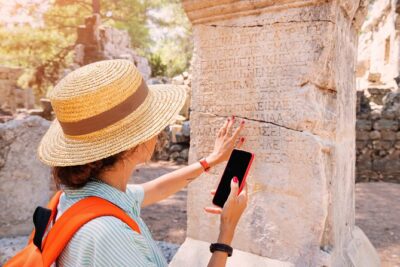
After the minaret and museum, the route includes a petroglyph site stop. This is where the tour shifts from structures and objects to something more direct: rock art. If you’ve ever wondered how people documented life, animals, symbols, or beliefs before paper and screens, petroglyphs give you that raw, physical link.
What makes this stop valuable is its pacing. You’ve just done the tower climb and museum viewing, so your brain is already tuned to “ancient objects with meaning.” Then the petroglyphs land like a follow-up: not another building, but another layer of expression.
What to expect on the ground: it’s outdoors, and it’s easy to underestimate how much walking and standing can add up when you’re also doing a climb and later hiking.
Practical tip: wear shoes that you can trust on uneven ground. You’ll be moving in and around the rock area and you want your footing to feel boring—in a good way.
Konorchek Canyons: the hike that turns the day into fresh air
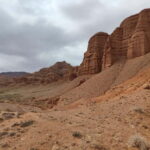
Then the tour becomes the reason many people book this in the first place: Konorchek Canyons. This part is guided and includes hiking for about 3.5 hours. The key is that the trail is described as a moderate hike with a mostly flat alpine path around 2 kilometers, followed by canyon walking with dramatic red formations.
What I like here is the balance. You’re not doing a long-distance trek that turns your day into a fitness event. You’re walking enough to feel like you earned the views, but the terrain keeps it approachable for a day trip.
A big practical plus: the canyons are accessible all year around because the area is described as not having snow that would block access. That matters for planning. If you’re traveling in colder months and you’re tired of “everything is closed because weather,” this is the kind of route that stays workable.
The “small but real” rock climbs
Here’s the part you should take seriously even though it sounds minor. The canyon access includes four rock elevations, roughly 1 to 3 meters, that you’ll need to climb. These aren’t described as mountain bouldering, but they’re enough that slippery shoes or tired legs can make them unpleasant.
My advice: treat this like a short scramble. If conditions are icy or wet, those steps can feel harder than they look. The tour explicitly calls out non-slippery shoes and athletic clothing for a reason.
A helpful detail from the field: guides like Aziz have offered hands on the boulders for safer climbing, even bringing gloves for grip and comfort. That’s a reassuring sign that the guide team is paying attention to the tricky spots, not just “walking you along.”
What to focus on during the hike
Try not to rush the canyon walk. The views are the whole point, and the canyon’s red formations look different as the light shifts. You’ll also feel the change in sound and air once you get into the canyon area—less city, more wind and open sky.
If you’re someone who likes photos, this is one of those days where stopping is worth it. You’ll be able to capture the canyon angles, and the earlier Burana climb means you’ll already have a “height perspective” in your head for comparison.
Weather can change the plan
One practical note learned from real-world experience: if conditions aren’t right (rain, for example), the best call might be adjusting what you do that day. In one case, a rainy situation led to a switch away from the canyon to a Bishkek city trip, and it still worked out well. That doesn’t mean the canyon is unreliable, but it does mean it’s smart to bring flexibility.
Lunch at a Kyrgyz kattama café: fuel that fits the day
After the hike, you’ll stop for lunch at a traditional Kyrgyz kattama café. This is included, along with bottle water. That matters more than you might think. A day trip can feel long if you’re paying for meals between stops, and included lunch removes a lot of stress.
Kattama is the right type of comfort food after a moderate hike: filling, local, and not fussy. You’ll likely feel hungry after the climb and canyon walking, and this stop is designed to bring you back to baseline before heading to Bishkek.
What to do with lunch time: don’t rush. Use the break to drink water and do a quick check of how your feet feel. If your shoes are rubbing or your socks aren’t doing their job, this is when you notice it.
Price and value for $130: what you’re really paying for
At $130 per person for an 8-hour day with a live English guide, entrances included, lunch included, and water provided, the price makes sense for the format. You’re paying for three things bundled together:
- Transport from Bishkek to multiple sites in one day
- Entrance fees for the Burana minaret and museum
- A guided, structured day that handles the timing and the “how do we do this safely” parts of the climb and canyon steps
Private group matters here too. Even if you’re traveling with just a few people, private format usually means the pace can be tailored, and the guide can give more hands-on help for the rock elevations if needed. The guide names you’ll hear along the way—Amir, Talant, Aziz, Meerman, Nuraly, Ulan, Munduz—signal that the tour company puts effort into staffing, not just scheduling.
In short: you’re not just paying for two locations. You’re paying for the flow, the guidance, and the fact that you don’t have to figure out logistics on a day where you’ll be climbing and hiking.
Who this tour suits best (and who should skip it)
This experience is best for people who want a one-day mix of culture and outdoor time without turning the day into a marathon.
You’ll likely love it if:
- You want Burana’s tower views and context at a beginner-friendly pace.
- You like moderate hikes with clear photo stops.
- You enjoy local meals and don’t want to manage lunch logistics.
You should think twice if:
- You’re bringing kids under 10, or you’re traveling with someone who prefers minimal climbing. The tour isn’t listed for children under 10.
- You’re pregnant or you’re over 70. Those groups are not listed as suitable.
- You’re uncomfortable with uneven terrain or short rock steps. Even with a guide, the climb sections require footing confidence.
Also, if you’re traveling in colder conditions, pack smart for traction. The canyon hike is said to be accessible all year, which is great—but icy rocks make a difference.
Tips to make the day feel easy on your body
A good tour doesn’t just happen to you. You help it along.
- Wear non-slip shoes. This is the big one for the canyon rock steps.
- Use athletic clothing you can move in during climbing sections.
- Bring layers. Even though this is a canyon area with year-round access, morning and afternoon temperatures near outdoor sites can shift.
- Go into the Burana tower climb with realistic expectations: yes, it’s historic stairs, and yes, you’ll feel it.
If you’re the kind of person who hates feeling rushed, you’ll probably appreciate the guided pacing. You’ll have time to look at the minaret, museum, and petroglyphs rather than getting swept through.
Should you book this Burana and Konorchek day trip?
Book it if you want a full day that connects Kyrgyz heritage with a real hike—without long travel times or a complicated plan. The big strengths are the Burana Tower climb, the museum and petroglyph pairing, and a canyon hike that’s scenic and manageable for most fit adults, as long as you respect the rock-step sections.
Skip it or choose another option if climbing short stairs and scrambling over small elevations sounds miserable. The canyon includes those four rock elevations (1–3 meters), and you’ll want to feel confident on your feet.
If you do book, you’re choosing a day that’s active enough to refresh you, but structured enough to keep it comfortable: heritage on one side, red rock canyon walking on the other, plus kattama lunch to finish the day on a good note.
FAQ
Where is the tour pickup?
Pickup is in Bishkek.
How long is the tour?
The duration is 8 hours.
What does the tour include?
It includes entrance fees to the Burana minaret and museum, a Kyrgyz traditional kattama lunch, and a bottle of water.
Is there an English-speaking guide?
Yes, there is a live tour guide in English.
Is this a private tour?
Yes, it’s listed as a private group.
How much hiking is involved at Konorchek Canyons?
There is guided hiking for about 3.5 hours, with a flat alpine trail segment of about 2 kilometers.
Can I visit Konorchek Canyons in winter?
The canyons are described as accessible all year around because the area does not have snow that blocks access.
What should I wear or bring?
Comfortable shoes are recommended, with extra emphasis on non-slippery footing for the rock steps.
Is the tower climb required?
The description says you can climb the Burana Tower using ancient brick and wood stairs, so you should be prepared for stairs if you choose to go up.
Who is the tour not suitable for?
It’s not suitable for children under 10 years, pregnant women, or people over 70 years.