REVIEW · WASHINGTON DC
Washington, DC: African American History Tour & Museum Entry
Book on GetYourGuide →Operated by USA GUIDED TOURS · Bookable on GetYourGuide
Four hours through DC’s defining civil rights landmarks. You start near the U.S. Navy Memorial and ride a climate-controlled bus for an on-the-street route that connects monuments to the people who shaped them.
I love how the tour mixes iconic stops with lesser-known pauses that add context fast. You also get reserved Smithsonian NMAAHC entry plus time inside the museum on your own schedule.
One thing to consider: much of the DC portion is photo stops and curbside explanations, and the bus setup can feel a bit tight on some vehicles. If your goal is a sit-down, guided museum lecture, you’ll want to plan your museum time well once you get in.
In This Review
- Key things that make this tour worth your time
- A 4-hour bus plan that helps you see DC with meaning
- Meeting near the U.S. Navy Memorial and getting the route right
- From the White House area to the Emancipation Statue: seeing the story in motion
- Lincoln Memorial and the MLK Jr. Memorial: what you should watch for
- Outside the Home of Frederick Douglass and then Lincoln Park
- Howard University campus stroll: history you can walk through
- Le Droit Park, Shaw, and U Street: the Black Broadway thread
- African American Civil War Memorial and Museum: the soldier story that changes the picture
- Freedom Plaza, the White House, and Logan Circle stops that broaden the map
- Smithsonian NMAAHC timed entry: using your self-paced museum time well
- Price and value: what $89 buys in time, transport, and context
- What to expect on the bus: comfort, sound, and how to prepare
- Who should book this tour (and who might not)
- Should you book this African American history bus tour with Smithsonian entry?
- FAQ
- How long is the Washington, DC African American History Tour?
- What is included in the $89 price?
- Do I get timed entry to the Smithsonian museum?
- Is this an official Smithsonian guided tour?
- Where do I meet the tour?
- Is food or hotel pickup included?
- Can I cancel or pay later?
Key things that make this tour worth your time
- Reserved timed entry to the Smithsonian National Museum of African American History and Culture, so you’re not guessing
- Curbside storytelling tied to major sites like the Lincoln Memorial and Martin Luther King Jr. Memorial
- A route through neighborhoods like Shaw and U Street, including talk of Black Broadway
- Civil War focus at the African American Civil War Memorial and Museum, centered on African American soldiers
- Guides with real momentum, often including Dre or Elvis Pate, who keep groups engaged between stops
A 4-hour bus plan that helps you see DC with meaning
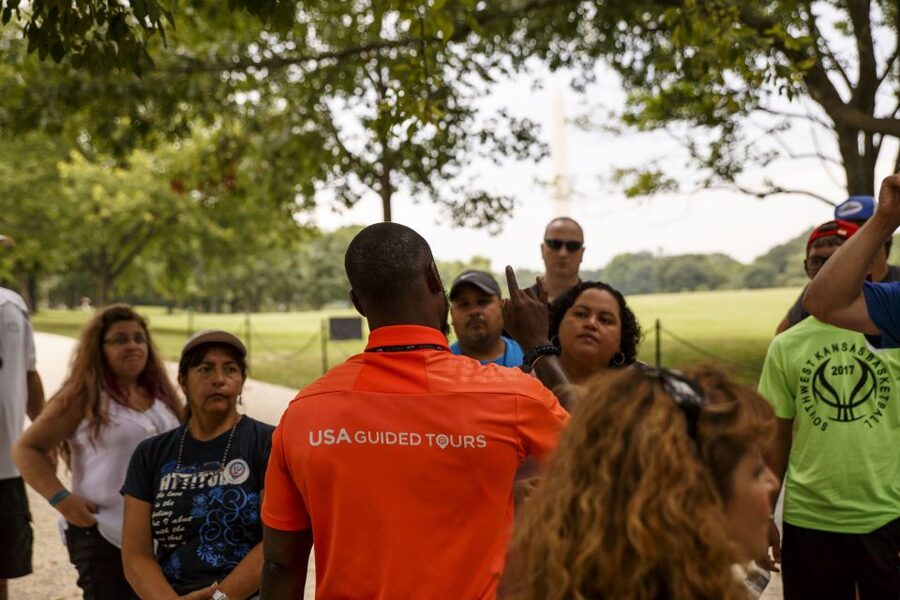
This tour is built for people who want more than a photo run. In about 210 minutes, you’re guided past a chain of major civil rights and African American history landmarks, with enough stops to build a clear storyline before you enter the Smithsonian.
The air-conditioned bus matters more than you’d think in DC. You’re moving between areas, and you’ll be glad for the comfort when the weather is hot or muggy, or when you’re out there in winter cold.
You’ll also feel the value in the structure: you’re not wandering the city alone trying to connect dots. The guide’s narration helps you read what you’re seeing, instead of treating monuments like disconnected “must-sees.”
You can also read our reviews of more tours and experiences in Washington Dc.



Meeting near the U.S. Navy Memorial and getting the route right
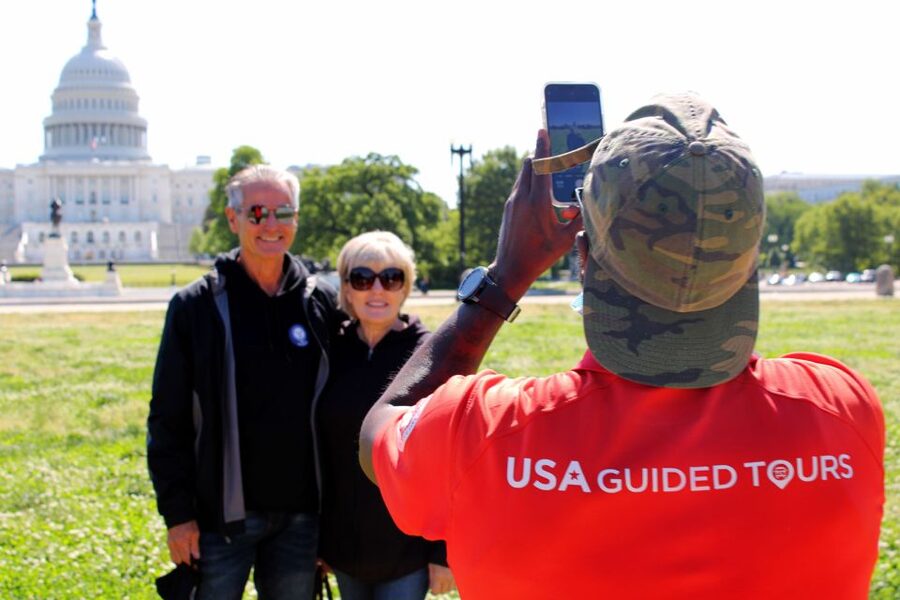
You start at a meeting point that may vary, with common options including the U.S. Navy Memorial Plaza area and nearby addresses on Pennsylvania Avenue. The day then moves you outward and back through key DC corridors tied to the civil rights story.
From the start, the tour is about orientation. You’re shown where to look, what to notice at each site, and what questions to keep in mind as you go. That approach makes the afternoon museum time more useful, because you’re already thinking in themes instead of just reading labels.
It’s also a practical way to do DC if you don’t want to stitch together multiple half-day itineraries. You get transportation, commentary, and a timed museum slot bundled into one plan.
From the White House area to the Emancipation Statue: seeing the story in motion
Early in the route, you get photo stops and pass-by points that help you connect politics, power, and symbolism. The tour includes a White House photo stop, and it heads toward major memory sites tied to emancipation and public leadership.
One of the strongest “lightbulb” moments is the Emancipation Statue area. Even if you’ve walked past big DC statues before, this stop is framed to show why emancipation wasn’t just a date—it was a turning point that reshaped lives and politics, then triggered backlash and new battles.
You’ll also hear about the broader civic stage, including the mention of the Howard Theatre area. That matters because civil rights history isn’t only courtrooms and marches. It also lived in community institutions, music halls, and spaces where public culture helped organize people and ideas.
Lincoln Memorial and the MLK Jr. Memorial: what you should watch for
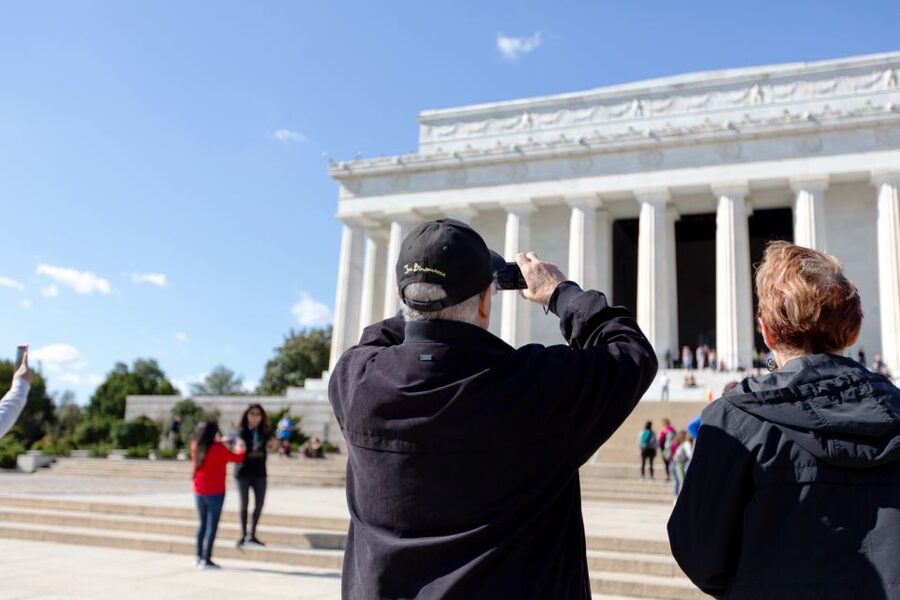
This is the part most people recognize, but the tour aims to make it more than recognition. You stop at the Lincoln Memorial and stand where Martin Luther King Jr. delivered the I Have a Dream speech in 1963. The reflecting pond area gives you that classic view, but the guide’s framing helps you understand what made the moment so powerful.
The next photo stop is the Martin Luther King Jr. Memorial. If the Lincoln Memorial feels like a single day that changed the arc of the country, the MLK Memorial helps you connect that moment to the longer movement—what came before, what came after, and why the struggle kept evolving.
Tip for your photos: bring a phone charger or power bank if you use GPS or live photos. You’ll want to take pictures at multiple angles, and DC monuments eat battery fast.
Outside the Home of Frederick Douglass and then Lincoln Park
After the big national-stage stops, the tour shifts into the “people and policy” layer. You stop outside the Home of Frederick Douglass, the famed abolitionist, where the tour’s goal is to put a real person behind the history you often hear as dates and slogans.
Then you move to Lincoln Park, where you’ll stop to see the statue of Mary McLeod Bethune, educator, activist, and founder of the National Council of Negro Women. This is a great moment if you want more than just civil rights-era faces. Bethune’s role shows how institution-building and education shaped the movement and strengthened communities over generations.
Why this helps: DC is full of names, but not always in the order you learn them. These stops nudge you to connect African American achievement, leadership, and activism as part of one continuous story.






Howard University campus stroll: history you can walk through
Next comes the Howard University area, including time for a stroll around the campus. Howard is one of the oldest black universities in the United States, and the tour uses this stop to add depth: education as a civil rights strategy.
This portion feels like a reset. After statues and major memorials, the campus environment is more human-scale, and you can look around at how a place holds memory through architecture, community, and institutional endurance.
If you enjoy history you can see in context rather than in a classroom, this stop is a strong payoff. It helps you understand how the civil rights movement wasn’t only reaction—it was also preparation and leadership training.
Le Droit Park, Shaw, and U Street: the Black Broadway thread
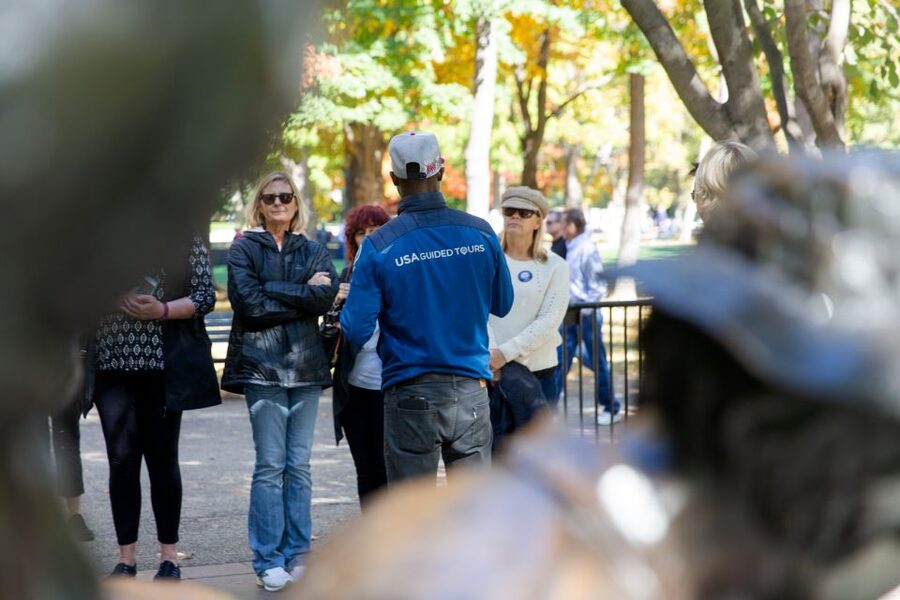
The route continues through neighborhoods tied to African American urban life, including Le Droit Park, Shaw Neighborhood, and Historic U Street. Here, you hear about the era when U Street was home to the largest urban African American community in the United States in the early 1900s.
The tour brings up the concept of Black Broadway, which is where entertainment legends—past and present—are part of the story. This is one of the easiest ways to make history feel less distant. Culture is how people shared news, built identity, and attracted attention, especially when the rest of society tried to ignore or control them.
Practical note: you’re not doing a long walking tour in these areas. It’s more “look and listen” from the bus plus short stops. Still, it’s enough to make your later museum visit feel connected to real communities.
African American Civil War Memorial and Museum: the soldier story that changes the picture

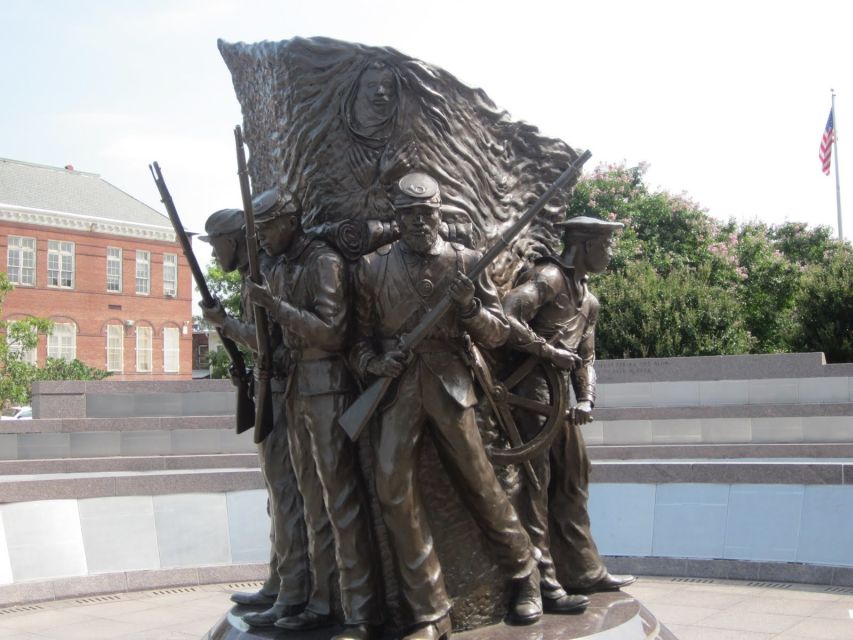
This stop is a turning point for many people because it reframes what they think they know. You visit the African American Civil War Memorial and Museum, focusing on how the course of the Civil War was impacted by African American soldiers who perished on the front lines.
If your education on the Civil War leaned heavily toward mainstream battles and familiar names, this part often feels like a corrective. It gives you a clearer sense of why African Americans fought, what it cost, and how that labor and sacrifice became part of the nation’s transformation.
The value here is simple: your tour stops aren’t just scenic breaks. They’re built to keep expanding the scope, so by the time you reach the Smithsonian you’re thinking in broader systems—war, emancipation, reconstruction, resistance, and rights.
Freedom Plaza, the White House, and Logan Circle stops that broaden the map

After the Civil War portion, you head back toward downtown areas and major civic landmarks. You’ll drive through Freedom Plaza on Pennsylvania Avenue and see sights including the White House, the Martin Luther King Jr. Memorial, and the National Council of Negro Women.
You also enter the Logan Circle historic district, with stops near the Metropolitan AME Church and the Mary McLeod Bethune Council House. This is where the tour shows how activism and leadership weren’t only public-facing. They were organized through churches, councils, and local leadership infrastructure.
If you like architecture and institutions, you’ll appreciate this part. It’s less about one huge moment and more about where people organized, planned, and supported each other.
Smithsonian NMAAHC timed entry: using your self-paced museum time well
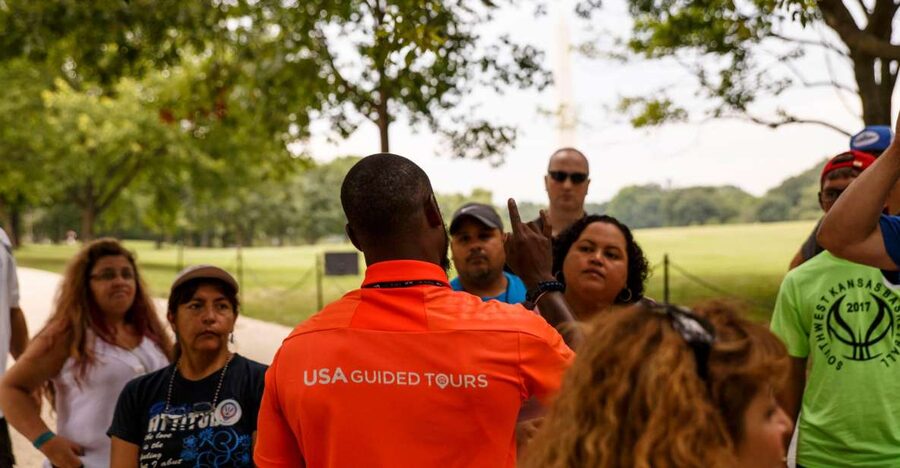
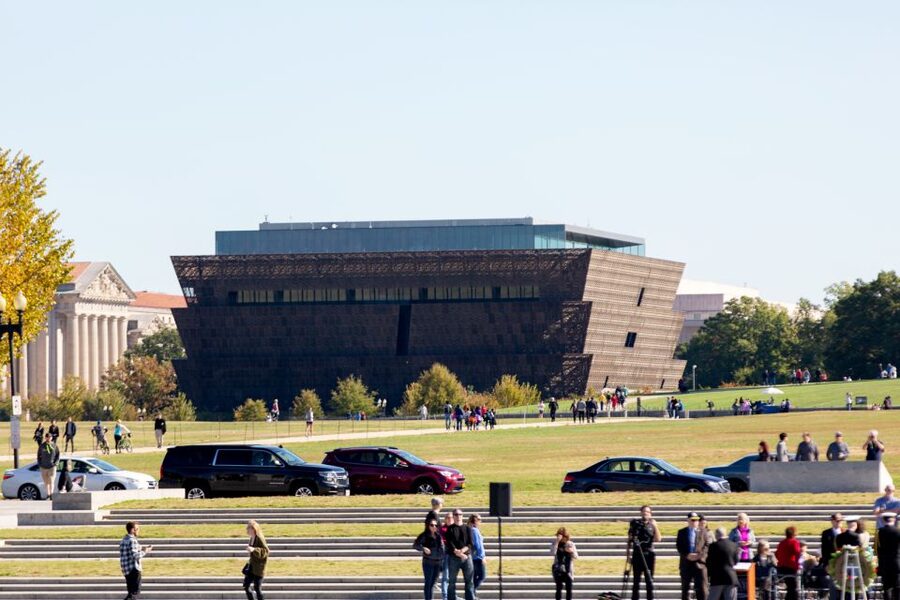
The tour finishes at the Smithsonian National Museum of African American History and Culture. You get reserved entry through timed-entry passes, which helps you avoid the stress of trying to line up on your own.
Once inside, your job is simple: explore at your own pace. That means you should plan your priorities in advance, because with a museum this big, you can easily spend time walking without absorbing what you came for.
Here’s how to make the most of the time:
- Start with one theme you care about most (Civil War, migration, arts, rights, leadership).
- Pick a few areas to hit hard instead of aiming to see everything.
- Leave room for the moments that stop you—objects and stories that feel personal.
One more important detail: this is not an official Smithsonian-led tour. You’re paying for the tour company’s route and perspective plus the museum ticketing they arrange. The museum experience itself is Smithsonian-run, but your guided framing is independent.
Price and value: what $89 buys in time, transport, and context
At $89 per person for about 4 hours, the value comes from three things working together: bus transportation, a live guide, and a reserved museum entry ticket.
If you tried to do this as separate pieces on your own, you’d be managing transit, coordinating stops, and dealing with museum timing uncertainty. Here, you outsource the logistics and keep the focus on learning and sightseeing.
You do pay for the guided route. And you get that payoff when the guide connects each curbside stop to a bigger story. Based on the tour’s overall ratings, the transport experience also seems to hit the mark for most people, with many praising the quality of the ride.
What you should budget separately: food and drinks are not included. A long DC museum visit on an empty stomach can turn “meaningful history” into “I need a snack.” Plan ahead.
What to expect on the bus: comfort, sound, and how to prepare
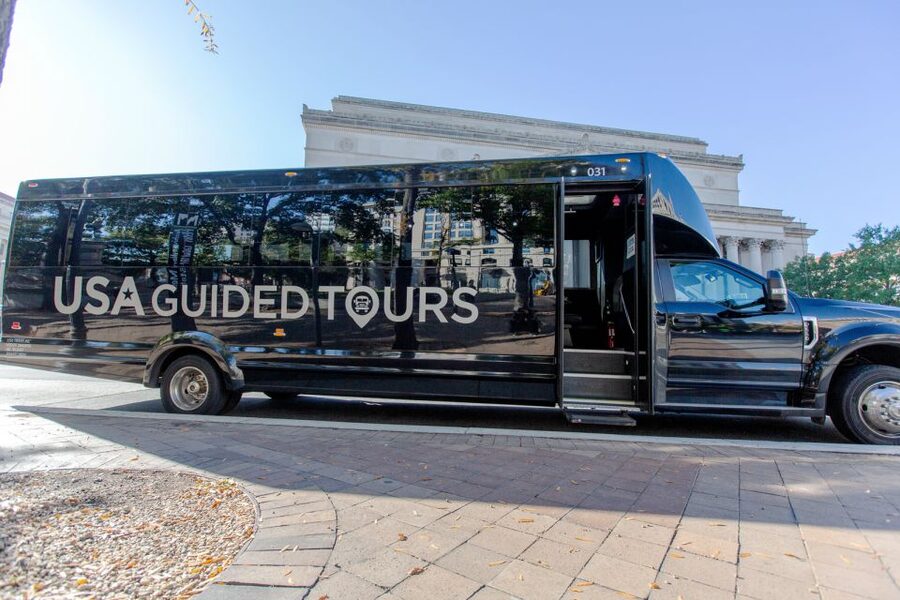
The bus ride is described as comfortable and climate-controlled, which is a real quality-of-life win in DC. Still, a couple of practical issues show up in feedback: some vehicles feel a bit tight in space, and one mic sound system issue was mentioned as muffled at times.
You can’t control the bus model, but you can manage your end:
- Wear breathable layers so you’re comfortable in both the bus and outdoors.
- If you’re sensitive to sound, consider bringing earbuds to reduce background noise.
- Bring water and a light snack, since food isn’t included.
You’ll also notice that the DC portion includes plenty of photo stops. It’s not constant getting in and out, but it does mean you’ll spend time listening while looking out, not strolling through every site.
Who should book this tour (and who might not)
This tour is a great fit if you’re:
- Short on time and want a high-impact DC route
- Interested in African American history with real connections to monuments and neighborhoods
- Visiting for the Smithsonian museum and want context first
It may feel less ideal if you want:
- A full guided walkthrough inside the Smithsonian with staff leading you room to room
- A mostly walking tour with lots of extended stops
For families, it also has a strong advantage: the bus keeps everyone together, and the structure supports all ages as long as kids can handle curbside listening and photo stops.
Should you book this African American history bus tour with Smithsonian entry?
If your goal is to make the Smithsonian museum hit harder, I’d book it. The timed NMAAHC entry is a big practical win, and the bus route gives you enough context to understand why these monuments and neighborhood names matter.
I’d also book it if you like guides who keep the day moving and explain what you’re seeing in plain language. Many groups are led by people such as Dre or Elvis Pate, and the guiding style comes through as lively and story-driven, with clear pacing between stops.
The main reason to think twice is if you’re expecting a fully guided museum experience. This day ends with museum exploration on your own, so come with a few priorities and you’ll leave satisfied instead of overwhelmed.
FAQ
How long is the Washington, DC African American History Tour?
The tour lasts about 210 minutes, or roughly 4 hours.
What is included in the $89 price?
It includes the bus tour, a live English-speaking guide, transportation by air-conditioned bus, and a reserved entry ticket to the Smithsonian National Museum of African American History and Culture.
Do I get timed entry to the Smithsonian museum?
Yes. Your purchase includes timed-entry passes to the Smithsonian National Museum of African American History and Culture.
Is this an official Smithsonian guided tour?
No. It is not an official Smithsonian tour. The tour company provides its own guided perspective and does not claim to represent Smithsonian views.
Where do I meet the tour?
Meeting points can vary by option booked. Options mentioned include the U.S. Navy Memorial Plaza area (701 Pennsylvania Avenue NW) and 700 Pennsylvania Avenue NW.
Is food or hotel pickup included?
Food and drinks are not included. Hotel pickup and drop-off are not included unless you select a private option.
Can I cancel or pay later?
You can cancel up to 24 hours in advance for a full refund. There is also a reserve now & pay later option mentioned, where you can book without paying immediately.