REVIEW · CANMORE
Canmore Cowboys and Coal Miners History Tour – 2H Walk
Book on Viator →Operated by Banff & Canmore Tours · Bookable on Viator
Canmore has hard-working ancestors worth meeting. I love the cowboys vs coal miners stories and the small private group feel that keeps things personal. One heads-up: this is a history-first walk, so if you want long stretches of silence and pure river gazing, plan on hearing plenty of guide talk.
I start at the Canmore Recreation Centre and head out along the Bow River, with stops tied to the people who built the town. You’ll see landmarks like the historic Canmore Hotel and Miner’s Union Hall, plus bridges and old-mining-era spots, then finish back where you began.
The pacing can be very flexible. Guides like Jacob (and Ben, on other dates) have a friendly style and adjust to your group’s speed. Still, it’s built for learning, not for slow nature drifting.
In This Review
- Key things to know before you go
- Your 1.5-hour walk through Canmore’s work-worn past
- Where the tour starts, and how the walk is paced
- Canmore’s landmarks you’ll actually notice after this
- Historic Canmore Hotel
- Miner’s Union Hall
- Old mine area and bridges
- The cowboys vs coal miners storyline (and why it works)
- Rockies views on a history walk: when to slow down
- Guide energy: Jacob, Ben, and why pacing matters
- Price: is $48.71 per person worth it?
- What the weather can do to your experience
- Who this tour is best for
- Practical tips that make the walk easier
- Should you book the Canmore Cowboys and Coal Miners History Tour?
- FAQ
- How long is the Canmore Cowboys and Coal Miners History Tour?
- Where do we meet for the tour?
- Is this tour private or a shared group?
- What language is the tour offered in?
- What happens if the weather is poor?
- Are service animals allowed?
Key things to know before you go
- Small party size (max 12): enough to feel personal, not so large that the walk feels chaotic.
- History-focused route: cowboys, coal miners, and the economics that shaped Canmore.
- Real town landmarks on the route: Canmore Hotel and Miner’s Union Hall are part of the story.
- Mountain views along trails: you get fresh-air payoff between the historical stops.
- No interior mine tours: old mines are cemented closed due to methane gas leaks.
- Good guide pacing: Jacob and Ben are described as attentive and easy-going.
Your 1.5-hour walk through Canmore’s work-worn past
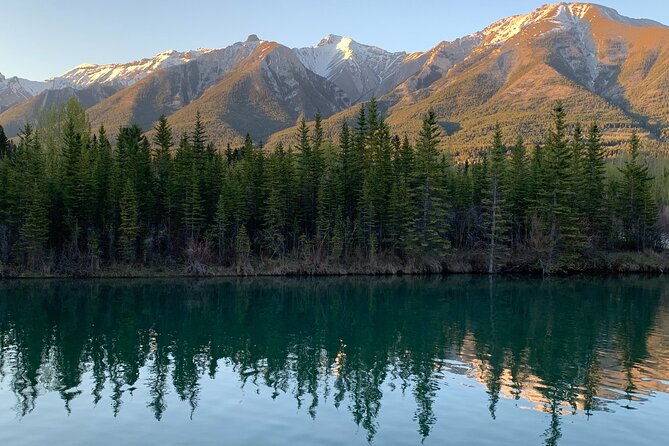
This is the kind of tour that helps you understand a place fast. Canmore doesn’t just look scenic; it has a working story behind the views. This walk connects the geography to the people: who arrived, what they did, and why the Bow Valley mattered.
The route is roughly 1 hour 30 minutes, and it’s offered in English with a mobile ticket. You’ll also be walking outside the whole time, so think comfortable shoes over fancy ones. In early October, for example, one group still needed a jacket even with sun and no snow.
One more practical note: your guide keeps the group manageable, with a maximum of 12. And it’s described as private for your party, which is the sweet spot for families and small groups who want fewer interruptions and more back-and-forth.
You can also read our reviews of more tours and experiences in Canmore.
Where the tour starts, and how the walk is paced
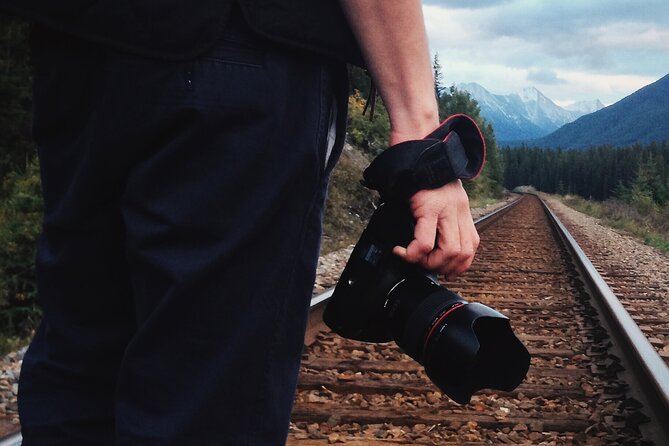
You meet at the Canmore Recreation Centre, 1900 8 Ave, Canmore. From there, you don’t just wander aimlessly. The walk follows a logical thread: river edges, old work sites, bridge crossings, and then into the historic downtown core.
The pacing is a big part of the experience. Jacob was specifically called out for being attentive and able to guide at the group’s pace. That matters because a good history walk isn’t just “go fast and talk at you.” It’s more like: stop, look, absorb, ask questions, then move.
Expect a mix of paved town streets and trail segments for mountain viewpoints. You’ll also get moments where you can look out over the Rockies while your guide places the story in the physical setting. If you’re traveling with kids, you should still be able to keep up, because the overall time is short.
Canmore’s landmarks you’ll actually notice after this
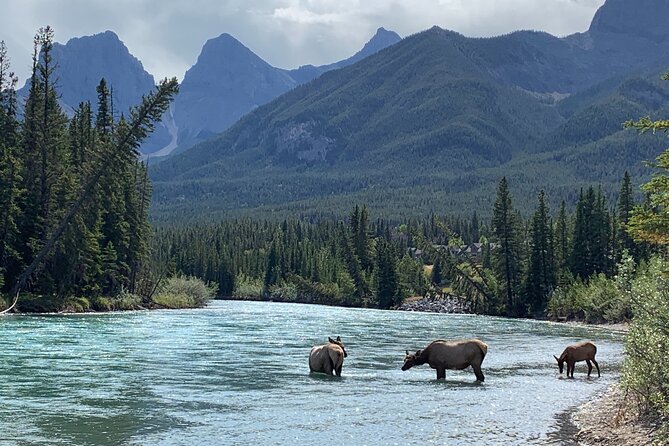
This is a walking tour with specific anchors. You don’t just learn abstract facts; you connect them to real spots.
Historic Canmore Hotel
The historic Canmore Hotel shows up as a key landmark. It’s the sort of place that makes the town feel like a real community rather than just a postcard. Your guide ties it back to the people living through those eras—who had reasons to stay, trade, work, and build relationships.
Miner’s Union Hall
Miner’s Union Hall is the other headline stop. Even if you know nothing about the coal era, it gives you a visual anchor for labor, organization, and the daily pressure of life when work is physically dangerous and economically central.
This is also where you’ll understand that coal wasn’t just a fuel. It was power, money, and politics. One guide approach described includes economic and political forces that shaped Canmore then—and still shape it now.
Old mine area and bridges
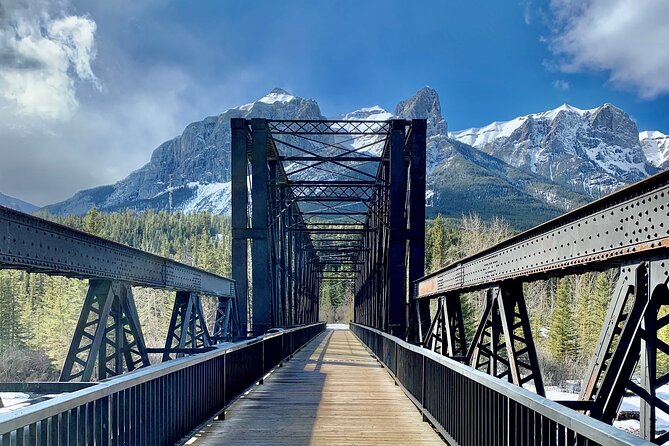
You’ll pass by an old mine area and cross a couple of older bridges that feel like they were made for the work that happened around them. You’ll probably get an explanation of how the geology and the mining activity relate to what you’re seeing on the ground.
A practical heads-up: you won’t tour inside the old coal mines. Some old mines are cemented closed due to methane gas leaks, and they aren’t set up for visitor access.
The cowboys vs coal miners storyline (and why it works)
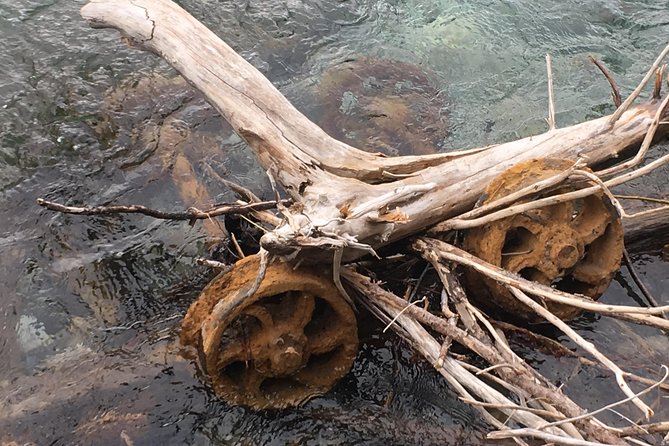
The tour title is a clue: this walk is about two kinds of grit. Cowboys represent the early frontier rhythms—moving, settling, ranching, and making life possible in a wide-open region. Coal miners represent the heavy, industrial side—work that demanded strength, endurance, and teamwork.
What makes the story feel worthwhile is that your guide connects it to the land. One of the guides’ strengths described is explaining the geology of the area, not just the human drama. When you understand what the rock and river offered, the history makes more sense. It stops feeling like a list of dates and starts feeling like cause and effect.
You may also hear background that reaches further back than the settlers—one description mentions ancient Native history being part of the tour’s context. Even when you’re not a “history person,” that kind of framing helps you read the place with more respect.
Rockies views on a history walk: when to slow down
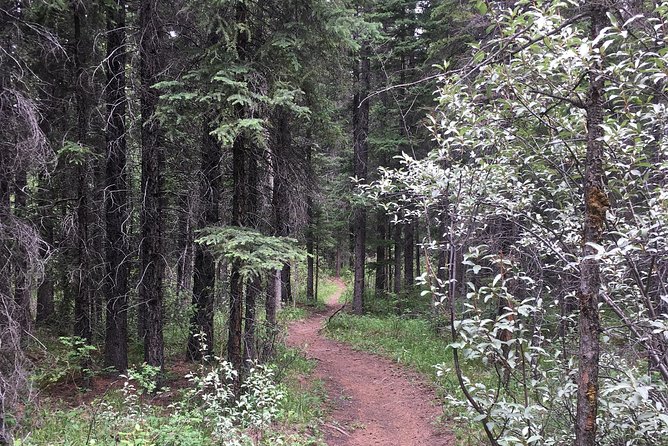
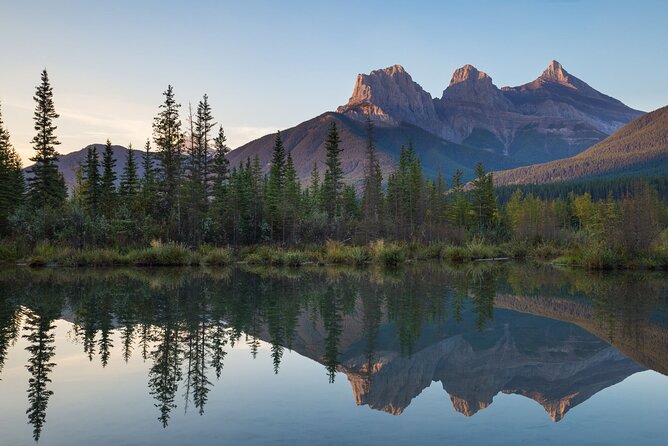
This tour mixes town history with trail viewpoints, so you don’t spend the whole time with your head in your guide’s story. You’ll have opportunities to look at the surrounding mountains while the guide explains how the land influenced work and settlement.
Still, if your top priority is scenery without much talking, manage expectations. One criticism pointed out that the guide talked a lot and the group wanted more quiet time to enjoy the river. That’s not a wrong complaint—it’s just a different goal.
If you want a more nature-forward outing, there is a 2-hour Nature Walk offered by the same company that’s better aligned with video-taking and more relaxed viewing. This Cowboys and Coal Miners tour is for learning first.
Guide energy: Jacob, Ben, and why pacing matters
Two guide names show up in the experience details you provided: Jacob and Ben.
Jacob is described as attentive, knowledgeable, and able to run the walk at your group’s pace. That matters because it suggests the tour isn’t rigid. It can flex around your questions and how long you spend at stops like bridges, river edges, and the downtown historic core.
Ben is described as friendly and easy-going, with a route that includes trails, river walk sections, an old mine area, and those cool older bridges. That combo—friendly + detailed—tends to be exactly what you want for a short walking tour. You get context without feeling trapped by it.
Price: is $48.71 per person worth it?
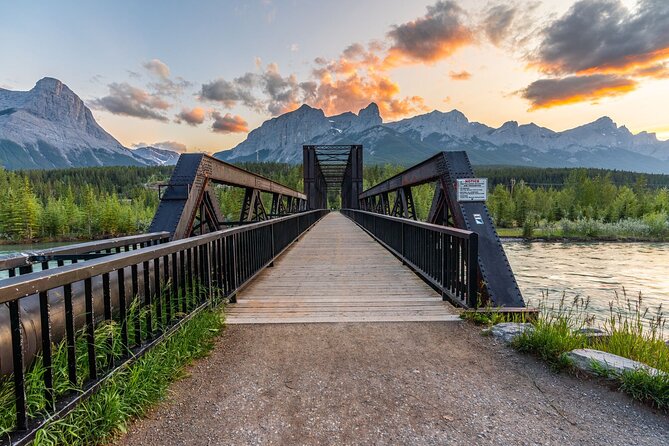
At $48.71 per person for about 1.5 hours, this isn’t a budget-freebie. But it can be good value if you want guided interpretation that you can’t easily piece together alone.
Here’s why it’s worth considering:
- You get a focused route, not a general “see the town” stroll.
- The guide ties visible landmarks to the work that shaped Canmore.
- The group size is capped at 12, which helps keep it interactive.
Booking tends to happen ahead of time (on average about 55 days), so if you’re set on a date, it’s smart to reserve early rather than hoping a last-minute slot appears.
If you’re the type who enjoys walking tours for stories, not just exercise, this price makes more sense. If you’re mostly into independent scenic walking, you might feel the cost more.
What the weather can do to your experience
This tour requires good weather. If conditions aren’t right, you’ll be offered another date or a full refund.
In practice, you should plan for shoulder-season swings in the Canadian Rockies. Even when one October walk was sunny with no snow, jackets were still necessary. Bring layers and expect changeable conditions along the river and on trails.
Also, because part of the walk includes trail segments and bridge crossings, wear shoes with solid grip. You want footing confidence more than fashion points.
Who this tour is best for
This experience is a great fit if you:
- want a quick, guided introduction to Canmore’s roots
- like connecting stories to real places you can point at
- enjoy a short walking format without committing to a half-day outing
It’s also a strong option for families who want an organized way to learn. The route includes downtown landmarks and outdoor segments, and the short duration helps keep energy up.
If you’re traveling with someone who wants mostly quiet nature time, this may feel a bit “too much talk.” In that case, consider pairing it with a more nature-forward walk during your stay.
Practical tips that make the walk easier
- Wear comfortable, supportive shoes for mixed surfaces and bridges.
- Bring layers and a jacket even in mild months.
- If you’re sensitive to loud narration, set expectations upfront in your head. This is a history tour, not a guided meditation.
- Bring questions. A good guide will use them to steer the story at your pace.
Should you book the Canmore Cowboys and Coal Miners History Tour?
Book it if you want a meaningful first-time feel for Canmore—one that connects the river, the downtown landmarks, and the mountain setting to the people who built the town. The strong guide reputation (Jacob and Ben are named) and the short, manageable duration make it an easy win.
Skip it or swap it for the more nature-forward option if your main goal is quiet scenery and minimal storytelling. And remember: you won’t get inside old coal mines, so don’t expect a walk-through.
If you match the tour’s spirit—work, people, place—you’ll come away seeing Canmore with clearer eyes and better context for every scenic photo you take afterward.
FAQ
How long is the Canmore Cowboys and Coal Miners History Tour?
The tour runs for about 1 hour 30 minutes.
Where do we meet for the tour?
The meeting point is the Canmore Recreation Centre, 1900 8 Ave, Canmore, AB T1W 1Y2, Canada.
Is this tour private or a shared group?
It’s described as private for your party, with a maximum group size of 12 travelers.
What language is the tour offered in?
The tour is offered in English.
What happens if the weather is poor?
The experience requires good weather. If it’s canceled due to poor weather, you’ll be offered a different date or a full refund.
Are service animals allowed?
Yes, service animals are allowed.