REVIEW · AMSTERDAM
Financial History Tour
Book on Viator →Operated by Historical Amsterdam Tours · Bookable on Viator
Money and buildings go together in Amsterdam. This tour connects the two in a way that’s easy to follow. You start at major exchange architecture, then move into city archives and the stories behind merchant wealth and famous bubbles.
I like that it’s a private tour for a group of up to 10, so the pace feels under your control. I also like the straight-to-the-point focus on financial innovation, from early exchange culture to classic Dutch economic chaos. One possible drawback: at about 2 hours 30 minutes, it’s not a short stroll for people who want to take things at an extreme slow pace or linger for long indoor breaks.
In This Review
- Key highlights worth marking on your map
- Why Amsterdam’s money story starts at Beurs van Berlage
- Stadsarchief Amsterdam: a 1920s bank building with archives in the basement
- From merchant wealth to the first bubble: the Tulip Mania thread
- Hidden corners and iconic views: what the city-walking part delivers
- Price and ticket value: $390.50 per group is it worth it?
- Your private group format and how it affects the experience
- Photo stops and timing: what 2.5 hours actually feels like
- What I would book this for (and what I wouldn’t)
- Should you book the Financial History Tour?
- FAQ
- How long is the Financial History Tour?
- Where does the tour start and end?
- Is this tour private?
- What language is the tour offered in?
- How many people are in a group?
- Are any tickets included?
- What is the cancellation policy?
Key highlights worth marking on your map
- Beurs van Berlage kickoff: a strong visual start tied to Amsterdam’s exchange era
- Stadsarchief Amsterdam underground archives: a basement setting inside a bank-like building
- Photo-friendly city moments: multiple stops aimed at iconic views near the Dam area
- Tulip Mania storyline: the first economic bubble angle, tied to the flower market
- Private and flexible format: your group moves together with fewer “herding” vibes
Why Amsterdam’s money story starts at Beurs van Berlage
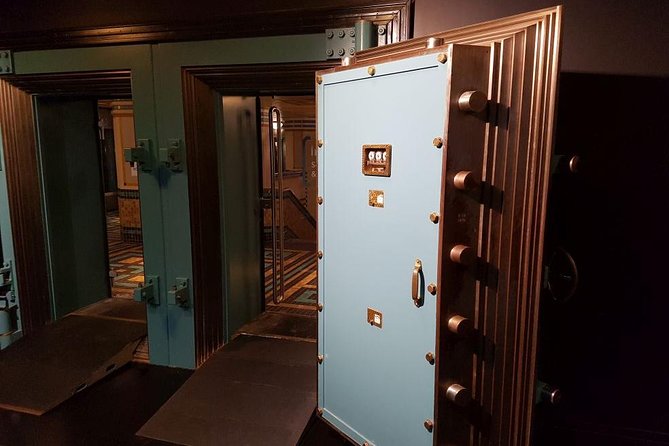
If you want to understand Amsterdam’s financial reputation, start with architecture. The tour begins at Beurs van Berlage, an exchange building that sits in the orbit of the Dam area. That choice matters: it frames the whole trip as something more than trivia—it’s money written into stone and streets.
Stop one is simple and quick, about 10 minutes, and admission is free. In plain terms, you get a fast orientation without paying extra at the first stop. It also sets expectations for what you’ll keep seeing: how commerce shaped where people went, what they valued, and how the city organized power.
Also, the meeting point is practical. You start at Bistro Berlage on Beursplein (1012 JW Amsterdam), a spot you can reach without a major commute headache. If you’re arriving from central stations, plan to get there a little early so you’re not mentally juggling directions mid-tour.
You can also read our reviews of more tours and experiences in Amsterdam.


Stadsarchief Amsterdam: a 1920s bank building with archives in the basement
After Beurs van Berlage, the tour shifts to Stadsarchief Amsterdam (City Archives). This is one of those stops where the setting does some of the explaining for you. The building has that 1920s bank vibe, and the basement is where the real payoff happens.
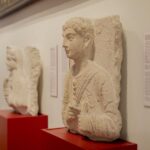
This stop is again around 10 minutes, and admission is included. You’ll head into the basement to see the city’s archives, described as a treasury of Amsterdam records. Even if you’re not a museum person, I think the value here is context: Amsterdam kept documents, and those documents became part of the city’s identity—so money isn’t just about deals, it’s about record-keeping and trust.
There’s also a big “why it matters” angle. Financial power depends on more than ships and merchants. It depends on paperwork, verification, and what institutions preserve when reputations and fortunes shift. This stop helps connect culture and heritage to the mechanics behind the scenes.
A small consideration: archives buildings are still buildings. If you’re someone who gets cold easily or hates damp basements, bring a light layer. The tour isn’t described as strenuous, but you will be moving indoors and down to the basement portion.
From merchant wealth to the first bubble: the Tulip Mania thread
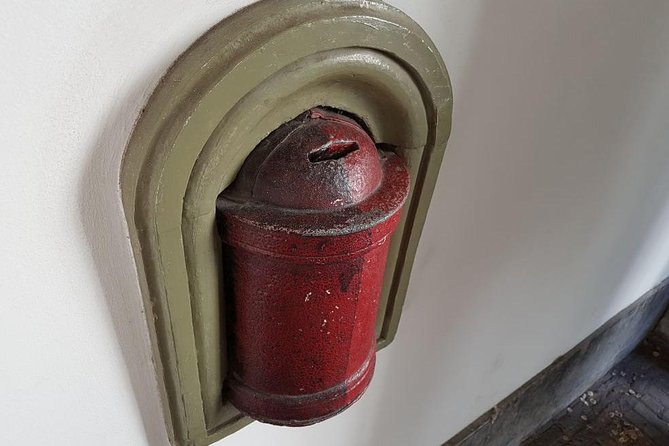
This is where the tour leans into the story side. The route looks at Amsterdam’s historical and financial heart—then connects that to who the rich merchants were and how they made their money. That’s an important move. You’re not just seeing buildings; you’re learning the social engine behind them.
The tour also covers the idea of how the first economic bubble was created. The named focus is Dutch Tulip Mania, linked to the Amsterdam floating flower market. This is a particularly fun concept because the city setting makes the story feel less abstract. Flowers don’t sound like a finance topic—until you realize the whole point is speculation, pricing, and hype turning into a system.
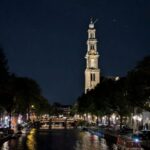
The way the highlights are framed also suggests photo stops at iconic locations. The tour is built for pictures, but not in a cheesy way. You’re moving through the Dam area and nearby city scenes, so the camera moments come naturally as landmarks align with the money story.
Two practical notes for this section:
- Don’t treat it like a lecture. Use it like a map in your head—money ideas connect from stop to stop.
- If you love “how did this actually work?” explanations, this part is likely to land well. The focus is on mechanisms: merchants, markets, bubbles.
Hidden corners and iconic views: what the city-walking part delivers
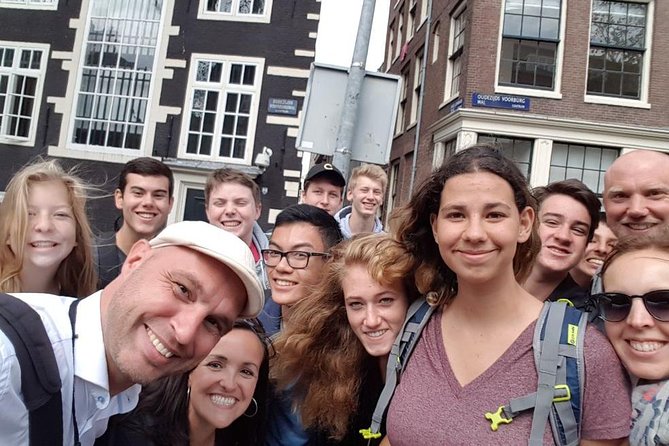
Between the named indoor stops, you’ll travel through Amsterdam to see plenty of city details tied to the theme. The highlights mention hidden gems as you move through town. Even though that phrasing gets used a lot in tourism, here it likely means quieter street scenes and off-main-view angles, the kind that help you understand the scale of the city’s historic trading core.
You’ll also get repeated chances for photos at some of Amsterdam’s most iconic locations. That matters because walking tours can become either: all story, no scenery; or all scenery, no meaning. This one aims to do both.
The route ends on the other side of the Dam, about 500 meters from where you start. That’s a helpful detail because it means you won’t need to fight the tram grid or plan a separate trek just to find your next stop. You can pivot easily to dinner or a canal stroll after the tour.
Price and ticket value: $390.50 per group is it worth it?
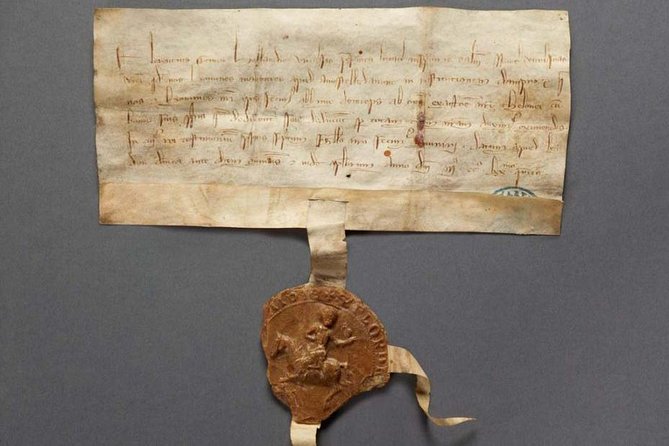
Let’s do the math in a way that helps you decide fast. The price is $390.50 per group, up to 10 people, and the tour lasts about 2 hours 30 minutes. If you use the full group size, you’re effectively paying about $39 per person. If you come as a smaller group, the per-person cost climbs, but you still get the benefit of a private experience instead of joining a crowded public format.
Ticket value is also part of the equation. Beurs van Berlage is free for this stop, and Stadsarchief Amsterdam includes admission. So you’re not paying separate entry fees on at least these key components. The tour uses those paid-in chunks to anchor the story in real places, which is where money-themed tours usually win or lose.
Compared with a generic Amsterdam overview, this costs more because you’re paying for theme plus private guiding time. Compared with a museum-only approach, it may feel like better value because it covers multiple sites in one connected arc: exchange architecture, archives in a basement, merchant stories, and the tulip bubble thread.
In other words, the pricing makes sense if you want:
- a guided storyline
- a private format
- multiple stops within one coherent theme
If you just want quick photos and broad history with no financial angle, you might prefer a cheaper general walking tour. But if finance is your thing—or you like seeing why a city is the way it is—this is reasonably priced for the effort and access you get.



Your private group format and how it affects the experience
This is a private tour/activity, so only your group participates. That changes the feel right away. You’re not waiting for stragglers in a big mass, and you’re more likely to get questions answered in a way that fits your curiosity.
The tour is offered in English, and confirmation comes at time of booking. You’ll also get a mobile ticket, which reduces the friction of printing and forgetting. It’s a small detail, but it matters when you’re walking and trying to keep momentum.
The tour also calls out that it’s flexible and more personal. While you shouldn’t expect every tour to become a custom itinerary, the private format usually gives the guide room to adjust pace—especially around photo moments and the indoor stops at the archives building.
One more practical point: it’s near public transportation. That’s useful in Amsterdam where “good” and “far” can be two totally different things depending on tram lines and canal crossings.
Photo stops and timing: what 2.5 hours actually feels like
You’re looking at about 2 hours 30 minutes, give or take. That’s enough time to cover multiple stops without rushing, especially with two anchor stops that are each about 10 minutes. The rest of the time supports the walking sections and the story threading between locations.
For planning, remember the tour ends at Rokin 24HS (1012 KS), around 500 meters from the start across the Dam area. That’s an easy pivot point. If you’re timing another activity the same evening, you can usually slot it in without a lengthy commute.
Physical fitness is listed as moderate. Translation: it’s not described as a strenuous climb mission, but it’s still a walking tour with some indoor transitions. Wear shoes you’re happy to stand and walk in for a couple hours. If you’re using a stroller or have mobility limitations, you may need to check with the provider beforehand since the details in the listing are general.
What I would book this for (and what I wouldn’t)
I’d book this if you want a theme tour that teaches you the “why” behind Amsterdam’s look and feel. Finance lovers will like the tulip bubble focus, and history lovers will like how merchant culture and institutions are connected to place.
It’s also a good pick if you’re traveling with a group and want a shared conversation. Because the tour is private for up to 10, it works well for friends, family groups, or small tours within a larger trip.
I wouldn’t book it if you mainly want broad sightseeing with minimal thinking. This one asks you to connect money ideas to culture and heritage. If you want pure scenic Amsterdam with no finance storyline, you’ll likely find it more interesting than you need.
Should you book the Financial History Tour?
Yes, with a few smart checks. Book it if you’re curious about how Amsterdam became a center of trade and finance and you like guided explanations tied to specific places. The proof points are strong: a 5-star rating across 16 reviews and 100% recommendation, plus praise for guide Tijs de Boer and his insight and local hints.
Do book it sooner rather than later if your dates are firm. The tour averages being booked 28 days in advance, so it’s not the kind of thing you should count on as a last-minute option.
Skip it if your group only wants quick photos or if you’re avoiding any topic related to economics and speculation. Otherwise, this tour is a practical way to see Amsterdam with meaning, not just motion.
FAQ
How long is the Financial History Tour?
It’s approximately 2 hours 30 minutes.
Where does the tour start and end?
It starts at Bistro Berlage, Beursplein 1, 1012 JW Amsterdam, and ends at Rokin 24HS, 1012 KS Amsterdam. The end point is about 500 meters from the start on the other side of the Dam.
Is this tour private?
Yes. It’s a private tour/activity, and only your group participates.
What language is the tour offered in?
The tour is offered in English.
How many people are in a group?
The price is per group, up to 10 people.
Are any tickets included?
Beurs van Berlage stop admission is free, and Stadsarchief Amsterdam admission is included.
What is the cancellation policy?
Free cancellation is available up to 24 hours in advance for a full refund. If you cancel less than 24 hours before the start time, the amount paid is not refunded.