REVIEW · SAN FRANCISCO
Castro District LGBTQ+ History Tour
Book on Viator →Operated by The Native Experience · Bookable on Viator
San Francisco’s queer landmarks tell their own story. This Castro District LGBTQ+ history tour connects the dots between protest, community spaces, and the artifacts that survived history. I especially like how it uses Harvey Milk Plaza as a starting point and then carries you to places tied to the original rainbow flag.
I also like that the guide keeps the story grounded in real events, including the White Night Riots, without turning it into a lecture marathon. One possible drawback: at about 90 minutes, you’ll need comfy shoes and a willingness to move steadily between photo stops.
In This Review
- Key Highlights You Should Know
- Why the Castro’s LGBTQ Story Is Best Told on Foot
- Price and Logistics: What $39 Buys You
- Starting at Harvey Milk Plaza: The Community Square Moment
- The Original Rainbow Flag and HIV/AIDS Memorial Quilt Piece
- Jose Sarria’s Personal Items: Activism Through a Real Person
- An Iconic Gay Bar That Kept Its Windows
- The First Store to Hire Openly Gay Workers
- A 1920s Palatial-Style Theater: Big Rooms for Big Dreams
- What Makes the Tour Feel Worth It: The Guide and the Pace
- Timing and How to Get the Most From 3:00 pm
- Who Should Book This Castro District LGBTQ+ History Tour
- Should You Book It
- FAQ
- FAQ
- Where does the tour start and end?
- What time does the tour begin?
- How long is the tour?
- How much does it cost?
- Is the tour offered in English?
- What is the maximum group size?
- Are service animals allowed?
- Is there free cancellation?
- Do I get a ticket on my phone?
- Will I have a confirmation when I book?
Key Highlights You Should Know
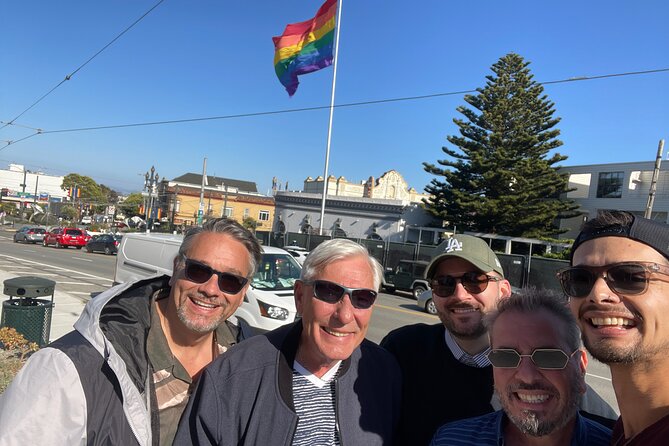
- Small group, up to 30 people helps you ask questions and hear answers clearly
- Harvey Milk Plaza start sets the political and community context fast
- Artifacts that matter include the original rainbow flag and a piece of the HIV/AIDS Memorial Quilt
- Jose Sarria personal items connect activism to actual people and belongings
- Guides like Miguel and Eric bring strong pacing and crisp, accurate-feeling answers
Why the Castro’s LGBTQ Story Is Best Told on Foot
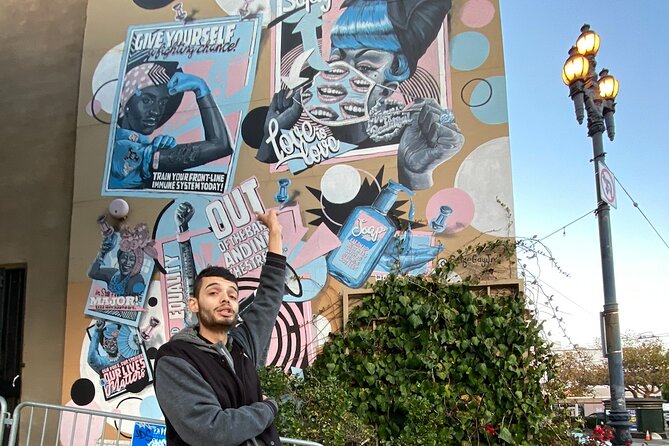
The Castro is one of those San Francisco neighborhoods where the streets already feel like a timeline. This tour leans into that idea: you walk through the area and stop at meaningful spots that give the context you’d miss if you just wandered.
The value here is not only what you see. It is how your guide stitches the neighborhood together, from public gathering places to the behind-the-scenes stuff that kept the community alive.
You can also read our reviews of more tours and experiences in San Francisco.

Price and Logistics: What $39 Buys You
The price is $39 per person for about 1 hour 30 minutes with a guided component. For a guided walking tour that hits multiple specific landmarks, I think this is a fair deal—especially when you consider you’re getting story, context, and Q&A built into the time.
A few practical points that help you plan:
- Start time: 3:00 pm
- Start: Harvey Milk Plaza (San Francisco, CA 94114)
- End: 18th Street & Castro Street
- Language: English
- Ticket style: mobile ticket
- Group size cap: 30 travelers
Also, it’s typically booked around 8 days in advance, so if you want a spot on a specific day, don’t wait too long. The tour provider is The Native Experience.
Starting at Harvey Milk Plaza: The Community Square Moment
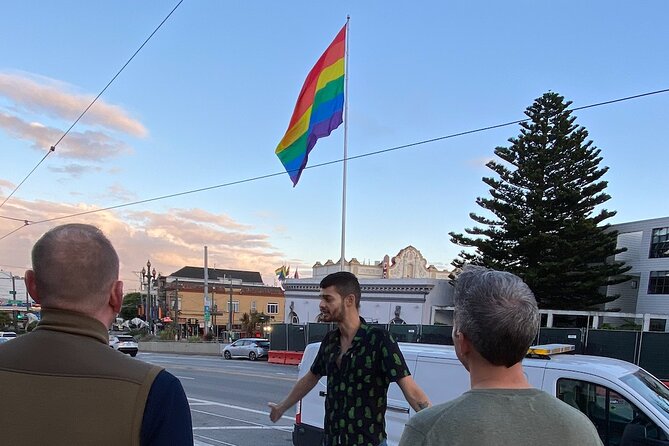
You begin at Harvey Milk Plaza, the kind of place where the neighborhood’s energy is obvious. This stop is built into the tour at about 10 minutes, and the admission note is free for that stop.
Here’s what you should pay attention to. Milk wasn’t just an individual—his place in the story is tied to the broader gay community that gathered in the Castro. Your guide sets up why the area became a visible target and why events like the White Night Riots mattered so much.
This is also a good first stop for orientation. You get the “why this neighborhood, why now” framing before you move deeper into specific sites.
The Original Rainbow Flag and HIV/AIDS Memorial Quilt Piece
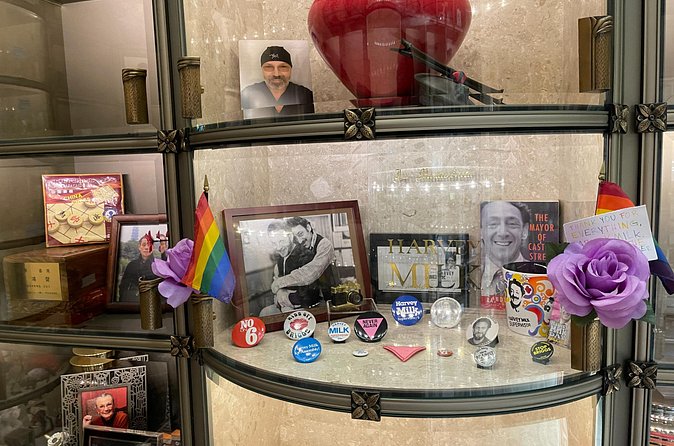
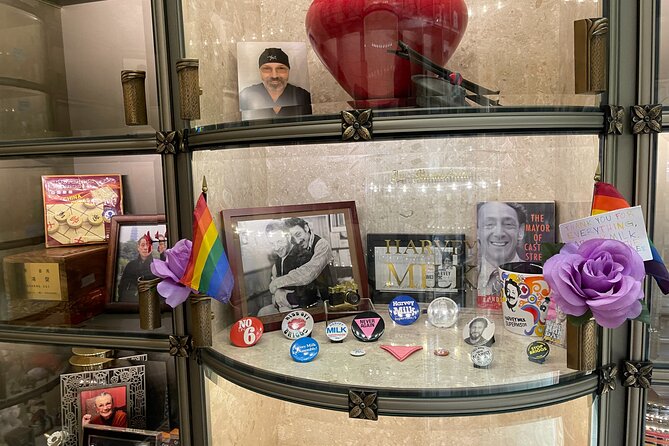
One of the most moving parts of the route is the stop that houses the original rainbow flag, a piece of the HIV/AIDS Memorial Quilt, and Jose Sarria’s personal items.
Even if you think you already know rainbow symbolism, seeing the original flag-related artifact anchors the story in reality. It turns something you might associate with modern pride into something tied to the actual people and early momentum that built the movement.
The quilt piece matters too. Your guide uses it to connect the Castro story to the broader AIDS-era community, when remembrance and visibility were survival tools. It is one thing to read about it; it is another to have a physical reminder of that loss and that care.
Potential drawback to keep in mind: stops like this often involve looking closely and moving at an indoor-friendly pace. Bring your patience if the group needs time to view and process what you’re seeing.
Jose Sarria’s Personal Items: Activism Through a Real Person
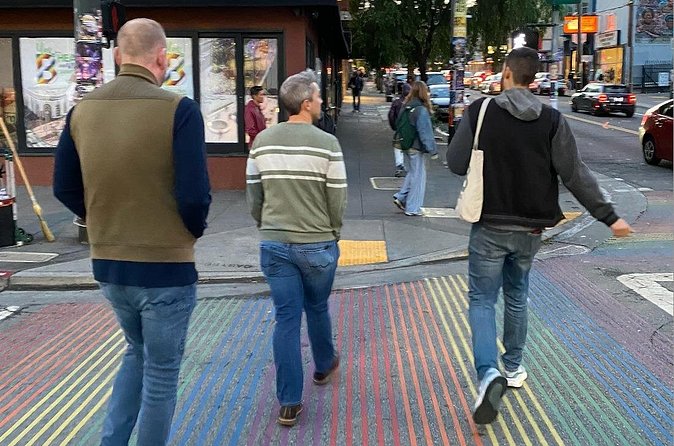
When the tour mentions Jose Sarria’s personal items, it is doing something smart. It pulls you away from abstract dates and toward a person you can imagine in real rooms, with real decisions.
This stop is where I think the tour does its best work if you’re new to Castro history. Sarria is a name people often hear, but your guide’s framing helps you understand why his presence carried weight in the neighborhood’s early evolution.
I also like that your guide’s tone stays respectful. You are not being rushed past heavy themes; the tour uses these objects to slow you down just enough to learn.
An Iconic Gay Bar That Kept Its Windows
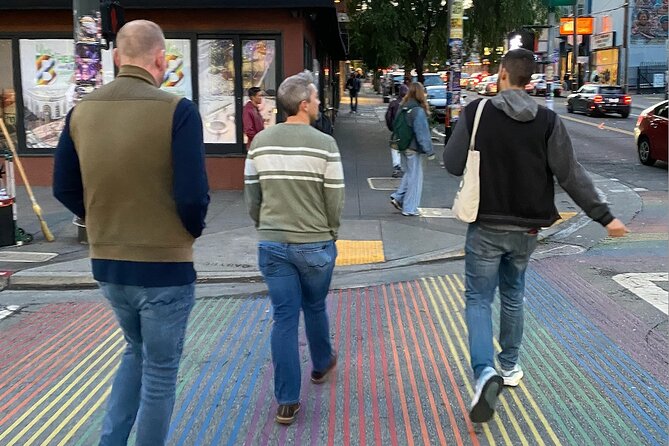
Next up is an iconic gay bar that’s been in business for over 50 years. The story detail that stands out is that when the bar originally opened, it did not block out their windows, which was a customary practice elsewhere at the time.
That one choice is powerful. It’s a reminder that visibility can be a decision, not an accident. Your guide links the bar’s long run to the Castro’s broader shift from hiding to showing, and how safe public presence helped build community strength.
If you’re the type who likes to understand the “how did it actually work day to day” side of history, this stop is for you. You get a practical sense of what it meant to operate openly and keep doors open through decades of change.
The First Store to Hire Openly Gay Workers
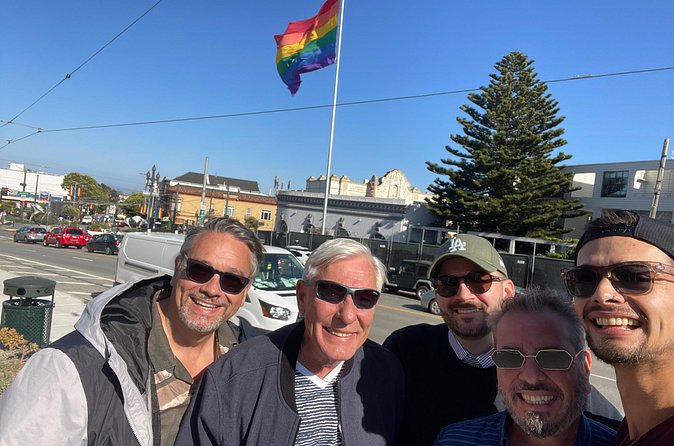
Another stop highlights a store that was the first in San Francisco to hire openly gay workers. This is the kind of detail that broad pride posters often skip, but it’s essential context.
Employment and dignity are not side notes in a movement. They are the daily groundwork that affects families, confidence, and who gets to feel like they belong in public life.
Your guide uses this stop to show that the Castro wasn’t only about rallies and politics. It was also about workplaces and community norms, where open hiring could shift how the neighborhood understood itself—and how others saw it.
A 1920s Palatial-Style Theater: Big Rooms for Big Dreams
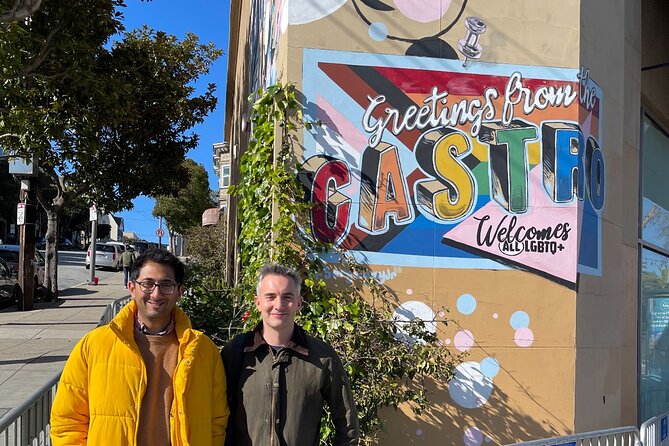
The last major historical anchor in the route is one of the last palatial-style theaters from the 1920s. Even without a long lecture, these kinds of buildings communicate something.
Your guide uses the theater to connect the Castro to an older San Francisco idea: public spaces where performances and gatherings made a neighborhood feel larger than itself. In a district shaped by activism and visibility, a grand hall from the 1920s becomes a visual metaphor for how people claimed community space.
If you like architecture, you’ll likely enjoy the contrast between the theater’s style and the neighborhood’s modern identity. It’s a reminder that the Castro’s story has always been layered.
What Makes the Tour Feel Worth It: The Guide and the Pace
The quality of this kind of tour lives or dies by delivery. The guides here come through with a calm, conversational approach and a steady pace.
In particular, I picked up a clear pattern from guides named Miguel and Eric. Miguel is described as delightful, keeping a nice pace where you do not feel pressured to check the time, with answers that are concise and accurate-feeling. Eric is described as passionate and extremely knowledgeable, with a delivery style that keeps the neighborhood’s history from feeling like a textbook.
Even if you do not remember every date, you’ll likely remember the way the stories were told. That’s a big part of why a guided tour earns its fee instead of becoming just a list of stops.
Timing and How to Get the Most From 3:00 pm
With a 3:00 pm start and about 1.5 hours total, you’re usually in the sweet spot for an afternoon neighborhood walk. You’ll have enough daylight for street-level sights, and you’ll still have the rest of the evening open for dinner or another nearby activity.
To get more out of the tour, plan to arrive a few minutes early at Harvey Milk Plaza so you are not rushing when the group meets. Comfortable shoes matter because the schedule is built around moving through several distinct stops.
If you’re someone who asks questions, this is a friendly setup because the group is capped at 30 people.
Who Should Book This Castro District LGBTQ+ History Tour
This tour is a great fit if:
- You want a structured way to learn Castro LGBTQ history in a short time
- You like specific places tied to real artifacts, not just broad overviews
- You want a guide who can answer questions clearly as you walk
- You appreciate the connection between visible community spaces and the harder chapters of history
It may be less ideal if you want a long museum-style session. At about 90 minutes, the tour gives you focused hits. It does not replace extended time in deeper exhibitions.
Should You Book It
Book it if you want to understand the Castro in a way that feels both personal and grounded. For $39, you get a guided walk that moves from Harvey Milk Plaza into key landmarks tied to the original rainbow flag, the HIV/AIDS Memorial Quilt, and Jose Sarria’s personal items, plus outdoor and neighborhood stops that explain how visibility and community shaped the area.
Skip it only if your preference is self-guided wandering with no guide-led context. If you want the story connected for you while you walk, this one is worth planning around.
FAQ
FAQ
Where does the tour start and end?
It starts at Harvey Milk Plaza in San Francisco and ends at 18th Street & Castro Street.
What time does the tour begin?
The start time listed is 3:00 pm.
How long is the tour?
The duration is about 1 hour 30 minutes (approx.).
How much does it cost?
The price is $39.00 per person.
Is the tour offered in English?
Yes, it is offered in English.
What is the maximum group size?
This experience has a maximum of 30 travelers.
Are service animals allowed?
Yes, service animals are allowed.
Is there free cancellation?
Yes. You can cancel for a full refund up to 24 hours before the experience starts. Canceling less than 24 hours before does not refund the amount paid.
Do I get a ticket on my phone?
Yes. The tour uses a mobile ticket.
Will I have a confirmation when I book?
Yes. Confirmation will be received at the time of booking.