REVIEW · SAN FRANCISCO
San Francisco: Castro District LGBTQ+ History Tour
Book on GetYourGuide →Operated by The Native Experience · Bookable on GetYourGuide
The Castro feels like it has captions. This 90-minute walk gives you the backstory behind street names and landmarks, led by Eric, a sixth-generation San Francisco native and historian. You’ll connect the district’s evolution to major moments like Harvey Milk and the Pink Triangle Memorial, all in a route you can actually follow on foot.
What I love most is the guide’s voice: Eric is also a POC queer organizer and activist, so the stories are told with a real sense of stakes. I also like that he personally witnessed many of the events covered, so it’s not just dates and plaques—it’s lived memory tied to places you pass every day.
One consideration: at 90 minutes, you’re moving at a history-walk pace. If you want long museum time or quiet stops to read everything slowly, plan to follow up on your own after the tour.
In This Review
- Key things to look forward to
- Why the Castro tour works in 90 minutes
- Meeting at Harvey Milk Plaza: start with purpose
- Pink Triangle Memorial: more than a photo stop
- Hibernia Beach and the Castro LGBTQ+ Memorial
- GLBT History Museum: turning the streets into a timeline
- Jane Warner Plaza: firsts that shaped enforcement and safety
- Harvey Milk’s camera shop: where politics met daily life
- White Night Riots and the 1979 gay rights ordinance
- Price and value: why $39 can be a smart deal
- Practical details so you enjoy the walk
- Should you book this Castro LGBTQ+ History Tour?
- FAQ
- FAQ
- How long is the San Francisco Castro LGBTQ+ History Tour?
- Where do we meet for the tour?
- How much does the tour cost?
- Is the tour in English?
- What is included in the price?
- What should I bring?
- Is the tour wheelchair accessible?
- Can I cancel or reschedule?
- Are tips included?
Key things to look forward to
- A guide with firsthand context who has personally witnessed events discussed on the route
- US military influence on why San Francisco became a major hub for LGBTQ community life
- Pink Triangle Memorial stop with World War II-era context and meaning
- Castro LGBTQ+ Memorial at Hibernia Beach tying grief and remembrance to local identity
- Harvey Milk’s camera shop and campaign headquarters as a practical, street-level history lesson
- White Night Riots and the 1979 gay rights ordinance explained with cause-and-effect clarity
Why the Castro tour works in 90 minutes
The Castro is one of those neighborhoods where it’s easy to feel oriented at first—color, community, movement—then suddenly you realize you’re missing the why. This tour fixes that fast. You get the key people, key laws, and key turning points tied to specific corners of the district, without the wait or the guesswork.
At 90 minutes, it’s timed for a full understanding, not just a drive-by. The route is built around places that already carry meaning: memorials, museums, and the sites connected to Harvey Milk. So even if you only catch parts of the story, you’ll still leave knowing what you’re seeing and why it matters.
Another plus: the guide is not reading off a script. Eric’s background as a sixth-generation historian and a POC queer organizer changes the tone. He can explain why certain events changed everyday life, not just what happened in headlines. That’s what makes a walking tour feel like more than information.
You can also read our reviews of more tours and experiences in San Francisco.

Meeting at Harvey Milk Plaza: start with purpose
You’ll meet at Harvey Milk Plaza, next to SoulCycle, at 400 Castro Street. That’s a smart starting point because it puts you in the right frame immediately. From the first steps, the tour is less about the Castro as a destination and more about the Castro as a response—formed by community organizing, policy fights, and hard-won visibility.
Eric typically sets the stage by connecting the district’s rise to larger forces, including the role of the US military in shaping opportunities and migration patterns. That part matters because it gives you an early answer to a common question: how did a neighborhood become known as a center for LGBTQ life?
If you’re visiting for the first time, this helps you avoid a common mistake: treating the Castro like a finished product. You learn it’s a living place shaped by pressure, protest, and organizing. You’re not just learning names—you’re learning how change happens.
Pink Triangle Memorial: more than a photo stop
The Pink Triangle Memorial is one of the tour’s emotional anchors. It honors gay prisoners killed during the Nazi regime, spanning 1933 to 1945. This is the kind of site where you’ll want to look carefully, because the memorial is asking you to connect far-away history to local courage.
What makes this stop valuable is how Eric ties meaning to context. You’re not only learning that persecution happened. You’re seeing how later communities chose to remember, and why remembrance is part of political survival. A memorial is not just for mourning—it’s also for identity, education, and accountability.
Practical tip: plan for a short, reflective moment here. Even in a guided group, give yourself a minute to absorb the setting and the message before you move on. If you rush, you’ll miss what the stop is doing.
Hibernia Beach and the Castro LGBTQ+ Memorial
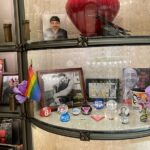
Next comes Hibernia Beach, also known as the Castro LGBTQ+ Memorial. This is a different tone than the Pink Triangle. Instead of focusing on European history and Nazi persecution, you’re brought back to the question of how LGBTQ life and loss show up in the places you walk.
I like that this stop broadens your understanding of LGBTQ memory. Memorials don’t all look the same. Some point outward to global events; others recognize local presence, survival, and community identity. When you see both styles on one route, the story becomes more complete.
One small caution: depending on conditions, shoreline areas can feel windier or uneven underfoot. Comfortable shoes help here, and they help throughout the tour. Think traction and padding, not just looks.
GLBT History Museum: turning the streets into a timeline
The GLBT History Museum stop helps you move from monuments to chronology. It’s a spot where the district’s identity stops being abstract and starts becoming a timeline you can hold in your head.
Even if you’re not planning on staying long inside (this tour is 90 minutes overall), the guided framing matters. Eric uses this stop to connect the physical neighborhood to the institutions that preserved stories when communities were under attack, ignored, or forced underground.
This is also where your walking tour gets smarter. You start recognizing that activism wasn’t only in marches. It was in documentation, archiving, and education. That’s a big reason a museum stop works well inside a walking route: it gives your brain a place to organize what you’ve already learned.
Jane Warner Plaza: firsts that shaped enforcement and safety
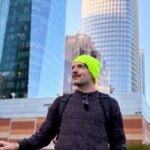
At Jane Warner Plaza, the focus shifts to a different kind of milestone: visibility inside systems. The plaza is named after the first openly lesbian police officer on the San Anselmo police force, Jane Warner.
This kind of detail is exactly why tours like this are worth doing even if you’re good at reading on your own. A street name can look like trivia until a guide explains the consequence. When you learn who someone was and what they faced, the plaza turns into evidence of social change under pressure.
What I find useful here is the balance. You’re not only hearing about protest and memorials. You’re also learning about representation in institutions. It’s a reminder that safety and rights aren’t created by culture alone—they’re created by policy and by people changing how systems respond.
Harvey Milk’s camera shop: where politics met daily life
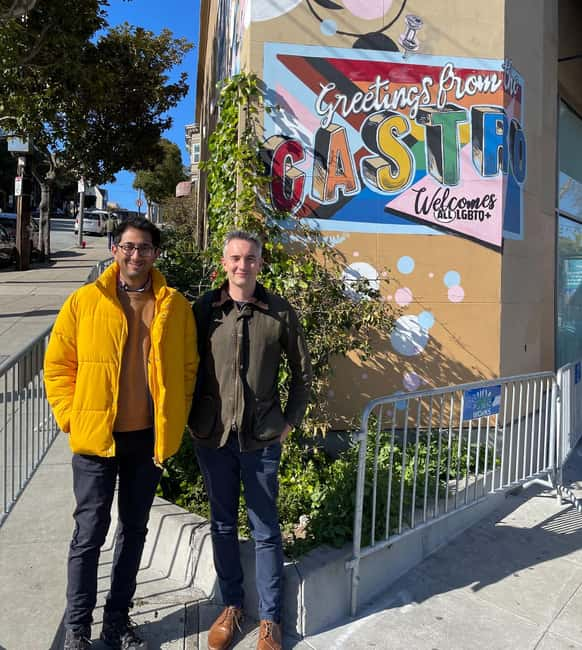
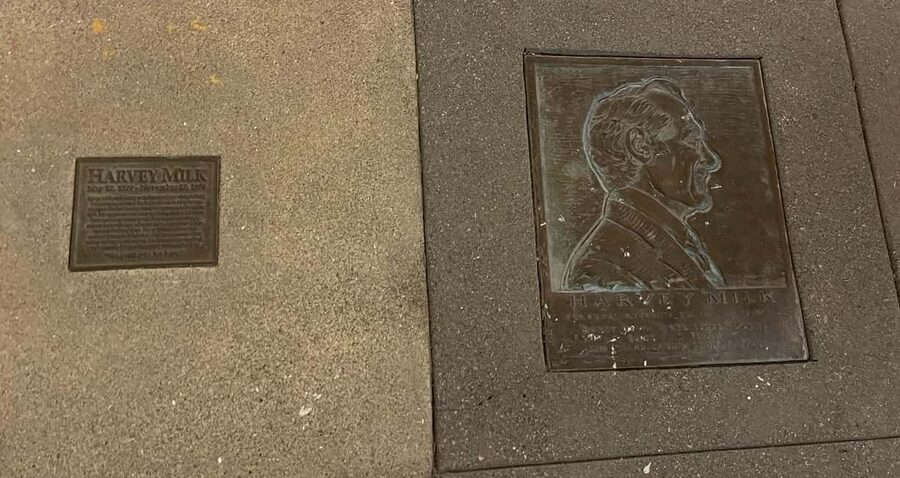
Then you get to the real heart of the district’s story: Harvey Milk’s former camera shop, campaign headquarters, and residence. This isn’t treated like a distant legend. It’s presented as a workplace and a home—places where organizing, persuasion, and risk were real and immediate.
I like that this stop is practical in a way many tours skip. You’ll learn how Milk’s visibility and organizing efforts didn’t only happen on election night. They happened in the ordinary rhythm of campaigning and meeting people. Seeing a location that functioned as both public-facing headquarters and personal space helps the story click.
It also gives you a clearer sense of why the Castro became synonymous with political visibility. When you connect people to places—rather than just people to headlines—the neighborhood stops being a myth and becomes a map of decisions.
White Night Riots and the 1979 gay rights ordinance
If the earlier stops teach you about identity and remembrance, White Night Riots and the landmark gay rights ordinance of 1979 teach you about turning points. This is where the tour moves into conflict, backlash, and the hard work required after victories.
Eric’s framing is especially useful here because it connects cause and effect. You’re not only learning that violence happened or that legislation passed. You’re learning how communities responded, what backlash looked like in real life, and why political gains needed defending.
This is also a moment where Eric’s personal witnessing (and his activism background) changes how the story feels. Even if you already know the names, the explanation lands differently when it’s tied to how people lived through the aftermath. You’ll likely leave understanding why a rights ordinance in 1979 wasn’t just paperwork. It was a change in what could be demanded—and what could be protected.
Price and value: why $39 can be a smart deal
The tour costs $39 per person for 90 minutes with a local historian. On the surface, that’s straightforward. But the value is in what you get for that time: interpretation of several high-impact stops, stitched into one coherent story.
You’re paying for:
- a guide who can connect each site to the bigger narrative, including the US military influence piece
- a set of memorials and institutions that are easy to walk past without understanding their meaning
- a focused explanation of major events like the White Night Riots and the 1979 ordinance
Could you DIY the Castro with a phone and some reading? Sure. But you’ll spend time chasing context, and you’ll likely miss the connections between stops. Here, those connections are the product.
Also, small group dynamics can help. One review mentioned that Eric took extra time even when the group was only one participant, and he checked in periodically during busy conditions. That kind of pacing attention is part of what you’re paying for.
Practical details so you enjoy the walk
This is a live English tour, and it’s wheelchair accessible. Since it’s 90 minutes, you’ll be on your feet for most of it, so comfortable shoes matter. The stops include a memorial and beach area, so you’ll want traction and support.
Weather matters too. The Castro moves fast, and you’ll keep going even if it’s not perfect outside. If you’re sensitive to wind or chill near the water, bring a light layer.
If you’re visiting when the Castro is crowded (holidays and event days can get hectic), the biggest tip is simple: stick with the group. Eric is good about checking in so you can hear him, but a packed sidewalk can still make audio harder than usual.
Should you book this Castro LGBTQ+ History Tour?
I’d book it if you want more than a photo walk. This tour is for you if you care about how LGBTQ community life formed, what forces shaped the Castro, and how organizing and policy fights changed daily reality.
It’s also a good choice if you like story-led history that connects memorials, institutions, and key people into one route. The Pink Triangle Memorial, Hibernia Beach, the GLBT History Museum area, and Harvey Milk’s sites work together here. You get emotional context, local context, and political context—without needing to plan multiple separate outings.
I would skip it or pair it with extra self-time if you hate structured pacing or you need long stops to read every sign slowly. In 90 minutes, you’re learning the map, not memorizing every detail.
FAQ
FAQ
How long is the San Francisco Castro LGBTQ+ History Tour?
It lasts 90 minutes.
Where do we meet for the tour?
You meet at Harvey Milk Plaza, next to SoulCycle, at 400 Castro Street.
How much does the tour cost?
The price is $39 per person.
Is the tour in English?
Yes, the tour guide leads it in English.
What is included in the price?
The tour includes a guided tour with a local historian.
What should I bring?
Bring comfortable shoes.
Is the tour wheelchair accessible?
Yes, it is wheelchair accessible.
Can I cancel or reschedule?
You get free cancellation up to 24 hours in advance for a full refund, and there’s also a reserve now & pay later option.
Are tips included?
No, gratuities are not included.