REVIEW · ZANZIBAR
Cultural Walking Tour through Stonetown, a UNESCO World Heritage Site
Book on Viator →Operated by Splash Tour Company · Bookable on Viator
Stone Town has a million turns. This private walking tour helps you find your way through UNESCO-listed streets while tying the landmarks together with the stories that shaped Zanzibar.
I like the way this tour keeps things practical: you get hotel pickup within Stone Town and then a focused route that stops at the places you’d otherwise circle for hours. You also get a licensed guide who explains what you’re looking at, from the old coastal meeting spots to the slave-trade history tied to the Anglican Cathedral area.
One thing to consider: timing and site conditions can affect the vibe. In one case, pickup communication didn’t lead to an on-time handoff, so I’d confirm the pickup the day before; and at the House of Wonders, you may mostly see history from the outside because the building is under construction.
In This Review
- Key Things to Know Before You Walk the Stone Town Maze
- Why This Stone Town Tour Works (Even If You’re Short on Time)
- Forodhani Gardens: Where the Sea Wall Shows Its Local Life
- Passing the House of Wonders (Beit-el-Ajaib) Without Going Inside
- Darajani Bazaar: Spices, Fish Stalls, and How Trade Really Feels
- Slave Market Area, the Anglican Cathedral, and Hard History on Purpose
- Jaws Corner: Fresh Coffee, Bao Game Watching, and a Real Local Hotspot
- Princess Salme’s Story and Why Small Stops Add Up
- Price and Value: What $29 Buys You in Stone Town
- Logistics That Matter: Pickup, Private Group, and How to Avoid Friction
- What to Do With the Free Time After the Walk
- Who This Tour Suits Best
- Should You Book This Stone Town Walking Tour?
- FAQ
- How long is the Stone Town walking tour?
- What does the tour cost?
- Is hotel pickup included?
- What’s included, and what’s not?
- Is this a private tour?
- What times does the tour run?
- Can I cancel for a refund?
Key Things to Know Before You Walk the Stone Town Maze
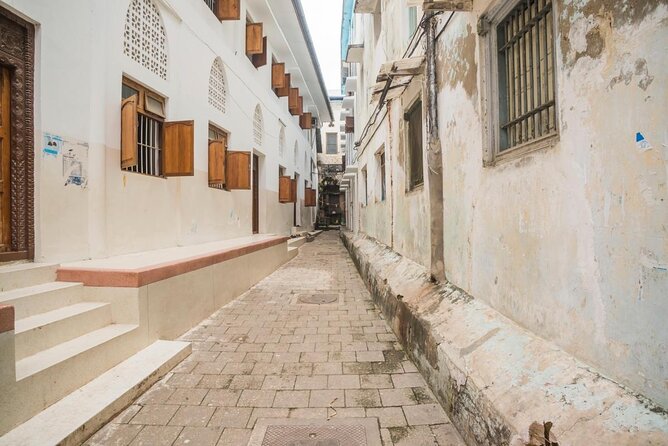
- Hotel pickup inside Stone Town saves you from hunting meeting points in tight, winding streets.
- Forodhani Gardens is both a daytime pause and, later, a hot spot for the night food market.
- House of Wonders viewing is outside-only right now, so expect exterior history, not museum-style wandering.
- Darajani Bazaar gives you a sensory hit: spices, produce, fish and meat stalls, and fast local dealing.
- Jaws Corner coffee and Bao game watching turns a landmark stop into a living-culture moment.
- Private means personal pace: you’re not sharing your guide with strangers.
Why This Stone Town Tour Works (Even If You’re Short on Time)
Stone Town is one of those places where you can walk “just a little” and still end up lost. Streets twist, alleys narrow, and landmarks can look similar if you don’t know what you’re aiming for. This tour’s core value is simple: you get guided direction so you spend your time looking, not re-checking maps every five minutes.
I also like that the route is built around contrast. You’re not only seeing architectural highlights; you’re moving between public gathering spaces, trade markets, and the darker chapters of Zanzibar’s past. That mix helps the city feel real instead of just pretty photos.
And since it’s private, you’re not stuck in a rigid script. If you have questions, you can ask them as you go, right when the story lands on the street in front of you.
You can also read our reviews of more tours and experiences in Zanzibar.


Forodhani Gardens: Where the Sea Wall Shows Its Local Life
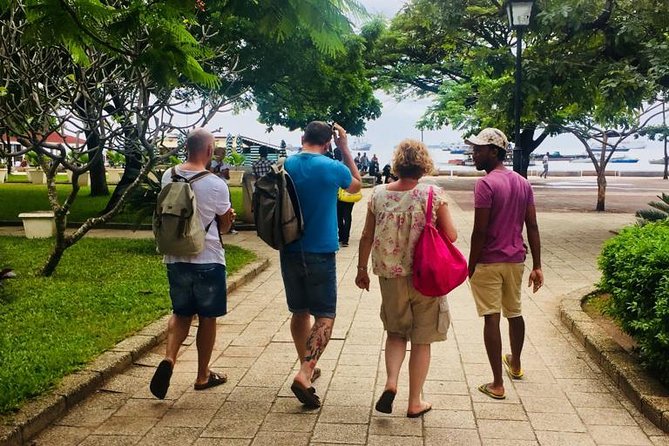
The tour kicks off at Forodhani Gardens, right along the main seawalk. This small park sits in a prime position between major old-city landmarks like the House of Wonders area and the Old Fort, so it’s a smart first stop. You get an easy starting point without feeling like you’re immediately dropped into a maze.
Forodhani is a meeting place, not just a photo spot. It’s famous with locals, and in the evening it becomes especially lively because it turns into a night food market. Even if you’re walking earlier in the day, you can feel how this area functions as the city’s outdoor living room.
The practical upside: you’re starting somewhere open and easy to orient from. The tour then flows outward from there, so your bearings stay solid instead of wobbling as the route gets narrower.
Passing the House of Wonders (Beit-el-Ajaib) Without Going Inside
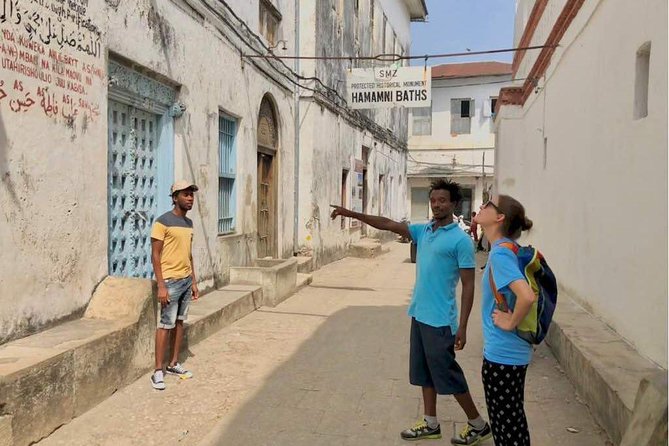
Right after the gardens, you’ll pass the House of Wonders (Beit-el-Ajaib). Here’s the key detail: the building is under construction, so you won’t be doing an inside visit. What you do get is history and context focused on what you can see from the outside.
That actually works well for time-limited tours. If you’re only on Stone Town for a short window, you’ll still learn why the structure matters and how it fits into the wider story of the sultanate era. And if construction limits the full experience, the guide’s job becomes even more important—connecting details so the stop doesn’t feel like a drive-by.
My suggestion: treat this as a “see it, understand it” moment. You can appreciate the building even without interior access, especially with explanations tied to its past.
Darajani Bazaar: Spices, Fish Stalls, and How Trade Really Feels

Next comes Darajani Bazaar, Zanzibar’s main market and one of the busiest parts of Stone Town. Expect it to feel active—busy paths, strong aromas, and lots of hands doing lots of tasks at once. You’ll get a sense of everyday commerce here, not a staged market setup.
This stop is about more than shopping. You’ll move through a mix of stalls where the details matter: spices, fruits, vegetables, and the traditional fish and meat market scene. You can learn a lot just by watching how local dealing works and how goods are displayed and handled.
There’s also value in this being a free stop (no admission ticket needed). You’re paying for guidance and context, not for entry fees. And it’s one of the best places on a walking tour to understand how Stone Town feeds itself and supplies its daily rhythm.
A practical note: markets can be loud and crowded. Wear shoes that handle uneven surfaces, and keep your phone secure if you’re tempted to photograph constantly.
Slave Market Area, the Anglican Cathedral, and Hard History on Purpose
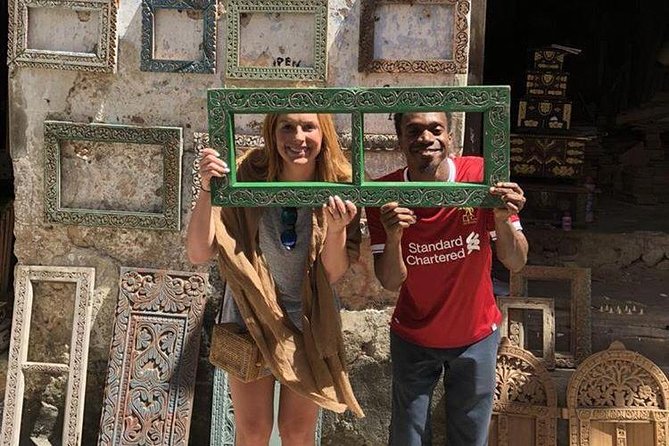
As you continue, you’ll pass the Old Slave Market / Anglican Cathedral area. This is one of the most important parts of the route because the guide explains the history of the slave trade in East Africa and places it in the context of what you see around you.
This isn’t a history lesson performed in a classroom way. It’s tied to real street locations, which makes the story feel heavier—and more accurate—because you’re standing in the urban fabric where it happened. If you care about understanding where a city’s wealth and power came from, this stop matters.
It’s also worth saying: this part of Stone Town isn’t meant to be comfortable. If you’re sensitive to difficult topics, you’ll still be able to handle it, but the guide’s calm, direct framing will help you follow along without losing the thread.
Jaws Corner: Fresh Coffee, Bao Game Watching, and a Real Local Hotspot
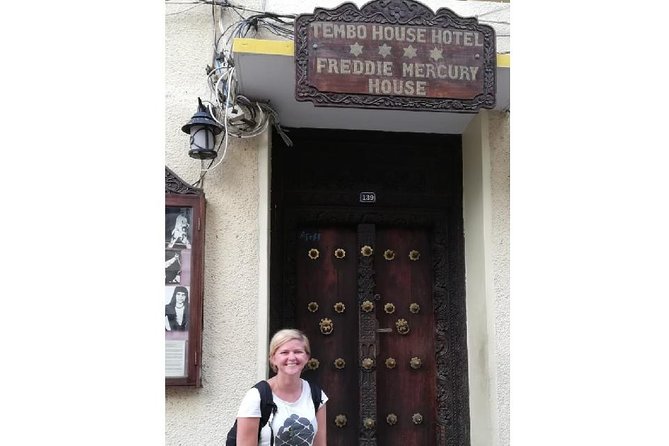
Then the tour moves to Jaws Corner, widely known as the hotspot in Stone Town. This is where the tour shifts from story-heavy history to living culture.
You’ll have a chance to drink fresh brewed coffee, and you can also watch local people playing Bao, the traditional board game that’s played right there in the public space. This is exactly the kind of moment I like on walking tours: it’s not only about buildings and dates. It’s about how locals actually spend time outside.
What makes Jaws Corner special on this route is how it works as a reset. After market intensity and a difficult-history stop, you get an atmosphere that feels social and everyday. You’ll see people acting naturally—buying, chatting, playing—while you take in the surroundings.
Princess Salme’s Story and Why Small Stops Add Up
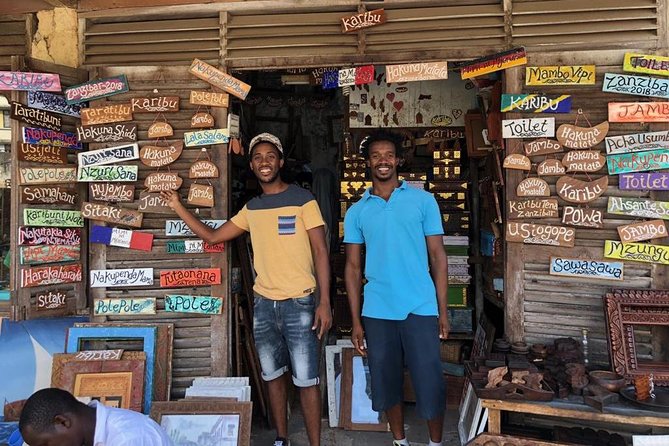
Toward the later part of the walk, you’ll hear the story of Princess Salme, the daughter of the Sultan who fled after falling in love with a German man. This kind of personal story is useful because it brings the political and social history down to something you can picture.
Even without long museum-style stops, a walking route can still feel satisfying when the guide connects the dots. Here, you’re building a timeline through street-level references—who lived where, what changed, and what the city remembers.
That’s also why the stop structure works. The tour gives you several short, focused segments instead of one long slog. You’re always moving, always learning something, and you don’t end up mentally checking out.
Price and Value: What $29 Buys You in Stone Town

The price is $29 per person for a tour that runs about 2 hours 30 minutes. That’s a lot of value in Stone Town terms because you’re paying for three things at once: a route that prevents time-wasting wandering, a licensed guide’s explanations, and hotel pickup within Stone Town.
If you tried to do this on your own, you’d likely spend more time than you expect reading maps and then still miss key context about the slave trade sites and the meaning of landmarks like Forodhani Gardens and Jaws Corner. At this price point, you’re buying clarity.
One more value factor: the tour uses a mobile ticket, and the key stops are mostly free or accessible without entrance fees. So you’re not paying extra just to start learning the city.
That said, you do have to be realistic about what a walking tour can include. Food and drinks are not included, and entrance fees aren’t included either. If you want a full-day experience with paid museums and meals, you may need to plan other stops separately.
Logistics That Matter: Pickup, Private Group, and How to Avoid Friction
This is a private tour, meaning only your group joins. That’s the best way to keep the experience comfortable and flexible, especially in a place like Stone Town where sidewalks, crowds, and heat can change quickly.
Pickup is included for hotels located in Stone Town. That’s a big deal for arrival days, because Stone Town streets can be tough to navigate if you’re new to them. You also get confirmation at booking time and a mobile ticket day-of.
Still, I’d plan for one potential snag: pickup timing. One feedback note indicated that promised pickup wasn’t delivered on time even though communication was sent, and the result was a delay. I can’t predict every situation, but I’d take the safe route—confirm the pickup details the day before and have a backup plan for getting to Forodhani if the call doesn’t come through.
What to Do With the Free Time After the Walk
Because this tour ends back at the meeting point (Forodhani), it sets you up well for your next move. Forodhani Gardens is a logical base: you’re near the old-city core, and it’s a natural spot to continue exploring on your own after you’ve learned the main story lines.
If you’re going later in the day, Forodhani’s evening energy can shift toward the night food market vibe. That means you can turn your learning walk into a relaxed evening plan without changing locations constantly.
And if you’re the type who likes to revisit places with new understanding, this is a perfect setup. After the guide explains what you’re seeing at slave-trade-related sites and why landmarks like the House of Wonders matter, the streets make more sense the second time around.
Who This Tour Suits Best
This tour fits you if:
- You want structure in Stone Town instead of wandering and guessing.
- You care about understanding both the attractive landmarks and the difficult history tied to the city.
- You like market life, not just architecture.
- You prefer a private guide who can pace the walk around your interests.
I’d think twice if:
- You already know Stone Town extremely well and just need a quick checklist. The tour time is short, and you’ll want the guide’s stories to be new to you.
- You need lots of indoor museum time. The route includes a pass-by of the House of Wonders that may be mostly exterior due to construction.
Should You Book This Stone Town Walking Tour?
For most people, I think it’s a strong choice—especially if it’s your first time in Stone Town and you want to get your bearings quickly. The price makes sense for a private, guided route that touches major landmarks: Forodhani Gardens, House of Wonders (outside), Darajani Bazaar, the Anglican Cathedral / Old Slave Market area, and Jaws Corner with coffee and Bao watching.
The decision hinges on two things:
1) Can you handle a short walking window that focuses on street-level stories rather than long museum visits?
2) Are you good about confirming pickup details so you don’t lose time if something runs late?
If you can say yes to both, booking this tour is an efficient way to experience Stone Town as a living city with layered history, not just a list of sights.
FAQ
How long is the Stone Town walking tour?
It lasts about 2 hours 30 minutes.
What does the tour cost?
The price is $29.00 per person.
Is hotel pickup included?
Yes. Pickup is included from hotels located in Stone Town.
What’s included, and what’s not?
Included: a licensed tour guide and pickup from Stonetown hotels. Not included: food and drinks, tips for the guide, transfers from other parts of the island, and entrance fees.
Is this a private tour?
Yes. It’s private, and only your group participates.
What times does the tour run?
The listed opening hours are Monday through Sunday, from 8:00 AM to 5:00 PM.
Can I cancel for a refund?
Yes. You can cancel up to 24 hours in advance for a full refund.