REVIEW · ST ANDREWS
St Andrews: Town, Golf, and Old Course History Tour
Book on GetYourGuide →Operated by St Andrews Tours · Bookable on GetYourGuide
Golf history walks you through St Andrews. This 105-minute tour links the Old Course story with visible golf heritage across the town and its ruins.
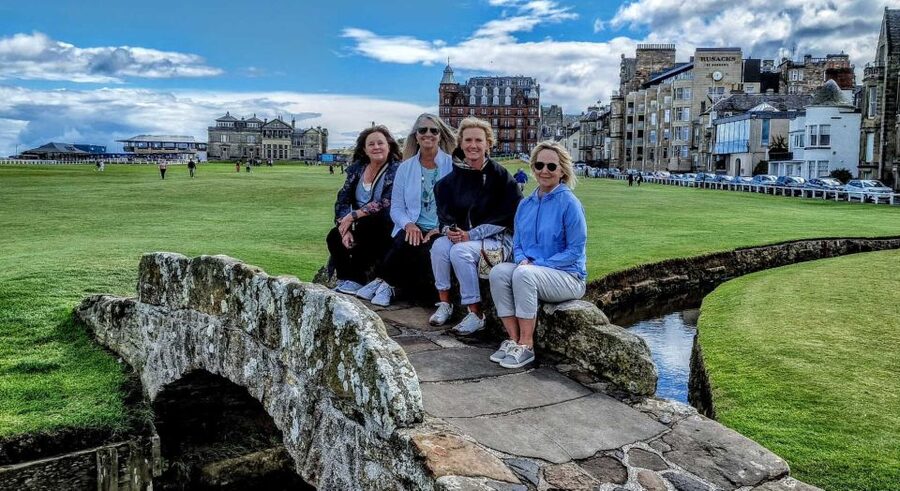
I love how the guide ties together the university, royal student years, and the game’s early roots, so it stays fun whether you play golf or just love places with meaning. I also like the final payoff: a guided photo moment at Swilkan Bridge, often led by guides such as Richard who are good with both stories and snapping the right angle.
One drawback: this isn’t a sit-and-watch tour. You need strong English and you’ll walk at a steady pace, including near the Old Course where live play means you have to stay alert for balls.
In This Review
- Key highlights worth showing up for
- Golf History on a Clock: What This St Andrews Tour Really Delivers
- Why this timing works
- Meet Outside T-Squared Social: The Start-Time Rule That Matters
- English matters more than you’d expect
- Cathedral Ruins and Golf Graves: The Part That Feels Like a Golf Museum
- A practical note
- St Salvator’s College Quadrangle: Scotland’s Oldest University in Walking Distance
- Why I think this stop is good value
- William and Kate, the Netflix Angle, and Sports Marketing Talk
- What to listen for
- The Scores Walk: Where Victorian Campus Buildings Meet Golf Territory
- Traffic and hearing
- Bishop’s Palace Ruins: Catholic Wealth Before the Reformation
- Old Course Essentials: 18th Green, 1st Tee, and the Shape of Golf’s Early Growth
- Stay alert for live play
- Swilkan Bridge Photo Shoot: The Iconic Finish (When Tournaments Aren’t On)
- Where to go next for a calm drink
- Price and Value: Why $27 for 105 Minutes Can Feel Just Right
- Who This Tour Fits Best (And Who Might Find It Frustrating)
- Should You Book This St Andrews Golf History Tour?
- FAQ
- How long is the St Andrews town, golf, and Old Course history tour?
- How much does the tour cost?
- Where do I meet the guide?
- Does the tour require English?
- What are the main stops on the route?
- Is the Swilkan Bridge photo stop included on tournament days?
- Is the tour suitable for people with mobility impairments or wheelchair users?
- Are there restrictions on what I can bring?
Key highlights worth showing up for

- 124 noted golfers tied to the Cathedral ruins and memorial graves
- St Salvator’s College quadrangle stop on the trail of Scotland’s oldest university
- William and Kate student-life stories, plus mentions of the Netflix series The Crown
- Bishop’s Palace ruins that explain Catholic wealth and power in Scotland
- Swilkan Bridge photo finish (not run on tournament days)
Golf History on a Clock: What This St Andrews Tour Really Delivers
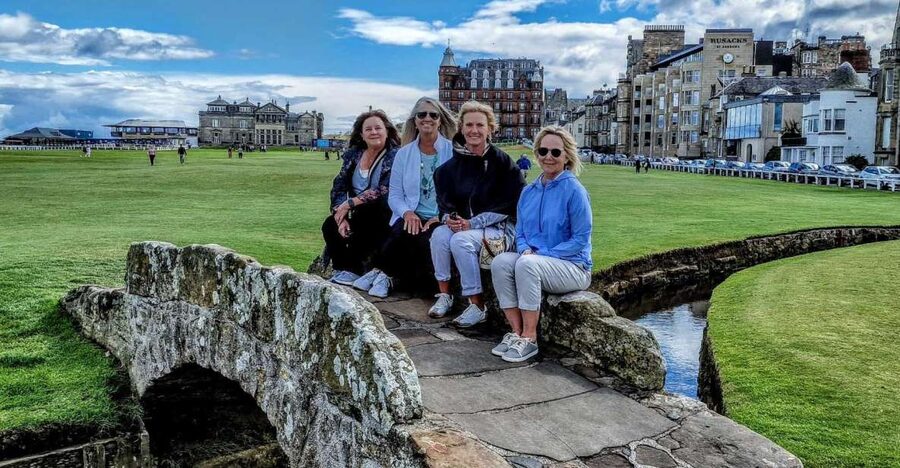
St Andrews is one of those rare places where golf isn’t a separate attraction. It’s part of the town’s backbone. This tour is built to show you that link fast. In about 105 minutes, you move from university grounds to cathedral ruins, then into the heart of the Old Course story, finishing with the classic Swilkan Bridge photo stop.
I like that the experience is designed for mixed groups. There’s plenty of golf content, but it’s not only about swing mechanics or course trivia. The guide uses golf’s evolution to explain why St Andrews became the place it is. You’ll also get town context—who lived here, what institutions shaped the area, and how famous modern visitors fit into a much longer timeline.
You can also read our reviews of more tours and experiences in St Andrews.


Why this timing works
You’re not stuck in an all-day tour loop. If you only have a short window in St Andrews, this is a smart way to get the bigger picture before you wander on your own. And if you do have more time, it sets you up with questions you’ll actually want to ask during later visits to the Old Course or the university area.
Meet Outside T-Squared Social: The Start-Time Rule That Matters
Your tour meets outside the main entrance of T-Squared Social, 117 North St, St Andrews, KY16 9AD. Arrive a bit early. These tours start to schedule and they do not wait, even if you’re late by a minute.
That strict start-time rule is worth respecting, because the whole walk is tight. If you miss the start, you don’t just join late. You’d need to email the provider for the next available tour, and there’s no guarantee it’s the same day or that costs are covered. So treat it like a train departure: show up ready.
English matters more than you’d expect
The tour is in English, and fluent listening is essential. The guide isn’t set up to slow down or translate. If English isn’t your strong suit, you might still catch the landmarks, but you could miss the best part: the stories that connect each place.
Cathedral Ruins and Golf Graves: The Part That Feels Like a Golf Museum
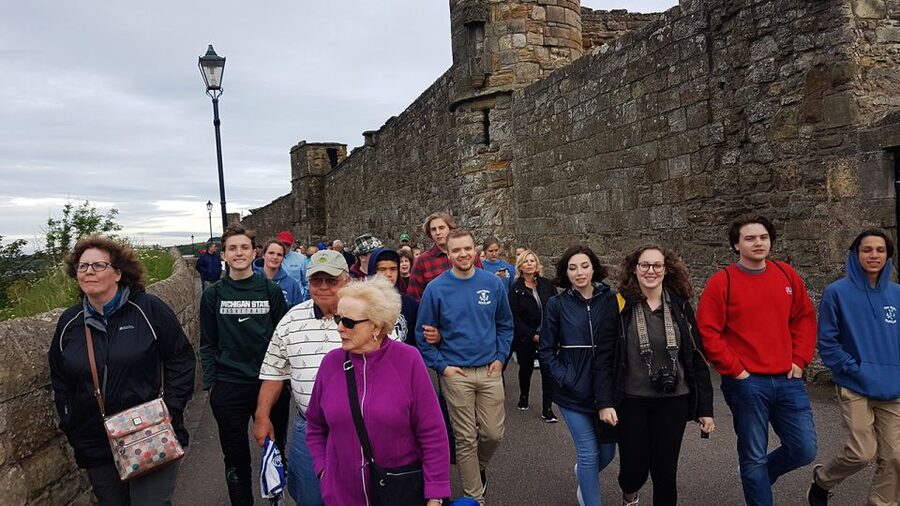
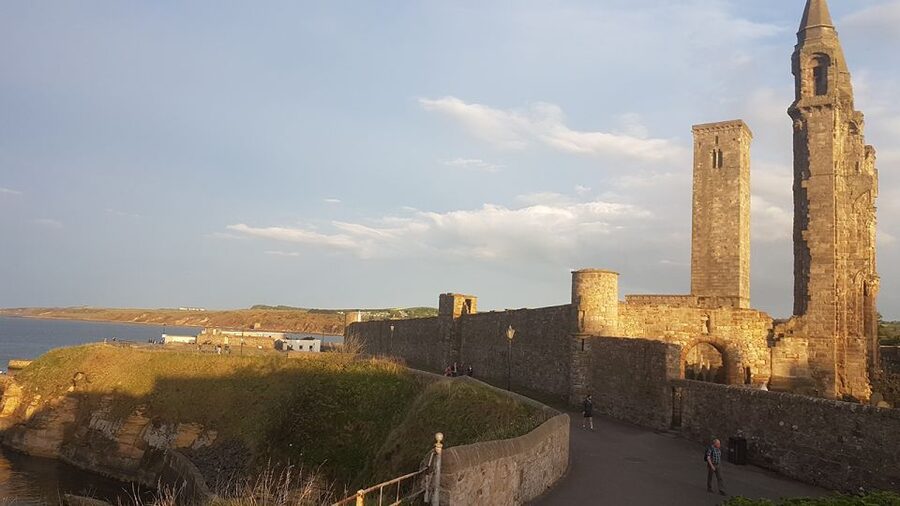
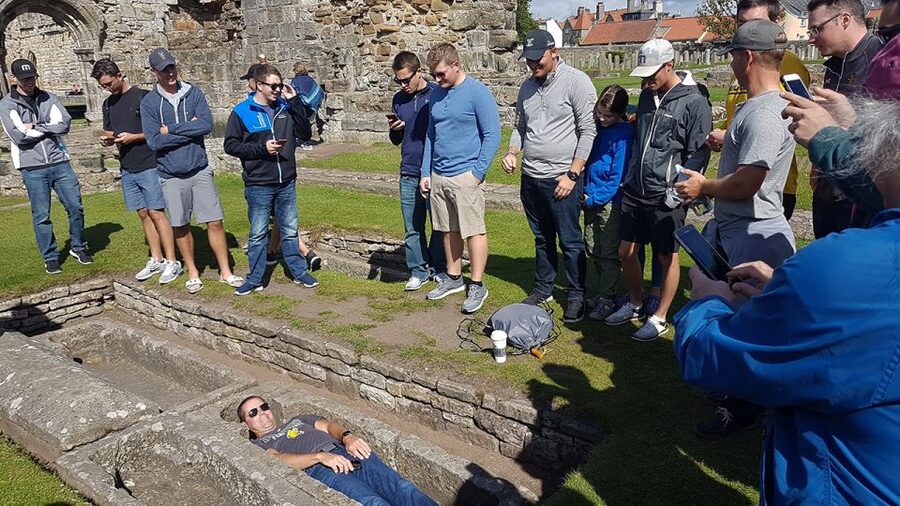
The heart of the tone-setting stop is the ruined cathedral grounds. You’re guided to the area with 124 noted golfers buried there—pioneers of the sport who helped shape the game as it took form in St Andrews.
This isn’t just a cemetery walkthrough. The guide uses the memorials to explain how golf culture became a real community, with names you can connect to the bigger history of the Open Championship and the way St Andrews earned its reputation. It also gives you a sense of the physical geography of the old town: stone, paths, and quiet corners that make the stories feel anchored in place.
A practical note
If you’re the kind of person who wants to linger for a long time over specific graves or names, you’ll need to balance that desire with the tour’s pacing. The official time with each landmark is limited, so plan to do a slower follow-up on your own if you want deeper time in the graveyard area.
St Salvator’s College Quadrangle: Scotland’s Oldest University in Walking Distance
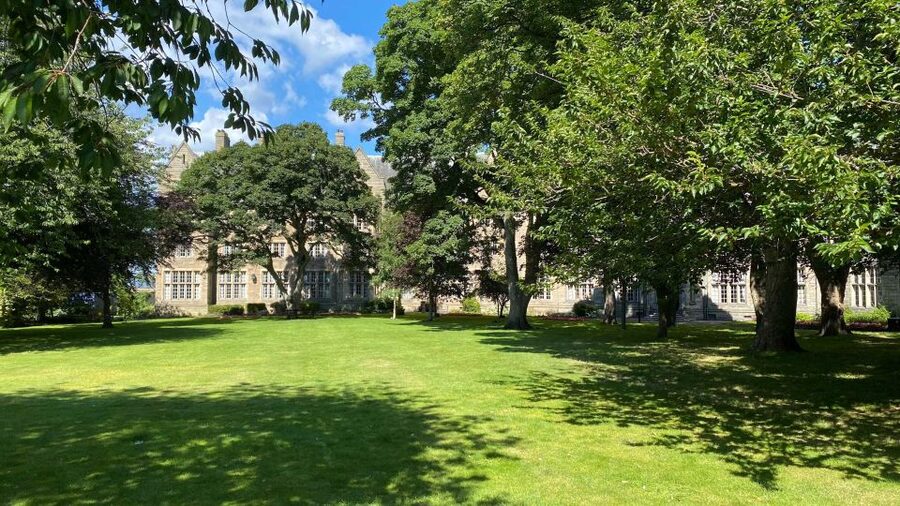
From the cathedral grounds, the tour heads toward the university area, including St Salvator’s College and its quadrangle. You’ll hear about why the university matters to St Andrews—not as a separate attraction, but as a driver of the town’s identity.
This is where the tour becomes more than golf. The guide points out buildings and campus corners you can easily miss if you only look for golf signage. You’ll also visit the chapel area connected with St Salvator’s, and you’ll get a feel for how student life has long been part of the town’s rhythm.
Why I think this stop is good value
University landmarks are often treated as background scenery. Here, they’re used to explain the town’s long-term attraction: St Andrews isn’t just where people play golf. It’s where people learn, spend time, and build reputations. That helps you understand why famous modern names keep showing up in the first place.
William and Kate, the Netflix Angle, and Sports Marketing Talk
One of the most fun sections is how the guide connects modern celebrity stories to the real physical town. You’ll hear about William and Kate, including where they spent student time and how that played out in the local setting. The tour also references The Crown and how it brought attention to St Andrews.
And yes, there’s a sports-business layer too. You’ll hear about Tiger Woods and Justin Timberlake’s new bar/restaurant, and there’s mention of Nike’s marketing genius. This part may sound like it’s drifting into pop culture, but it actually supports the main theme: St Andrews has always been a stage for sports identity, even before today’s branding.
What to listen for
Watch how the guide links these stories to places you’re actively walking past: the student buildings on the Scores, the residential areas tied to student years, and the broader town shape around the university and the course.
The Scores Walk: Where Victorian Campus Buildings Meet Golf Territory
You’ll walk along the Scores, the classic approach road through the university area. This section is practical because it teaches you how St Andrews is arranged. You see the Victorian university buildings, and you pass places like the Principals House and the residence where William and Kate spent their first year as students.
The Scores also helps you connect the dots between town life and the Old Course. It’s an easy walk, but the guide is using it to build context—how the town’s education scene and its golf fame occupy the same small geographic space.
Traffic and hearing
Street noise can make parts of the narration harder, especially on busier segments. A simple tactic helps: stay close to the guide and don’t wander too far out of listening distance. If you’re trying to catch every detail, plant yourself in the front third of the group.
Bishop’s Palace Ruins: Catholic Wealth Before the Reformation
Then you get a strong change of mood at the Bishop’s Palace ruins. This is a symbol of former Catholic wealth and power in Scotland, and it adds a useful historical layer to what you’ve been seeing.
It also helps explain why St Andrews can feel so layered: the town has medieval religious power, an influential university, and later the world-famous golf identity. Standing near these ruins, the tour’s timeline feels real instead of abstract.
Old Course Essentials: 18th Green, 1st Tee, and the Shape of Golf’s Early Growth
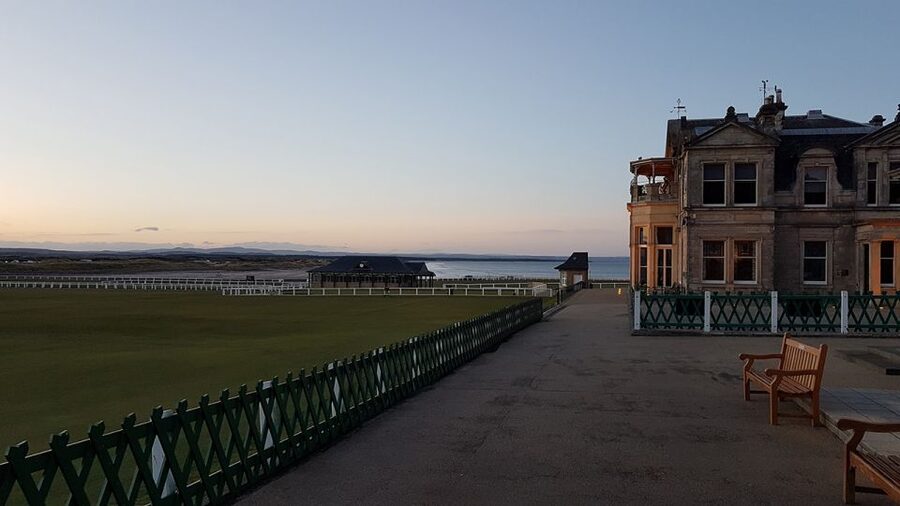
Now you move into the Old Course zone. This is the section many people come for, and it’s not just a glance from the outside.
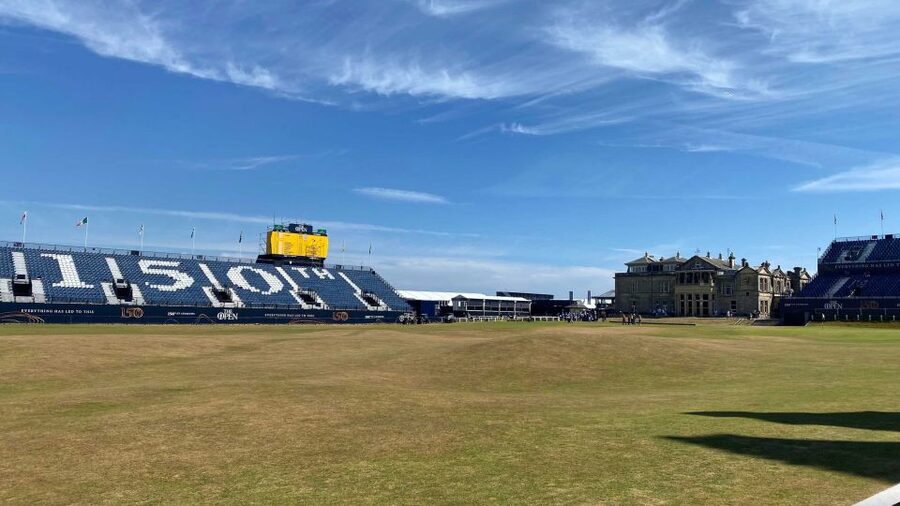
You’ll hear about early development of the Open Championship, and how the game evolved in St Andrews into what people call the Home of Golf. The guide also explains how the Links ended up with 18 holes and shares memorable moments tied to course buildings overlooking play.
You walk by the 18th green, the 1st tee, and along the first fairway. This is where your “golf fan” and “history fan” modes can both kick in. You’ll understand why the Old Course feels different: it’s not only the holes, it’s the story of how golf became formalized here.
Stay alert for live play
A key safety point: you’ll walk by and across the 1st/18th fairway on a golf course during live play, so you must keep an eye out for golf balls. Do it with care and follow the guide’s instructions. This is not a controlled studio setting—it’s an active course.
Swilkan Bridge Photo Shoot: The Iconic Finish (When Tournaments Aren’t On)
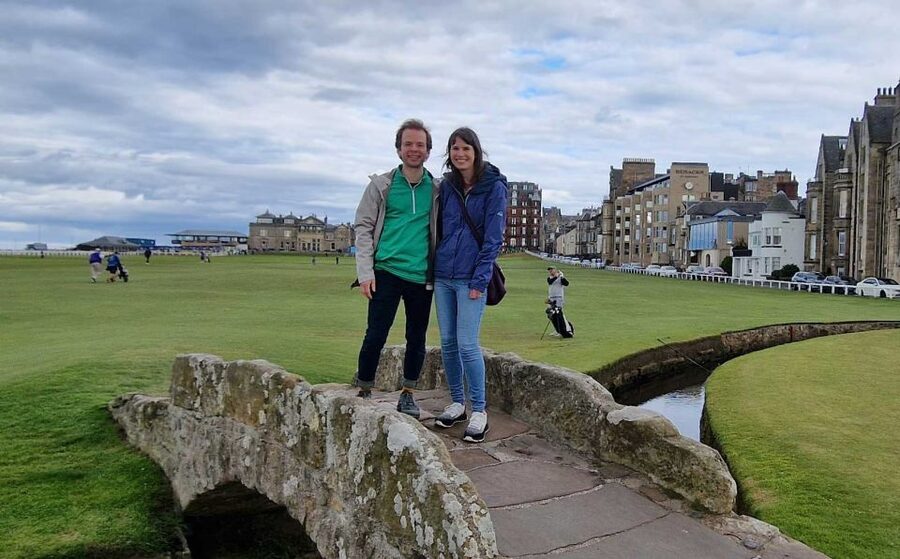
The tour ends at Swilkan Bridge, with a guided photo stop. This is the classic St Andrews image, the one you’ve seen on postcards and in golf stories for decades.
You can usually get a family picture here and take a few of your own, and the guide may help you position for the best angle. The tour finish excludes tournament days, so if you’re visiting during major events, you may not get this same photo moment.
Where to go next for a calm drink
After the tour, a natural next step is to head toward the Jigger Inn / Old Course Hotel area for views and time to absorb what you just learned. One small insider suggestion that often comes up: if you’re in the mood for coffee, it’s worth checking out a spot tied to student and course-side routines, including the upstairs bar area people reference in the Old Course Hotel.
Price and Value: Why $27 for 105 Minutes Can Feel Just Right
At $27 per person for about 105 minutes, this tour can be a strong value if you want the story without turning your day into a multi-stop marathon.
You’re paying for two things:
- A professional historian guide who connects landmarks into a timeline
- The route that links town, university, cathedral ruins, and Old Course positions in a short walk
If you try to replicate this on your own, you can certainly visit the same places. But the value here is the linking: why the ruins matter for golf names, why the university architecture matters for sports culture, and how the Open Championship story connects to specific course areas you’re walking past.
Also, this tour is designed for mixed interests. That matters. If you’re traveling with someone who only wants the golf basics, this tour still gives them a strong payoff without leaving the history person bored.
Who This Tour Fits Best (And Who Might Find It Frustrating)
This is a great match if:
- You love golf history, but you also like real town walking
- You want a first-pass orientation to St Andrews before exploring on your own
- You’re traveling with a mix of golf fans and non-golf fans
- You prefer a guided timeline instead of reading it later
It may be frustrating if:
- You need step-by-step pacing or extra time at each stop. The tour moves.
- You struggle with fluent English listening. The narration is integral.
- You have mobility issues, use a wheelchair, or need accessibility support. This isn’t built for that.
You should also plan for basic walking realities: bring comfortable shoes and weather-appropriate clothing. You’ll be out in the elements more than you might expect for a tour that’s just 105 minutes.
Should You Book This St Andrews Golf History Tour?
Book it if you want one smart, time-limited way to understand why St Andrews became the world’s golf reference point. The cathedral ruins with the golf pioneers, the university stops around St Salvator’s College, and the movement into the Old Course make the story feel concrete. And the Swilkan Bridge photo finish is a nice, tangible souvenir.
Skip it or look for another option if you need heavy accessibility support, rely on slow narration, or want long sit-down time in any one spot. This tour is for people who like walking, listening, and leaving with clearer names and a better sense of the place.
If your schedule is tight in St Andrews, this is one of the easiest ways to get the big picture without wasting hours.
FAQ
How long is the St Andrews town, golf, and Old Course history tour?
The tour lasts about 105 minutes.
How much does the tour cost?
The price listed is $27 per person.
Where do I meet the guide?
Meet outside the main entrance of T-Squared Social at 117 North St, St Andrews, KY16 9AD.
Does the tour require English?
Yes. A fluent command of English is essential, and speaking slowly or translating does not work for this tour.
What are the main stops on the route?
You’ll see the University area and St Salvator’s College, visit the cathedral ruins with golfing memorial graves, walk along the Scores, visit the Old Course area (including spots by the 18th green and 1st tee), and finish at Swilkan Bridge for photos.
Is the Swilkan Bridge photo stop included on tournament days?
No. The tour finishes at Swilkan Bridge, but the photo stop is excluded on tournament days.
Is the tour suitable for people with mobility impairments or wheelchair users?
No. It is not suitable for people with mobility impairments or wheelchair users.
Are there restrictions on what I can bring?
Yes. No baby strollers, pets (assistance dogs allowed), mobility scooters, walking frames, or unaccompanied minors. The tour also notes there’s no luggage drop.