REVIEW · KATHMANDU
Nagarkot Sunrise & Bhaktapur Heritage Tour -Private Full Day Trip
Book on Viator →Operated by Himalayan Recreation Treks & Expedition Pvt.Ltd · Bookable on Viator
Mornings in Nepal can be jaw-dropping. This private Nagarkot sunrise and Bhaktapur heritage trip is all about timing: get up early, climb to the best viewpoint, then spend the rest of the morning on Bhaktapur’s UNESCO sites like Durbar Square and the iconic 55 Window Palace.
I especially like that you’re not just watching scenery. You get an English-speaking private guide to connect what you’re seeing to the city’s temples, squares, and architecture. One possible drawback is that sunrise is weather-dependent, and your day may feel more like a very early morning outing than a true full-day, since you can be back in Kathmandu by late morning.
In This Review
- Key highlights you’ll feel immediately
- Nagarkot Sunrise: the reason this tour exists
- The early drive from Kathmandu: what to expect and how to prep
- Breakfast after sunrise: fueling the heritage part
- Bhaktapur Durbar Square: walking through Nepal’s heart
- 55 Window Palace: the facade that rewards attention
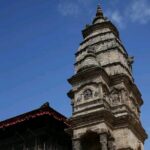
- Nyatapole Temple and the tall temple style
- Dattatreya Temple and the quieter side of Bhaktapur
- Taumadhi Square and Taleju Bhawani Temple: short stops, big meaning
- National Art Gallery and Pottery Square: everyday crafts meet heritage
- The return to Kathmandu: why it may feel like a morning tour
- Weather reality and the Everest question
- Earthquake damage: seeing the restoration without losing context
- Price and value: $60 does a lot, but you need a buffer
- Guides matter: what you can learn from the better days
- Who this tour is best for (and who might skip it)
- Should you book this Nagarkot Sunrise & Bhaktapur Heritage Tour?
- FAQ
- How long is the Nagarkot sunrise and Bhaktapur tour?
- Is hotel pickup and drop-off included?
- Is breakfast included?
- Is lunch included in the price?
- Are entrance fees included for Bhaktapur?
- Do I get a private guide and vehicle?
- What’s the group size?
- What should I bring for the sunrise?
- Do I need a passport?
- Is there free cancellation?
Key highlights you’ll feel immediately
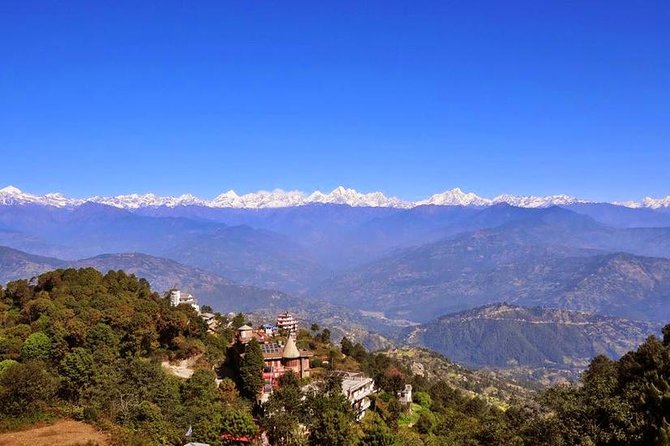
- Nagarkot sunrise timing: early departure and a viewpoint stop built around seeing the Himalayas at first light
- Bhaktapur Durbar Square on UNESCO ground: a guided walk through the core heritage area
- Major temple stops in a tight loop: Nyatapole, Dattatreya, Taleju Bhawani, plus quick square visits
- Architecture you can actually read: 55 Window Palace and other facades become easier with a guide’s explanations
- Private, max 10 people per booking: your group goes together with an air-conditioned vehicle and bottled water
- Extra-site reality: Bhaktapur entrance fees and potential add-ons can change the final cost
Nagarkot Sunrise: the reason this tour exists
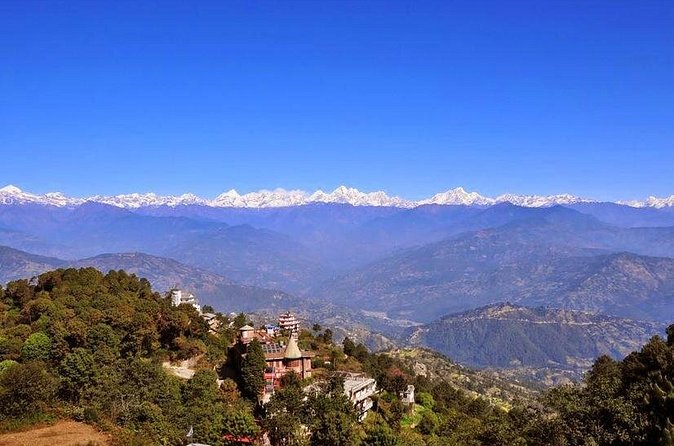
If you’re choosing this trip, it’s because of one thing: the chance to see the Himalayas from Nagarkot at sunrise. Even when conditions are perfect, you’re still dealing with high-altitude weather, so treat this as an opportunity, not a promise.
The plan is simple. You leave Kathmandu early, reach Nagarkot in time, then go to a viewpoint at Nagarkot View Tower for about an hour. Admission there is listed as free, which is nice because it keeps one chunk of your morning straightforward.
I like how the tour builds in time to slow down for views and photos. In real departures, guides such as Prakash and Jamuna have focused hard on getting the timing right. If you’re hoping for Mount Everest or other peaks on a clear day, it helps that the tour encourages you to bring binoculars to spot what’s far off.
You can also read our reviews of more tours and experiences in Kathmandu.
The early drive from Kathmandu: what to expect and how to prep
This tour starts before most people wake up. Pickup is offered from Kathmandu city center, and the drive to Nagarkot is part of the experience. Some schedules have picked people up around the mid–4 a.m. to mid–5 a.m. range, so plan for a very early alarm.
You’re traveling in a private air-conditioned vehicle, which matters more than it sounds. In the dark, on cool mornings, a comfortable ride makes the waiting and viewpoint time feel less like an ordeal. Bottled water is included, too, so you don’t have to hunt for basics right away.
Dress like you’ll be standing still for a while. Sunrise mornings can be chilly, and you’ll want layers you can adjust. If you tend to get cold easily, add a hat or warm layer. Comfortable walking shoes also help, because you’ll move around at viewpoints and on heritage grounds.
Breakfast after sunrise: fueling the heritage part
Breakfast is included. The itinerary places it after the Nagarkot viewpoint stop, so you get a warm reset right when your brain is ready for cultural context.
In one reported version of the day, breakfast was served at a nearby hotel with a buffet spread. Even if your breakfast spot differs, the structure usually stays the same: a meal to recover from the early wake-up, then off to Bhaktapur.
This matters because Bhaktapur is a proper walking morning. You’re not doing one quick photo stop and calling it culture. You’ll be on foot through squares, temple areas, and lanes.
Bhaktapur Durbar Square: walking through Nepal’s heart
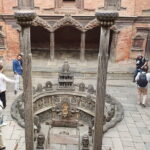
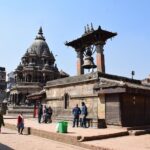
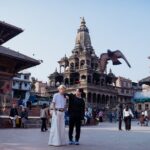
After Nagarkot and breakfast, you head to Bhaktapur Durbar Square, a UNESCO World Heritage Site. This is the core “heritage” portion of the day and typically takes around two hours, with Durbar Square listed as admission not included.
Durbar Square is where Bhaktapur’s power and artistry are still visible in stone, brick, and wood. The guide’s job is to help you see past the tourist view and into the logic of what you’re standing in front of.
This stop is also where the earthquake reality shows up. The tour notes that some of the sites have been significantly damaged due to the earthquakes in April and May 2015. What you’ll see on the ground is a mix of restored sections and damaged areas, depending on the building and the latest repair work. It can be emotional if you’re paying attention, but it also makes the heritage feel more present and real.
55 Window Palace: the facade that rewards attention
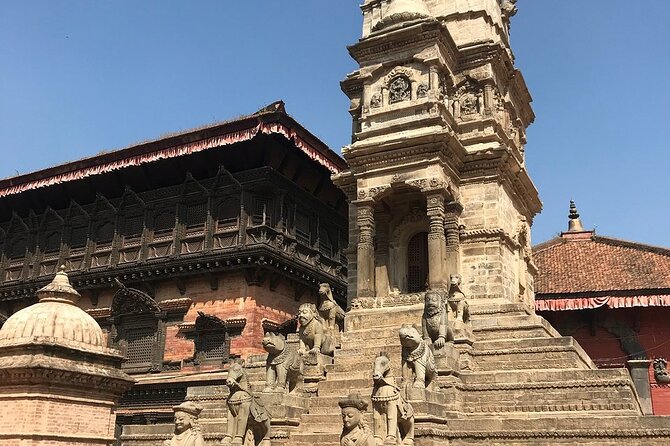
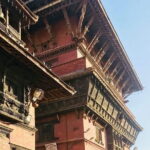
Next up is 55 Window Palace, which is listed as a free stop and takes about an hour. It sits right in the orbit of Durbar Square, so you’re not constantly changing locations—you’re moving within a heritage district.
Why this place is a highlight: it’s a building you can study. When you have a guide explaining the symbolism and design choices, you notice the patterning in the facade and the way windows, columns, and levels work together.
In practice, I’d think of this as a “look twice” stop. First pass, you see the structure. Second pass, you start spotting details and understanding why the building is so often photographed.

Nyatapole Temple and the tall temple style
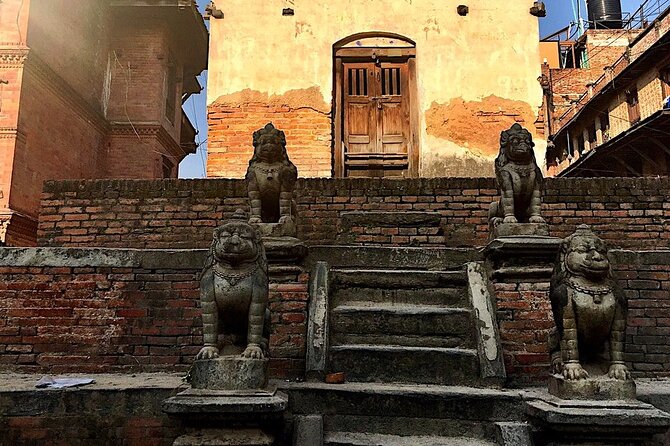
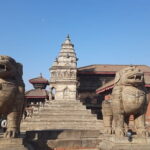
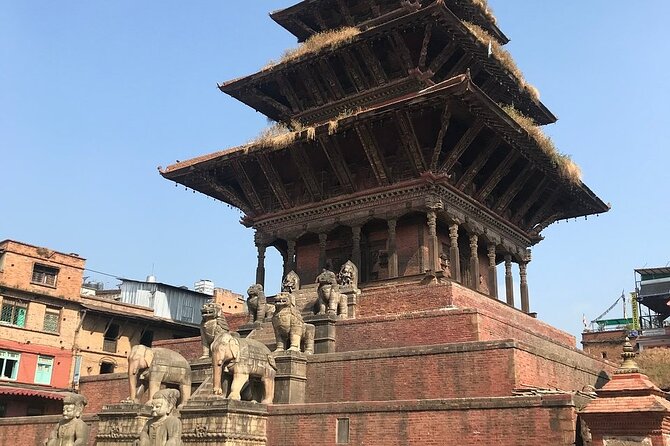
If Bhaktapur has a signature visual style, it’s the tall, sculpted temple forms—and Nyatapole Temple is one of the best places to notice it. This stop is listed as free and takes about 20 minutes.
Tall temples like this are designed to draw your eye upward. When you stand close, you can see the tiering and the sculptural work that gives the building its drama. A guide helps you understand what each section is meant to represent, so you don’t just walk past it as another pretty photo.
This is also the kind of stop where good footwear helps. Even when the walking distances seem short on paper, heritage sites can include uneven surfaces and stairs.
Dattatreya Temple and the quieter side of Bhaktapur
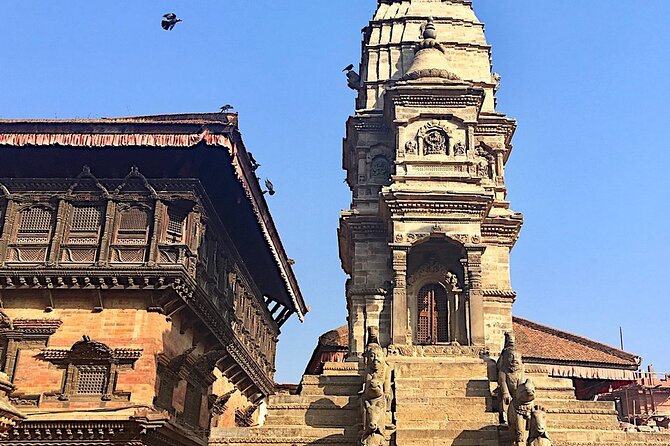
Dattatreya Temple is a free stop for about 45 minutes. It’s also at Dattatreya Square in Bhaktapur, and it gives the day a calmer pace than Durbar Square.
This is where the heritage feels less like a museum circuit and more like a living religious space. You’ll likely see the daily rhythms around the temple area while still having a guide to translate what you’re seeing.
In a tight schedule, temple time can feel rushed if the guide has to move you constantly. In this tour, the guide factor seems to make a real difference. Some groups have had guides like Kasim and Rajan who slowed down just enough to let people ask questions and take photos without feeling herded.
Taumadhi Square and Taleju Bhawani Temple: short stops, big meaning
The itinerary includes quick stops at Taumadhi Square (about 20 minutes) and Taleju Bhawani Temple (about 10 minutes). Both are listed as free.
These are the kind of places that can look small at first glance. But they matter because Bhaktapur’s heritage is built around the relationship between squares and religious landmarks. If your guide connects these spots to the larger layout of the city, you’ll get a clearer mental map by the time you reach the next temple.
This is also where a private tour works in your favor. Even on short stops, your guide can adjust to your pace and interests, instead of dragging the group along on a preset factory schedule.
National Art Gallery and Pottery Square: everyday crafts meet heritage
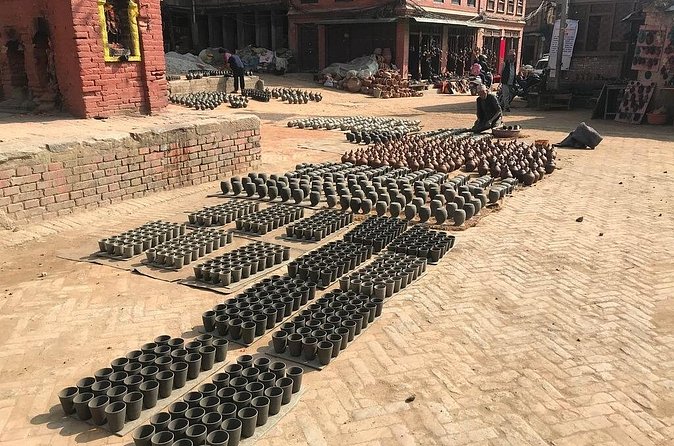
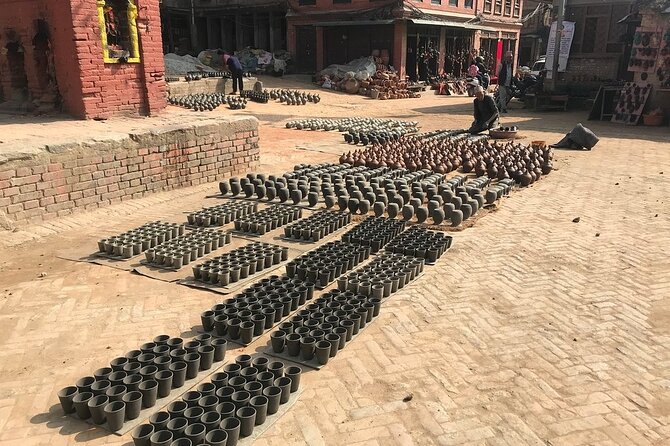
The day also includes National Art Gallery for about 15 minutes and Pottery Square for about 15 minutes, both listed as free.
These stops add texture. They remind you that Bhaktapur’s heritage isn’t only temples and carved facades—it’s also crafts and art traditions that still shape daily life.
Pottery Square can be especially fun if you like hands-on watching and small purchases. Even if you don’t plan to buy anything, it’s a good place to slow down, look at materials, and understand how a historic city keeps making practical things.
The return to Kathmandu: why it may feel like a morning tour
This is where expectations can get tricky. The tour is labeled as approximately 5 to 7 hours, but multiple real schedules have ended early, with returns around late morning (some reports had people back by about 9:15–10:15).
So yes, this can feel shorter than the words full-day. I’d treat it as a half-day heritage program anchored by a sunrise.
That’s not automatically bad. If you’re in Kathmandu for only a few days, it can be a smart way to hit two major highlights—Nagarkot and Bhaktapur—in one go. But if you’re the type who plans your whole day around a long sightseeing block, you’ll want to mentally adjust.
Weather reality and the Everest question
Here’s the honest part: Nagarkot sunrise depends on cloud cover. If fog or low clouds roll in, you may get a glowing sky with fewer distant peaks. The tour itself even advises you to bring binoculars for the best view of Everest on a clear day.
On clear mornings, you might see multiple Himalayan ranges. On not-so-clear mornings, you’ll still get the calm, early atmosphere and the experience of being in position for sunrise. But your peak visibility may be limited.
If Everest is the one goal driving your trip, build flexibility into your planning. This tour is still valuable even when visibility isn’t perfect, because Bhaktapur’s cultural stops keep the day meaningful.
Earthquake damage: seeing the restoration without losing context
The tour notes significant earthquake damage to some sites visited after 2015. That changes how you’ll experience the buildings.
Instead of only seeing “old architecture,” you may also see evidence of repair and structural impact. That can make the trip more thoughtful, but also more complicated if you’re expecting everything to look pristine and unchanged.
With a guide, you’ll get context on what was affected and what you’re looking at now. This is one reason private guiding helps: it turns visible damage and mismatched restoration into a story, not just a visual surprise.
Price and value: $60 does a lot, but you need a buffer
The price is listed at $60 per person, and on paper that’s a strong deal because it includes hotel pickup and drop-off, breakfast, bottled water, a private air-conditioned vehicle, and an English-speaking guide.
But the value equation has two caveats you should plan for:
- Bhaktapur entrance fees are not included. Durbar Square is explicitly marked as admission ticket not included.
- You may also encounter small extra costs depending on timing and local setup. Some departures have reported additional payments connected to the sunrise viewing area and city access.
The tour also states you should expect about $10 USD for lunch purchased locally. Lunch is not included, so bring that into your budgeting.
If you’re traveling as a couple, private transport plus a guide can still feel economical compared to piecing together a driver and separate guiding. If you’re extremely price-sensitive and want zero surprises, you may prefer a version of the day that spells out every entry fee in advance.
Guides matter: what you can learn from the better days
This tour is heavily guide-dependent. When it goes well, the guide manages timing, explains the architecture clearly, and keeps the day moving without rushing your photos.
In reported experiences, guides such as Prakash, Jamuna, Krishna, Dipu, and Kasim have played a key role in making the day feel smooth. People particularly appreciated guides who kept them on schedule for sunrise and then helped them connect Bhaktapur’s buildings to what makes the city distinctive.
One practical tip from good guiding styles: ask questions early. If you start with a quick question about what you’re seeing at Durbar Square, you’ll notice more for the rest of the morning.
Who this tour is best for (and who might skip it)
This works best for you if you:
- want a sunrise viewpoint near Kathmandu without complex planning
- like heritage that’s close together (temples and squares you can walk)
- enjoy having a guide translate architecture and meaning, not just point at buildings
- can handle an early start and cooler morning weather
It may be less ideal if you:
- want a guaranteed sunrise view regardless of clouds
- need a long, leisurely full-day schedule (this often ends early)
- dislike the idea of paying entrance fees at Bhaktapur
- are uncomfortable with stairs and uneven ground at temple sites
Also, if anyone in your party struggles with stairs or steep viewpoints, you might want to ask your guide about the safest options on the day.
Should you book this Nagarkot Sunrise & Bhaktapur Heritage Tour?
I think you should book it if you want one efficient day that hits two of Nepal’s most memorable experiences: sunrise drama and UNESCO heritage walking. The included private guide, breakfast, pickup, and air-conditioned vehicle make it low-stress, and the temple-and-square route gives your morning a clear structure.
Before you go, do three things:
1) Bring layers and binoculars for the best chance at seeing Everest clearly.
2) Budget for Bhaktapur entrance fees and lunch (the tour suggests around $10 USD for lunch).
3) Accept that sunrise is weather luck, then let Bhaktapur carry the day even if the peaks don’t fully show.
If you can live with that reality, this trip is a solid value and a great use of limited time in Kathmandu.
FAQ
How long is the Nagarkot sunrise and Bhaktapur tour?
It runs about 5 to 7 hours, depending on timing and the route for the day.
Is hotel pickup and drop-off included?
Yes. Pickup and drop-off are included from Kathmandu city center.
Is breakfast included?
Yes. Breakfast is included as part of the tour.
Is lunch included in the price?
No. Lunch is not included, and the tour notes you should expect around $10 USD for lunch bought locally.
Are entrance fees included for Bhaktapur?
Entrance fees at Bhaktapur are not included. The tour specifically notes Durbar Square admission is not included.
Do I get a private guide and vehicle?
Yes. This is a private tour with an experienced English-speaking guide and a private air-conditioned vehicle.
What’s the group size?
It’s limited to a maximum of 10 people per booking, and it’s private to your group.
What should I bring for the sunrise?
The tour recommends bringing binoculars for the best view of Everest on a clear day, and comfortable walking shoes are recommended.
Do I need a passport?
Yes. A current valid passport is required on the day of travel.
Is there free cancellation?
Yes. Free cancellation is offered up to 24 hours in advance for a full refund.