REVIEW · DARWIN
Darwin: Small Group 2-Hour Heritage Walk
Book on GetYourGuide →Operated by Walk Darwin · Bookable on GetYourGuide
Darwin has a story you can walk. This 2-hour heritage walk turns streets into snapshots of pioneers, WWII impacts, and Cyclone Tracy, then links it to the city you see today. It is an easy way to understand how Darwin grew without relying on a big bus and big claims.
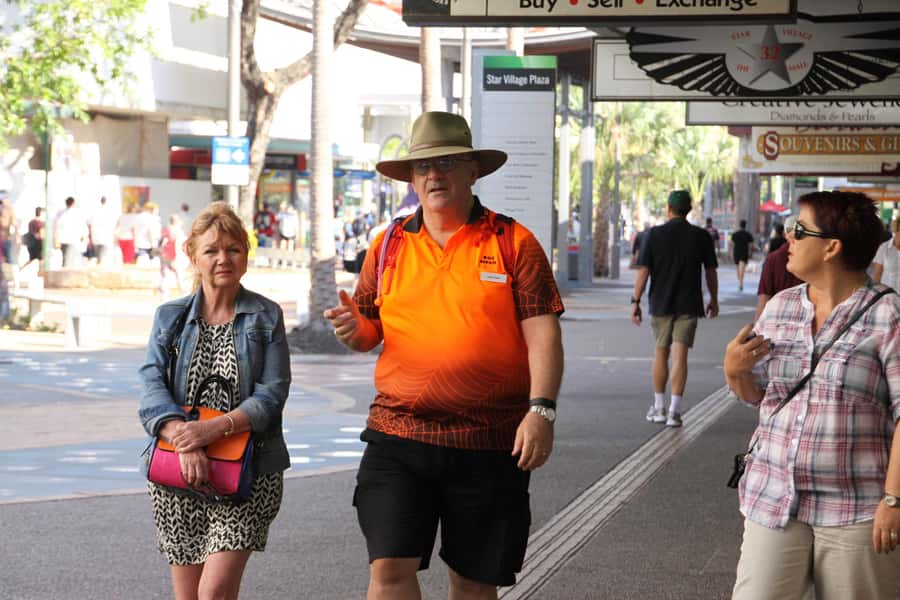
I like that you get a local-style, leisurely pace with John, the guide in a bright orange shirt, and that the storytelling stays practical and grounded in real places. I also love the small-group feel capped at 10, which means you can actually ask questions and keep moving at a speed that works in the heat. That matters in Darwin.
One possible drawback: the route is on foot with limited chances to sit and rest, so you will want a solid level of fitness and a willingness to keep going for two hours.
In This Review
- Key Highlights Worth Your Time
- Why This 2-Hour Heritage Walk Makes Sense in Darwin
- Meeting Under John McDouall Stuart: Start Where the Story Begins
- WWII and Cyclone Tracy: The Two Big Events You’ll Understand Better
- Reconstructed Heritage Buildings: What You Can See Up Close
- The Old Courthouse and Police Station Area
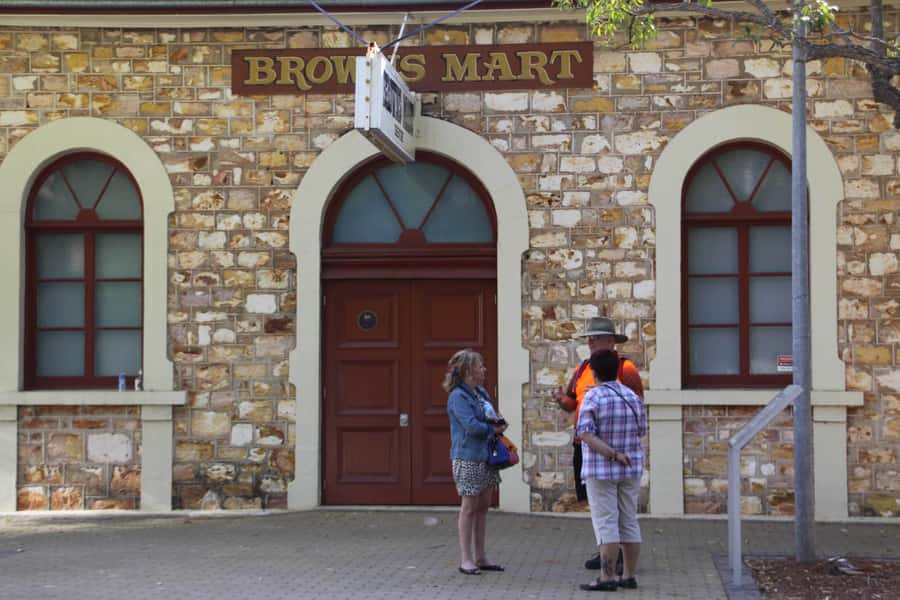
- Brown’s Mart Theatre
- Palmerston Town Hall Ruins
- Government House to the Supreme Court: Darwin’s Political Core, Walked
- Art, Tropical Plants, and Wildlife: The Darwin Details You’ll Actually Notice
- Pacing, Heat, and Fitness: The Stuff That Determines Your Enjoyment
- Price and Value: Is $41 a Good Deal?
- Where It Ends: Finish at Knuckey Street and the Esplanade
- Who Should Book This Walk, and Who Might Skip It
- Should You Book? My Take
- FAQ
- How long is the Darwin heritage walking tour?
- Where does the tour start?
- How large is the group?
- Do I get hotel pickup and drop-off?
- What do I need to bring?
- Is smoking allowed during the tour?
- Is the tour suitable for children?
Key Highlights Worth Your Time
- John’s Darwin stories, in plain English: clear explanations of how events shaped the city, including WWII and Cyclone Tracy.
- You reach places buses cannot: walking routes that get you closer to buildings and details.
- Reconstructed heritage you can still recognize: like the old courthouse/police station area, Brown’s Mart theatre, and the Palmerston Town Hall ruins.
- Top government sights, made human: Government House, Parliament House, and the Supreme Court of the Northern Territory on a workable walking loop.
- Photos are easy to take: public artworks, historic architecture, tropical plants, and wildlife you may spot along the way.
Why This 2-Hour Heritage Walk Makes Sense in Darwin
Darwin can feel like it is all present-day energy at first glance. Sun, palm trees, and that quick tropical confidence. But the city also carries heavy chapters, and this tour is built to help you read those chapters directly off the streets.
For $41 and about two hours, you get spoken commentary from a live guide plus a walking route that fits Darwin’s reality: shorter distances, more heat, and a layout that works best on foot. If you only have one morning or one afternoon, this is a smart way to get your bearings fast while still learning something that sticks.
The best part is that you are not just staring at landmarks. You are hearing how the city evolved into today’s multicultural atmosphere—while still respecting what was lost, rebuilt, and preserved.
You can also read our reviews of more tours and experiences in Darwin.

Meeting Under John McDouall Stuart: Start Where the Story Begins
The tour starts under the John McDouall Stuart statue at Raintree Park. That location is useful because it immediately puts you in the mindset of exploring Darwin as a living city, not a checklist of buildings.
When your guide arrives, look for the bright orange shirt. Even if you show up a few minutes early, you will be able to spot the group easily, and the start point gives you room to gather without feeling rushed. From there, you begin the walking portion along the paths of pioneers—an on-foot introduction that sets up the rest of what you will see.
You’ll also notice the basic rhythm of the tour right away: steady walking, conversational stops, and enough breaks for the key points. Still, plan for the fact that you cannot count on long sit-down pauses. Bring water, use sunscreen, and keep that sun hat close.
WWII and Cyclone Tracy: The Two Big Events You’ll Understand Better
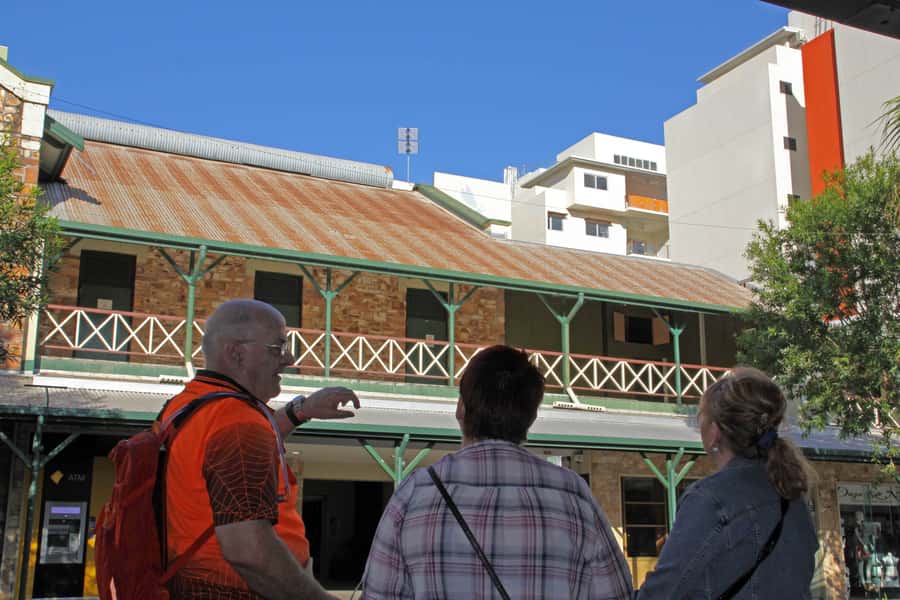
Darwin’s history includes moments that shaped the physical city and the people inside it. This tour highlights two that you will hear mentioned again and again: World War II bombings and Cyclone Tracy.
What I like about this part of the walk is how it is tied to places you can see or imagine. You are not floating through history as abstract facts. The guide connects the stories to the urban fabric—why certain buildings matter, why reconstruction has a presence, and why Darwin’s rebuilding story is part of its identity today.
WWII and Cyclone Tracy are not just dramatic headlines here. They are practical explanation tools. They explain why you see a mix of heritage structures and rebuilt spaces, and why Darwin can feel both modern and deeply historical at the same time.
A small caution: because this is an outdoor walk, the emotional intensity of those stories can feel stronger in the open heat. That is not the guide being heavy-handed; it is just the nature of learning this kind of history outside. If you are sensitive to intense topics, you can pace yourself, ask for slower explanations, and take water breaks when you need them.
Reconstructed Heritage Buildings: What You Can See Up Close
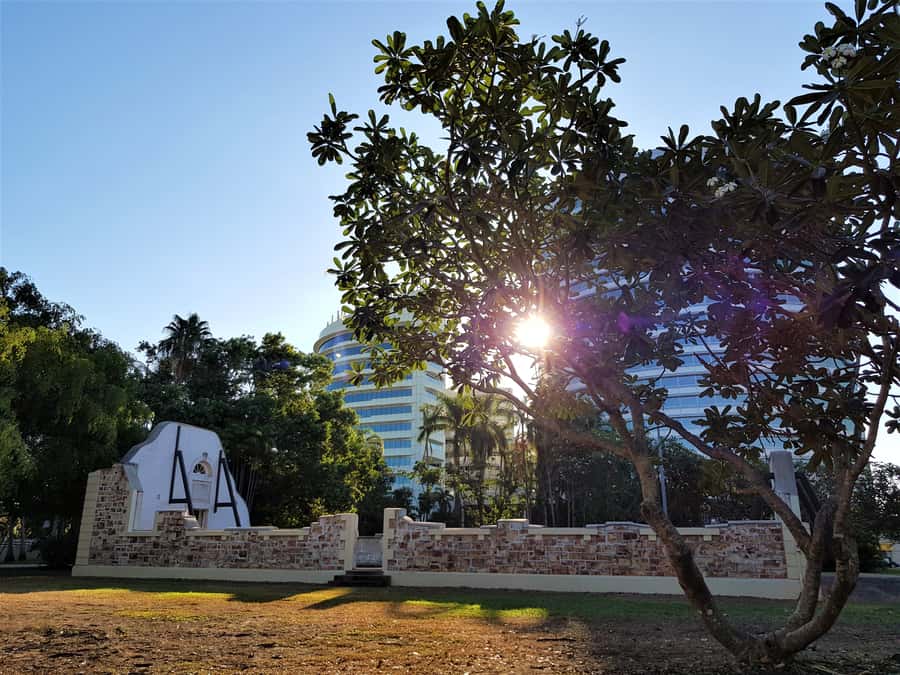
One of the tour’s strongest values is that you visit many remaining buildings and sites that you simply cannot access the same way by bus. You also see reconstructed spaces, which matters in Darwin because so much of the city has been altered over time.
Here are the heritage highlights you will likely spend time on during the walk:
The Old Courthouse and Police Station Area
These are the kinds of buildings that help you picture Darwin’s earlier civic power and daily governance. In places like this, architecture acts like a time machine. Even when parts have changed, the form and location help you understand how the city functioned.
The payoff for you is perspective. You see why institutions mattered to settlers and later residents, and you start to recognize the patterns of civic centers across the city.
Brown’s Mart Theatre
Brown’s Mart theatre brings a different angle to heritage: culture and community life. Instead of focusing only on government or emergency history, you get a sense that Darwin had social spaces where people gathered, performed, and stayed connected.
The benefit of walking by this kind of site is detail. You are more likely to notice signage, façade features, and surrounding context than if you are passing by quickly on a vehicle.
Palmerston Town Hall Ruins
Seeing ruins in real life can be uncomfortable in the best way. They are physical reminders that history is not neat and tidy. During the walk, the guide frames them in the broader story of damage and rebuilding.
For some people, the ruins are the emotional center of the tour. If you prefer a tour that feels balanced, you will appreciate how the walk moves through different kinds of heritage—civic, cultural, and recovery—rather than only dramatic or only pretty.
Government House to the Supreme Court: Darwin’s Political Core, Walked
After you absorb the early and emergency chapters, the tour moves into Darwin’s modern civic structures. This is where the walking loop helps most: you connect the city’s rebuilding story with the way it governs today.
You will view Government House, Parliament House, and the Supreme Court of the Northern Territory during the walk. Even if you are not into politics, these sights help you understand how Darwin matured from a frontier outpost into a major Northern Territory hub.
What’s practical here is the way the guide manages scale. Big buildings can feel intimidating or dull if you see them from far away. On foot, you get angles, context, and enough time for explanations. You also get photo opportunities that do not feel like a stop-and-go sprint.
One consideration: since this is an outdoor walking route, these institutional stops can be exposed. If you burn easily, treat sun protection as non-negotiable.
Art, Tropical Plants, and Wildlife: The Darwin Details You’ll Actually Notice
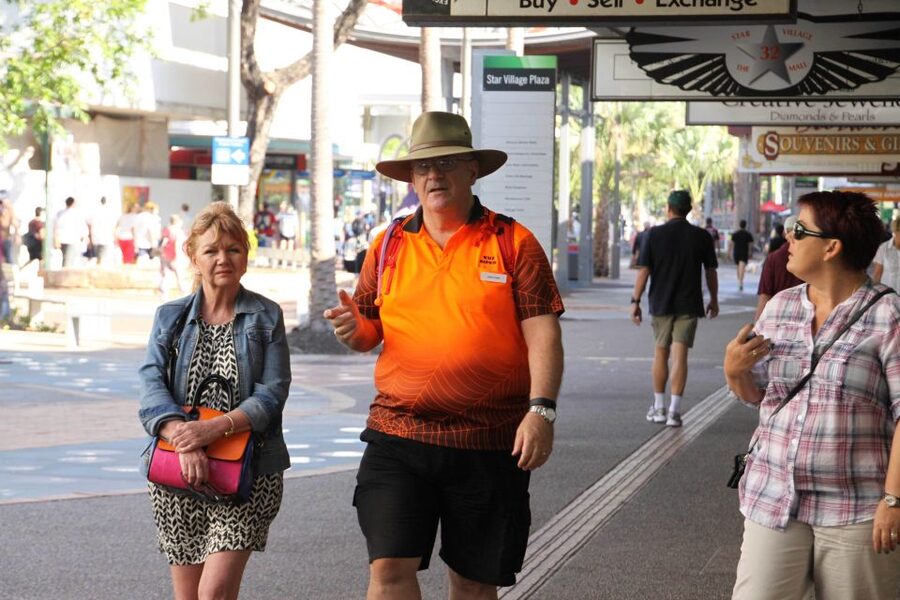
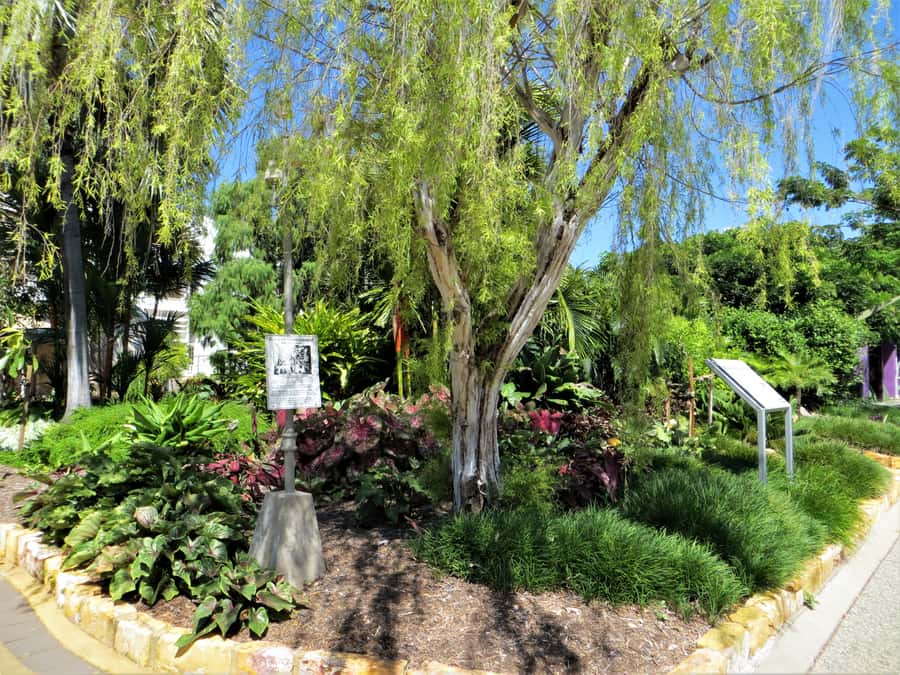
Darwin is not only about historic buildings. It is about the everyday setting around them: public artworks, tropical plants, and the chance to spot wildlife.
This tour builds time for those details because they are part of what makes Darwin feel like Darwin. Walk long enough and you start to read the city’s ecology: shade patterns, plant shapes, and the small natural cues that change how the streets feel.
If you are traveling with a camera, this is where your photos get better. Historic architecture looks good, but it also becomes more interesting when you catch it next to tropical greenery or framed by public artwork. The guide points out angles and features so you do not just shoot a building—you shoot a story.
Keep expectations realistic on wildlife. The tour does not guarantee sightings, but you might see movement in trees or hear activity nearby. If you are patient for a minute and look up, your odds feel better.
Pacing, Heat, and Fitness: The Stuff That Determines Your Enjoyment
This walk is two hours, small group, and limited to 10 participants. That small size is not just a comfort perk; it changes the experience. You are not getting swept along. You can slow down for a question. You can adjust for where your feet feel happiest.
Still, there are two practical constraints you should take seriously:
- Not many places to stop, sit, and rest. The tour is meant to keep moving at a workable pace.
- A level of fitness is required. You will be walking most of the time with short breaks built around key points.
In Darwin heat, that is a bigger factor than it would be in a cooler city. The tour specifically asks you to bring a sun hat, sunscreen, water, and hand sanitizer or tissues. Do that. Also, wear shoes that handle uneven sidewalks and outdoor conditions.
If you do low-impact walking comfortably, you will likely find the pace sensible. If walking for two hours without frequent rests is hard for you, this tour may feel too tight.
Price and Value: Is $41 a Good Deal?
At $41 per person for a two-hour walking tour, the value comes down to three things: the guide’s live commentary, the historical focus tied to specific places, and the fact that you are on foot for a route buses cannot provide in the same way.
You are also not just paying for information. You are paying for a local viewpoint—John’s explanations about how Darwin evolved and how events like WWII and Cyclone Tracy connect to what you see now. Multiple past participants have praised how John makes the tour feel personal and useful, not like a rehearsed script.
Is it a bargain compared with a full-day sightseeing package? It can be, especially if you only have limited time. Is it a splurge for a short outing? Not really. The time is short enough to fit into a tight schedule, and the learning feels high-impact because it is tied to real locations.
If you are the type of traveler who likes short walks, good stories, and a practical overview, this price makes sense.
Where It Ends: Finish at Knuckey Street and the Esplanade
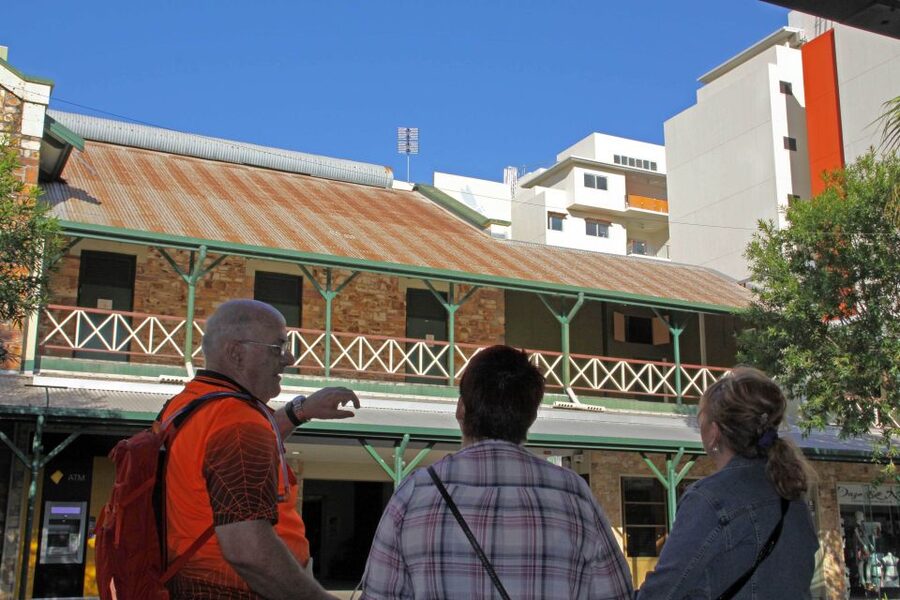
The tour finishes at Knuckey Street and the Esplanade in Darwin City. That ending location is handy because it is in the area where you can keep exploring immediately after your walk.
If you want to turn your new knowledge into a plan, this finish is useful. You can head toward nearby cafes or simply continue strolling with a better sense of what you just learned.
Who Should Book This Walk, and Who Might Skip It
This tour is a strong fit if you:
- want a first-time introduction to Darwin that goes beyond surface-level sightseeing
- like walking tours with a friendly local guide who can answer questions
- want clear explanations tied to buildings and streets
- are comfortable walking for about two hours in outdoor conditions
I would think twice if you:
- have low mobility or struggle with two hours of walking
- prefer tours with many long rest stops
- are traveling with children under 10, since the tour is not suitable for them
Should You Book? My Take
Yes, I think you should book this if you want a smart, story-led introduction to Darwin that stays grounded in real places. It is not just about seeing the city; it is about understanding why it looks the way it does—especially through WWII and Cyclone Tracy, then out into the modern multicultural vibe you experience today.
If you are short on time, this is one of the most efficient ways to get context without wasting half a day. Just come prepared for the walking and the sun. Darwin makes its own rules, and this tour follows them.
FAQ
How long is the Darwin heritage walking tour?
It lasts 2 hours.
Where does the tour start?
The meeting point is under the John McDouall Stuart statue.
How large is the group?
The group is small and limited to 10 participants.
Do I get hotel pickup and drop-off?
No, hotel pickup and drop-off are not included.
What do I need to bring?
You should bring a sun hat, camera, sunscreen, water, and hand sanitizer or tissues.
Is smoking allowed during the tour?
No, smoking is not allowed.
Is the tour suitable for children?
It is not suitable for children under 10 years old.