REVIEW · DARWIN
Bombing of Darwin WWII Heritage Tours
Book on Viator →Operated by Bombing of Darwin World War II Heritage Tour · Bookable on Viator
Darwin’s WWII story hits differently. This 4-hour small-group outing connects the bombing of Darwin to real people, real places, and a local guide with family ties to 1942. You also get a focused stop at the Darwin Aviation Museum, where aircraft linked to Australia’s conflicts help you understand what you’re seeing on the street.
I especially love how the tour blends street-level viewing with personal stories (not just dates), and how the museum stop adds context fast. One consideration: the vehicle setup can vary, and if you’re tall or prefer extra legroom, plan for the possibility of tighter seating than you’d get on a bigger bus.
In This Review
- Key things to know before you go
- A 4-hour WWII Darwin tour that feels personal, not scripted
- Pickup, start time, and how the small-group setup changes the vibe
- Darwin Aviation Museum: why one hour is enough to matter
- Seeing Darwin City and the harbor through WWII context
- Your guide’s family connection is the real engine of the tour
- How the pacing works (and how to make the most of it)
- Value check: is $42 a good deal for a Darwin WWII heritage experience?
- Who should book this WWII bombing of Darwin tour?
- Should you book the Bombing of Darwin WWII Heritage Tour?
- FAQ
- How long is the Bombing of Darwin WWII Heritage Tour?
- What time does the tour start in Darwin?
- How much does the tour cost?
- Is pickup available?
- What museum stop is included?
- How big is the group?
- Do I get a mobile ticket?
- Where is this tour located?
- Can I cancel and get a full refund?
Key things to know before you go

- Small group size (max 11) for a more conversational feel
- Darwin Aviation Museum stop with admission included (about 1 hour)
- Local family stories about the 1942 bombing and its aftermath
- City and harbor sights worked into the route, so it’s not all war talk
- A guide who uses photos and media to bring events into focus
A 4-hour WWII Darwin tour that feels personal, not scripted
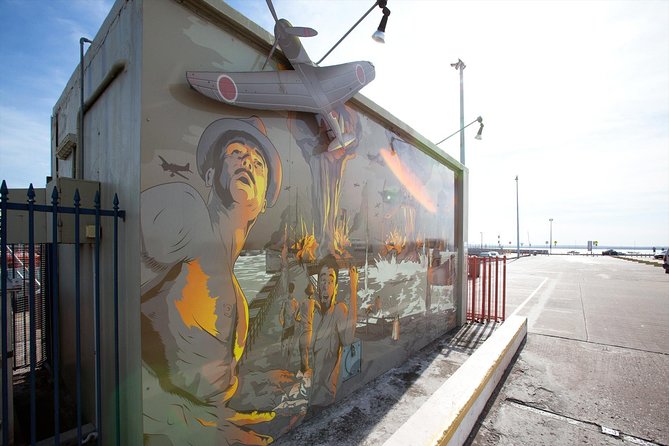
This tour is built around one event: the Japanese aerial attack on Darwin in 1942. But what makes it more than a history lecture is the way it’s told—through lived connection, local detail, and those quick moments when the past “clicks” to the modern streets around you.
The day runs about 4 hours (starting 8:30 am), which is long enough to see multiple WWII-linked locations and still reach the museum with time to breathe. And because the group is capped at 11 people, you’re not stuck listening through a fog of heads turning toward a guide at the front. You’ll have space for questions and for the guide to tailor the pace to the group.
Price-wise, it’s $42, which is relatively low for an experience that includes guided touring plus a museum admission ticket. The main value here isn’t luxury—it’s access to local storytelling and a tight time window to connect Darwin’s wartime role to what you can actually see.
You can also read our reviews of more tours and experiences in Darwin.
Pickup, start time, and how the small-group setup changes the vibe
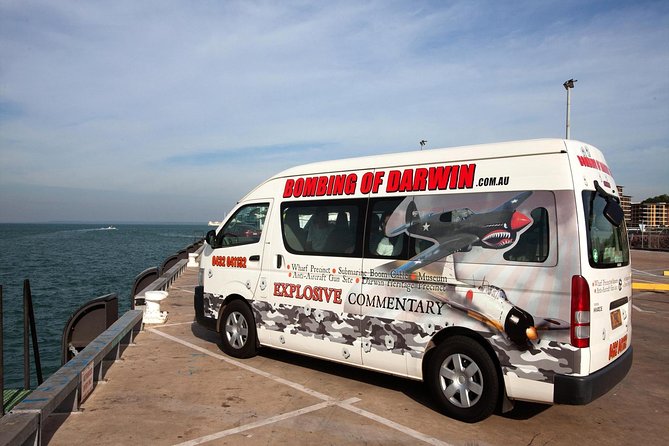
The tour begins at 8:30 am in Darwin, with pickup offered. That matters more than it sounds. If you’re staying central, morning pickup can help you avoid the “what bus do I take, what stop is it, and where do I meet?” stress—especially important in a city where distances can add up.
Your group size is limited to 11 travelers. That has two big effects: first, you’ll spend less time waiting and more time moving; second, the guide can talk like a person, not like a PA system. The result is a tour that feels more like a guided walk-and-ride through history with context, rather than a one-size-fits-all bus tour.
One practical note from the experience: seating can be tighter depending on the vehicle used. If you’re 6 ft tall or you just don’t like cramped back seats, bring that up in your planning and pick your position carefully when you board.
Darwin Aviation Museum: why one hour is enough to matter
The main scheduled stop is the Darwin Aviation Museum, with admission included and about 1 hour on site. If you’ve ever wished history museums came with answers to what you’re looking at, this is the kind of stop that helps.
You’ll see aircraft tied to multiple Australian war conflicts. That’s a smart setup for this tour. The goal isn’t only to learn about 1942; it’s to place the Darwin bombing in the bigger Australian aviation story. Aircraft in a museum are still static objects, but the guide’s framing helps them become part of a timeline—what the planes meant, what they were used for, and how aviation shaped events in the region.
Also, aircraft museums do something scenic tours often miss: they turn abstract warfare into physical detail. You get a better sense of scale and design, and that makes the street-level stories you hear later land harder. If you’re even slightly into aviation, you’ll likely feel like this stop was worth the ticket alone.
Potential drawback: museums can be overwhelming if you rush. But because the time is about an hour, it’s paced like a “useful overview,” not a full-day deep museum day. If you love aviation and want more time, you might choose to return later on your own.
Seeing Darwin City and the harbor through WWII context

One of the tour’s promises is that you’ll get Darwin city and harbor sights alongside the WWII story. That’s important, because the bombing wasn’t happening in a vacuum. Darwin’s location made it strategic, and the water and port connection shaped what targets looked like and why the city mattered.
As you move through the areas tied to the war, the guide connects what you see now to what happened then. You’re not just hearing a story; you’re getting a “standing here makes sense” feeling. That’s also why the tour helps even if you think you already know the basics. The route and commentary are designed to show you the pieces you might miss on your own.
From the overall feel of the experience, the guide often includes light touches of humor along the way—nothing disrespectful, but enough to keep the tour from becoming heavy in every single minute. For a morning starting at 8:30 am, that matters.
Your guide’s family connection is the real engine of the tour
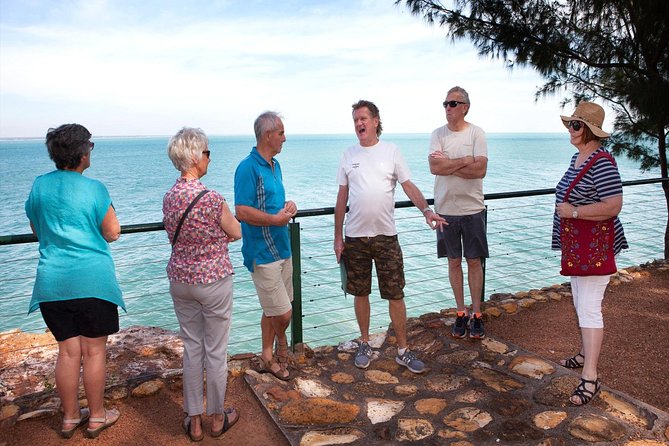
The standout feature here is the guide. The consistent theme across the experience is that Garry (spelled Garry/Gary in different accounts, but presented as Garry) brings a personal angle and a serious amount of detail.
What you can expect from that personal connection:
- Family involvement with 1942: the guide shares stories tied to the bombing period
- Local research and materials: photos and media that explain the event beyond basic facts
- A human timeline: stories about how people experienced the attack and its aftermath
In at least one account, the guide also mentioned family service history in the Royal Australian Navy context and that he has written a book about the bombing. Even if you don’t buy the book, it helps explain why the tour feels grounded: it’s not only “here are the dates,” it’s “here’s how this event made real people react and rebuild.”
You should also expect story-driven transitions. For example, you’ll likely hear why certain locations matter, then link it back to what the guide’s family connection reveals. That’s what gives the tour its “local’s perspective” effect. It’s one thing to learn history; it’s another to understand why one family never forgot it.
How the pacing works (and how to make the most of it)
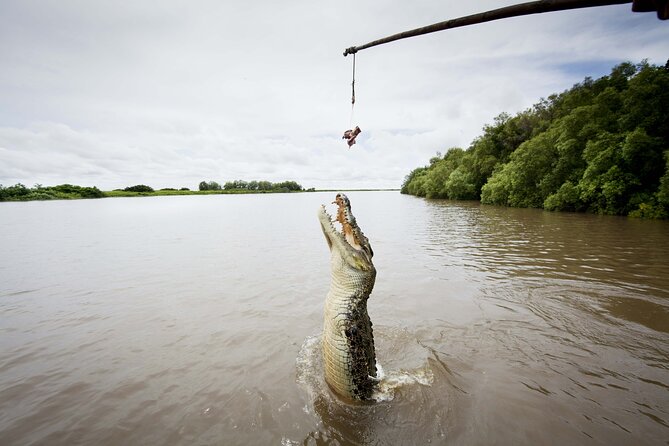
With about 4 hours total, you’re looking at a morning with several segments: a ride through WWII-relevant areas, time for a major museum stop, then additional viewing while the guide ties it all together.
To get the most out of it, come ready to ask questions. This kind of tour works best when you’re not just collecting information—you’re also connecting it to the places you’re seeing. When the guide points out modern features alongside historical ones, your best move is to listen for the “why,” not only the “what.”
If you’re worried about fatigue, it helps that the group is small and the tour includes vehicle time. You’re not doing an all-day walking marathon. Still, it’s a morning outing, and Darwin weather can be its own character. Bring water and plan for sun, especially if you’ll be outside around the harbor or city viewing points.
Value check: is $42 a good deal for a Darwin WWII heritage experience?

Let’s talk value, not just price.
At $42 for roughly 4 hours with pickup offered, a small group (max 11), and Darwin Aviation Museum admission included, you’re getting more than a sightseeing loop. A good chunk of the cost goes into guided interpretation and the museum entry.
For many people, the “value” question comes down to this: will I actually learn something useful and feel like I saw real places tied to the event? Here, the answer is likely yes, because:
- the guide’s delivery is story-based and connected to 1942
- the museum stop adds context you can’t get just from street photos
- the route mixes historical points with modern Darwin city/harbor context
The only true value-risk is if you’re expecting a huge, multi-stop museum-style checklist with lots of long viewing time at multiple sites. This is not that. It’s a focused “morning briefing” that covers key places and then uses the museum to make it make sense.
Who should book this WWII bombing of Darwin tour?
This tour suits you best if you:
- want WWII context that goes beyond basic timelines
- like guided storytelling with local detail
- enjoy museums where the guide helps you connect objects to real events
- prefer a small-group day over a crowd-heavy bus tour
It’s also a solid pick for first-time Darwin visitors who want to understand the city’s wartime role without spending your whole day on research.
If you’re traveling with someone who gets bored when history turns into a lecture, this one has a better chance. The guide’s style often includes humor and human details, which keeps the pace moving.
Should you book the Bombing of Darwin WWII Heritage Tour?
If you want a thoughtful way to understand why Darwin mattered in 1942—through personal stories, street-level connections, and a museum stop included—then yes, I’d book it. At $42, you’re paying mainly for interpretation and access, not for extra frills.
Book it even if you’re not a hardcore history buff. The tour is designed to make events click to the geography of the city. And if you do care about WWII aviation, the Darwin Aviation Museum visit is a strong reason to go.
Go in with realistic expectations: it’s about a morning’s worth of focused context, not an all-day deep dive into every aspect of the war.
FAQ
How long is the Bombing of Darwin WWII Heritage Tour?
It’s about 4 hours.
What time does the tour start in Darwin?
The start time is 8:30 am.
How much does the tour cost?
The price is $42.
Is pickup available?
Yes, pickup is offered.
What museum stop is included?
You’ll visit the Darwin Aviation Museum, and the admission ticket is included.
How big is the group?
This experience has a maximum of 11 travelers.
Do I get a mobile ticket?
Yes, the experience includes a mobile ticket.
Where is this tour located?
It’s in Darwin, Australia.
Can I cancel and get a full refund?
Yes. You can cancel up to 24 hours in advance for a full refund.