REVIEW · DUBAI
Discover Old Dubai, Heritage, Souks, Boat, Premium Guided Tour
Book on Viator →Operated by Trip Habibi Tourism LLC · Bookable on Viator
Dubai’s old soul beats the crowds. This private, air-conditioned tour makes it easy to see what made Dubai Dubai before the skyline took over, with a guide who can keep things moving and meaningful. I loved the comfort of private pickup and drop-off without wrestling a bus full of strangers, and I also liked that you get inside the Blue Mosque with traditional attire, not just a drive-by stop.
My only caution is the day has a bit of walking through older lanes and market corridors, so plan for some uneven footpaths and a warm stop-start rhythm outside the vehicle. (Guide Sharaf and Sunny both made the pace feel practical, not rushed.)
In This Review
- Key highlights you’ll care about
- Private 4-hour Old Dubai, built for less stress
- Pickup, air-conditioning, and a guide who can adjust your day
- Al Bastakiya: traditional lanes and the “why” behind the look
- Al Fahidi Historical Neighbourhood: old houses built from local materials
- Dubai Creek and Bur Dubai Abra Station: the short boat ride with big meaning
- Deira Old Souk + Dubai Gold Souk: where the shopping has a story
- Spice Souk + Old Souk: aroma, tea or coffee, and dates
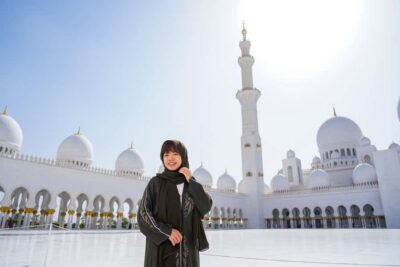
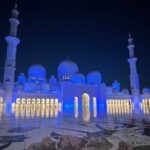
- Blue Mosque entrance with traditional attire: a cultural visit, not a photo stop
- Price and value of the $79.50 private tour
- Who should book this tour, and who might want a different style
- Should you book it?
- FAQ
- Is pickup and drop-off included?
- How long is the tour?
- Is this a private tour?
- What experiences are included besides the walking stops?
- Are there tastings included?
- Is the Blue Mosque included?
- What shopping stops will I get time for?
- Is lunch included?
- What is the cancellation policy?
- How far in advance should I book?
Key highlights you’ll care about
- Private transport with hotel or port pickup and drop-off so you skip the hassle
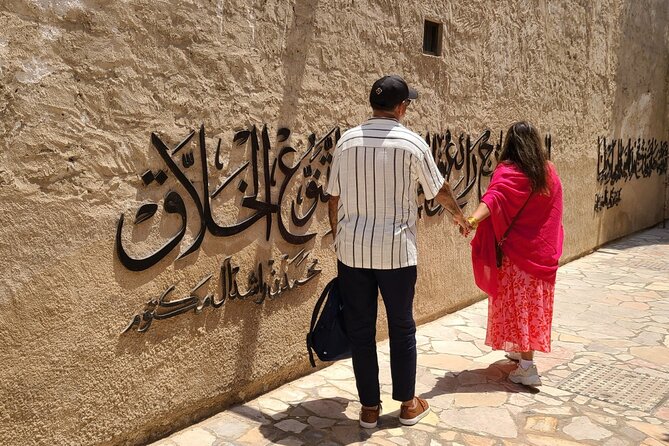
- Al Bastakiya and Al Fahidi for traditional houses and photo alleys
- Dubai Creek Abra ride for the classic crossing locals still use
- Gold Souk stop including the Guinness-linked 64-kg gold ring sight
- Spice Souk + Old Souk time with tastings like shai tea/ghawa coffee and dates
- Blue Mosque entrance with traditional dress for a real cultural visit
Private 4-hour Old Dubai, built for less stress
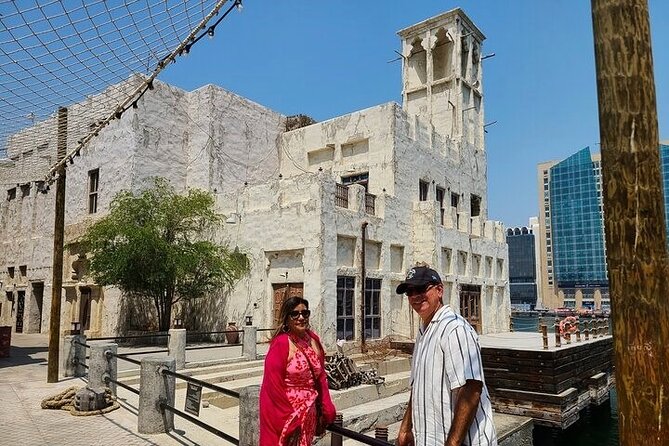
Dubai can be overwhelming in one of two ways: too much speed, or too many people. This tour helps you thread the needle. You get a compact 4-hour plan that focuses on the places that explain Dubai’s story—heritage neighborhoods, the Dubai Creek crossing, and the souks—without trying to cram in ten things that blur together.
What makes it feel “worth it” is the pacing. You’re not only sightseeing; you’re getting small moments that add context. For example, walking through Al Bastakiya and Al Fahidi isn’t just for pictures of old buildings. It’s your first clue that Dubai grew from neighborhoods and trade routes long before modern landmarks took over the horizon.
Then the tour shifts to what you can actually do: cross the Dubai Creek the traditional way and shop through gold and spice markets. You’ll spend real time in the souks, not just pass through them like a drive-by.
If your goal is to get your bearings fast and understand old-to-new Dubai in a single morning or afternoon, this tour’s structure fits that perfectly.
You can also read our reviews of more tours and experiences in Dubai.



Pickup, air-conditioning, and a guide who can adjust your day
One of the best parts is the human logistics. Private pickup and drop-off means you’re not fighting for meeting points or waiting for stragglers. Your group stays together, so questions don’t get lost while someone else yanks the itinerary forward.
You also have a real guide in the car with you—someone who can connect the dots. In the kind of feedback I like to trust, names came up like Sharaf and Sunny for the same reason: they were able to explain what you’re seeing in plain language and keep the experience fun. That matters in places like Al Fahidi, where the lanes and old materials can look similar unless someone points out why they matter.
Another practical detail: the tour is designed as a private experience, so you can customize the feel. If you want more time at the souks, you can ask. If you’d rather slow down for photos in the older neighborhoods, your guide can usually help you shape the rhythm.
Al Bastakiya: traditional lanes and the “why” behind the look

Al Bastakiya is where Dubai starts to make sense visually. You’re walking through a traditional area that shows how the city once built and arranged everyday life. The tour keeps you moving but not sprinting, with about half an hour here.
What I like about this stop is that it’s not only about architecture. It’s also about materials and the way old neighborhoods are structured—stone and wood, tight lanes, and community space where people could interact. Even if you don’t call yourself a history nerd, you’ll understand fast because the guide ties it to the city’s trade and heritage.
Photo-wise, you’ll get chances to frame the older buildings without it turning into a generic postcard loop. Just remember: you’re walking in older streets, so expect tight corners and uneven ground in places.
One small bonus: several parts of this day have free or ticket-free admissions, so your budget stays focused on the experiences you actually want—like souk shopping and the Blue Mosque entry.
Al Fahidi Historical Neighbourhood: old houses built from local materials
Next comes Al Fahidi Historical Neighbourhood, where the traditional homes are front and center. This stop runs about 30 minutes and is built for both photos and comprehension.
You’ll learn what those older houses were made from—stone, sandalwood, palm fronds, and palm wood—and how that connects to the climate and lifestyle of the time. The guide also points out narrow alleys, pathways, and public squares, so you see the neighborhood as a living layout rather than an outdoor museum set.
There’s a practical reason I think this stop works well in a tour like this: once you’ve seen the materials and layout here, the rest of the day clicks. When you later reach the souks and the Creek, you understand Dubai as a trading city with neighborhoods that supported movement and commerce.
The main thing to watch for is time. If you try to do too many photos per minute, you can burn your allotted moment fast. I’d keep your camera ready but not constant—listen to the guide when you’re in the most interesting lanes.
Dubai Creek and Bur Dubai Abra Station: the short boat ride with big meaning
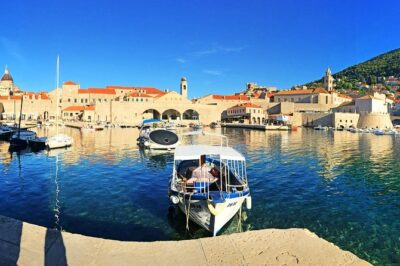
Then you hit Dubai Creek. First you’ll ride along the water, a quick glide that works like a reset button after walking streets. It’s brief, but it sets the tone for the crossing that follows.
At Bur Dubai Abra Station, you take the classic Abra water taxi ride. This is one of those experiences that’s simple on paper but feels real in the moment. You’re not in a themed boat. You’re using the traditional method of crossing that locals have used for generations to get between Bur Dubai and Deira.
The time here is short—around five minutes for the Abra ride—but that’s part of the charm. You get the feel of the crossing without losing half your day to transit.
Tip for the vibe: when the boat moves, keep your eyes on the shoreline details rather than just filming the skyline. The Creek is the connector. Everything after it—the souks—feels more logical because you just traveled the same route that trade once relied on.




Deira Old Souk + Dubai Gold Souk: where the shopping has a story
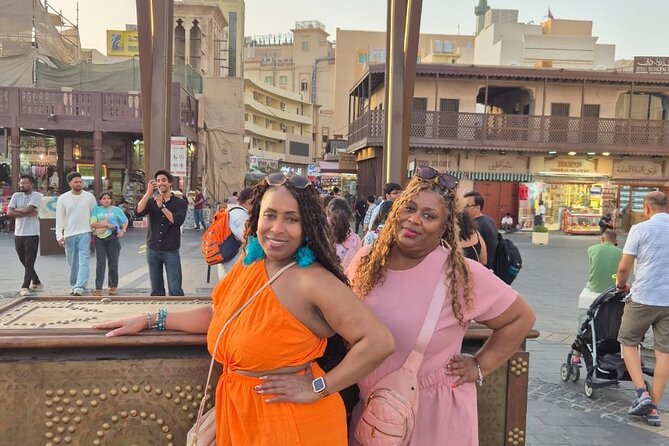
Once you reach Deira, the tour leans into what Dubai does best: markets with identity. You start with the Deira old souk area, giving you about 10 minutes to orient and get that first sensory hit.
Then you move into the Dubai Gold Souk for around 30 minutes. If you only care about shopping, you might still enjoy this stop because it’s not random. The guide explains the region’s gold trading background, so you understand why these shops are concentrated here.
One standout sight is the Guinness World Record-linked 64-kg gold ring. Even if you’re not buying anything, it’s the kind of detail that anchors your visit in a tangible, memorable way. You can look at it, then compare what you’re seeing in the stalls—how designs and craftsmanship show up in the market floor.
Potential drawback: if you’re someone who hates crowded spaces or bright retail displays, the Gold Souk can feel intense. The good news is your time is controlled. You’re not stuck for hours. You get enough to see, ask questions, and decide whether you want to browse longer.
If you do plan to shop, this is the portion of the day where you’ll naturally feel tempted to pick up a small item. Set a budget before you arrive so the “wow” factor doesn’t drive your decisions.
Spice Souk + Old Souk: aroma, tea or coffee, and dates
After gold, you pivot to smell. The Dubai Spice Souk stop is about 20 minutes, and it’s built around a sensory overload—fragrances, spices, and the visual variety of market shelves.
This is also where the tastings enter the experience. You’ll have local treats like Arabic tea (shai) or coffee (ghawa) and dates. It’s not a long food break, but it’s a meaningful one. In a market setting, those small sips help you slow down and enjoy the environment rather than just rushing through it.
Then you round out the day with time in the Old Souk for traditional shopping—carpets, jewelry, and ceramics are specifically part of what you’ll find. You’re also given a chance to browse for souvenirs that look like they belong to Dubai’s trading culture rather than mass-produced tourist clutter.
My practical advice: go in with a clear intention. If you want spice products, focus there. If you’re shopping for a keepsake like a small ceramic piece or a textile, keep your attention on quality and details. Your guide’s explanations can help you spot what’s being sold and why it’s valued.
Blue Mosque entrance with traditional attire: a cultural visit, not a photo stop
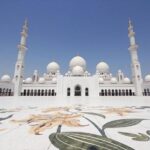
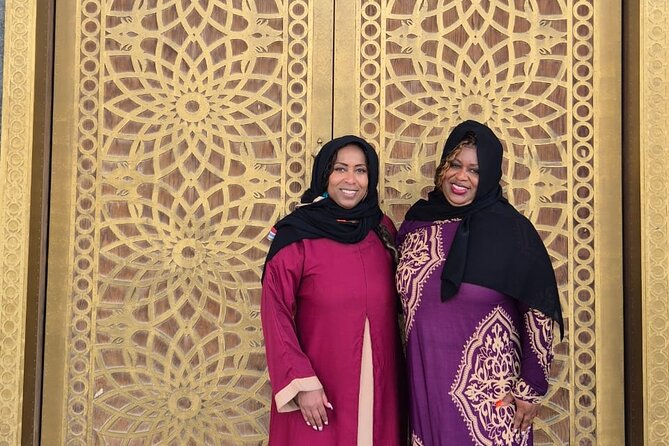
Many Dubai tours drive past the Blue Mosque and treat it like scenery. Here, you get entrance and a guided experience, with traditional dress provided.
That alone changes how you’ll remember the visit. You’re not just outside looking in—you’re stepping into a religious and cultural space with context. The guide’s role matters because it turns the visit from sightseeing into understanding: what you’re looking at, why it matters, and how to behave in a respectful way.
The time for the Blue Mosque isn’t listed as a separate duration, but it’s included as a formal stop with entry. Plan to treat it as a pause in the day, not a quick checkmark. This is the moment where the tour shifts from markets and transit to a deeper look at culture.
If you prefer your Dubai travel in balance—old neighborhoods, daily-life crossings, markets, and then a major cultural site—this inclusion makes the tour feel complete.
Price and value of the $79.50 private tour
At $79.50 per person for about 4 hours, the value depends on what you’re trying to avoid. If you hate the slow chaos of big-group tourism, private transport is a real cost saver in time and energy. Pickup and drop-off from hotels, airports, cruise ports, or preferred locations can be a big deal in a city where getting from one area to another can eat your day.
You’re also paying for three “value multipliers”:
- Private local guide (so stops feel explained, not random)
- Abra boat crossing experience (a classic, short, memorable local activity)
- Blue Mosque entrance plus traditional attire (not every tour includes actual entry)
Then there are the included tasting elements: shai tea or ghawa coffee and dates. They’re small, but in a market day, those breaks add comfort and authenticity.
If you’re traveling solo or as a couple, private tours like this can still feel reasonable because your guide time and transport time are fixed. Just consider that this is a walk-and-shop format. If you want mostly sitting and scenic views, you might find the market pace more active than you expected.
Who should book this tour, and who might want a different style
This private Old Dubai experience is a great match if you want:
- old-to-new context without a full day commitment
- heritage neighborhoods plus traditional Creek crossing
- souk time that includes gold and spice, plus Old Souk shopping
- a real visit inside the Blue Mosque with traditional attire
You might choose a different option if you strongly prefer minimal walking, or if you only want modern Dubai landmarks and skyline stops. This day is built around heritage and markets, with modern Dubai appearing mainly as a contrast.
Should you book it?
I’d book this tour if your priority is understanding Dubai fast and getting a genuine slice of how the city connects through the Creek and souks. The private setup, the Abra ride, the Blue Mosque entry, and the tastings make it feel like more than a checklist.
If you’re going, wear comfortable shoes, bring your curiosity, and don’t rush the heritage stops. The best part of the day is how each segment explains the next—stone lanes leading to trade routes, and trade routes leading to the markets.
FAQ
Is pickup and drop-off included?
Yes. Private pickup and drop-off are included from hotels, airports, cruise ports, or any preferred location in Dubai.
How long is the tour?
The tour is about 4 hours.
Is this a private tour?
Yes. It’s private, and only your group will participate.
What experiences are included besides the walking stops?
You’ll do an Abra water taxi boat ride experience across Dubai Creek, plus visits to the gold, spice, and textile souks.
Are there tastings included?
Yes. Tastings like Arabic tea (shai) or coffee (ghawa) and dates are included.
Is the Blue Mosque included?
Yes. Entrance to the Blue Mosque is included, along with traditional dress for the visit.
What shopping stops will I get time for?
You’ll have time at the Gold Souk, Spice Souk, and Old Souk for traditional shopping such as carpets, jewelry, and ceramics.
Is lunch included?
No. Lunch is optional and is at your own expense.
What is the cancellation policy?
Free cancellation is available. You can cancel up to 24 hours in advance for a full refund.
How far in advance should I book?
On average, it’s booked 26 days in advance, and confirmation is received at the time of booking.