REVIEW · DUBROVNIK
Early Bird Dubrovnik History Tour – 7:30 Start
Book on Viator →Operated by Experience Dubrovnik · Bookable on Viator
Dubrovnik looks best before the day kicks in. This Early Bird history walk starts at 7:30 so you’re seeing Old Town streets while they’re still quiet, with a guide to help you read the layout and the stories behind the stone.
Two things I like right away: the small group feel (up to 30) and the way the route mixes major landmarks with quieter lanes for photos and orientation.
One possible drawback: you’ll spend the first stretch outside the thickest Old Town flow, so if you want nonstop inside-the-walls action from minute one, plan to use that time for setup and context.
In This Review
- Key highlights you’ll care about
- Beat Dubrovnik Crowds With a 7:30 Old Town Orientation
- Price and Timing: Why This Costs $24.20 and Still Feels Fair
- Meeting at Brsalje ul. 2 and Finishing Inside Pile Gate
- Stop 1: Amerling Fontana Gets You Oriented Fast
- Stop 2: Lovrjenac Fortress Views Over the Harbor and Walls
- Stop 3: Prijeko Street for Quiet Alleys and Local Tips
- Stop 4: Pile Gate Touchpoint Before Stradun
- Stop 5: Stradun’s Main Promenade for Iconic Spots and Side Streets
- What the Best Guides Do (and Why Names Matter Here)
- Pacing, Group Size, and Comfort on This Walk
- How to Pair This Tour With Walls, Coffee, and the Rest of Your Day
- Who This Early Bird Tour Suits Best
- Should You Book the Early Bird Dubrovnik History Tour?
- FAQ
- What time does the Early Bird Dubrovnik History Tour start?
- How long is the tour?
- How much does it cost per person?
- Where do I meet the guide, and where does the tour end?
- Is the tour offered in English?
- What group size should I expect?
- Do I get a mobile ticket?
- Are service animals allowed?
- What happens if the tour can’t run due to weather or other issues?
Key highlights you’ll care about
- 7:30 start means cooler streets, fewer people, and better photo angles
- Frequent “why this matters” history, including the 90s period, explained with care
- Route hits both outlooks and streets: fortress views, Prijeko alleys, then Stradun
- Ends at Pile Gate, so you can keep exploring right away
- Guides with local ties (you may meet people like Daniella, Mihaela, Ivana, Petra, Roko, or Davor)
Beat Dubrovnik Crowds With a 7:30 Old Town Orientation
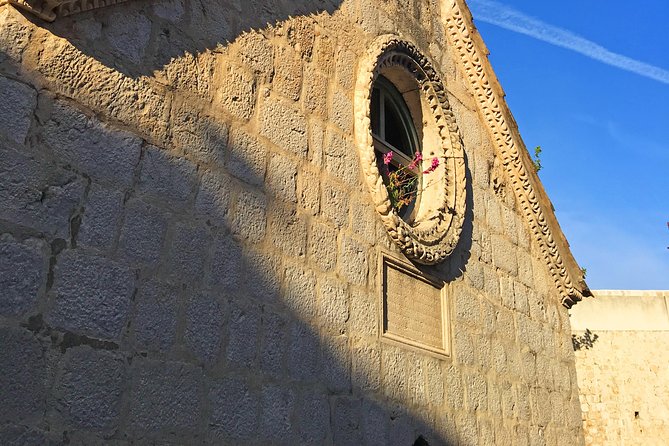
If you’re coming to Dubrovnik for the first time, the biggest challenge is time. Old Town gets packed fast—especially once cruise-day energy shows up. This tour is built around the opposite move: go early, get oriented, and let the rest of your day be more flexible.
You also get something practical: a guided sense of where everything sits—fortifications, gates, and the main promenade. You’ll hear the logic behind the city’s layout, not just a list of monuments. The result is that when you walk Stradun later on your own, it feels like you already know the map.
The vibe is also calm. It’s a walking tour meant for absorbing details at the pace set by the group and the morning light, not for sprinting to check boxes.
You can also read our reviews of more tours and experiences in Dubrovnik.

Price and Timing: Why This Costs $24.20 and Still Feels Fair
At $24.20 per person for about 1 hour 40 minutes, this isn’t a “pay for entry tickets” kind of deal. The stops are free to enter (no admission fees listed for each segment), and your main cost is the guided time—plus the value of getting early access to quiet streets and photo conditions.
What makes it good value is the “first-day payoff.” You’re not only seeing highlights; you’re building a mental route for what to tackle next. Several guests mention using that momentum to do more right after—like starting wall time from the Pile entrance—because the tour ends right where you’d want to be.
Booking ahead helps too. It’s commonly reserved far in advance (about 50 days on average), which tells you something: the early slot is popular for a reason. If you want this to be a smooth start to your trip, grab your date when you can.
Meeting at Brsalje ul. 2 and Finishing Inside Pile Gate
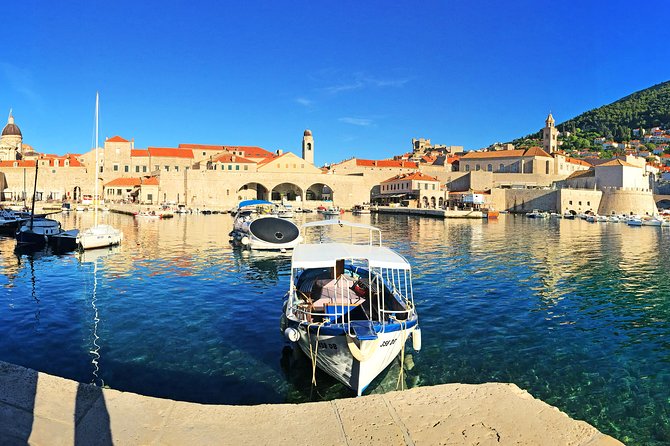
The tour begins at Brsalje ul. 2, 20000 Dubrovnik, in an area that’s near public transportation. That matters more than you’d think on vacation. You’ll likely be combining it with a bus, a walk from your lodging, or an easy transfer—so you don’t lose your morning to a complicated arrival.
You’ll finish inside the Old Town close to Pile Gate (at Dubrovnik’s city walls area). That ending point is smart because it keeps you from “going back out and returning later.” Instead, you can roll straight into independent exploring, coffee stops, and longer walks.
One practical tip: plan to arrive a little early so you’re not starting the morning rushed. Early tours reward a calm start.
Stop 1: Amerling Fontana Gets You Oriented Fast
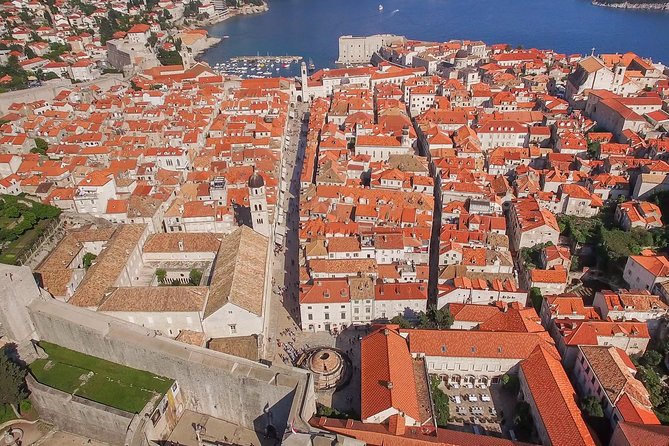
The first stop is Amerling Fontana, where the guide gives you a quick introduction to Dubrovnik’s history and layout. Ten minutes doesn’t sound long, but it’s the kind of setup that pays off later when you start recognizing the city’s structure.
Think of this as your mental warm-up. You learn how the Old Town is organized and what you’re looking at as you move forward. Even if you’ve seen photos online, this is where you connect the images to real streets.
If you’re the type who likes to understand what you’re standing near, you’ll appreciate this stage. If you’re more “I just want to walk and see,” it still helps you navigate without feeling lost.
Stop 2: Lovrjenac Fortress Views Over the Harbor and Walls
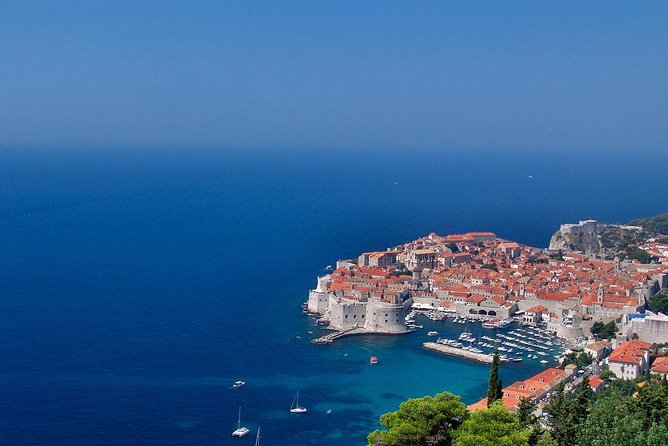
Next up is Lovrjenac Fortress, with a focus on the area around Pile Gate, including the bay and nearby streets. This is one of the strongest parts for getting your bearings visually.
Here you’ll connect the dots between the city’s fortifications and its maritime story. You’ll also hear how defense shaped daily life—how a coastal city thinks about protection, shipping, and survival. This is the “why the walls exist” segment, told in a way that makes the stone feel purposeful.
And yes, it’s a photo window. The morning light tends to make the walls and harbor look crisp, and you’re there early enough that you’re not fighting crowds for a single good angle. Bring your camera, but also keep your eyes up—part of the magic is seeing the whole defensive picture, not just details.



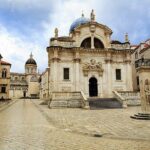
Stop 3: Prijeko Street for Quiet Alleys and Local Tips
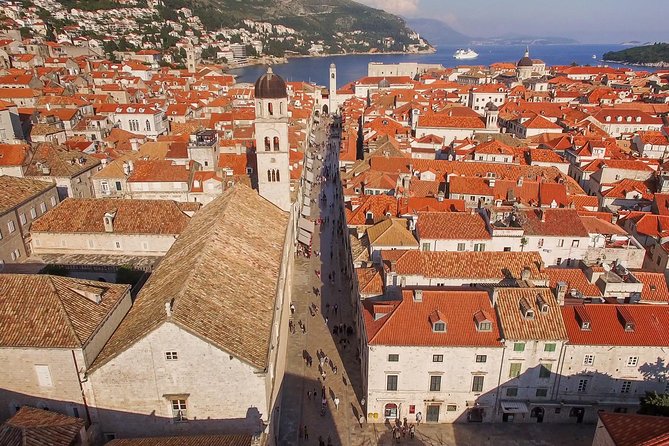
Then the tour turns more intimate at Prijeko Street. You’ll spend about twenty minutes moving through lesser-known alleys, quiet squares, and viewpoints that you might miss if you’re only focused on the big postcard route.
This is also where the guide’s personal tone shows. Multiple guides highlighted in the experience information and feedback are the kind who share “how it really feels” perspectives—like where locals go, what tends to be overhyped, and how to plan your day so you don’t waste time.
For first-day visitors, this matters because it changes your next steps. After Prijeko, you’ll know which streets to wander slowly and which areas you can hit later when you’re ready for more people. It’s the difference between sightseeing and actually getting a sense of the city.
One more note: you’re still on foot for a walking route, so wear shoes that handle stone and curves comfortably. Your legs will thank you by late morning.
Stop 4: Pile Gate Touchpoint Before Stradun
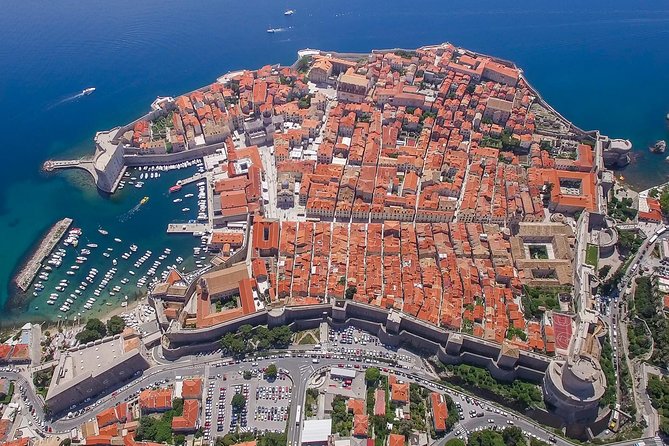
At Pile Gate, the tour concludes back near the starting area, with a short stop. It’s only about five minutes, but it’s a key hinge in the day.
You’ll use this moment to connect your mental map to the city’s most famous entrance. That’s especially helpful if you plan to walk the walls, explore side streets from the gate area, or simply want an easy “home base” location for your own route after the guide leaves.
Then you transition into the main promenade section, where you’ll recognize things fast.
Stop 5: Stradun’s Main Promenade for Iconic Spots and Side Streets
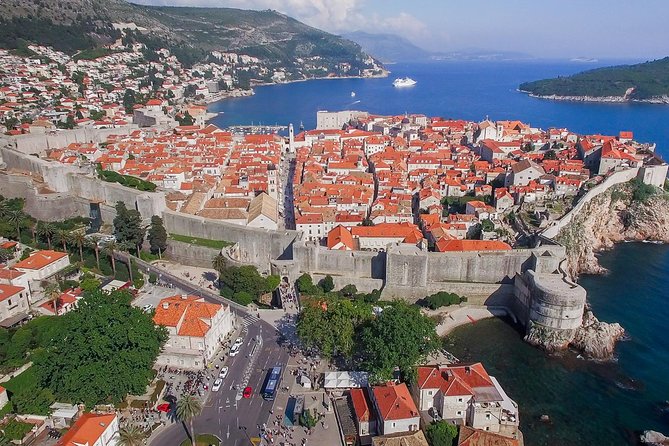
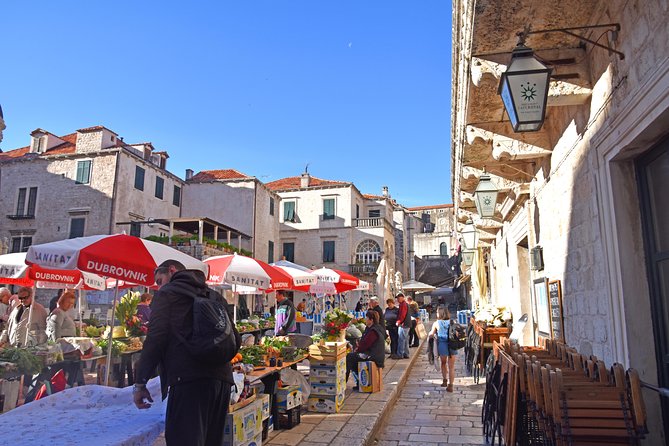
The bulk of the walking happens along Stradun, the Old Town’s main promenade. You’ll spend about 40 minutes here, moving through the promenade, squares, and branching side streets.
What I like about this portion is the mix: you get the iconic view, but the guide doesn’t keep you glued to the obvious path. You’ll also be pointed toward architectural highlights and less crowded corners, plus stories that give the buildings context.
Stradun is also a place where timing changes your experience. Early morning means the street feels like it’s waking up, not already in full “everyone is here” mode. One of the best benefits is photo freedom: you can photograph the stone and street textures without a wall of heads in every frame.
As you walk, keep listening for the anecdotes that link the city’s medieval strength to more recent history. Some guides—like Daniella, Mihaela, and others referenced by name in feedback—are especially praised for handling the 90s war period with sensitivity and clarity, which can add real weight to what you’re seeing.
What the Best Guides Do (and Why Names Matter Here)
Dubrovnik history is specific. If a guide explains it well, you start noticing patterns—fortifications lining up with sea access, gates controlling movement, and different eras leaving their marks on street-level life.
In feedback for this tour, several guides come up by name: Daniella, Mihaela, Ivana, Petra, Roko, and Davor. Across those names, the common thread is storytelling with both facts and personal connection, not dry lecturing.
You’ll also notice how guides handle questions. Guests mention feeling that their guide was responsive and willing to answer. That’s useful, because Dubrovnik is one of those places where people suddenly think of a dozen questions once they’re standing in front of the walls.
Pacing, Group Size, and Comfort on This Walk
The tour caps at 30 travelers, which keeps it from turning into a shuffle. Still, group size can vary day to day. Several people describe getting a very small group size, which makes the experience easier to manage—especially for hearing details and interacting with the guide.
The walk runs about 1 hour 40 minutes, so it’s long enough to feel like you learned something real, but short enough that you’re not stuck in “tour fatigue” all morning. Early start also means you’re likely dealing with less heat than you would later in the day.
If you’re traveling with teens, or you want to keep the energy up for mixed ages, this length and pace can work well. One of the stronger repeated points is that guides can keep people engaged without turning it into a performance.
How to Pair This Tour With Walls, Coffee, and the Rest of Your Day
Because the tour ends near Pile Gate, it pairs naturally with your next steps. If you’re planning wall time, starting close to the Pile entrance can be a smart way to keep your day smooth.
It also helps with simple day planning. The tour gives you a sense of direction and priorities, so later on you can choose:
- a longer, unhurried loop back through Stradun
- a return to quieter lanes you liked at Prijeko
- a break for coffee before the crowds build again
And yes, coffee matters early. A few guests mention getting great recommendations for where to grab a morning drink, which is exactly the kind of practical tip that makes an early tour worth the effort.
Who This Early Bird Tour Suits Best
This is for you if:
- you’re first-time in Dubrovnik and want a fast orientation
- you care about photo timing and want the Old Town before it’s packed
- you want a guide to connect historic fortifications to modern life
- you’re short on time but still want meaningful context
It’s also a good choice if you like small-group attention. The format supports questions and a more personal tour flow.
It might be less ideal if you already know Dubrovnik well and want to self-navigate every street without stopping. Also, keep in mind one caution that comes up in feedback: the early part can feel a bit outside the busiest Old Town flow, so if your only goal is being surrounded by Old Town streets from the first minute, you may feel impatient until you settle into Stradun.
Should You Book the Early Bird Dubrovnik History Tour?
I think you should book it if you want the easiest possible start to Dubrovnik Old Town. The combination of a 7:30 departure, a guide-led map of the city, and a route that mixes fortress views with Stradun makes it a strong “day one” move.
Skip it only if you hate early mornings, or you’re the type who prefers to wander completely unstructured and already has a solid sense of where everything sits. Otherwise, this is the kind of tour that saves you time later—and gives you photos you’ll actually like.
FAQ
What time does the Early Bird Dubrovnik History Tour start?
The tour starts at 7:30 AM.
How long is the tour?
It lasts about 1 hour 40 minutes.
How much does it cost per person?
The price is $24.20 per person.
Where do I meet the guide, and where does the tour end?
You meet at Brsalje ul. 2, 20000 Dubrovnik, Croatia. The tour ends near Pile Gate at Dubrovnik’s city walls area.
Is the tour offered in English?
Yes, it’s offered in English.
What group size should I expect?
The tour has a maximum of 30 travelers.
Do I get a mobile ticket?
Yes, it includes a mobile ticket.
Are service animals allowed?
Yes, service animals are allowed.
What happens if the tour can’t run due to weather or other issues?
It requires good weather. If it’s canceled due to poor weather, you’ll be offered a different date or a full refund. You can also get a full refund with free cancellation up to 24 hours in advance.