REVIEW · DUBAI
Dubai Camel Desert Safari, Traditional Meal & Heritage Activities
Book on Viator →Operated by Platinum Heritage Dubai · Bookable on Viator
The first time you picture Dubai desert safaris, you probably think of fast cars. This one swaps speed for camel-led desert travel and wraps it with heritage activities and a full evening meal. I especially like the 45-minute camel ride experience and the torch-lit Bedouin camp setting. I also like that you get the falconry show at sunset plus live bread and coffee-making. One thing to consider: the evening is scheduled around daylight and season timing, so your return can vary by a couple hours.
Pickup is smooth, and the whole evening has a clear flow: desert reserve → camel caravan → heritage camp → 4-course dinner → music under the stars → back to Dubai. The camp also keeps the vibe small-group (up to 20 people), which helps the activities feel more personal instead of rushed. The only real drawback I’d flag is that the camel ride is English-only, so if you need another language, plan for that.
In This Review
- Key things to know before you go
- Camel caravan instead of dune-bashing
- Pickup timing and how the 7-hour plan really works
- Dubai Desert Conservation Reserve and the headscarf moment
- Platinum Heritage camp with torch-lit Bedouin vibes
- Falconry at sunset: fast birds, crisp timing
- Bread, coffee, and henna: the “heritage activities” that actually feel hands-on
- Arabic coffee-making
- Arabic bread-making
- Henna tattoo
- The 4-course Emirati dinner under the stars
- Value and price: is $193.98 a fair deal?
- Small-group pacing and guide attention
- Who should book this camel desert safari?
- Should you book Dubai Camel Desert Safari, Traditional Meal & Heritage Activities?
- FAQ
- How long is the Dubai camel desert safari?
- When is hotel pickup in Dubai?
- What time will I get back to my hotel?
- How long is the camel ride, and how many people share a camel?
- Is dune bashing included?
- What’s included in the dinner?
- Do you offer henna tattoos?
- What should I wear for the evening in the desert?
Key things to know before you go
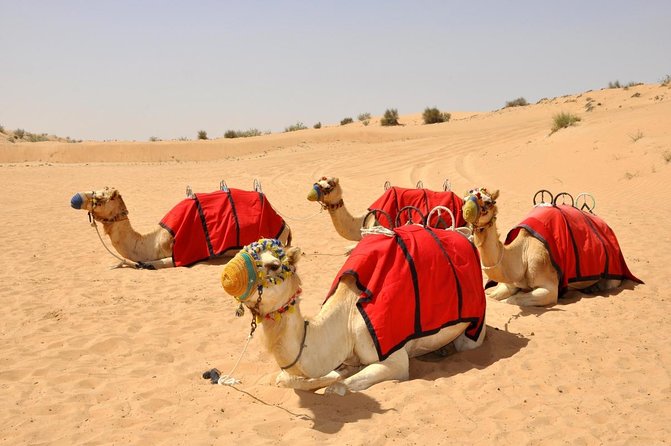
- Camel caravan focus: expect a real camel ride rather than dune-bashing chaos
- Sunset falconry: a timed show when the desert light looks its best
- Hands-on heritage: henna, Arabic bread-making, and Arabic coffee-making
- 4-course Emirati dinner: served at a low Bedouin-style table with water and juice
- Smaller group size: up to 20 travelers, which typically means less waiting and better pacing
Camel caravan instead of dune-bashing
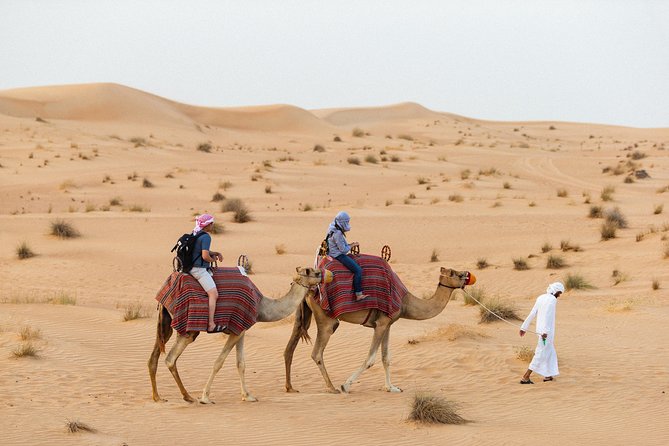
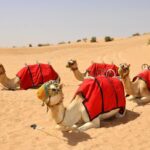
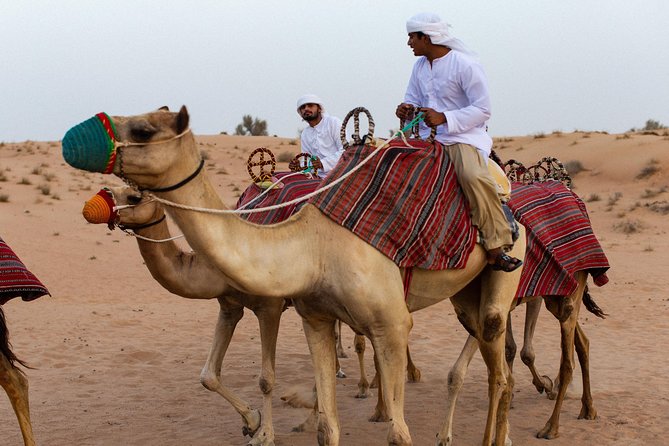
Let’s get the big choice out of the way: this safari is built around camels, not high-speed dune driving. That matters because camels move at a human-friendly pace. You get time to look at the dunes, notice small wildlife signs (like tracks), and actually feel like you’re traveling through a desert, not just passing it on a roller coaster.
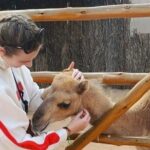
The camel portion is designed as a ride, not a short photo stop. You’ll meet the camel convoy, then mount up for about a 45-minute camel safari experience. Some folks are surprised by how calm it feels once you’re settled. Guides also guide the rhythm of the group so you’re not left waiting around with nothing to do.
A couple practical points you’ll want to respect:
- There are two guests per camel, so everyone shares the seat space.
- There’s a maximum weight limit of 150kg. If you’re close to that threshold, it’s worth confirming before you go.
- The camel ride is in English only, and the ride portion is where language is most likely to matter.
If you’re motion-sickness prone, you’ll likely appreciate the slower approach. You’re still in the desert, so expect bumps on the drive there, but the core activity isn’t built on jolting rides.
You can also read our reviews of more tours and experiences in Dubai.
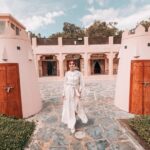
Pickup timing and how the 7-hour plan really works
This is an afternoon-to-evening program, roughly 7 hours total. Pickup usually happens between 2:00pm and 4:30pm, with the start time listed around 2:30pm. You return to your hotel between 9:30pm and 11:30pm, and that window shifts based on season and sunset timing.
That timing is not random. The itinerary is organized around golden-hour light for the falconry show and the best outdoor conditions for sunset photos. In other words, you’re trading a late-night party vibe for a more natural “desert evening” rhythm.
What I like about this setup for your planning:
- You get to keep your morning and early afternoon in Dubai for beaches, museums, or shopping.
- You’re not committing to an all-day trip that eats your whole day.
- The pace is built around transitions: travel, camel ride, torch-lit camp, dinner, performances, then back.
What to pack mentally:
- You may want a light jacket for evenings, especially in winter, plus closed shoes.
- Bring a phone/camera that can handle low light at dinner and under the stars. Torch-lit camps look great on camera, but shadows are real once it gets dark.
Dubai Desert Conservation Reserve and the headscarf moment
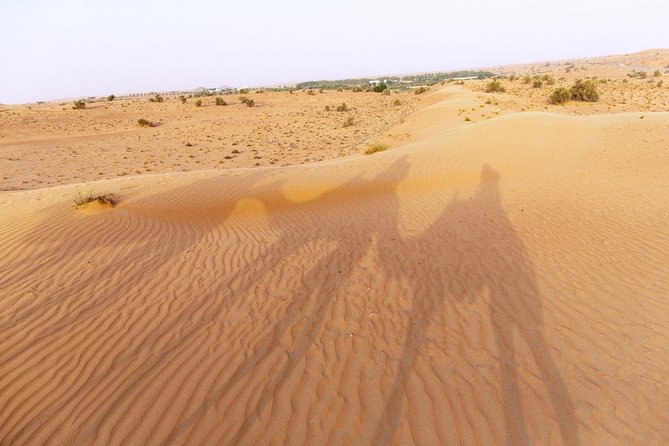
After pickup, you head toward the desert reserve area. Before the activities ramp up, you’ll receive an Adventure Pack and get into traditional dress—typically a sheila/ghutra (headscarf).
This is more than a costume moment. It’s a quick way to signal to your brain that you’re in a different place now. When you’re sitting at a Bedouin-style table later, that small transition helps the whole evening feel coherent instead of like separate add-ons.
You’ll also get a bit of time before the camel portion. Use it for:
- quick restroom needs
- setting your expectations
- charging your phone (you’ll thank yourself later)
Then you move on to the camel desert safari and the camp retreat.
Platinum Heritage camp with torch-lit Bedouin vibes
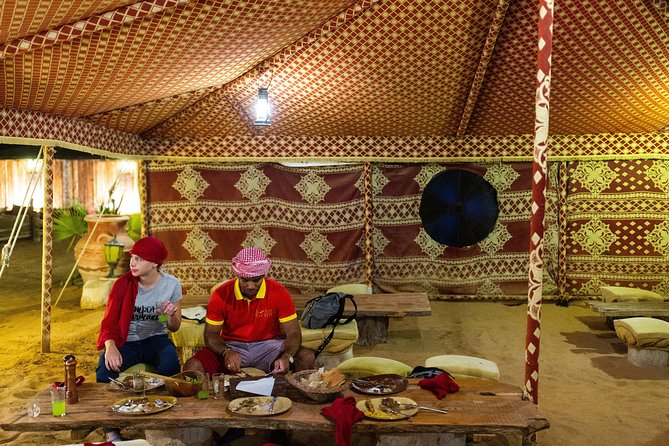
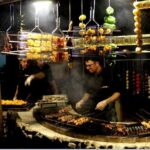
The camp portion is one of the main reasons this safari feels different from the big production-style desert shows. You arrive at a torch-lit Bedouin camp inside a desert retreat connected with the UAE royal family. The torches create that classic Arabian visual—warm light, strong contrast, and a real “you’re in the desert” mood.
Camp activities aren’t just watched from afar. You’re invited into the heritage stops:
- Henna tattoos (a live activity)
- Arabic coffee-making (also demonstrated live)
- Bread-making demonstration (steps explained and shown)
This is one of those evenings where you’ll get more value if you slow down and actually look at the process. The coffee and bread demonstrations help you understand the cultural basics behind the meal you’ll eat next. Even if you don’t memorize every step, the experience makes dinner feel more connected.
A small reality check: there’s usually a bit of “how things work” explaining time inside the camp. If you’re the type who wants to eat fast and escape back to the vehicle, you may find the pacing longer than your ideal. It’s not a problem—just know what you’re buying.
Falconry at sunset: fast birds, crisp timing
The falconry display is scheduled for sunset, which is exactly when you want it. The sky light is better, the shadows look better, and the birds’ movement is easier to track when the desert background isn’t totally dark.
Expect a show focused on how handlers work with the falcons—speed, precision, and clean swoops for lures. If you care about photography, this is typically your best chance for action shots because the birds move through open space.
One note from practical experience with shows: audio matters in group settings. If you’re in a spot where you can’t hear clearly, reposition if you can. The show itself is visual, but you’ll get more out of it if you catch the commentary.
Also, you may get a photo opportunity with a falcon as part of the experience. If you want to optimize that moment, keep your camera ready and don’t waste time switching modes.

Bread, coffee, and henna: the “heritage activities” that actually feel hands-on
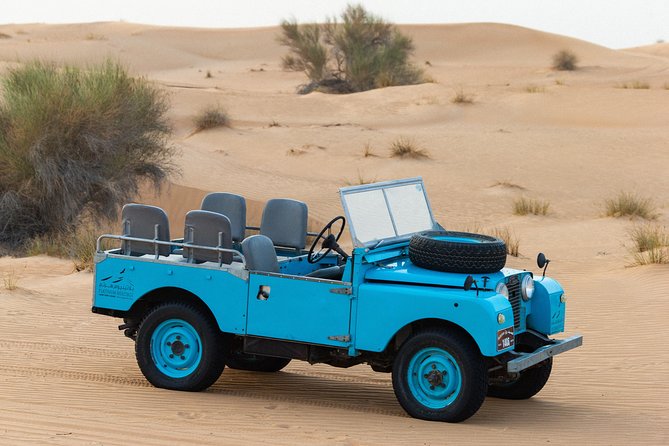
A lot of desert safaris promise culture. This one gives you small, tangible heritage moments that you can’t really fake.
Here’s what you can look forward to:
Arabic coffee-making
You’ll see how coffee is prepared and presented. It’s typically done step-by-step, and it sets up the hospitality tone for the evening. Even if you don’t drink coffee, the ritual part is the point.
Arabic bread-making
You’ll get a demonstration of Arabic bread-making with a clear step-by-step approach. This is the kind of activity that makes you appreciate dinner more, because you understand what you’re eating and why it’s served the way it is.
Henna tattoo
You can get a henna tattoo during the camp segment. The big value here is that it’s live and active. It’s also a great “travel souvenir” that doesn’t clutter your luggage the way boxed items do.
If you’re particular about photos, henna time can be your best “close-up” lighting moment before the camp shifts into the darker dinner phase.
The 4-course Emirati dinner under the stars
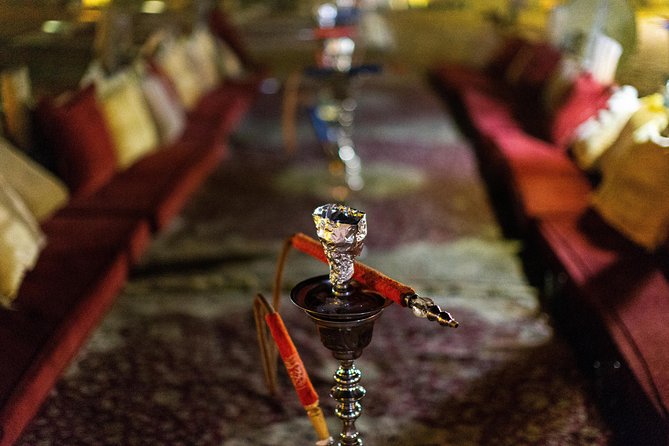
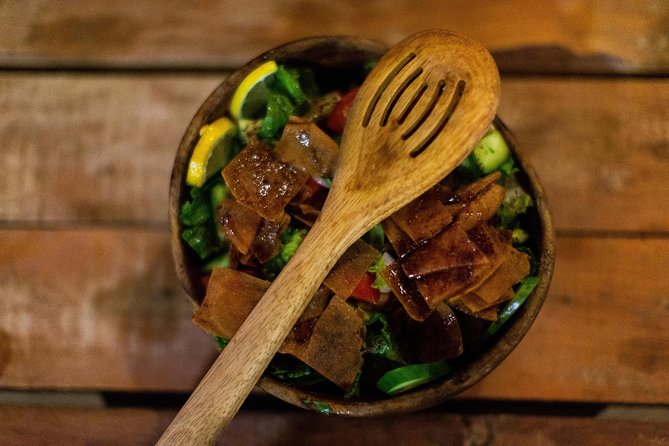
Dinner is served at a low Bedouin-style table, and it’s a 4-course Emirati feast. You’ll see a menu built from familiar desert-meets-Emirates comfort foods: you can expect a progression that includes soup, salad, an appetiser, a main course, and dessert. Water and juice are included.
Then the entertainment starts: drumming and Emirati cultural performances like Yola, plus Arabian dancing and music. After dinner, you may also choose to smoke shisha (Arabic water pipe).
Two things I’d keep in mind:
- Dinner timing can feel like a full event, not a quick meal. That’s because it’s paired with explanation and performance segments.
- The atmosphere is outside, so it’s dark and torch-lit—great for the mood, less great for judging portion sizes or reading every detail on a menu.
If your priorities are meal quality and cultural rhythm (not just “eat and run”), this part delivers. And because it comes after the bread/coffee/henna activities, dinner feels like the payoff instead of a separate ticket.
Value and price: is $193.98 a fair deal?
At about $193.98 per person, this safari isn’t the cheapest version of “desert dinner.” But it’s also not trying to be. You’re paying for a bundle: hotel pickup and drop-off, a camel ride, a falcon show, multiple live demonstrations, a full dinner, and entertainment.
The value is strongest if you want the full heritage package rather than a short drive-out-and-back. If you only care about one element—say, falconry—then a more basic option might cost less. But if you want a full evening with multiple hands-on cultural activities, this is where the price starts to feel reasonable.
Also, the smaller group size (up to 20 travelers) helps value. Fewer people usually means less time waiting, and it can make the dinner and demonstrations feel less rushed.
Small-group pacing and guide attention
One of the best parts of a good desert safari is not the dunes. It’s how well the evening flows. This tour keeps a steady rhythm: pickup, reserve experience, camel convoy, torch-lit camp, sunset show, then dinner and entertainment.
In practice, that means:
- you’re not guessing what happens next
- the camel and camp segments stay organized
- you get time for photos during the open moments
From the way guides are described in the experience notes, communication is a strong point. You might see guides named Karim, Bash, Robyn, Ravi, Harish, Jovan, or Houston associated with smooth guiding and clear explanations. Even if your guide isn’t one of those names, you can expect someone focused on making the evening work for your group.
If you’re traveling solo, the small-group format is a plus. You’re less likely to feel lost in a crowd.
Who should book this camel desert safari?
This is a great fit if you:
- want a camel-led desert experience rather than dune-bashing
- care about heritage activities you can actually participate in (henna, bread, coffee)
- want a sunset falconry show and a proper evening dinner
- prefer smaller-group pacing (up to 20 people)
It might be less ideal if you:
- need a language other than English for the camel portion
- dislike longer sit-down events (the camp and dinner are structured and run with performances)
- want a very short desert stop
- are traveling with children under 5 years old (not suitable)
Also watch your footwear choice. The evening is outdoors, and you’ll move around camp areas.
Should you book Dubai Camel Desert Safari, Traditional Meal & Heritage Activities?
I’d book it if you want the classic desert evening, but in a calmer, culture-forward style. The camel ride is the core, and it’s long enough to feel real. The torch-lit camp, falconry at sunset, henna, and the live bread and coffee demonstrations make the night feel like more than just dinner.
You should consider passing or comparing if you’re tightly budgeted, you need non-English support for the camel ride, or you want a fast in-and-out meal. But if you’re in Dubai and you want one memorable desert evening that connects camel travel with heritage performances and a proper Emirati dinner, this is a strong pick.
FAQ
How long is the Dubai camel desert safari?
The experience runs about 7 hours.
When is hotel pickup in Dubai?
Pickup is typically between 2:00pm and 4:30pm, with the listed start time around 2:30pm.
What time will I get back to my hotel?
Return to your hotel is usually between 9:30pm and 11:30pm, depending on the season and sunset.
How long is the camel ride, and how many people share a camel?
The camel desert safari ride is about 45 minutes, and there are two guests per camel.
Is dune bashing included?
This safari focuses on camel riding and does not center on dune bashing.
What’s included in the dinner?
You get a 4-course Emirati dinner with water and juice.
Do you offer henna tattoos?
Yes, you can get a henna tattoo during the Bedouin camp activities.
What should I wear for the evening in the desert?
Wear closed shoes, and bring a light jacket for cooler winter evenings.