REVIEW · KATHMANDU
Nagarkot Sunrise & Bhaktapur Durbar Square UNESCO Heritage Tour
Book on Viator →Operated by Best Treks and Adventure · Bookable on Viator
A pre-dawn start pays off fast. This Nagarkot Sunrise and Bhaktapur Durbar Square tour mixes Himalayan views with UNESCO heritage streets, plus hands-on culture stops. You’ll also get guided context for places like Nyatapola Temple and the 55-Window Palace.
I like the two-track plan: first chase the mountain glow from Nagarkot, then slow down in Bhaktapur with time for temples, carvings, and palace details. I also like that your guide is a government-licensed English speaker, so you’re not just sightseeing buildings—you’re getting the why behind what you see.
One drawback to plan for: breakfast isn’t included, and the Bhaktapur UNESCO entrance fee may be an extra add-on at checkout (15 USD or 2000 NPR per person).
In This Review
- Highlights you’ll remember after the morning light
- A day trip built for early mornings and old streets
- Nagarkot View Tower: the part that decides whether it’s special
- Dress for cold, and treat the sunrise like a mission
- Bhaktapur Durbar Square UNESCO: where the carvings start talking
- A heads-up on Bhaktapur entrance fees
- Nyatapola Temple: the five tiers and the Siddhi Laxmi link
- Pottery Square and Thanka painting: craft stops that don’t feel rushed
- Pottery Square
- Lama Thanka Painting School
- Juju Dhau and food reality: no breakfast, but local taste is possible
- Price and value: why $55 can work, and what to verify
- Who should book this tour, and who should reconsider
- FAQ
- FAQ
- How long is the Nagarkot Sunrise and Bhaktapur Durbar Square tour?
- Is pickup offered?
- What’s included in the price?
- Is breakfast included?
- Do I need to pay entrance fees in Bhaktapur?
- What’s the cancellation window?
- Should you book this Nagarkot and Bhaktapur tour?
Highlights you’ll remember after the morning light
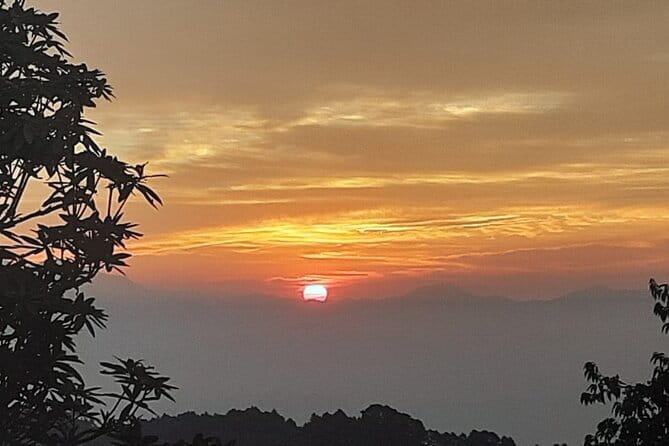
- Nagarkot before dawn: best chances for clear Everest views when the sky cooperates
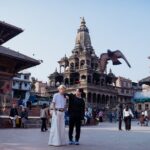
- Bhaktapur Durbar Square UNESCO: a guided walk through temples and royal palace areas
- Nyatapola Temple: five-tier pagoda devoted to Siddhi Laxmi, goddess of wealth
- 55-Window Palace: a standout Malla Dynasty design detail you won’t miss
- Pottery Square + Thanka school: craft time at both a clay-work hotspot and a Buddhist painting school
- Juju Dhau opportunity: king yogurt is a popular local taste you can look for during the day
A day trip built for early mornings and old streets
This is a practical Kathmandu combo if you want two very different kinds of wow in one stretch. You’ll begin in the dark at Nagarkot, aiming for sunrise over the Himalayas, then switch gears to Bhaktapur’s UNESCO heritage sites and craft-focused corners.
The schedule usually lands in the 6 to 7 hour range, and it’s organized around short, efficient stops rather than long museum-style wandering. That matters on a day when Kathmandu traffic and early departure can otherwise steal your time.
It’s also a private activity, meaning it’s just your group, not a random crowd funneling through the same spots. If you’re traveling with friends or family, you’ll often get better value—especially since group discounts are mentioned.
You can also read our reviews of more tours and experiences in Kathmandu.
Nagarkot View Tower: the part that decides whether it’s special
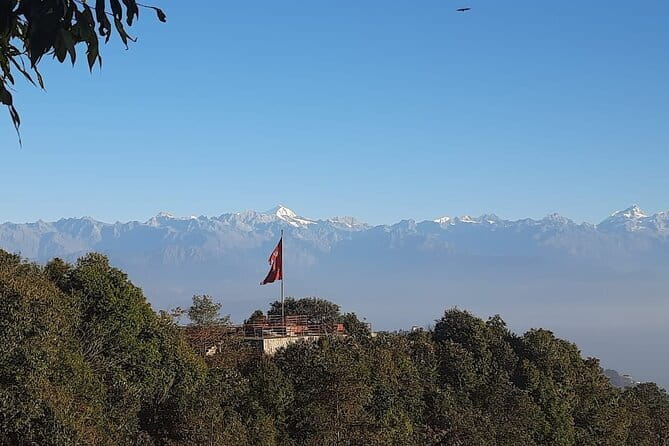
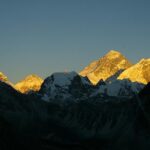
Nagarkot is the kind of place where timing matters more than talent. Your morning starts with the drive up to Nagarkot before dawn, so you’re positioned to watch the sky change color rather than rushing in after the best moment is gone. The Nagarkot View Tower stop lasts about 1 hour, and the admission ticket there is listed as free.
You’ll want to treat this like a viewing session, not a casual stroll. Sunrise in the Himalaya region can be atmospheric even with partial views, but clear weather gives you the best odds of seeing Everest and other peaks from this vantage. The tour description specifically calls out Mount Everest and several other ranges you can potentially spot—Langtang, Ganesh Himal, Manaslu, and more.
There’s a simple truth here: weather sets your ceiling. Clouds can hide the peaks, so if you’re the kind of person who needs certainty, this isn’t the tour to book as a guaranteed Everest photograph. If you’re okay with the gamble, it’s a fantastic way to experience the mountains without hiking.
Dress for cold, and treat the sunrise like a mission
The tour guidance is clear: dress in layers. Nagarkot can be chilly early in the morning, especially in winter, and sunrise viewing often means waiting longer than you think before the light really hits.
This matters because it’s easy to end up uncomfortable. If you’re not warm, you’ll start checking the time instead of watching the horizon. If you are comfortable, you’ll have an easier time enjoying that slow shift from dark to bright, and you’ll be more patient if the clouds roll in and out.
One small but helpful inclusion: you get bottled water—one bottle per person. It’s not a full breakfast plan, but it keeps you from scrambling for hydration during the first part of the day.
Bhaktapur Durbar Square UNESCO: where the carvings start talking
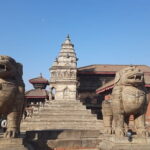
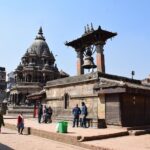
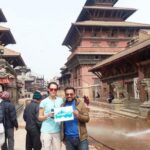
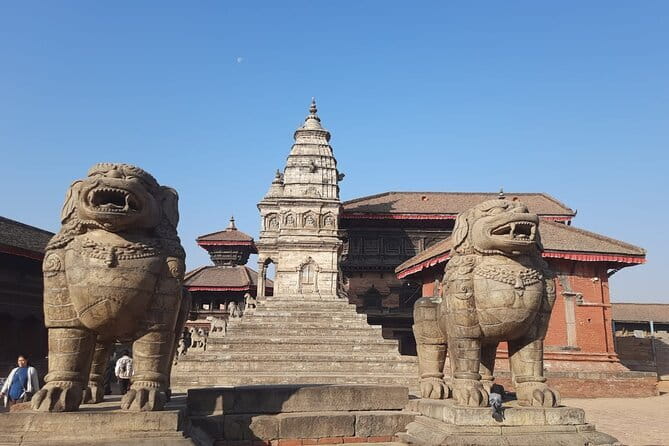
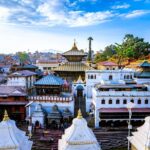
After Nagarkot, the day moves into a very different rhythm: heritage streets, courtyard-scale architecture, and guided walking time. Bhaktapur Durbar Square is a UNESCO World Heritage Site, and the stop is about 1 hour with the admission ticket listed as included in the tour flow.
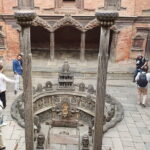
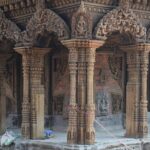
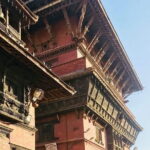
This is where you’ll see why people come to Bhaktapur in the first place. The tour description points to historic temples, royal palace areas, and intricate carvings. With a guide, you’re more likely to notice the details that would otherwise blur together—doorways, column work, the way structures relate to each other across the square.
A key highlight is the 55-Window Palace, tied to the Malla Dynasty. Even if you’ve seen photos, it’s the kind of place where seeing the proportions and craftsmanship helps it make sense. The tour explicitly flags it, so it’s not just a random stop in the background.
A heads-up on Bhaktapur entrance fees
The fine print includes a potential snag: it says the entrance fee for the Bhaktapur UNESCO World Heritage Site is not included (15 USD or 2000 NPR per person). At the same time, the step descriptions list admission as included for Bhaktapur Durbar Square and also include admission ticket for Nyatapola Temple.
So, what should you do? Treat Bhaktapur entrance fees as something to confirm at booking. It’s the kind of small mismatch that’s easy to clear up before you pay on the day.

Nyatapola Temple: the five tiers and the Siddhi Laxmi link
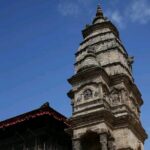
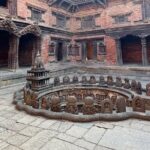
Next up is Nyatapola Temple, where you’ll spend about 30 minutes. This stop is more than a quick photo break: the tour frames it as a five-tiered pagoda and notes it’s one of Bhaktapur’s tallest temples.
The religious context is part of why the stop feels meaningful. The description says it’s dedicated to Goddess Siddhi Laxmi, who’s associated with wealth. With a guide handling the background, you’ll likely understand the symbolism behind what you’re seeing instead of just treating the temple like a tall decorative structure.
If you like architecture that has a purpose—religious, civic, and community-focused—this is one of the better segments. It also tends to be a relief from the longer walking stretch because it’s shorter, more focused, and visually direct.
Pottery Square and Thanka painting: craft stops that don’t feel rushed
After the temple focus, the tour shifts into making mode.
Pottery Square
You’ll head to Pottery Square for around 15 minutes. The tour description says you’ll watch artisans shape earthenware using age-old techniques, and there’s even mention that you can try pottery making. Even if the hands-on time is brief, watching the process up close helps you understand the craft better than you would from a shop window.
The time is short, so don’t expect a full workshop. Think of it as a chance to see skill in action and ask questions while you’re there.
Lama Thanka Painting School
Then you’ll visit the Lama Thanka Painting School for about 15 minutes. Thanka art is Buddhist, and the tour description specifically mentions intricate mandalas and symbolic paintings, plus the spiritual significance.
This stop is one of the reasons the tour feels complete. You get religious architecture in Bhaktapur, then you get religious art made with careful symbolism. Your tour includes the Thanka art school visit, so it’s not just a pass-by photo point.
Juju Dhau and food reality: no breakfast, but local taste is possible
Let’s talk meals the way you’ll actually experience them.
Breakfast is not included, and even tea or coffee is listed as not included. That means you should plan to eat before the morning start, especially if your pickup is early. Otherwise you’ll end up hungry at exactly the time you want to focus on sunrise and cold air.
That said, the tour description calls out Juju Dhau, king yogurt. If your guide builds it into the day (or if you choose to seek it out during the Bhaktapur portion), it’s a fun local taste that fits the heritage theme. It’s not guaranteed in the same way bottled water is, but it’s a named highlight, which is a good sign.
Price and value: why $55 can work, and what to verify
At $55 per person, this tour is positioned as a cost-efficient way to get a structured day: private transportation, an English-speaking guide with government license, bottled water, and the Thanka school visit.
You’re also getting the “two worlds in one day” value proposition: sunrise viewing and UNESCO heritage stops, which usually cost more when booked separately. The tour also mentions pickup and mobile ticketing, both of which reduce friction for a first-time visit to the region.
Where value may shift for you is the add-ons:
- No breakfast (you’ll pay for your own morning food)
- Bhaktapur UNESCO entrance fee may be extra (15 USD or 2000 NPR per person)
And remember that the tour claims admission tickets for the Bhaktapur stops in the stop descriptions. If you want zero surprises, confirm how those fees are handled when you book.
Who should book this tour, and who should reconsider
This is a strong fit if you want:
- a sunrise outing without a hike
- a guided Bhaktapur experience that explains temples and architectural details
- short, well-timed craft stops (pottery and Thanka art) instead of a long shopping loop
It may be less ideal if you:
- hate early mornings or don’t handle cold well (because Nagarkot is chilly before dawn)
- want a strict plan that guarantees Everest visibility (weather is the decider)
On the plus side, the tour states that most people can participate, and it’s private for your group, so you’ll have more control over pacing and questions.
FAQ
FAQ
How long is the Nagarkot Sunrise and Bhaktapur Durbar Square tour?
It runs about 6 to 7 hours.
Is pickup offered?
Pickup is offered as part of the tour.
What’s included in the price?
The tour includes private transportation, bottled water (one bottle per person), a government-licensed English-speaking tour guide, and a Thanka art school visit.
Is breakfast included?
No. Breakfast, and any tea or coffee, is not included.
Do I need to pay entrance fees in Bhaktapur?
The additional info states the entrance fee for the Bhaktapur UNESCO World Heritage Site is not included (15 USD or 2000 NPR per person). The stop descriptions list admission tickets for Bhaktapur segments, so it’s smart to confirm how the fees are handled at booking.
What’s the cancellation window?
You can cancel up to 24 hours in advance for a full refund.
Should you book this Nagarkot and Bhaktapur tour?
Yes, if you want a packed but organized Kathmandu day that connects sunrise views with guided UNESCO heritage and two craft experiences. It’s also a good value when you factor in private transportation and an English-speaking, licensed guide.
Just do two things before you commit: plan your morning food since breakfast is not included, and confirm the Bhaktapur UNESCO entrance fee situation so you’re not surprised at the gate or at checkout. If you handle early mornings well, this is the kind of day that leaves you with both sky memory and stone-and-art details.