REVIEW · BUSAN
From Busan: Gyeongju Full-Day Historical Tour
Book on GetYourGuide →Operated by Lecirt · Bookable on GetYourGuide
Gyeongju feels like time travel from Busan. This 10-hour day trip strings together UNESCO-listed Bulguksa Temple with the reflective calm of Donggung Palace and Wolji Pond, while your guide connects the sights to Korea’s Three Kingdoms world.
The main tradeoff is pace. It’s a long day with photo stops and set guided times, so you may not linger at every corner, especially if crowds build or your group is tightly scheduled.
In This Review
- Key highlights worth getting excited about
- Why Gyeongju clicks as a Busan day trip
- Price and what you get for $60
- Getting from Busan: pickup points, van ride comfort, and weather reality
- Bulguksa Temple: guided time at an UNESCO standout
- Yangdong Traditional Village: hanok charm with a simple, timed visit
- Daereungwon Tomb Complex: Silla royalty you can read in the layout
- Cheomseongdae and Hwangridan-gil: quick stops that still matter
- Donggung Palace and Wolji Pond (Anapji Pond): the reflection payoff
- Food breaks and how to handle the not-included meals
- Pace, crowds, and how to make the schedule work for you
- Tour guidance style: what you’re really paying for
- Who should book this, and who might want a different plan
- Should you book this Busan to Gyeongju tour?
- FAQ
- How long is the Busan to Gyeongju full-day historical tour?
- What stops are included in the tour?
- Is entry to the attractions included?
- Does the price include food?
- Will the tour run in bad weather?
- What should I bring?
- Is this tour suitable for wheelchair users or mobility impairments?
Key highlights worth getting excited about
- Bulguksa Temple (UNESCO) with a guided walk focused on how it fits the natural setting
- Yangdong Traditional Village for hanok-style charm and easy photo moments
- Daereungwon Tomb Complex with real Silla royal significance, covering kings, queens, and aristocrats
- Hwangridan-gil as a quick throwback street with preserved 1960s buildings
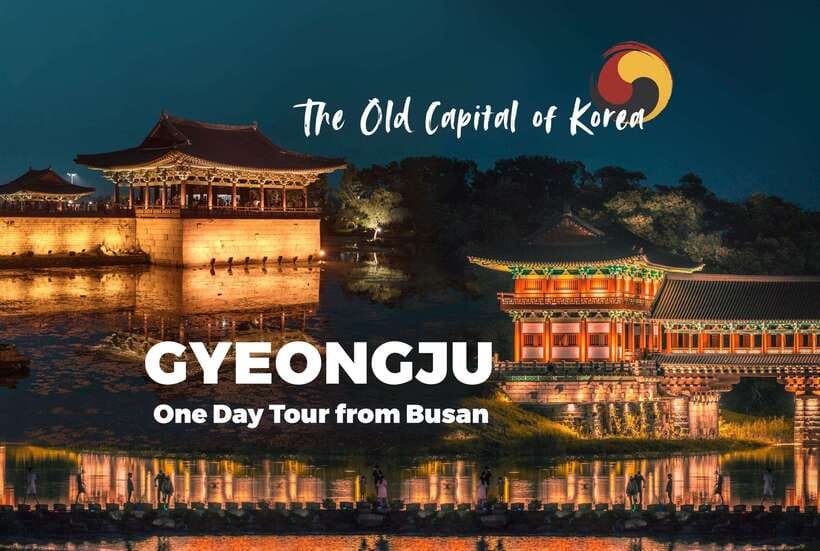
- Donggung Palace and Wolji Pond (Anapji Pond) for the classic reflection-and-evening vibes
- English and Chinese guidance plus included entry and transport from central Busan points
Why Gyeongju clicks as a Busan day trip
Gyeongju is one of those places where history isn’t locked behind glass. It’s outside, spread across palaces, tomb complexes, and temple grounds, so even a single day can feel like you’re walking through the same story from different angles.
This tour is built around the “unified kingdoms” arc. You don’t just see famous sites. Your guide ties them together so Bulguksa, tombs, and Silla-era palace remnants feel connected instead of like a checklist.
If you’re short on time in Korea and already based in Busan, this is a practical way to get big cultural payoff without organizing separate transport and tickets.
You can also read our reviews of more tours and experiences in Busan.
Price and what you get for $60
At $60 per person for a full day, the value mostly comes from what’s included: transportation from Busan, entry to the attractions, and an English (and Chinese) tour guide.
That matters because Gyeongju isn’t just one stop. You’re moving between temples, villages, tombs, and palace grounds. Paying for transport and individual tickets on your own can quickly eat into what looks like a “cheap” day.
What’s not included is also important: food and drinks are on you, and you’ll have break times built into the schedule. So if you’re the type who hates hunting for meals on a tight timetable, plan ahead and bring a little snack buffer.
Getting from Busan: pickup points, van ride comfort, and weather reality
The tour includes pickup and drop-off at central meeting points in Busan, with three starting options and three drop-off options. Which exact location you use depends on what you book, so check your confirmation and show up a bit early.
Once you’re in the van or bus, you get a calmer start than doing everything yourself. The ride includes views of the Korean countryside, and the group stays together, which is a big deal when you’re trying to pack in multiple UNESCO-level stops.
One thing to be clear about: it runs rain or shine. Wear shoes you trust on slick surfaces, and bring sunscreen anyway. Even if the sky is gray, you’ll still be walking and taking photos.
Bulguksa Temple: guided time at an UNESCO standout
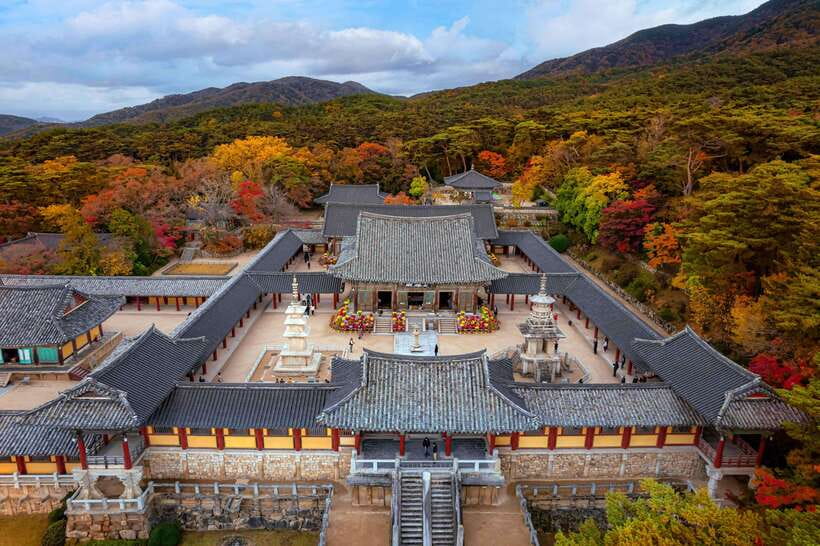
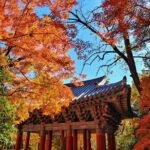
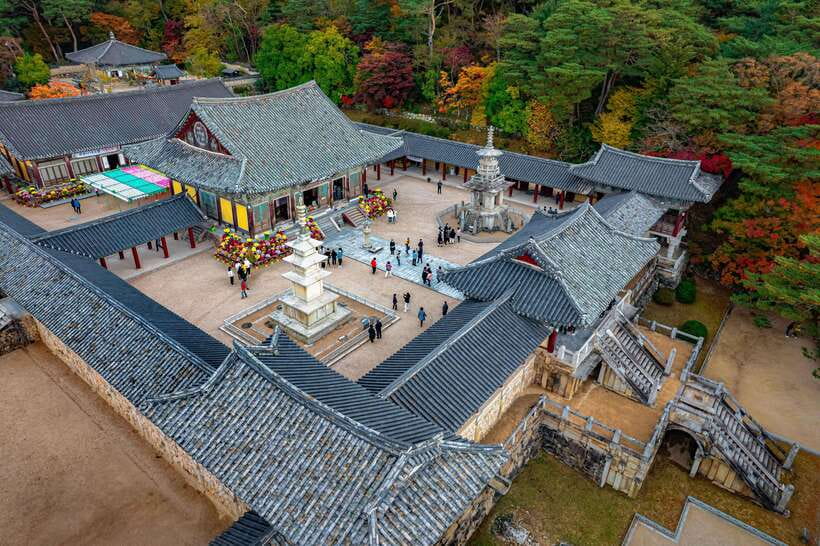
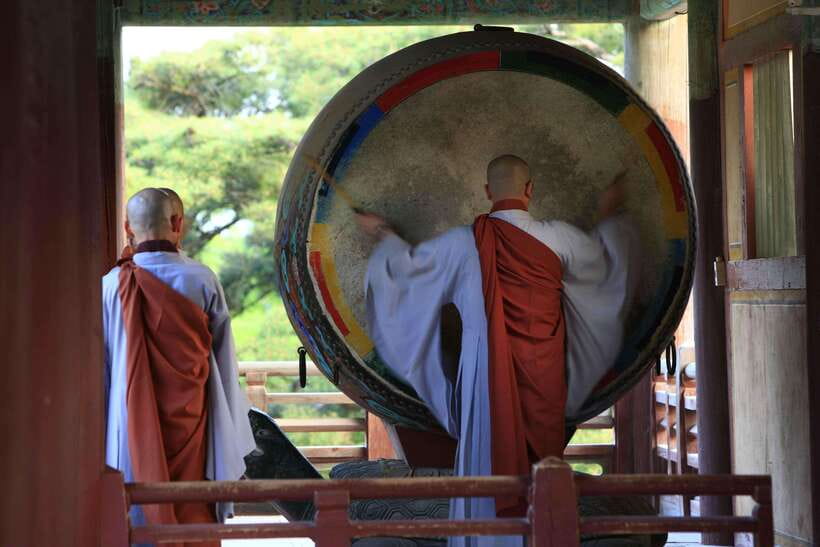
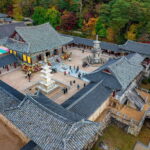
Bulguksa is the first big “anchor” stop, with a guided visit that lasts about 70 minutes. It’s also specifically described as UNESCO-listed, and your guide’s focus is on how the temple harmonizes with the natural backdrop around it.
In practical terms, this is the stop where you’ll benefit most from the guide. If you show up only scanning stone and trees, you can still enjoy it, but you’ll get more out of the explanation that frames what you’re looking at and why it matters.
Tip for your photos: use the guide’s pacing. If the group moves in waves, you can usually find a moment to step slightly to the side without losing the “story” of where to look next.
Yangdong Traditional Village: hanok charm with a simple, timed visit
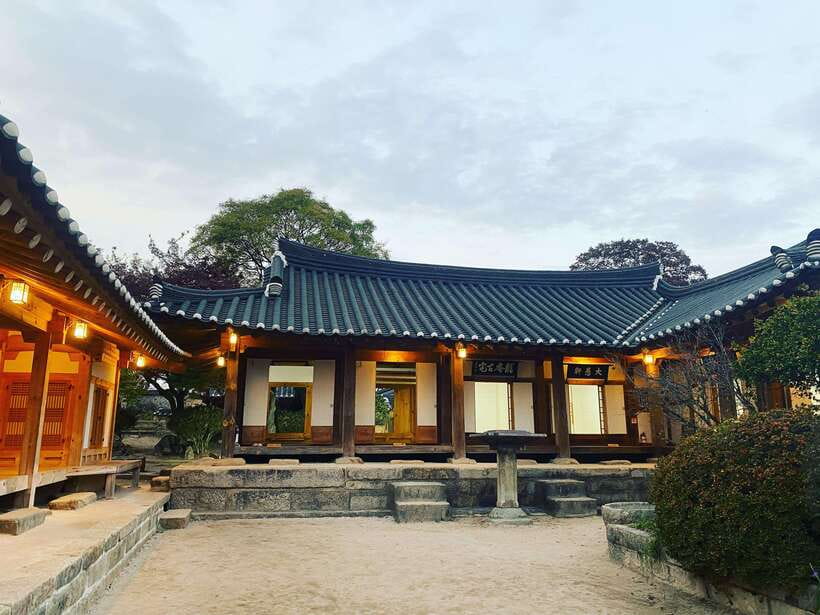
After the temple, you head to Yangdong Traditional Village. You’ll get a photo stop and then about one hour of guided time.
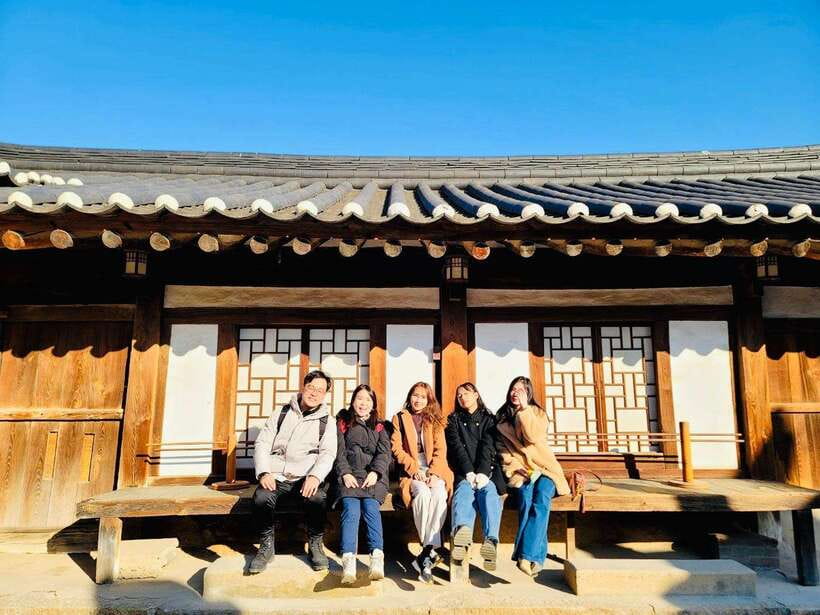
This is a different kind of experience than Bulguksa. Instead of monumental structures and temple grounds, you’re looking at traditional hanok-style homes and the overall “feel” of the village. The guide helps you see the pattern behind the buildings, not just the surface cuteness for Instagram.
A good way to use your time here is to walk slowly once and then use your second pass for details. At a one-hour guided stop, you don’t always get “wander at will,” so making one intentional lap often beats constant stopping.
Daereungwon Tomb Complex: Silla royalty you can read in the layout
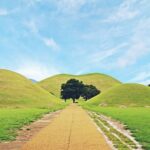
Next up is the Daereungwon Tomb Complex, with about one hour of guided exploration.
What makes this stop stand out is the connection to Silla rulers. The tour frames the tomb complex as a site holding profound significance, including a cluster of grand tombs that once held remains of ancient Silla monarchs, queens, and esteemed aristocrats. That’s the kind of context that makes tombs feel less like “rock piles” and more like a window into power and status.
You’ll likely want your shoes on for this portion, since tomb sites typically mean walking across open areas. If you’re heat-sensitive, time your photos during quieter moments and use shaded spots when your guide gives group pauses.
Cheomseongdae and Hwangridan-gil: quick stops that still matter
Between the bigger guided blocks, the schedule includes a break with photo stop and free time of around 30 minutes, plus a Cheomseongdae photo stop of about 30 minutes.
Cheomseongdae is, at this point, more of a visible landmark than a long-form visit. Treat it like a “get the shot and move” moment. If you try to linger too much, you can run into the problem of missing the flow of the day.
The tour also includes Hwangridan-gil, described as a street lined with carefully preserved buildings from the 1960s. This is one of the more charming pacing breaks, because you’re not only looking at ancient remains. You’re also seeing how an older streetscape can be protected and presented as part of the local atmosphere.
Donggung Palace and Wolji Pond (Anapji Pond): the reflection payoff
The grand finale is Donggung Palace and Wolji Pond (Anapji Pond), with about one hour of sightseeing and photo time.
This stop is the visual center of the day. The description emphasizes the breathtaking beauty of Donggung Palace and Wolji Pond, and the way the palace is elegantly mirrored in the tranquil lake. Even without “late-night lights,” the reflection effect is still the main reason to save energy for the end.
Your guide leads you through the palace grounds and explains the palace’s background, including that it was built during the Unified Silla period. That context matters here. It turns the scene from pretty architecture into a piece of how unified power was expressed through space and design.
If it’s raining, don’t abandon photos. Reflections often look different, sometimes softer. Just keep your footing first and let your camera work around puddles rather than fighting them.
Food breaks and how to handle the not-included meals
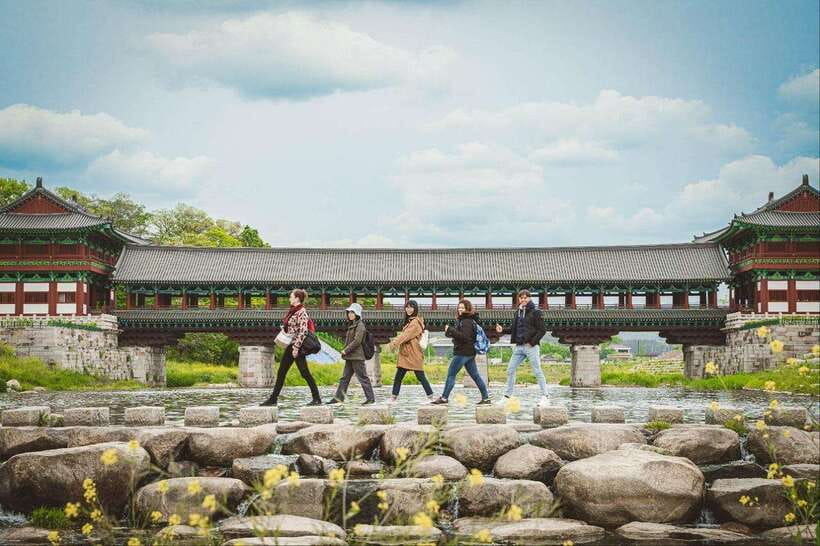
The tour includes a local restaurant break of about one hour. Since food and drinks aren’t included, you’ll be deciding on the spot what to eat, and prices can vary.
My practical advice: treat that hour like a window, not a suggestion. If you wander off to explore and end up waiting on the group, you can lose time that would otherwise go to the next stop.
If you’re the type who gets snacky between attractions, bring a small backup (as long as it fits your comfort and local rules). You’ll also walk enough that a little energy can keep you from feeling exhausted before the palace portion.
Pace, crowds, and how to make the schedule work for you
A day trip like this is always a balancing act: you want the highlights, but you also want breathing room. The tour does give breathing spaces through the restaurant break and that ~30-minute free time period, but it still runs on guided timing.
So here’s how I’d optimize it:
- During guided portions, watch for the “what to look at” points and try not to get distracted by filming everything.
- During photo stops, move quickly to your preferred angles first, then slow down once the group is already settled.
- Save your most patient curiosity for the temple and tomb complex, since those are the longer guided blocks.
Also, plan for some level of crowding. Some days can feel tighter than others, which affects how much you can enjoy walking at your own pace. A flexible attitude keeps the day fun instead of frustrating.
Tour guidance style: what you’re really paying for
You’re not just buying entry tickets. You’re paying for interpretation, and that’s where a good guide can transform the day.
The tour includes an English live guide (and a Chinese tour guide). People who enjoyed the experience emphasized that the guides were friendly, provided lots of explanations, and kept the day varied. One guide named Bada was specifically described as informative and entertaining, with frequent pockets of free time to shape your own moments.
That “explaining + variety” combination is the sweet spot on a jam-packed route. Without it, the stops can blend together. With it, you start recognizing themes: belief and place at Bulguksa, social status in the tomb complex, tradition in Yangdong, then the palace-lake visual finale.
Who should book this, and who might want a different plan
This tour is a great fit if you:
- Want a structured route with transport and entry handled
- Like history that connects sites, not just isolated facts
- Appreciate guided pacing but still want some free time blocks
It’s less ideal if you:
- Prefer a slow, independent schedule without photo-stop constraints
- Need step-free mobility or wheelchair access, because the tour is not suitable for people with mobility impairments or wheelchair users
If you’re traveling with older family members, this is the kind of outing where you’ll want to be honest about walking comfort before booking.
Should you book this Busan to Gyeongju tour?
Yes, if you want the Gyeongju highlights in one practical day. The value is strongest when you’re glad someone is handling logistics, timing, and interpretation across multiple major sites.
I’d say book it when you can handle a long day and uneven pacing. It’s not a relaxed stroll; it’s a highlights itinerary with guided blocks and short photo windows. If that sounds like your travel style, you’ll likely finish the day with a clear sense of how Three Kingdoms-era themes show up in places like Bulguksa, Daereungwon, and the Donggung/Wolji reflection scene.
FAQ
How long is the Busan to Gyeongju full-day historical tour?
The duration is 10 hours.
What stops are included in the tour?
The tour includes Bulguksa Temple, Yangdong Traditional Village, Daereungwon Tomb Complex, Cheomseongdae (photo stop), and Donggung Palace & Wolji Pond (Anapji Pond), plus breaks during the day.
Is entry to the attractions included?
Yes. Entry to visited attractions is included.
Does the price include food?
No. Food and drinks are not included, though there is a local restaurant break.
Will the tour run in bad weather?
Yes. The tour takes place rain or shine.
What should I bring?
Bring comfortable shoes and sunscreen.
Is this tour suitable for wheelchair users or mobility impairments?
No. It is not suitable for people with mobility impairments or wheelchair users.