REVIEW · CHANIA
From Chania: Crete World War II History Tour
Book on GetYourGuide →Operated by GS tours · Bookable on GetYourGuide
Battlefield names click fast in Crete. This six-hour WWII tour from Chania connects Maleme landing ground to the war cemeteries, with a guide who turns Operation Mercury and the Greek-Italian War of 1940 into a clear story. I love the logical stop-to-stop storyline and the small-group feel, but plan for a long day with comfort breaks that may be fewer than you’d like.
I’ve also liked the mix of open-air battle sites and quieter places like small museums and secret shelters. Depending on your departure, guides such as Yanis or Babis can bring extra clarity with maps and old photos, so you don’t just see locations—you get the “why here” behind them.
In This Review
- Key highlights to know before you go
- Crete WWII in plain terms: Operation Mercury to the resistance
- From Chania pickup to a comfortable 6-hour flow
- Maleme airfield and the village: the first landing you can almost see
- Tavronitis Bridge: why one landmark can explain a whole pressure point
- Galatas battle sites and Hill 107: from names to troop movement
- Small museums, monuments, and secret shelters: the war at human scale
- War cemeteries of the German and Allied forces: respectful closure
- How the private collector stop changes the feel of WWII
- Price and value around $111: what you’re really paying for
- Timing, heat, and comfort breaks: the one thing to plan for
- Is this WWII tour right for you?
- Should you book the Chania WWII history tour?
- FAQ
- FAQ
- How long is the WWII history tour from Chania?
- Where does the tour depart from?
- What’s included in the price?
- What languages are available?
- Do I need to bring anything?
- Are pets allowed?
- Is there a cancellation window?
- Is payment due right away?
Key highlights to know before you go
- Maleme airfield viewpoint: get a top-down look at the landing area and then connect it to the village vibe
- Tavronitis Bridge: a specific landmark that helps you picture troop movement and pressure points
- Galatas (and Hill 107): battle details explained so the names on monuments mean something
- Secret shelters and small museums: you’ll see the war from the ground level, not just big monuments
- German and Allied cemeteries: a careful, respectful ending that puts human loss front and center
- Small-group van + included snack: air-conditioned transport, bottled water, and entry fees handled for you
Crete WWII in plain terms: Operation Mercury to the resistance
This tour is built around one question: how did Crete go from fighting to survive to becoming a turning point in WWII morale and strategy? You start with the background—how the Greek-Italian War of 1940 sets the stage—and then move into what led to Hitler’s Operation Mercury.
What I like is that the day doesn’t stay stuck in one battlefield photo. You connect the invasion to what followed: the resistance to the invasion and how that struggle helped revive Allied morale far beyond Crete.
If you’re the type who wants history with names and locations (not just dates), this format helps. You’re guided to key sites and then told what mattered there and why.
From Chania pickup to a comfortable 6-hour flow
The practical win is the pickup and drop-off from specific spots in the Chania region, plus air-conditioned minivan transport. It’s small-group, so you’re not spending your day stuck behind a parade of buses.
The day is designed to be efficient: you’ll cover multiple locations, including some outdoor viewpoints and walking on uneven ground. You’ll want comfortable shoes, not because you’re trekking a mountain, but because battle-site terrain tends to be rocky, sloped, and full of little surprises.
One planning note: the tour is marketed as a six-hour experience, but it can feel closer to a longer outing in real life. Some people found comfort breaks limited, so if you know you’ll need more frequent stops, go in prepared.
Maleme airfield and the village: the first landing you can almost see
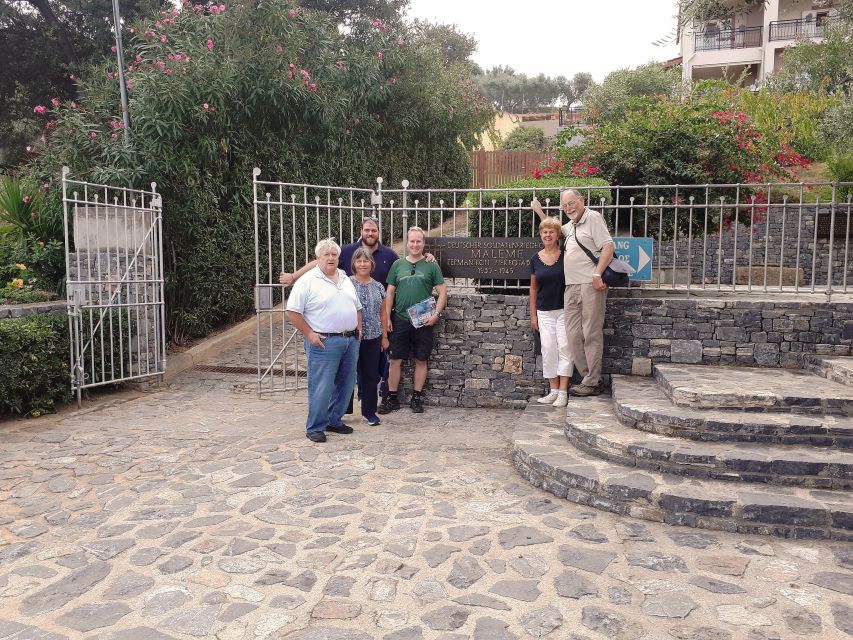
Maleme is where the story starts in a very visual way. You’ll visit the pretty village area and also see the Maleme airfield from above, which makes a huge difference.
Standing where you can look down on the landing ground helps you understand how airborne forces can look like a straight line on a map—until you connect them to terrain, timing, and what was already in motion on the island. It’s the kind of perspective that turns a “place name” into a mental image fast.
This is also one of the better “entry points” for people who don’t know WWII well. Even if you’re starting from scratch, the Maleme stop gives you footing. You’re not just touring; you’re learning a route in your head.
Tavronitis Bridge: why one landmark can explain a whole pressure point
Next comes Tavronitis Bridge, one of those locations where the geography does half the teaching. The tour doesn’t treat it like a photo stop. Instead, it uses the bridge as a reference point—so you can follow how control of crossings can affect movement, supply, and the tempo of fighting.
Bridges tend to be simple in shape but complicated in meaning. In a WWII context, they’re where time gets wasted, where routes get cut, and where forces run into each other. That’s why I like this stop: it gives you a “direction” anchor for later sites like Galatas and the cemeteries.
If you prefer history explained in concrete terms—where troops would go and why—you’ll appreciate this stop.
Galatas battle sites and Hill 107: from names to troop movement
The Battle of Galatas is a highlight, and the way the tour handles it is practical. You learn the battle context and then visit locations tied to the fighting, so you can see how the landscape guided actions.
One detail that stands out in feedback is that the day can include explanation tied to Hill 107, which helps make the battle feel chronological and logical. When you hear how positions and timing mattered, the sites stop feeling random.
This part of the tour works best if you’re willing to slow down for a bit of listening. There’s no way around it: battle sites only become meaningful when someone gives you the “what happened here” layer.
Small museums, monuments, and secret shelters: the war at human scale
Crete’s WWII story isn’t only told through big, obvious memorials. This tour also steers you toward smaller museums and reminders that feel almost private—like secret shelters and less-public monuments.
That shift in tone is important. Cemeteries and major battlefronts carry weight, but secret shelters and small museum stops show the tension of daily survival. They help you understand what occupation and resistance meant on the ground.
Here’s why this matters for you: if you only see monuments, you might leave with facts but not context. If you also see hiding places, artifacts, and small exhibits, you walk away with a more complete picture of fear, ingenuity, and endurance.
War cemeteries of the German and Allied forces: respectful closure
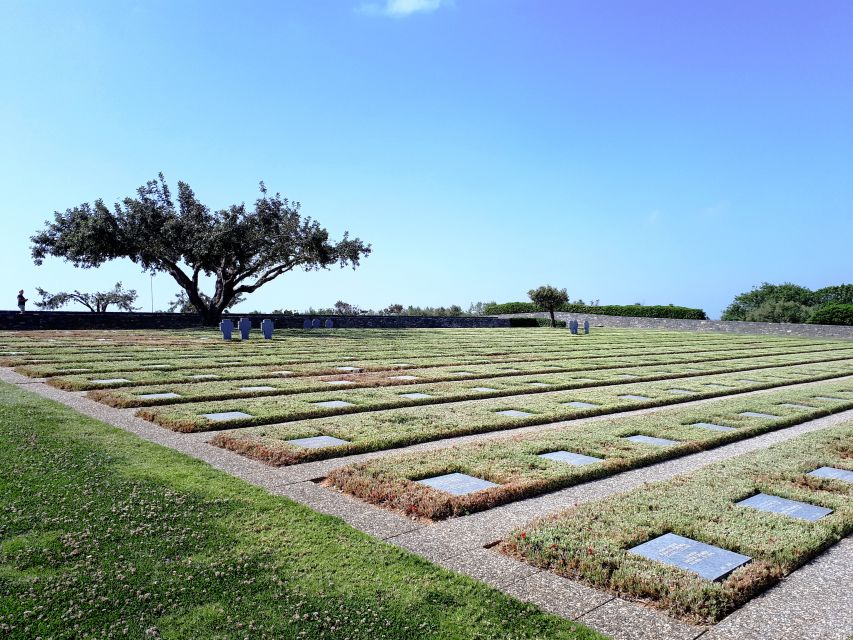
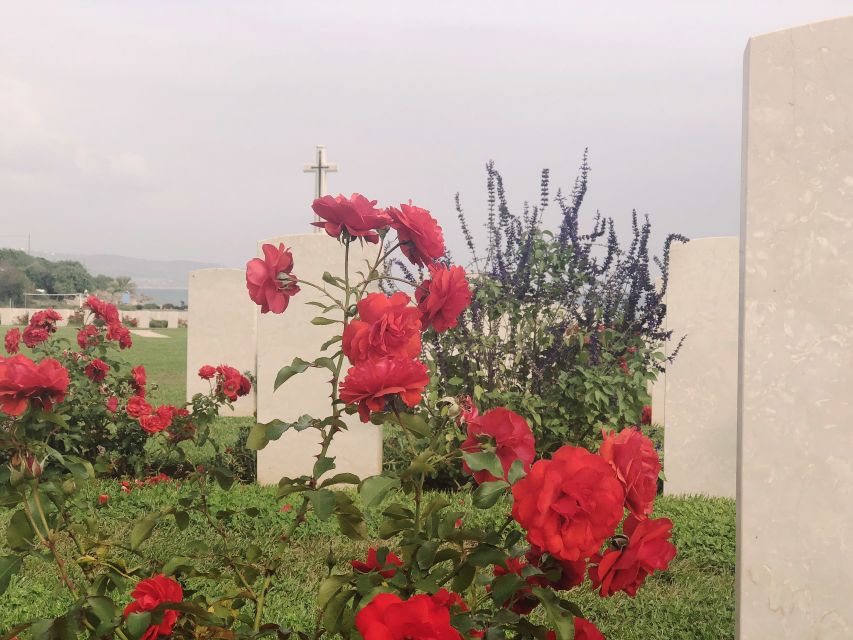
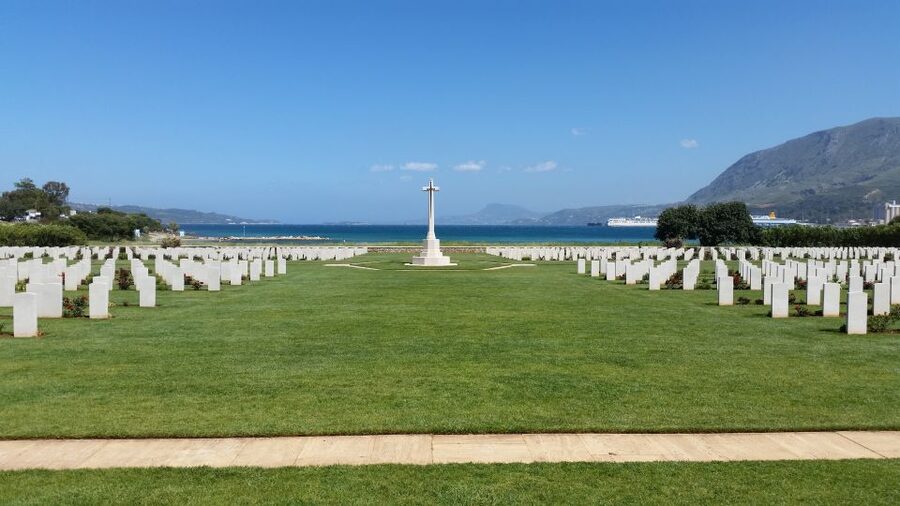
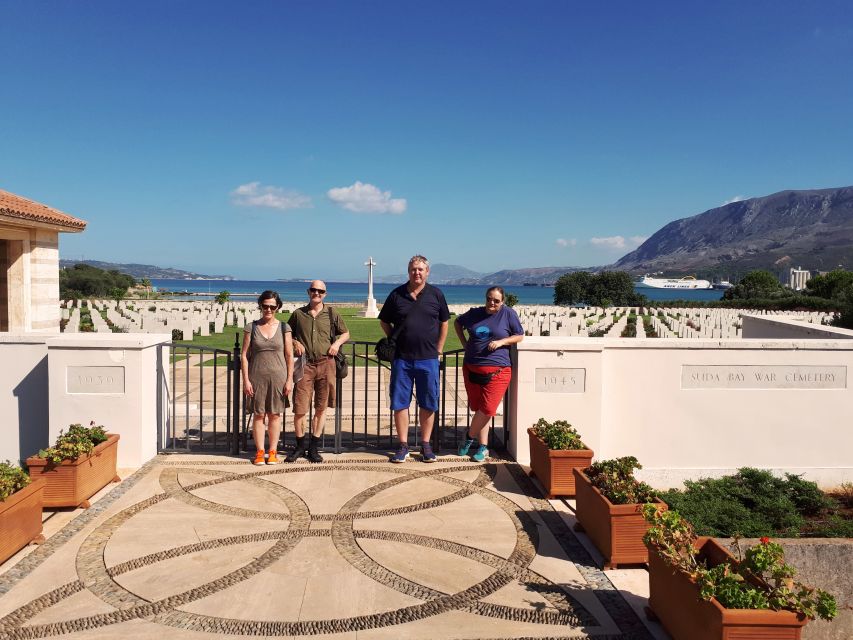
The last third of the tour is the most emotionally grounding. You’ll visit the war cemeteries of the German and Allied forces, and the atmosphere changes from “battlefield explanation” to quiet remembrance.
This is where I think the tour does something right: it doesn’t rush past the final human cost. Some feedback also notes that the German graves are handled with sensitivity in how information is presented, which matters. You’re not there for spectacle.
If you’re the type who likes to take a moment—read names, look closely, and reflect—this part gives you that space. One note: if you’re hoping for extra time at a specific cemetery, you may want to mentally budget for that now, because the day is packed with stops.
How the private collector stop changes the feel of WWII
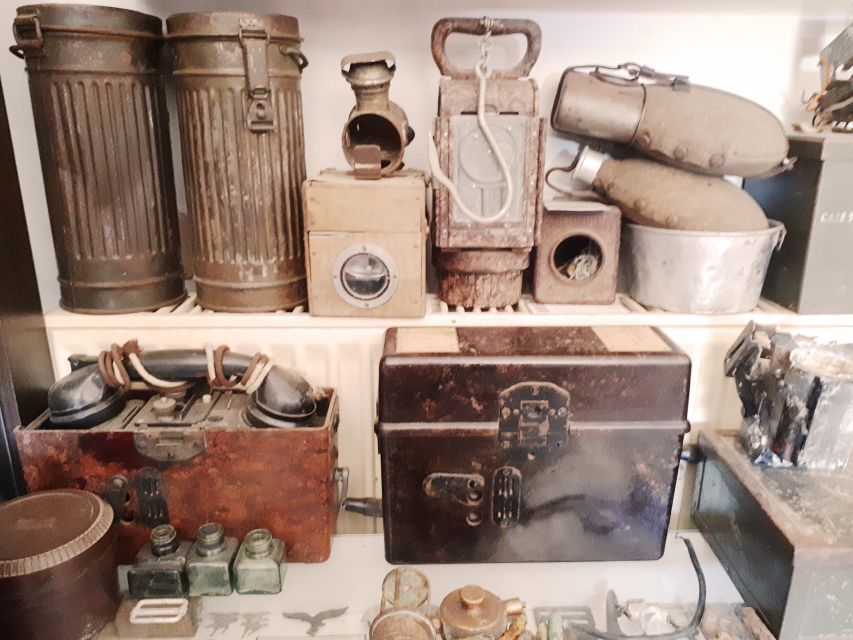
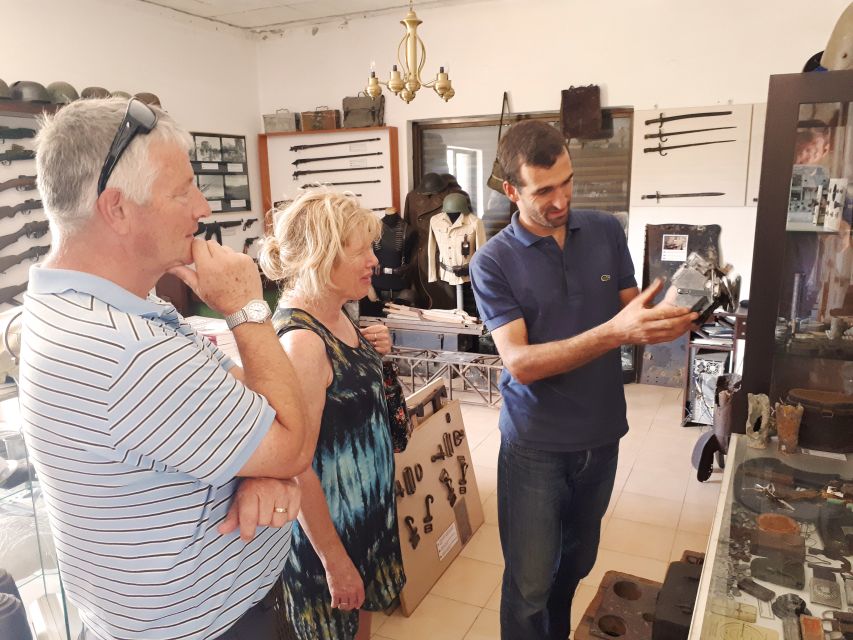
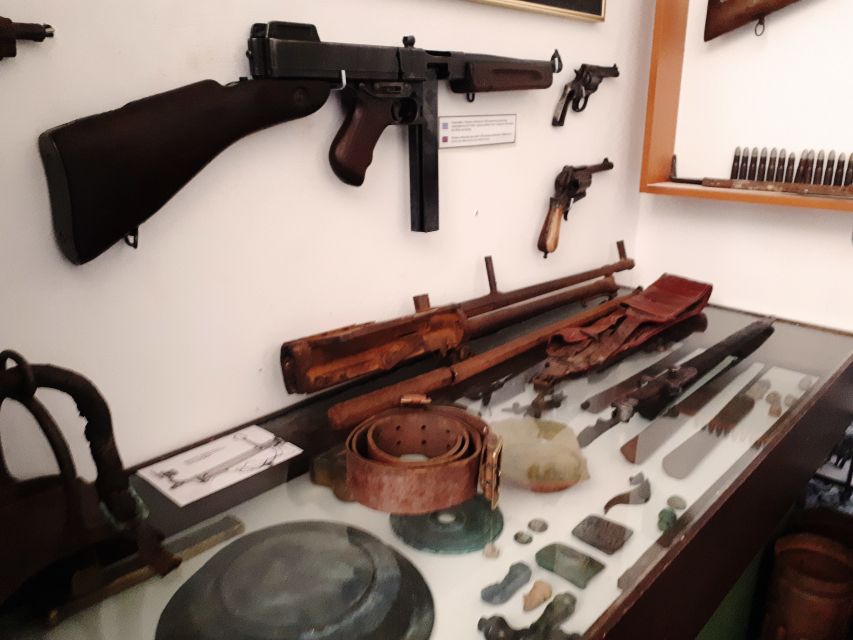
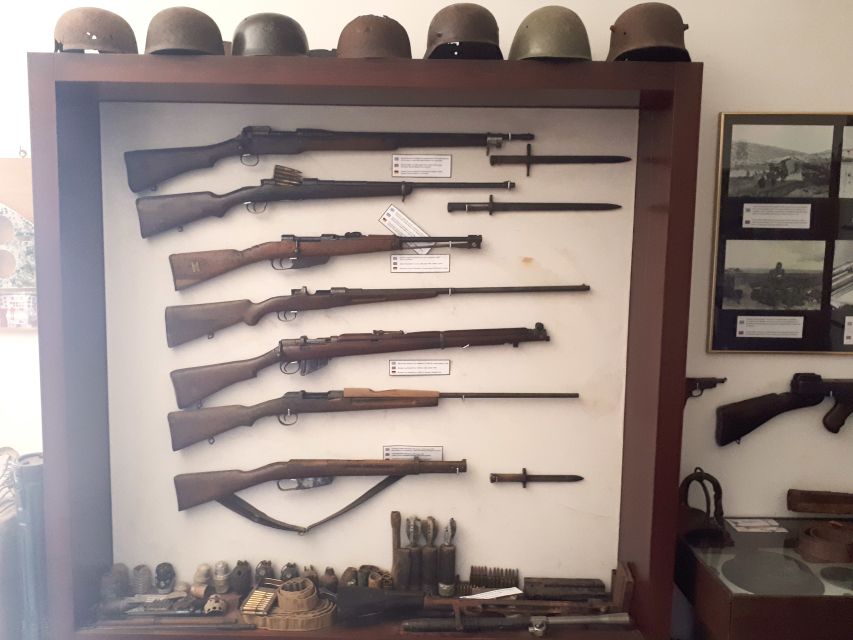
One stop that keeps showing up in the experience is a visit to a local collector’s place to see WWII artifacts. In many departures, the collector can explain what items are and where they were found, and that turns the day from “touring sites” into “handling stories.”
I like this kind of stop for one simple reason: it makes history physical. Instead of only hearing about war, you see objects tied to it—things that survived because someone kept them, categorized them, and remembered what they mean.
That said, it’s still a tour with limited time. If you’re someone who prefers shorter explanations and more free time at outdoor stops, this is the one part you might want to manage mentally. The upside is that the collection can be extremely detailed, with explanations tied to the local area.
Price and value around $111: what you’re really paying for
At about $111 per person for a roughly six-hour day, the value comes from the parts that are hard to DIY:
You’re paying for transportation (air-conditioned van), pickup/drop-off in the Chania region, and a guide setup that stacks multiple key WWII locations into one outing. Entrance fees and local taxes are included, so you’re not scrambling for tickets mid-day. You also get a snack and a bottle of water, which sounds small until you’re out on the road for hours.
In other words, you’re not just buying a lecture. You’re buying logistics plus context plus access to sites that are easier to follow with an informed guide.
If you already plan to hire a private driver or piece together multiple stops by taxi, the math often swings in this tour’s favor—especially with a small-group format.
Timing, heat, and comfort breaks: the one thing to plan for
Crete can be warm. One traveler noted summer heat around the mid-30s, and the guide aims to keep things manageable. Still, you’ll be outside at viewpoints and at cemeteries, so water and pacing matter.
The most common practical complaint is comfort break timing. Even when the tour doesn’t feel rushed overall, some people wished for at least one additional scheduled restroom stop. If you’re sensitive to that, I’d plan to use breaks when they’re offered and consider bringing basic travel comfort items like tissues, hand sanitizer, and a small electrolyte drink if you tolerate that kind of thing.
Also: this is a day with several stops. You’ll want to dress for sun and wind, and keep your hat and sunglasses handy.
Is this WWII tour right for you?
This works especially well if:
- You want a clear story arc from Operation Mercury to battle sites and then to cemeteries.
- You like the mix of outdoor locations plus museums and shelters.
- You prefer a small-group day with a guide who can connect what you’re seeing to what it meant.
It might not be the best fit if:
- You want lots of free time at each cemetery or are hoping for long, unstructured wandering.
- You need very frequent restroom breaks.
- You’re looking for a kid-friendly or light entertainment style day. This is history with emotional weight.
Should you book the Chania WWII history tour?
If you’re coming to Crete and you want WWII explained through the actual places it happened, I’d say yes. The structure makes sense: start at Maleme, connect key landmarks like Tavronitis Bridge, learn the Battle of Galatas, and then close with respectful visits to German and Allied cemeteries.
It’s also good value for a short stay, because you get coordinated transport, entrance fees, and guidance without needing to plot everything yourself. Just go in knowing it’s a full day with limited break flexibility.
If you care about understanding the battle landscape—and you’re comfortable walking and standing for parts of the day—this is a strong choice.
FAQ
FAQ
How long is the WWII history tour from Chania?
It’s listed as a 6-hour tour.
Where does the tour depart from?
This tour only departs from the Chania region.
What’s included in the price?
You get pickup and drop-off from specific locations in the Chania region, transportation by air-conditioned minivan, an English-speaking driver/guide plus a local guide, entrance fees, local taxes, and a snack with a bottle of water per person.
What languages are available?
The tour includes English and Greek.
Do I need to bring anything?
Bring comfortable shoes.
Are pets allowed?
No, pets are not allowed.
Is there a cancellation window?
Yes. You can cancel up to 24 hours in advance for a full refund.
Is payment due right away?
You can reserve now and pay later.