REVIEW · KAUNAS
From Vilnius: Guided Jewish Heritage Day Trip to Kaunas
Book on GetYourGuide →Operated by Baltia tour · Bookable on GetYourGuide
A day in Kaunas can hit fast—then stay with you. What makes this trip work is the private guide setup and the way your route can bend to your questions and the day’s reality. I especially like pairing living Jewish sites like the Kaunas Synagogue with heavier places that document genocide and persecution.
One thing to plan for: it’s an 8-hour schedule with multiple stops, and some key places require extra payment (donations or tickets), so the day can feel intense if you like breathing room.
In This Review
- Key Highlights
- Vilnius-to-Kaunas Jewish Heritage, Done One Group at a Time
- Hotel Pickup, a Driver-Guide, and a Day That Moves (But Can Bend)
- The Ziezmariai Shtetl Stop: A Renovated Synagogue Along the Way
- Kaunas Synagogue: One of Lithuania’s Operating Choral Synagogues
- The Cemeteries Near Vilijampolė and Aleksotas: Memory in Two Tones
- Vilijampolė and the Kovno Ghetto: Understanding the Nazi Trap
- Sugihara House-Museum: The Former Japanese Consulate Story
- Ninth Fort Museum: Soviet Atrocities and Nazi Genocide in One Place
- How Flexible Timing Helps You Get More Out of the Day
- Price and Value: What $259 Per Group Really Buys You
- Who This Tour Fits Best (and Who Might Want to Think Twice)
- Should You Book This Jewish Heritage Day Trip?
- FAQ
- How long is the day trip from Vilnius to Kaunas?
- How much does this trip cost?
- Where will I be picked up and dropped off?
- Is this a private tour?
- What language is the live tour guide?
- Is the tour wheelchair accessible?
- What is included in the price?
- Are admission tickets included?
- Can the order of visits change?
- Is there free cancellation?
Key Highlights
- Private, English-speaking day trip from your Vilnius hotel to Kaunas with a driver-guide
- Route flexibility: stop order can change with your needs and weather
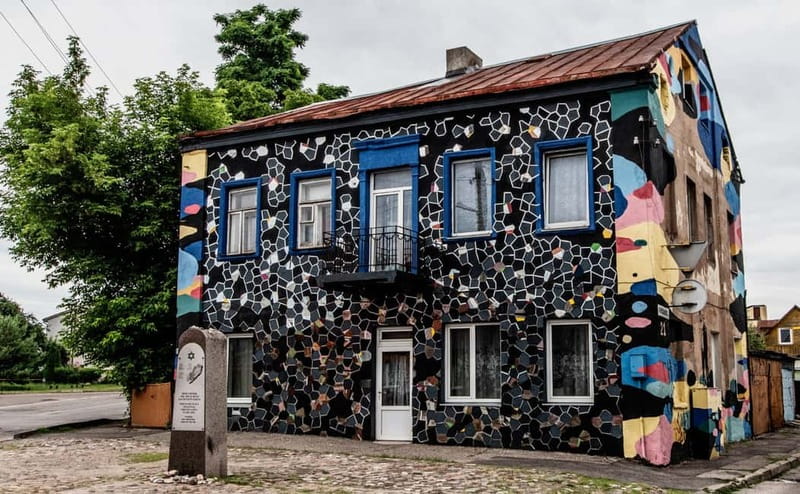
- Ziezmariai shtetl stop with a renovated synagogue on the way to Kaunas
- Kaunas Synagogue visit, one of Lithuania’s two operating choral synagogues (donations-based entry)
- Ninth Fort museum focusing on artifacts tied to both Soviet atrocities and the Nazi genocide
Vilnius-to-Kaunas Jewish Heritage, Done One Group at a Time
This is a true single-group experience: you get hotel pickup and drop-off, and you’re not sharing the car with a bunch of strangers. That matters here because Jewish history in Lithuania is emotionally demanding, and you’ll want room for questions and pace control.
I like that the trip is designed around context, not just a checkbox trail. You’ll be guided through Kaunas Jewish life and the places that mark the breakdown of that life—then you move onward with explanations that connect the dots.
If you’re lucky enough to have Cyrus (spelled Cyras in at least one booking), pay attention to how he handles the subject: direct, respectful, and tuned to what you came for. People doing family-heritage tracing especially seem to benefit from that kind of focus.
Hotel Pickup, a Driver-Guide, and a Day That Moves (But Can Bend)
Your day starts and ends at your hotel in Vilnius. That’s not a small perk—when you’re traveling to a different city for a full historical day, convenience is part of the value. You also avoid the “where do we meet now?” stress that can drain energy before you even arrive.
You should also know the visit sequence is flexible. The order of stops can adjust based on your needs and weather conditions. That flexibility is useful with cemeteries, outdoor memorial settings, and places where timing matters.
The Ziezmariai Shtetl Stop: A Renovated Synagogue Along the Way
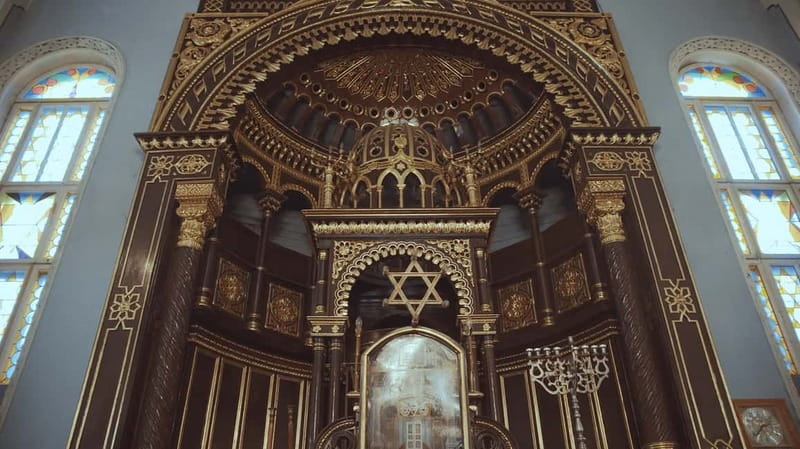
On the drive to Kaunas, the tour includes a stop in Ziezmariai, a small Jewish shtetl area with a renovated synagogue. This works as an “in-between” moment: you’re not jumping from Vilnius straight into the hardest chapters.
The practical value is that it helps you frame what you’re going to see next. When a community site still looks cared for—renovation done, building preserved—it makes the later sites feel even more tragic, and more real.
Because the schedule is flexible, Ziezmariai may function as a breather or as an early anchor point for the day. Either way, it sets the tone.
Kaunas Synagogue: One of Lithuania’s Operating Choral Synagogues
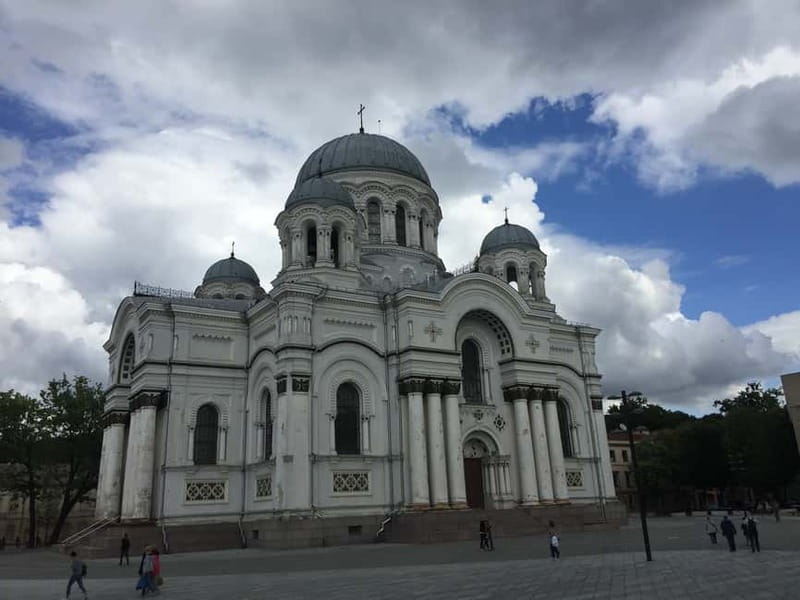
In Kaunas, you visit the Kaunas Synagogue, described as one of two operating choral synagogues in Lithuania. That detail matters: this isn’t only a museum building or a ruined shell. It’s a functioning part of Jewish religious and cultural life.
Admission is donation-based, so plan for a cash or small payment expectation. If you’ve ever wondered what “active” means in a synagogue context, this stop is a clear answer—there’s a sense of continuity even when the surrounding history is brutal.
If you’re doing family history research, this kind of live community site often lands differently than memorials. It’s not only about what was lost. It’s also about what endured.
The Cemeteries Near Vilijampolė and Aleksotas: Memory in Two Tones
Kaunas includes multiple cemetery stops, and they tell different stories.
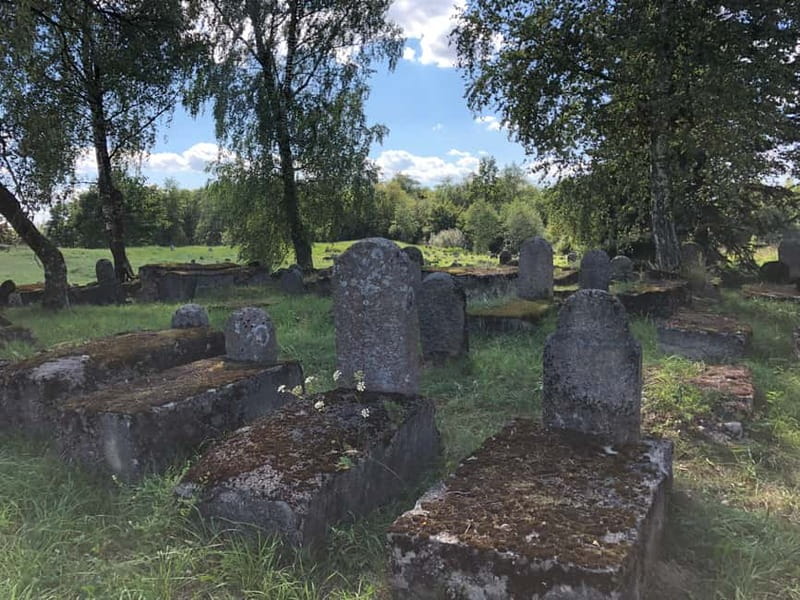
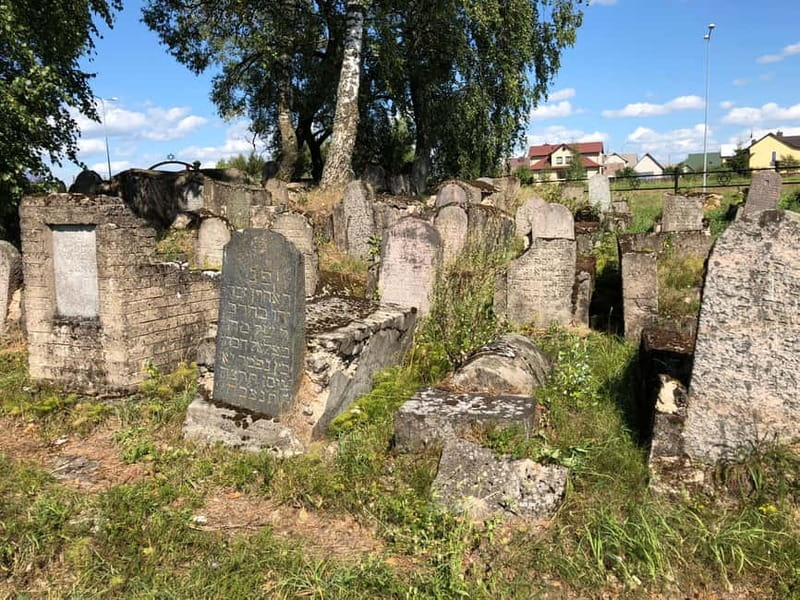
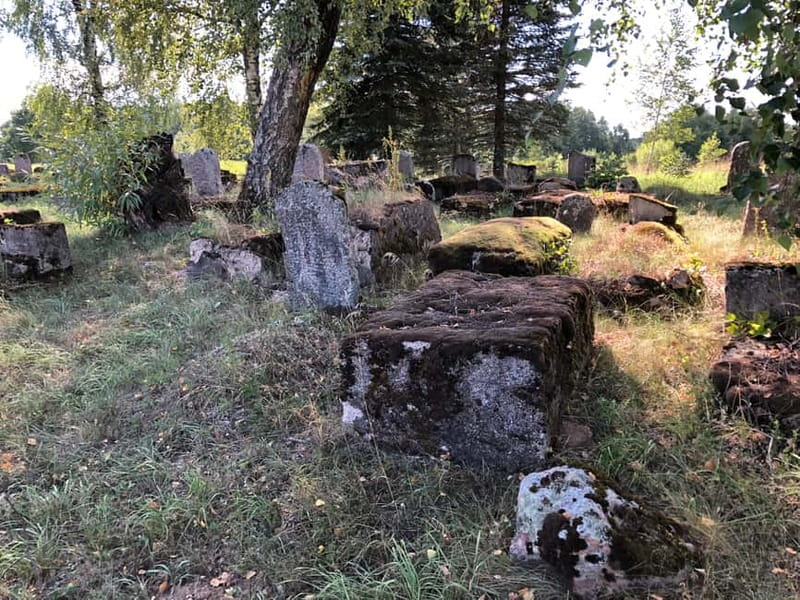
First, you’ll visit the oldest Jewish cemetery in Vilijampolė. After World War II, it was destroyed by Soviet authorities. That information doesn’t just add background—it reframes the physical landscape. A cemetery isn’t only about graves; it’s about whether a community’s memory is allowed to remain visible.
Next comes Aleksotas Jewish Cemetery, described as the only active Jewish cemetery around Kaunas today. Seeing an active cemetery right after one that was damaged by Soviet actions creates a stark contrast that your guide can explain in plain terms.
One planning note: some people feel the cemetery time can be dense, especially if you’re also processing ghetto-site history and a museum like Ninth Fort. If you want more breathing room, it’s reasonable to ask your guide about pacing. On at least one version of this experience, the route was amended to include more town-center time instead of one cemetery visit—proof that adjustments can happen.
Vilijampolė and the Kovno Ghetto: Understanding the Nazi Trap
The tour also covers the Kaunas ghetto created by Nazi Germany. Jews were kept in Vilijampolė, so this is not just a label—it’s tied to a specific geography where life tightened, rights were removed, and survival became the daily problem.
This part of the day is likely to feel heavy. The best way to handle it is to lean into your guide’s structure. A good guide won’t just recite dates. They’ll explain what the places meant, how the system worked, and how the neighborhood configuration connects to the people who lived there.
If you’re tracing family connections, this is often where the questions start getting sharper: Where might someone have lived? Which part of town mattered most? What does it mean when a cemetery was destroyed? You can use this stop to ask directly.
Sugihara House-Museum: The Former Japanese Consulate Story
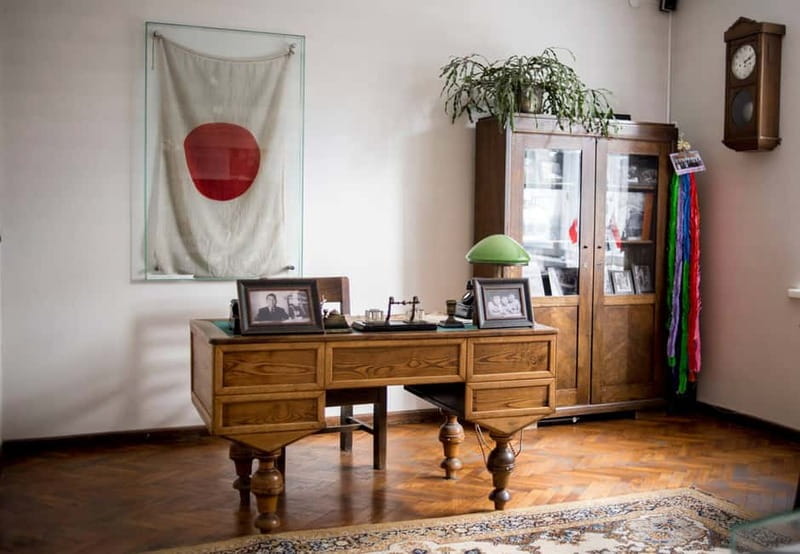
A key Kaunas stop is the Sugihara House-Museum, located in the former Japanese consulate in Kaunas. Your visit includes the museum, but you’ll need to pay the admission ticket yourself.
Why this stop earns a spot on the itinerary: it adds a different angle to a day that’s otherwise dominated by persecution and mass death. In the broad frame of Jewish heritage history in Lithuania, this kind of site helps you remember that individual choices and diplomatic realities shaped outcomes for some people—even inside a world engineered for destruction.
If you like stories that show human decision-making, this is the moment to slow down.
Ninth Fort Museum: Soviet Atrocities and Nazi Genocide in One Place
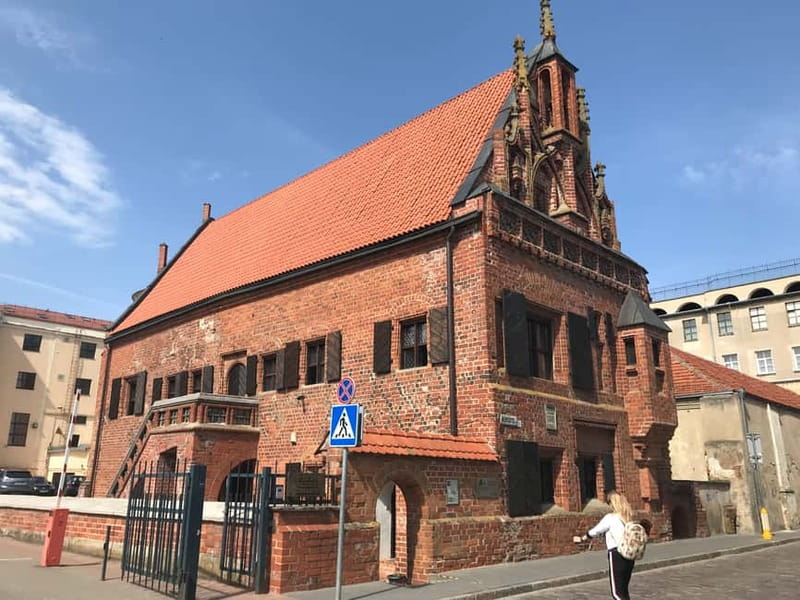
The day’s other major anchor is the Ninth Fort museum. It contains collections of historical artifacts tied to both Soviet atrocities and the Nazi genocide. Admission is ticketed, so you’ll want to budget for it.
This isn’t a museum that stays in one time period. That approach can be confronting, but it also helps you understand why memorial sites in Lithuania don’t fit one neat narrative. Your guide can help you keep the timeline straight and connect what you’re seeing to what came before and after.
Practical advice: bring emotional stamina. This museum is the kind of place where you might need a pause. If your guide notices you slowing down, it’s exactly the moment to say you want a smaller pace, fewer questions, or a short reset before continuing.
How Flexible Timing Helps You Get More Out of the Day
Flexibility shows up in the real-world details. The tour’s stop order can change based on client needs and weather, which is useful when you’re juggling outdoor memorial sites, cemeteries, and museums in one day.
It also helps if you came with a specific goal. If you’re tracing family heritage, you’ll likely have a list of places that matter most. A good private setup lets you prioritize those without turning the day into a rush.
One more thing I value: guides can manage tone. In some versions of this experience, the tour starts with a food stop in the Vilnius Jewish ghetto area when people are hungry, then moves into history. That kind of “get your bearings first” approach can make the day easier to absorb.
Price and Value: What $259 Per Group Really Buys You
The price is listed at $259 per group, up to 2 people, for an 8-hour day trip from Vilnius to Kaunas. That pricing structure changes the math. If you’re traveling as a duo, the cost per person becomes much more reasonable than many larger-group heritage tours.
What you’re paying for is not only the drive. You’re paying for hotel pickup/drop-off and a driver-guide who can connect sites in a single narrative. When admissions are extra, that guide time becomes more valuable—not less.
Budget reality check: food and drinks aren’t included, and admission tickets aren’t included (donations and paid tickets apply at specific stops). Also, you may want small spending money for donation-based entry at the Kaunas Synagogue, plus museum admissions for places like Sugihara House-Museum and Ninth Fort.
If you’re the type who prefers to see things with explanations rather than just walk through, this is where the value shows up.
Who This Tour Fits Best (and Who Might Want to Think Twice)
This experience is ideal if you want Jewish heritage history with a human guide who can answer questions in English. It’s also a strong match for family-heritage tracing, since the route includes synagogues, cemeteries, ghetto sites, and a major Holocaust-era museum context.
It’s also a fit for travelers who appreciate when a day balances different emotional notes—community sites like an operating synagogue plus remembrance sites that document genocide and atrocities. If you rely on that balance to keep going, a private guide format helps a lot.
Who might hesitate: if you dislike emotional intensity or you need a lighter day, this itinerary may feel like too much. Even with flexibility, it’s still built around heavy subject matter plus multiple sites in one stretch. If that sounds like you, you could consider whether you want fewer stops or a shorter day.
Should You Book This Jewish Heritage Day Trip?
Book it if you want a private, English-language route that connects Kaunas’s Jewish story from community life to ghetto history to museum documentation. The combination of Kaunas Synagogue, the cemeteries near Vilijampolė and Aleksotas, ghetto-site context, Sugihara House-Museum, and Ninth Fort is a powerful way to understand this region without feeling like you’re floating.
Skip—or at least rethink—if your ideal day is mostly “see and enjoy” with minimal weight. This trip is designed for remembrance and understanding first.
If you do book, go in with two small intentions: ask lots of questions, and request pacing if you feel you’re moving too fast through the cemeteries or memorial stops.
FAQ
How long is the day trip from Vilnius to Kaunas?
The tour duration is 8 hours.
How much does this trip cost?
It costs $259 per group, up to 2 people.
Where will I be picked up and dropped off?
The tour starts and finishes at your hotel in Vilnius. You’ll provide your accommodation details.
Is this a private tour?
Yes. It’s a private group experience.
What language is the live tour guide?
The live tour guide speaks English.
Is the tour wheelchair accessible?
Yes, it’s listed as wheelchair accessible.
What is included in the price?
Included are hotel pickup and drop-off, plus a driver-guide.
Are admission tickets included?
No. Food and drinks aren’t included either. Admission is based on donations at the Kaunas Synagogue, and tickets must be paid by the guest for places like Sugihara House-Museum and the Ninth Fort museum.
Can the order of visits change?
Yes. The sequence of visits is flexible and can be adjusted for your needs and weather conditions.
Is there free cancellation?
Yes. You can cancel up to 24 hours in advance for a full refund.