REVIEW · PINGYAO
Pingyao Ancient City Full-Day Walking Tour
Book on GetYourGuide →Operated by China Tour Guide · Bookable on GetYourGuide
Pingyao hits different when you walk it slowly and look closely, especially with an English-speaking guide managing the story and the route. I like how the day strings together the big-name sights and the everyday-feeling spaces between them. You get a clear sense of how a walled trading city worked, not just a list of monuments.
Two things I really appreciate: the views from the Pingyao Ancient City Wall and the way the tour explains what each site meant in daily life. The wall section is built with bricks and stones, and standing along it gives you a sense of scale—tiled rooftops below and low-rise courtyard homes inside the city.
One consideration: admission tickets are not included, so you’ll want to budget extra on top of the tour price (the guide can help you buy them on the day).
In This Review
- Key moments worth your time
- A full-day Pingyao walk that actually makes sense
- How pickup and routing make your first hours easier
- The city wall: why this viewpoint is more than a photo stop
- Rishengchang Exchange Bank: commerce explained in real space
- Pingyao’s armed escort history at the Ancient Security Guard Company
- The Yamen Pingyao Ancient Government Buildings: where power lived
- Ming and Qing Street: living architecture you can actually walk through
- Pingyao Confucian Temple: the exam culture path
- Yamen, temples, banks, and streets: how the day connects
- Guides you’ll want: English support that helps beyond the monuments
- Value and price: what $229 buys you (and what it doesn’t)
- What to do on your own time around the tour
- Who this tour is best for
- Should you book this Pingyao Ancient City Full-Day Walking Tour?
- FAQ
- How long is the Pingyao Ancient City Full-Day Walking Tour?
- Is hotel pickup included?
- Are entrance tickets included in the tour price?
- Are meals included?
- What does the tour cover?
- Is this tour private or shared?
Key moments worth your time
- City Wall viewpoints: Bricks-and-stone wall sections offer rooftop views and a look down into courtyards.
- Rishengchang Exchange Bank: See why this was the first exchange bank of China, tied to Pingyao’s trading fame.
- Yamen Pingyao Government Buildings: Step through the ceremonial gate to understand the magistrate’s complex of offices, court areas, living quarters, garden, and even a prison.
- Ancient Security Guard Company: Learn about the private armed escort organization with major Ming and Qing links.
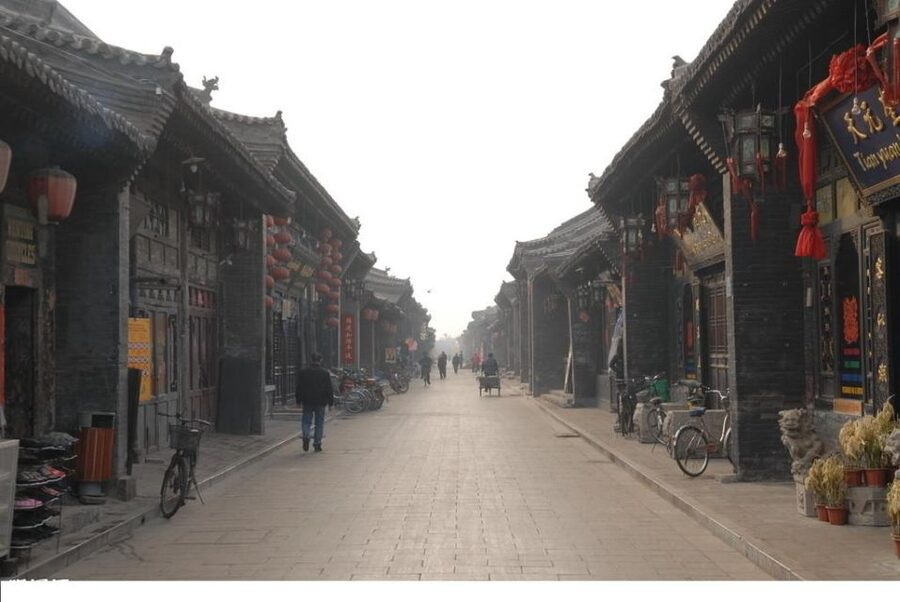
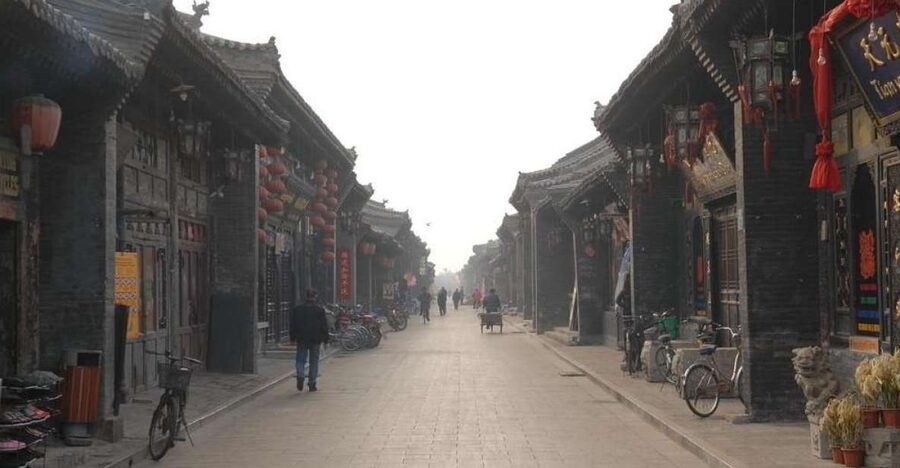
- Ming and Qing Street: Walk preserved traditional streets and shops built in the Ming-Qing style using bricks and stone.
- Pingyao Confucian Temple: Follow the path tied to imperial examination culture, including how top scholars (zhuangyuan) would pass.
A full-day Pingyao walk that actually makes sense
Pingyao is UNESCO-listed and famous for being one of the best preserved ancient cities in the world. That alone makes it worth visiting. What makes this tour smart is the pacing: you spend real time on the streets and at the key institutions that shaped life in the Ming and Qing eras. You’re not trying to cover everything with guesswork. You’re getting a guided route that helps you connect the dots between commerce, law, education, and daily housing.
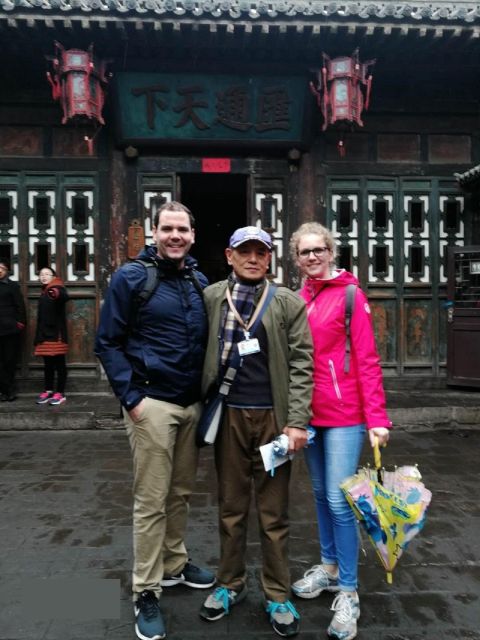
This is a private group tour for up to six people, so you get a steadier flow and less waiting than big group formats. Your guide will meet you at your Pingyao hotel lobby if you’re staying inside the ancient city. If your hotel is outside the walls, you’ll simply meet inside the old town instead. That flexibility matters in Pingyao, where lodging options can be inside or just beyond the historic core.
The tour runs about 8 hours total, with around 6 hours devoted to sightseeing. That’s a good length for a walking day because it gives you time to absorb architecture and stories without feeling like you’re sprinting between photo stops. And the tour includes an English-speaking guide (some guide language support also includes Chinese), which is a big deal when you’re trying to understand symbolism and historical context in Chinese sites.
How pickup and routing make your first hours easier
Pingyao can feel like a maze if you’re walking on your own—narrow lanes, courtyards, and turning points that look similar. The pickup plan reduces that stress immediately. If you’re staying in the ancient city, your guide meets you right in the lobby. If you’re outside the walls, you don’t have to navigate to a specific departure gate alone. You meet inside the old town and get started from there.
In practical terms, it means you lose less time to figuring out where you should be at what moment. The tour is designed so the walking flow builds: walls first for orientation and scale, then major institutions and preserved streets as you learn how the city functioned.
Also, the guide helps with logistics like entrance tickets. Tickets aren’t included in the price, but having support on-site saves you from the common pain of standing in line while your trip window ticks away.
The city wall: why this viewpoint is more than a photo stop
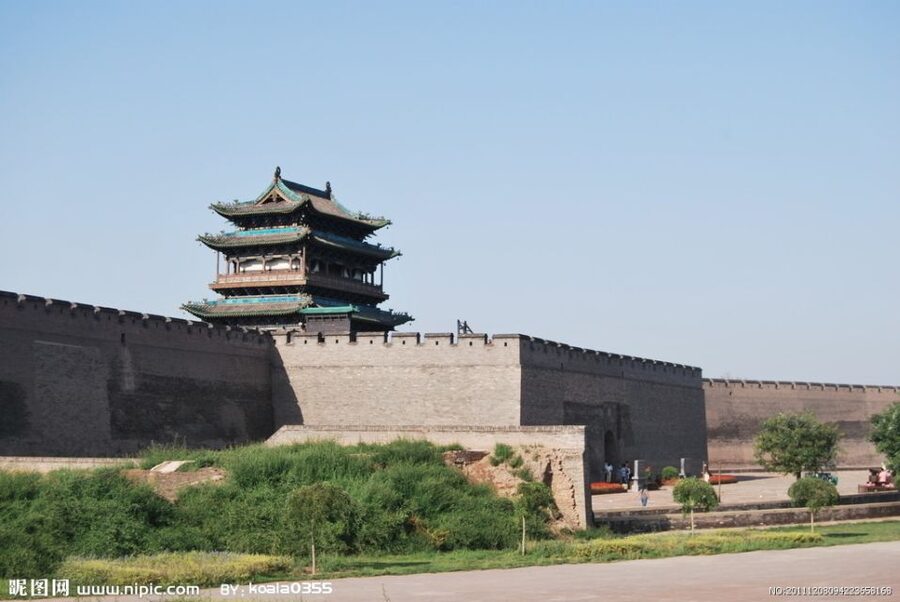
One of the best ways to understand Pingyao is to see it from above. The tour includes time along the Pingyao Ancient City Wall, built using bricks and stones. Walking sections of the wall matters because you get a moving perspective: tiled rooftops spread outward and you can look down into domestic courtyards.
That “from wall to street to courtyard” progression is one of the reasons I’d choose a guided walk here. Without that framework, the city looks beautiful but confusing. With it, you start noticing how the low-rise housing sits inside defensive infrastructure, and how the city’s layout supports its identity as a protected, orderly commercial hub.
You’ll also pick up a sense of why low buildings mattered. From the wall, you can see how most historic structures are modest in height, which keeps the city’s proportions cohesive and makes the rooftops a defining feature.
Rishengchang Exchange Bank: commerce explained in real space
Pingyao is linked to banking and trade, and the tour takes you to the Rishengchang Exchange Bank, described as the first exchange bank of China. That’s more than a credential you read on a sign. It’s a chance to understand how financial systems connected the city to broader commercial networks.
When you stand in a place tied to exchange and remittance, the stories make more sense. Your guide helps connect the architecture and institutional role to how traders operated and how money moved safely. You’re not just visiting a building; you’re learning the logic behind Pingyao’s rise and endurance.
This stop also sets you up for the next theme: government authority and public order.
Pingyao’s armed escort history at the Ancient Security Guard Company
Next comes the Ancient Security Guard Company, known for being the only private organization of armed escort in Pingyao’s history and among the best known during the Ming and Qing dynasties. In other cities, you might see military structures that are state-run. Here, you get a more nuanced view: private security as part of a trading ecosystem.
That matters because it reflects how risk was managed. Merchants didn’t just need markets—they needed protection during transport and transactions. A guide’s context helps you understand why a security organization belonged inside the city’s historical story, not just in a museum somewhere far away.
The Yamen Pingyao Ancient Government Buildings: where power lived
The Yamen Pingyao Ancient Government Buildings is one of the tour’s biggest learning stops. A yamen was a country government office, and the one in Pingyao dates from 1346 during the Yuan Dynasty. This particular complex previously housed the magistrate sent to act as mayor, judge, and senior official for Pingyao.
What makes this visit special is the scale and layout. You enter through a ceremonial gate and explore a complex that had over 300 rooms. That includes offices, court spaces, meeting rooms, residential areas, a garden, and even a prison. That combination—work, living, administration, and punishment—helps you grasp how government functioned as part of daily reality, not something distant.
If you like architecture that shows systems working—like how courtyards and rooms reflect organization—this is a must. You’ll come away understanding why “government building” doesn’t mean one building. It means a whole working environment for authority.
Ming and Qing Street: living architecture you can actually walk through
After the formal power sites, the tour moves to the human-scale streets: Ming and Qing Street. This is where traditional shops and houses are still well preserved, built with bricks and stones in Ming and Qing architectural styles.
Walking this street is a reminder that history isn’t only temples and walls. It’s also storefront design, alley proportions, and how trade and residence mixed in the same urban fabric. If you’re hoping to feel what the old rhythms were like, this stop gives you that contrast—old construction methods beside modern life you can see in your peripheral vision.
This is also the part of the day where you’ll likely slow down for photos. The preserved shopfronts and stone-based building style can be dramatically different from what you see in newer Chinese cities.
Pingyao Confucian Temple: the exam culture path
The Pingyao Confucian Temple focuses on intellectual life, and the tour points out its sophisticated layout. If you want the emotional sense of what the place meant to scholars, the key idea is the route tied to imperial examinations.
Your guide shows you the path along which the No. 1 scholars of annual imperial examinations—known as zhuangyuan—once marched past. That detail turns the site from a quiet building into a stage for status, study, and public recognition.
Even if you don’t know the exam system deeply, the guide’s explanation helps you connect Confucian learning to how social mobility worked in those centuries. It’s one of those stops where a little context changes everything you see.
Yamen, temples, banks, and streets: how the day connects
The smart thing about the tour is the order. You start with orientation and structure (the wall), then move into institutions that shaped the city (banking, escort security, government administration, education). Finally, you end in preserved commercial streets and residential-era architecture.
As you walk, the courtyard houses, narrow streets, and small shops help create a complete picture of cultural and social life from the period. Without that sequencing, you might remember individual sights but miss how they fit together as a living system.
That’s also why the guides matter. The tour’s format attracts people who enjoy explaining details clearly—whether it’s architecture symbolism, city layout logic, or the personalities tied to Pingyao.
Guides you’ll want: English support that helps beyond the monuments
From the experience feedback, a theme comes through: the guides don’t just recite facts. They help you navigate the day. I especially like that guides have helped with practical items like getting the right tickets for other activities while also staying attentive about timing, photo stops, and breaks.
You might encounter guides such as Lisa, Grace, Mike, Leo, Johanna, or Joanna. The common thread is solid English plus thoughtful explanations. One guide even helped guests coordinate meeting up smoothly with the guide in advance, and another was flexible about pausing for photos and rest when needed.
If you’re the type who likes to ask questions—about why a building is arranged a certain way or what a term means—this style of guiding is a good match.
Value and price: what $229 buys you (and what it doesn’t)
The price is $229 per group, up to six people. That matters because it’s not $229 per person. For many families and small groups, this can be a strong value compared with per-person guided tours.
But there are two key cost reminders:
- Admission tickets are not included, and the listed figure is 125 RMB per person (children pay half; the tour guide is free).
- Meals and transfers are not included.
So the value equation is simple: if you’ll actually use a guide to cover the main Pingyao sites in one day and want English support, you’re paying for time saved and understanding gained. If you already plan to pay admissions anyway and you’re comfortable navigating on your own, the gap between guided and self-guided gets smaller. The tour is best when you want your time converted into meaning, not just movement.
What to do on your own time around the tour
The tour returns you to Pingyao after about 8 hours. That’s a useful rhythm because you can plan dinner right afterward while things are still fresh in your head.
Since meals aren’t included, I’d treat this like a “big sight day” and plan a calm meal afterward. You’ll likely have built up walking energy, and you’ll appreciate having time to sit and process what you saw—especially if you focused on the wall and larger institutional sites.
Who this tour is best for
This is a great fit if:
- You want a guided way to understand Pingyao quickly.
- You like architecture with a purpose—walls, courtyards, and government layouts.
- You appreciate English explanations that connect sites to how people lived.
It may be less ideal if:
- You’re on a tight budget and want to minimize extra spending beyond your own admissions.
- You don’t want to walk much. This is a walking day, and the emphasis is on covering key areas on foot.
Should you book this Pingyao Ancient City Full-Day Walking Tour?
Yes, I’d recommend booking if you want the most coherent, least-stress way to see Pingyao’s core institutions and preserved streets in one day. The combination of city wall orientation, the bank and government story, and the Confucian exam path gives you a full picture of why Pingyao matters—not just what it looks like.
If you’re the kind of traveler who enjoys clear explanations, photo stops, and thoughtful pacing, this private format is hard to beat. If you’re comfortable buying tickets on your own and navigating without support, you could self-tour. But you’ll lose the connective tissue—the why behind the buildings.
FAQ
How long is the Pingyao Ancient City Full-Day Walking Tour?
The tour lasts about 8 hours total, with around 6 hours of sightseeing.
Is hotel pickup included?
Yes. Your English-speaking guide picks you up from your hotel lobby in Pingyao if you’re staying inside the ancient city. If your hotel is outside the ancient city, you’ll meet inside the old town instead.
Are entrance tickets included in the tour price?
No. Admission tickets cost 125 RMB per person (children pay half price; the tour guide is free). The guide helps you buy the tickets on the tour day.
Are meals included?
No. Meals are not included.
What does the tour cover?
It focuses on major Pingyao sites including the Ancient City Wall, Rishengchang Exchange Bank, Ancient Security Guard Company, Yamen Pingyao Ancient Government Buildings, Ming and Qing Street, and the Pingyao Confucian Temple.
Is this tour private or shared?
It’s a private group tour (up to 6 people), with an English-speaking guide.