Seven towers, mosaics, and Roman walls in one day. This private Roman Byzantine route strings together key sights that most people miss—plus you get panoramic views from places like Yedikule.
I especially like two things. First, the focus on art and faith at Chora Museum, where mosaics and frescos cover almost everything you look at. Second, the feel of a day that’s guided, not rushed—your licensed guide can slow down for questions and even use digital photos on an iPad to point out details.
One thing to plan for: the big museum stops aren’t included. Museum entrance fees (notably around €25 per person) and transport costs add up, and the full route can stretch close to 6–8 hours of walking and standing.
In This Review
- Key things that make this Istanbul Roman-Byzantine tour worth your time
- What this tour gets right about Roman and Byzantine Istanbul
- Starting at Sirkeci: a smooth launch for a long, layered day
- Yedikule Castle of the Seven Towers: views with a real imperial storyline
- Mevlanakapı Roman walls: walking through the scale of defense
- Chora Museum (Kariye Camii): mosaics and frescos that teach you to look
- Tekfur Sarayı: seeing the imperial palace from the outside, then deciding inside
- Fatih Mosque complex: where conquest, Roman titles, and Christian memory overlap
- Valens Aqueduct (Bozdogan Kemeri): 4th-century water engineering in stone form
- Zeyrek Mosque: Byzantine and Ottoman layers after earthquakes and fires
- Price and logistics: what $120 covers and what you should budget for
- What it feels like day-to-day: pacing, questions, and the guide’s visual aids
- Who this tour is best for (and who might want something different)
- Should you book Roman Byzantine Heritage of Istanbul?
- FAQ
- What’s the duration of the Roman Byzantine Heritage of Istanbul tour?
- How much does the tour cost?
- Is the tour offered in English?
- What’s included in the price?
- Are museum entrance fees included?
- Where does the tour start and when?
- What if the weather is poor?
- Is free cancellation available?
Key things that make this Istanbul Roman-Byzantine tour worth your time
- Chora Museum’s mosaic-and-fresco “visual storytelling” takes center stage
- Yedikule’s Seven Towers gives you an Istanbul viewpoint with real Roman-to-Ottoman context
- Mevlanakapı walls show Roman engineering in a big, still-monumental way
- A private guide keeps the pace flexible to your interests and energy
- Small, high-value stops like Tekfur Sarayı and the Valens Aqueduct fill in the gaps
What this tour gets right about Roman and Byzantine Istanbul
Istanbul is famous for empire after empire—but most highlights stop at a few big names. This experience works because it links the Roman foundation and the Byzantine layer that followed, then shows you how the Ottoman period reused (and re-framed) those same spaces.
You’ll spend your day in the Fatih area, where stone walls, churches turned mosques, and palace fragments help you see how Constantinople evolved. It’s not just sightseeing. It’s pattern-spotting: where power stood, where water moved, where worship happened, and how architecture survived earthquakes, fires, and time.
And the “private” part matters. A group tour often forces you to accept a script. Here, your licensed guide is there to adjust the pace, based on your interest level and comfort with walking.
You can also read our reviews of more tours and experiences in Istanbul.

Starting at Sirkeci: a smooth launch for a long, layered day
The meeting point is Merhaba Pastaneleri Sirkeci (Hoca Paşa, Ankara Cd., Fatih/İstanbul), with a 9:00 am start. The day ends back at the meeting point, so it’s easy to keep your plans simple on the back end.
This is designed for people who can handle a long morning-to-afternoon stretch. Duration runs about 6 to 8 hours, and the route blends walking with short rides when needed. Public transport costs aren’t included (about €3 per person), but the tour is near public transportation, so you’re not stuck in the middle of nowhere.
One practical bonus: the tour uses a mobile ticket, so you’re not scrambling with paper confirmations or screenshots. Also, it’s offered in English, which makes a big difference when the guide starts connecting symbols, dates, and building materials.
Yedikule Castle of the Seven Towers: views with a real imperial storyline
Your first major stop is Yedikule (Castle of the Seven Towers). The site has had multiple identities over time—once tied to the Roman Golden Gate and later known as the Ottoman Seven Towers. That historical “name shifting” matters because it tells you that this was a critical gateway, not a random fortress corner.
Plan on about one hour here. You’ll also have the best excuse in Istanbul to look outward: the towers are built for defensive reach, so the views help you understand how the city was protected and approached. The admission ticket isn’t included, so budget separately for this stop.
If you’re a photo person, this is a strong first act. Early in the day, the light can help you see structure lines—arches, tower silhouettes, and the way the walls sit against the city.
Mevlanakapı Roman walls: walking through the scale of defense
Next comes Mevlanakapı, one of the best-preserved examples of the Roman walls along this route. Roman-era fortifications here were described as among the largest and most complex urban defenses of their time—and you can still feel that scale on site.
This stop is about one hour, and admission is free. That makes it one of the best “bang for your budget” parts of the day. More importantly, it changes how you look at Istanbul. After you see wall thickness, openings, and the sheer footprint, many other city sights start making more sense.
I like pairing this with the later religious sites because the walls give you a background “security map.” You start to understand why churches, palaces, and major mosques ended up where they did.
Chora Museum (Kariye Camii): mosaics and frescos that teach you to look
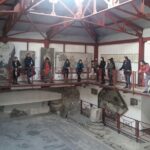
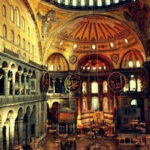
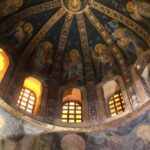
Then you hit the art-lovers’ target: Chora Museum. This is one of the top Byzantine sights in Istanbul, and the reason is simple. It’s decorated—almost completely—with mosaics and frescos, covering scenes and biblical storytelling in visual form.
You’ll spend around one hour here, and museum admission isn’t included. This is also one of the places where a good guide makes the visit feel richer. Instead of wandering in silence, you get pointers on what to notice: repeated themes, the way figures are composed, and how the artwork supports the religious meaning.
A smart tip: plan for sitting and standing. You can’t absorb mural-scale art at full speed. Let the time stretch. If your feet are getting tired, ask your guide to focus the next 15 minutes on a specific section so you still leave with the key takeaway.
Tekfur Sarayı: seeing the imperial palace from the outside, then deciding inside
Tekfur Sarayı is next, with a 30-minute stop. The building was once the palace of Roman emperors. Even though parts of the interior have been reconstructed and turned into a museum, the exterior still holds onto the palace’s character.
Here’s the practical angle: the tour plans to examine the building mainly from the outside, but you can also visit the inside if you prefer. Admission isn’t included, so you’ll need to treat this as a potential add-on.
This is a good break after Chora. You’ve had intense art focus; now it’s structure and shape. Look at the building like a shell—windows, masonry rhythm, and how the palace fits into the surrounding area. Even with only outside viewing, you’ll learn a lot.
Fatih Mosque complex: where conquest, Roman titles, and Christian memory overlap
The tour then moves to the Fatih Mosque and Complex. The mosque was built by Sultan Mehmed, the conqueror of Constantinople—also known for the title that linked him to Caesar of Rome. That connection isn’t just a trivia line; it’s part of why this site feels like a bridge between worlds.
This stop is about one hour, and admission is free. You’ll also see the Sultan’s tomb located in the courtyard. From an interpretation standpoint, this is where you start to notice how power rebrands itself: one era’s sacred space and political story gets reframed through another era’s language and architecture.
One logistics note: mosque timing can matter due to prayer schedules. In at least one guided experience like this, the schedule was adjusted to reach some mosques around those times. If you’re planning your photos carefully, keep some flexibility.
Valens Aqueduct (Bozdogan Kemeri): 4th-century water engineering in stone form
Next is the Valens Aqueduct (Bozdogan Kemeri). This is a free stop and takes about 30 minutes. It once supplied water as part of one of the longest Roman water networks, and the surviving structure still looks monumental.
Why it’s valuable: it’s not decorative. It’s infrastructure. When you’re used to thinking of Istanbul as purely about palaces and mosques, an aqueduct reminds you the city was built to function—water first, then everything else.
This is also a mental reset in the day. You get a short stop with a clear visual subject. Look at how the arches rise and how the structure holds shape over distance. It’s a different kind of “Byzantine to Ottoman” story: time survived because it worked.
Zeyrek Mosque: Byzantine and Ottoman layers after earthquakes and fires
For the final big sight, you’ll visit Zeyrek Mosque. The building dates to the 12th century and reflects a blend of Byzantine and Ottoman art within its walls. It has also been damaged by earthquakes and fires, so what you see today includes survival and repair—not just original creation.
This stop is about one hour and free. You’ll also get another Istanbul viewpoint; the surrounding area offers a panorama that helps connect the buildings to the urban layout.
If you want a takeaway for the whole day, make it this: Istanbul’s layers aren’t clean or museum-neat. They’re scarred, rebuilt, and still used. Zeyrek shows that continuity better than most postcard-famous monuments.
Price and logistics: what $120 covers and what you should budget for
At $120.00 per person, this tour is priced as a private, guided day across several key sites. The guidance itself is included: professional licensed tourist guidance plus the mobile ticket and group discounts.
What’s not included matters for budgeting:
- Museum entrance tickets are not included, listed at €25.00 per person
- Lunch is not included
- Public transportation is not included, listed at €3.00 per person
So the true “all-in” cost is roughly the base fee plus those add-ons. Even with that, the value can still be strong if you care about the full Roman-to-Byzantine arc. You’re paying for interpretation and pacing across multiple high-impact sites, not just for someone to walk you between stops.
Lunch is your flexible variable. In guided days like this, the guide often helps with food choices and suggestions for a local sweet afterward, and you might even end up trying something like chicken döner/dürüm alongside Turkish tea. (Your guide can help you pick what fits your tastes and timing.)
What it feels like day-to-day: pacing, questions, and the guide’s visual aids
This is the part you can’t fully see on a brochure. A recurring theme in guided experiences like this is that the guide doesn’t treat the day like a checklist.
If your guide is Ünsal, expect very detailed explanations, plus a teaching style that matches your interest level. In the experiences described, the guide used an iPad with reference photos to show how things looked before damage and how to spot design details you’d miss on a first pass.
That approach changes your attention span. You stop seeing a building as a “pretty backdrop.” You start seeing it as a document—dates, materials, artistic choices, and political symbolism written in stone and tile.
Who this tour is best for (and who might want something different)
I’d send you on this if you:
- love Byzantine art and want to spend time in Chora
- like Roman engineering clues, not just big church exteriors
- want a route that connects sites in one district, with a guide who can tailor pace
- plan to return later to Istanbul and want a deeper second or third-day experience
You might choose a different option if you:
- want a shorter, lighter afternoon with fewer stops
- don’t want to deal with any extra entrance costs
- prefer strict fixed schedules with no flexibility for prayer times or your questions
The tour length and walking mean it’s best when you’re ready to spend a good chunk of your day fully in “Istanbul mode.”
Should you book Roman Byzantine Heritage of Istanbul?
Yes—if you want your Istanbul to feel layered, not generic.
Book it if mosaics, walls, and empire-crossing stories are your thing, and you’re comfortable with a day that can run close to 8 hours. The private format and the guide’s detail level are the real value drivers here.
Hold off if you only have limited time, hate museum ticket add-ons, or prefer a slower, less structured experience. In that case, a shorter highlight tour might fit better.
If you do book, do yourself a favor: wear comfortable shoes, plan for paid museum stops, and treat the day like a guided lesson. That’s how you get the most out of every tower, arch, and mosaic.
FAQ
What’s the duration of the Roman Byzantine Heritage of Istanbul tour?
The tour runs about 6 to 8 hours.
How much does the tour cost?
The price is $120.00 per person.
Is the tour offered in English?
Yes, it’s offered in English.
What’s included in the price?
Included: professional licensed tourist guidance service, group discounts, and a mobile ticket.
Are museum entrance fees included?
No. Entrance tickets to museums are listed as €25.00 per person. Some stops are free, but paid museum sites are not included.
Where does the tour start and when?
It starts at Merhaba Pastaneleri Sirkeci (Hoca Paşa, Ankara Cd., 34112 Fatih/İstanbul) at 9:00 am and ends back at the meeting point.
What if the weather is poor?
The tour requires good weather. If it’s canceled due to poor weather, you’ll be offered a different date or a full refund.
Is free cancellation available?
Yes. You can cancel up to 24 hours in advance for a full refund.