REVIEW · KOCHI
Fortkochi Heritage Walking tour with a local guide
Book on GetYourGuide →Operated by Biju's Tours · Bookable on GetYourGuide
Old Kochi talks when you have the right guide.
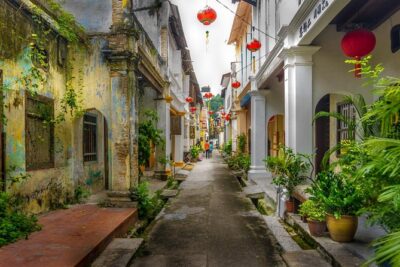
This Fort Kochi heritage walk turns ordinary streets into story lanes, with a local storyteller born and raised in the old town weaving Arab, Chinese, Portuguese, Dutch, and British influences into what you see. You’ll also get practical access to working corners of Kochi, not just photo spots, plus a route that links the spice trade to daily life.
I especially love the way the tour pairs spice-trade legacy with hands-on food craft stops like papadam and candle-making. I also like that you don’t just read plaques—you hear connections, like how ginger moved through warehouses and how colonial-era buildings still shape the neighborhoods.
One thing to consider: it’s a walking-focused experience (about 3 to 3.5 hours of walking), and afternoon heat can be rough in warmer months. If you’re sensitive to humidity, plan your time carefully and bring the gear.
In This Review
- Key things that make this tour worth your time
- A 3-hour loop through Fort Kochi, Mattancherry, and Jew Town
- Meeting Kashi Art Café and getting your bearings fast
- The storyteller angle: why it feels different from a standard walk
- Fort Kochi streets: colonial-era buildings and the spice crossroads
- Ginger warehouses and Kochi’s spice processing legacy
- Papadam and candle-making: crafts that keep working
- Dhobi Khana laundry: seeing daily life up close
- Chinese fishing nets: what to watch for and why it matters
- Dutch Palace and the freedom fighters’ jail: colonial power and resistance
- Jew Town and Paradesi Synagogue: a quiet chapter with real meaning
- The short tuk-tuk rides: when they help and when you should prepare
- What you get for $25: value that’s more than the price tag
- Who should book this tour (and who shouldn’t)
- Timing strategy: pick your departure for comfort
- Quick practical checklist before you go
- Should you book this Fort Kochi heritage walking tour?
- FAQ
- How long is the Fort Kochi heritage walking tour?
- Where do I meet the guide?
- Is entry to the Dutch Palace included?
- Is Paradesi Synagogue entrance included?
- How much of the tour is walking?
- What should I wear or bring?
- Is the tour suitable for people with mobility issues?
Key things that make this tour worth your time

- Old Kochi-born storytelling that explains why buildings, foods, and street habits look the way they do
- Spice trade in real places, including ginger warehouses and processing-area stops
- Working artisan moments: papadam-making, candle-making units, and laundry life at Dhobi Khana
- Colonial landmarks with context, from the Dutch Palace area to Portuguese-style church zones
- Jew Town access, including the Paradesi Synagogue stop when open
A 3-hour loop through Fort Kochi, Mattancherry, and Jew Town

This is a short, focused heritage route that makes it easy to see a lot without feeling trapped in a museum. In about three hours, you cover Fort Kochi, Mattancherry, and Jew Town, where street-level details help explain the bigger history of Kochi.
What I like most for your planning is the rhythm. You get walking time, plus short tuk-tuk rides to cover ground and keep the tour moving. That mix matters in Fort Kochi, where some streets are slow-going and others are worth seeing without you burning energy.
You can also read our reviews of more tours and experiences in Kochi.



Meeting Kashi Art Café and getting your bearings fast
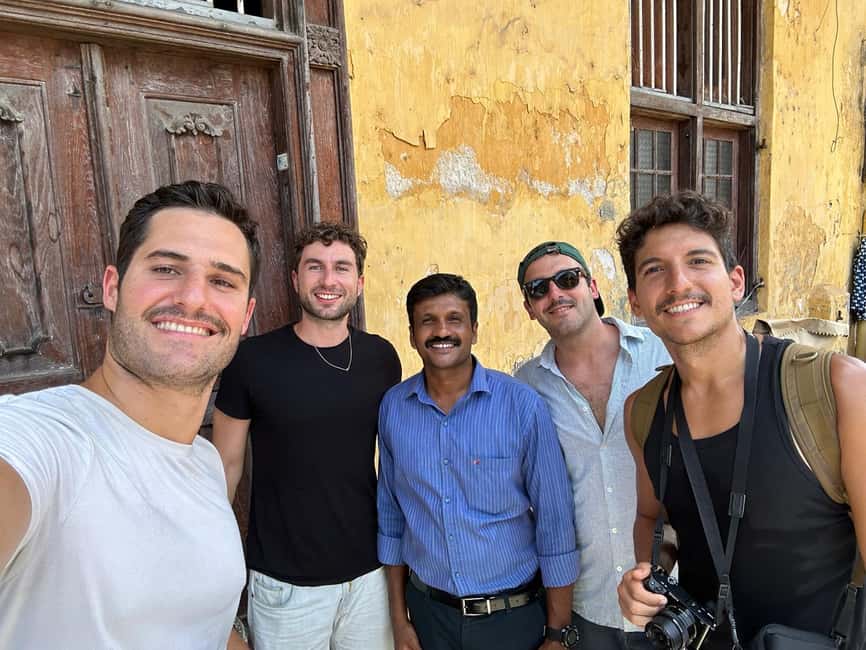
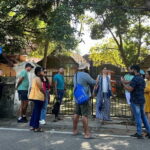
You’ll meet your guide in front of Kashi Art Café on Burger Street, Fort Nagar, Fort Kochi (your guide may message details by WhatsApp or email before you go). Show up about 10 minutes early—your guide will ask your name and confirm your group before you set off.
A small but smart tip: bring those items listed for the weather and streets. Comfortable shoes are non-negotiable here, and the tour explicitly recommends sunglasses, hat, umbrella, sunscreen, insect repellent, and a scarf. The clothing rules also matter—skip short skirts and sleeveless shirts, especially around heritage and synagogue areas.
The storyteller angle: why it feels different from a standard walk
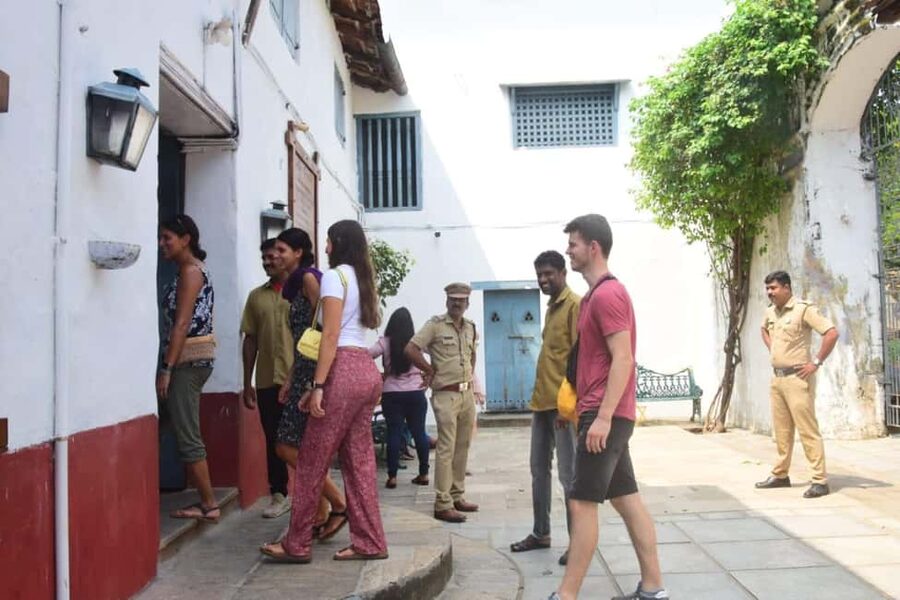
This tour is led by a local storyteller, and on many departures the guide is named Biju. The point isn’t celebrity-guide energy. It’s that the stories come from someone who knows the streets as everyday places, not just heritage scenery.
The tour’s big promise is getting you beyond the obvious sights by explaining the layers of Kochi’s global connections. You’ll hear how Arab, Chinese, Portuguese, Dutch, and British influences shaped architecture, cuisine, and customs—then you’ll see those influences in the neighborhood layout and landmarks as you walk.
And you’ll notice something practical: the guide’s stories help you read the city. A church façade stops being decoration and becomes a clue. A street corner stops being a background and becomes a chapter.
Fort Kochi streets: colonial-era buildings and the spice crossroads
In Fort Kochi, you’re not just passing pretty streets. You’re walking through zones that historically served as meeting points between trade and empire. Expect to stand in the shadow of colonial-era structures—Portuguese-style churches are part of the visual story—and get the context that usually gets missed when you wander alone.
This is also where the tour’s theme starts to feel real. Kochi’s role in the spice trade wasn’t abstract. It shaped movement, storage, processing, and who lived where. The route ties those threads together, so you understand why some areas feel more commercial, while others feel more neighborhood-focused.
Ginger warehouses and Kochi’s spice processing legacy
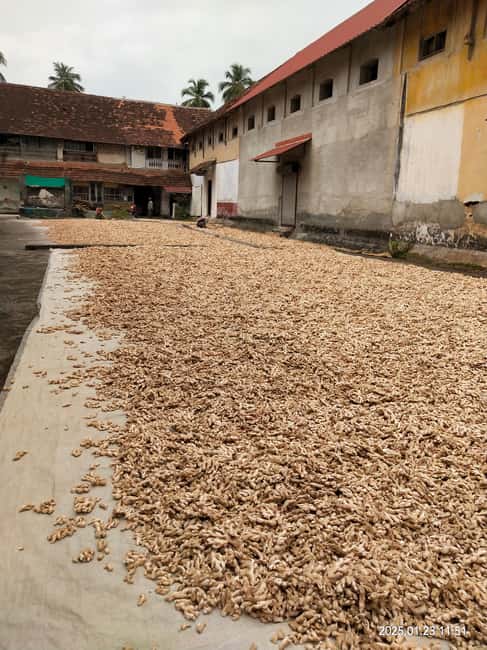
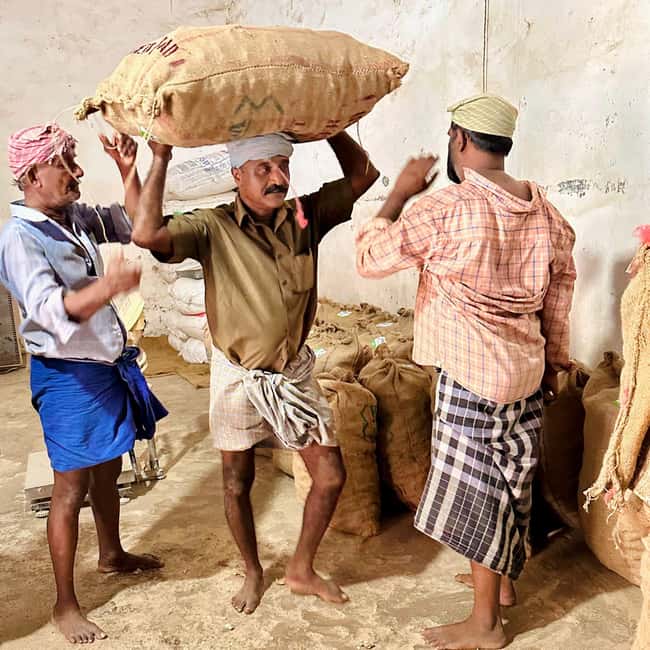
One of the most useful parts of the walk is how it connects “spices” to actual storage and processing spaces. You’ll visit spice-related stops, including ginger warehouses and spice trade-linked areas tied to processing.
This is valuable for two reasons. First, it turns a famous product into a local system. Ginger becomes a chain: sourcing, warehousing, processing, and trade routes. Second, you’ll see that spice knowledge in Kochi isn’t just about cooking. It’s about logistics and labor.
If you love food culture, this section is where you’ll start making mental links fast. You’ll understand why certain ingredients show up in local cooking and why the city built infrastructure to support trade.



Papadam and candle-making: crafts that keep working
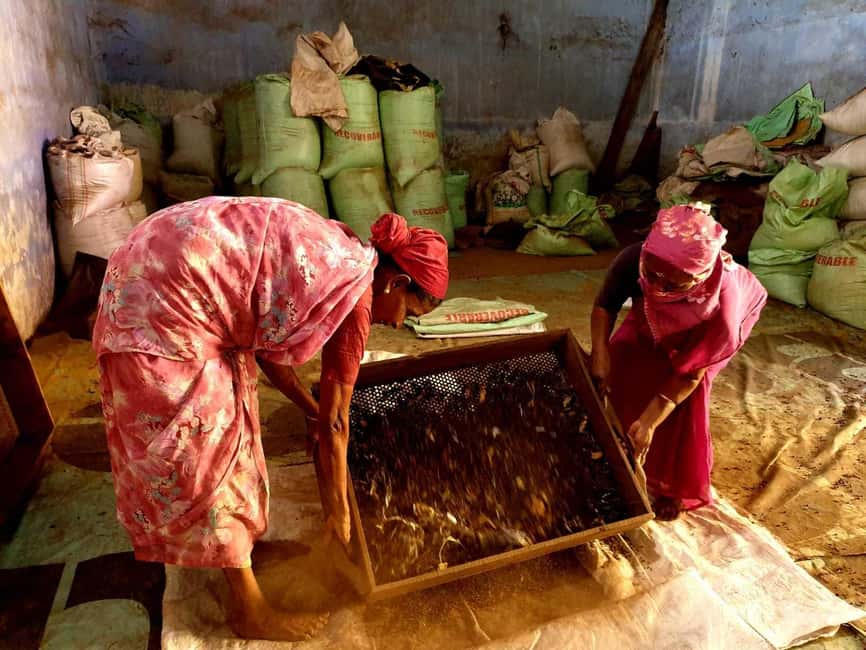
The tour includes stops at traditional artisan units, including papadam-making and candle-making. These are short stops, but they’re powerful because they show continuity—crafts that match the rhythms of Kochi rather than turning into pure tourist theater.
For you, this is the difference between eating your way through a place and seeing how food and daily life are produced. Papadam isn’t only a snack. It’s a local practice that reflects household needs, storage, and seasonal cooking. Candles connect to older styles of commerce and ritual life, and they also help you understand how materials and skills travelled with communities.
The practical side: these artisan stops are not “watch for 20 minutes and leave.” You’ll get enough context to notice what you’re looking at, and you’ll know what questions to ask as you move on.
Dhobi Khana laundry: seeing daily life up close
A highlight is the visit to Dhobi Khana—the open-air laundry area that reflects how everyday work still happens in Old Kochi. You’ll see daily routines and get local commentary about how this kind of work fits into the city’s layout and history.
I like this stop because it grounds the whole tour. You can’t treat Kochi as only a colonial postcard when you’re standing in a place where people work and talk like anywhere else. It brings the city back to the present without losing the historical thread.
One note: you may see active work areas and people moving around. Wear comfortable shoes and keep your pace flexible. This is a working neighborhood stop, not a staged viewing platform.
Chinese fishing nets: what to watch for and why it matters
You’ll also get to see the Chinese fishing nets in action at close range. These nets aren’t just a photo cue; they’re a clue about Kochi’s long exchange with maritime communities.
When you watch, focus on timing and technique, not just the nets themselves. You’ll notice how the nets are used, how the shore area supports the work, and how the environment shapes daily fishing rhythms. The tour’s storytelling helps you connect the visual to the historical context behind it.
Dutch Palace and the freedom fighters’ jail: colonial power and resistance
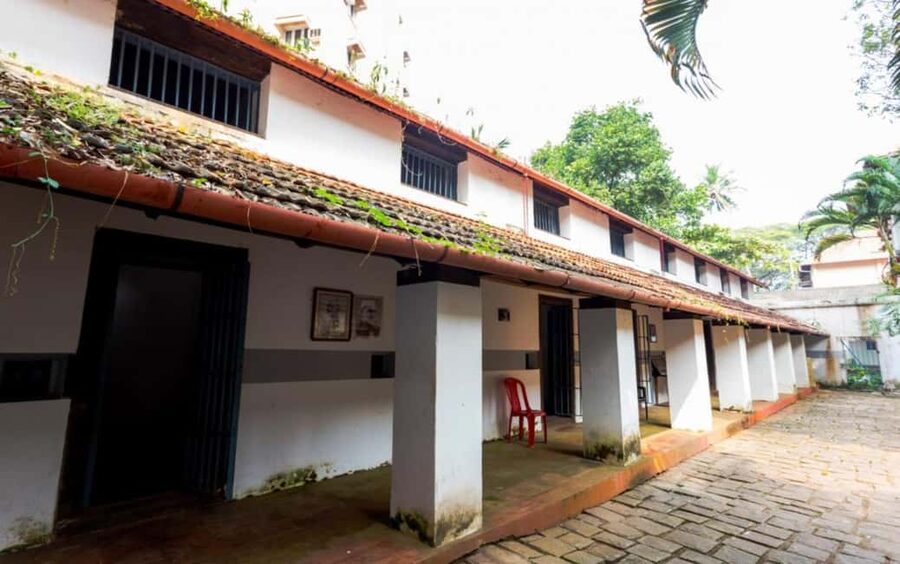
In Mattancherry, the tour includes entry to the Dutch Palace (Mattancherry Palace). You’ll also visit the freedom fighters’ jail if it’s opened. These stops give you a more complete picture of colonial rule—power wasn’t only architectural, it was political, and it created backlash.
The Dutch Palace stop is particularly useful for your understanding because it helps explain why European presence shows up in government-style buildings and how that presence influenced the city’s administrative identity. The freedom fighters’ jail adds an emotional contrast: the same spaces tied to colonial control also link to the independence struggle.
A timing heads-up: the Dutch Palace is closed on Fridays. If you’re booking for a Friday, plan on alternate sights instead.
Jew Town and Paradesi Synagogue: a quiet chapter with real meaning
Jew Town is where Kochi’s multicultural identity feels concrete. You’ll visit the Paradesi Synagogue and hear stories connected to the oldest Jewish community in India and their relationships in the area, including ties with the royal family of Kochi.
Even if you’ve read about Jewish history before, a guided stop helps because you’re not just looking at religious architecture. You’re learning how communities lived alongside each other in this city. The tour frames it as coexistence and connected relationships rather than isolated history.
Important: Paradesi Synagogue is closed on Friday afternoon, Saturdays, and on Jewish holidays. On those days, you’ll get alternate sights instead.
The short tuk-tuk rides: when they help and when you should prepare
This is a walking tour combined with short tuk-tuk rides. That means you’ll cover some distance without walking every single meter, but you should still expect a lot of time on your feet. The tour notes walking comfort for 3 to 3.5 hours total.
This matters if you’re deciding on shoes, stamina, and sun protection. If you’re planning a hot-afternoon departure, consider bringing that umbrella and using shade when you can. The timing note from a past booking also makes sense: 2pm to 5pm can be incredibly hot and humid in February, so earlier tends to feel easier on your body.
What you get for $25: value that’s more than the price tag
At $25 per person for a ~3-hour guided walk, the value comes from the mix. You’re not only paying for direction. You’re paying for context—spice trade connections, colonial-era explanations, and working-life stops like papadam-making and Dhobi Khana laundry.
You’re also getting access support: Dutch Palace entry is included, and there’s skip-the-ticket-line help. You’ll visit multiple artisan and spice-related areas that many people would otherwise miss because they aren’t on the typical checklist.
That said, it’s wise to know what isn’t included. Synagogue entrance fees are not included, and lunch or snacks aren’t included. If you plan to buy spices or souvenirs at artisan stops, that’s extra, and you’ll want to budget for it.
Who should book this tour (and who shouldn’t)
This tour fits best if you like city history that shows up in daily life—food crafts, neighborhoods, and the practical details of how people work. It’s also a good match if you enjoy walking with a guide who tells stories rather than just listing facts.
Family-friendly note: it’s suitable for children aged 6 and above, as long as they’re accompanied by an adult.
It’s not recommended for people with limited mobility, severe back problems, heart conditions, wheelchair users, or pregnant women. If any of those apply, you’ll likely be happier with a less walking-heavy plan.
Timing strategy: pick your departure for comfort
If you have the choice, I’d lean toward a cooler part of the day. The tour explicitly warns about heat and notes that some timing can feel intensely hot and humid in February. You’ll walk long stretches, so your weather tolerance matters.
Also, watch the calendar. Dutch Palace closure on Fridays and Paradesi Synagogue closures on certain days can change what you see. The tour says alternate sights are included, but it’s still helpful to choose days based on what matters most to you.
Quick practical checklist before you go
Bring:
- Comfortable shoes
- Sunglasses, hat, umbrella, sunscreen
- Insect repellent and a scarf
Wear:
- No short skirts, no sleeveless shirts
And keep your pace flexible. This walk combines heritage and everyday Kochi life, so you’ll move through busy streets and active areas.
Should you book this Fort Kochi heritage walking tour?
Yes, if you want a guide-led walk that connects Kochi’s global influences to real places: spice warehouses, spice processing legacy, papadam and candle-making stops, laundry life at Dhobi Khana, and the big architectural markers like Dutch Palace. The storytelling style, plus access to Dutch Palace and the freedom fighters’ jail when open, is a strong package for the price.
Skip it (or choose a different format) if long walking time, heat, or mobility limitations are deal-breakers for you. And if you care most about the synagogue, double-check the day you’re booking because Paradesi Synagogue has specific closure times and alternate sights apply.
If you’re the kind of traveler who likes understanding a city by following how people built, traded, cooked, and worked, this is a smart use of a half-day in Kerala.
FAQ
How long is the Fort Kochi heritage walking tour?
The tour lasts about 3 hours.
Where do I meet the guide?
Meet your guide in front of Kashi Art Café, Burger Street, Fort Nagar, Fort Kochi, Kerala 682001, India. You should arrive about 10 minutes early.
Is entry to the Dutch Palace included?
Yes. Entry to Dutch Palace (Mattancherry Palace) is included.
Is Paradesi Synagogue entrance included?
No. Synagogue entrance fees are not included.
How much of the tour is walking?
It’s mainly a walking tour with short tuk-tuk rides. You should be comfortable walking for about 3 to 3.5 hours.
What should I wear or bring?
Wear comfortable shoes and avoid short skirts or sleeveless shirts. Bring sunglasses, a hat, umbrella, sunscreen, insect repellent, and a scarf.
Is the tour suitable for people with mobility issues?
No. It is not recommended for guests with limited mobility, severe back problems, heart conditions, wheelchair users, or pregnant women.