REVIEW · KANAZAWA
Gokayama and Shirakawago (UNESCO Heritage) Small Group(Max 9)
Book on Viator →Operated by Kanazawa Tours · Bookable on Viator
Japan’s thatched villages feel closer here. This small-group day tour takes you from Kanazawa into the mountains for Suganuma, a look at the Iwase family house, and then on to UNESCO-listed Shirakawago. I like two things most: the max 9 group keeps the day relaxed, and lunch plus entrance fees are handled for you, so you spend less time sorting out logistics. One consideration: it runs for about 6 hours 30 minutes, so you’re in a packed schedule even though it feels calm.
The payoff is real rural Japan, not just a quick photo stop. You also get a professional certified guide and a bit of personality in how the day is paced; English support and a sense of humor show up in the experience for many people, including guides like Mr. Masahiro and Takeshi. Still, you should plan for morning timing and possible weather sensitivity, since this is a good-weather type of day trip.
In This Review
- Why this Kanazawa-to-Gokayama small group setup works
- A few key points before you go
- Suganuma Gassho Community: time to slow down in Suganuma
- Iwase Family house: a preserved home that adds context
- Shirakawago UNESCO village: the main stop with a calmer feel
- The guides make the day feel personal (Mr. Masahiro and Takeshi)
- Price and logistics: is $65.15 good value?
- What to pack for a rural village day (and not regret it)
- Who should book this Gokayama and Shirakawago day trip?
- Should you book this small-group UNESCO day trip?
- FAQ
- How long is the Gokayama and Shirakawago small-group tour?
- What time does the tour start in Kanazawa?
- Where do I meet the guide?
- How many people are in the group?
- What stops are included during the day?
- Are entrance fees and lunch included?
- Is bottled water included?
- Is the ticket mobile?
- Is free cancellation available?
Why this Kanazawa-to-Gokayama small group setup works
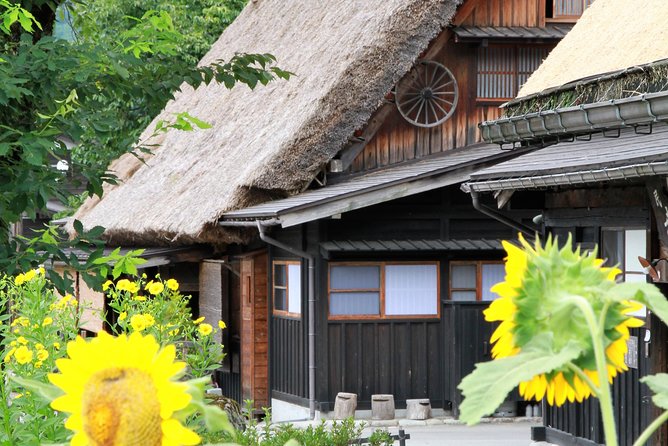
This is one of those day trips that only feels smooth because it’s small. With a maximum of 9 people, you get enough attention to ask questions, but you’re not stuck in that large-tour herd rhythm that makes everyone rush between stops. The result is a tour that moves with purpose, yet leaves room for a slower look at each village.
You’ll start at 7-Eleven at JR Kanazawa Station at 8:00am and return to the same meeting point at the end. That matters more than it sounds, because it makes the whole plan straightforward: you’re not hunting down multiple pickup points across town. A mobile ticket also cuts down on ticket-handling friction, especially if you’re juggling photos, transit maps, and changing weather.
Also, the route is built around three separate entry experiences, not just a single “see the UNESCO sign” moment. You’ll spend about 1 hour in Suganuma, 45 minutes at the Iwase family house, and 1 hour 30 minutes in Shirakawago. That distribution is practical: it gives you time to actually walk around and observe, not just pose and move on.
A few key points before you go
- Max 9 group size means more time for questions and slower pacing
- Suganuma + Iwase House are added stops, not just the main village
- Entrance fees are included, so you won’t get hit at the gate
- Lunch is included, which keeps the day from turning into snack math
- Mobile ticket makes arrival faster and less stressful
You can also read our reviews of more tours and experiences in Kanazawa.

Suganuma Gassho Community: time to slow down in Suganuma
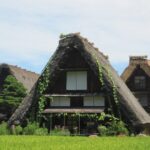
Suganuma is where this itinerary starts to feel special. You get about 1 hour to visit the Gassho community, and because the group is capped at 9, you usually won’t feel swallowed by rush-hour energy. The design of the stop is simple: arrive, walk at your own pace within the time window, and enjoy the village atmosphere without being pushed forward every 30 seconds.
The attraction here is cultural scale. You’re not touring a museum building; you’re moving through a living-style village setting connected to the famous gassho way of life. The tour includes your admission ticket, so you can focus on observation instead of managing cash, tickets, or lines.
What I like is that Suganuma is often where people get their first “oh, this is why everyone talks about it” moment—before the day becomes more hectic later. Even if you’ve seen photos, being there in person changes the feel. The hour gives you time to look around, step back for photos, and then return without panicking that you’ll miss the next bus moment.
One practical tip: wear shoes you trust on uneven ground. These areas can be walkable, but not polished-city smooth, and you’ll be happier if your feet are comfortable for that first hour.
Iwase Family house: a preserved home that adds context
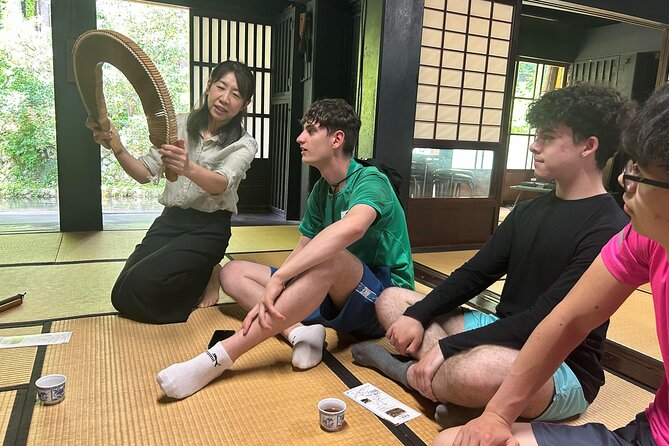
The Iwase Family visit is the secret ingredient of this tour. You only get 45 minutes, but it’s a focused stop, and it helps connect the dots between village “sights” and actual family life. The house is described as staying intact in its original condition, which makes it more than a background photo location.
This stop is also valuable because it’s the kind of detail that many short day trips skip. Seeing a specific family home—rather than only broad village views—helps you understand how daily living fit into this rural architecture and setting. You’ll also get admission included, so you’re not spending your time hunting down entry logistics mid-day.
Because the time is shorter here, you’ll want to manage your attention well. If you’re the type who likes to read signs slowly, this may feel a bit brisk. If you’re more of a look-first-then-ask-questions person, 45 minutes is about right: enough time to take it in, not so much that you feel trapped.
Where this stop shines for you: if you care about how people actually lived, not just what the village looks like from the road, Iwase is one of the best uses of the day.
Shirakawago UNESCO village: the main stop with a calmer feel
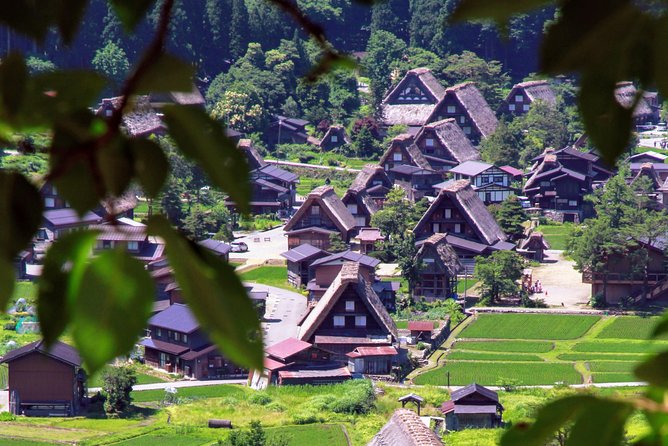
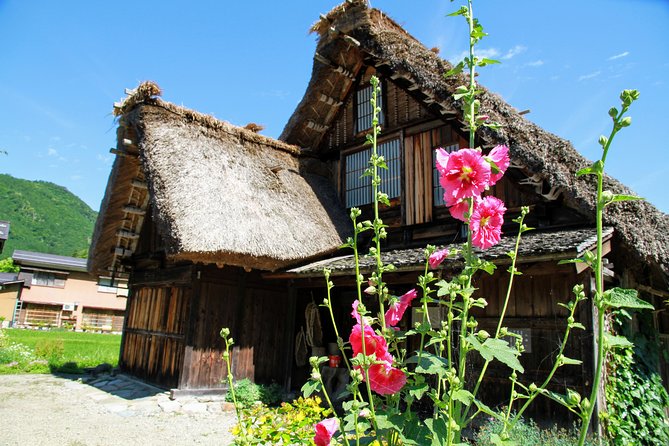
Next comes Shirakawago, the UNESCO village everyone recognizes. You get about 1 hour 30 minutes, plus admission included. That’s a comfortable window for the main sightseeing without making it feel like a photo drive-by.
UNESCO sites can be crowded, and Shirakawago often draws big numbers. This is where the small-group approach helps. Even though you’re visiting a famous place, the day is organized in a way that reduces chaos: you’re not being released from a giant bus with no plan. The guide’s role becomes important here—helping you pace your walk, point out what’s worth your time, and keep you moving without feeling rushed.
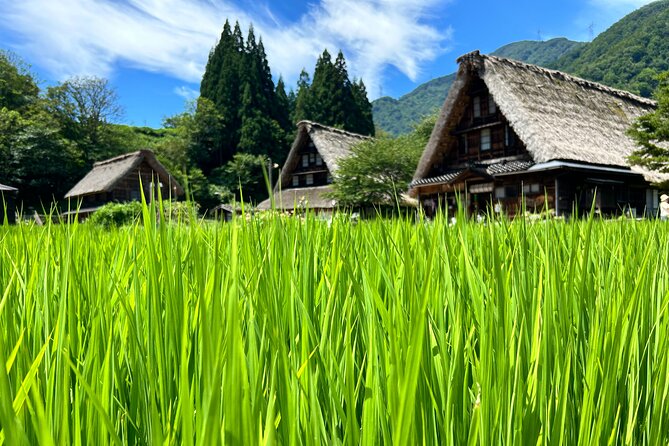
Still, the site is popular for a reason: it’s visually striking, and you’ll see lots of traditional details that make the area feel both specific and symbolic. Use your time wisely. If you’re into photography, choose a moment to step out for wider views, then switch to slower close-up viewing. That keeps the experience from becoming only one kind of picture.
Weather note: since this is a mountain-area village day, you’ll want to keep an eye on conditions. The experience notes that it requires good weather, and if it gets canceled due to poor weather, you’ll be offered a different date or a full refund.
The guides make the day feel personal (Mr. Masahiro and Takeshi)
Guides can make or break a day trip. Here, the experience is built around a professional certified guide, and that shows up in reported details like English proficiency, clear explanations, and humor that keeps the ride from feeling like dead time.
One standout example is Mr. Masahiro, described as very proficient in English, informative, and funny, and as someone who stayed with the group much of the time. Another guide, Takeshi, gets praise for having strong village information and for making the day smooth from start to finish.
Even if your guide isn’t the same person, the pattern matters: you’re not just watching a map. You’re hearing context that helps you connect what you’re seeing to why these villages are preserved and protected.
My advice: bring questions. Ask what’s different between the stops (Suganuma vs. Shirakawago), or ask what visitors often miss during their walk. With a small group, your question has a better chance of landing, and you’ll get a better story than just reading signs at your own speed.
Price and logistics: is $65.15 good value?
At $65.15 per person, this tour sits in a budget-friendly range for a full day with multiple included admissions. But the real value question is what you actually get for that price.
Here’s the practical breakdown:
- Entrance fees are included for the houses and locations
- Lunch is included, which is a big deal on a day trip like this
- You get a professional certified guide
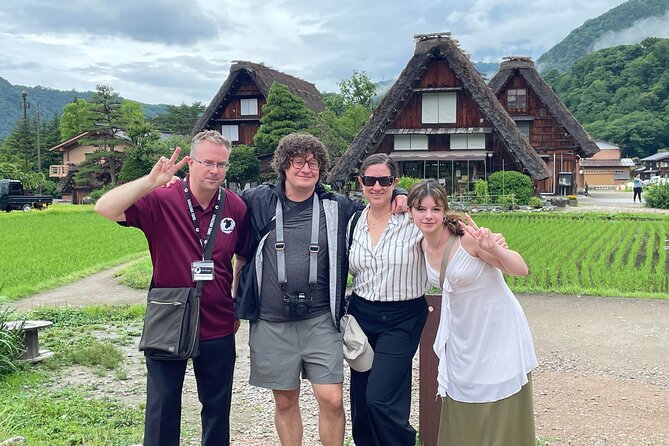
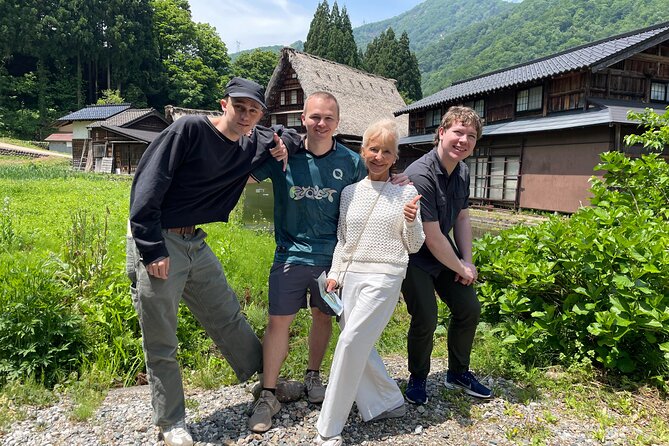
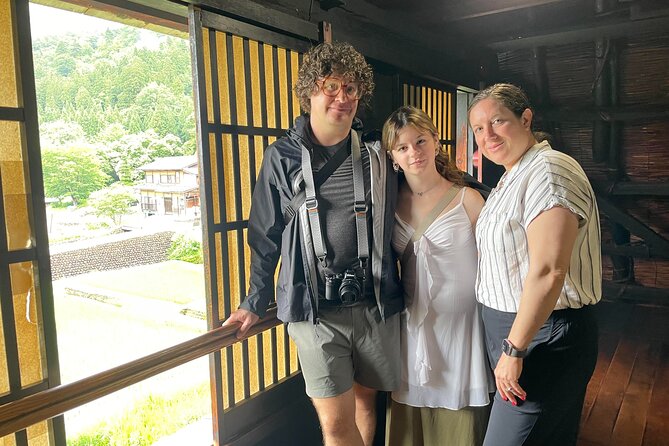
- Your group photos are shared after the tour
- You travel with a small group rather than a large bus crowd
- You also get a mobile ticket, which reduces hassle on the day
The only small “gotcha” mentioned is bottled water isn’t included. That’s easy to solve: bring your own water bottle, or plan to buy water near your meeting point before you start.
In terms of value, this works best if you’re already in Kanazawa and want an organized, low-stress way to reach two UNESCO-adjacent village experiences plus the Iwase house without assembling tickets and routes yourself.
What to pack for a rural village day (and not regret it)
This day trip is straightforward, but it’s still rural mountain Japan. That means the basics matter.
1) Comfortable shoes
You’ll walk around village areas across multiple stops. Choose shoes with good grip.
2) Weather-ready layers
Since the experience requires good weather, conditions can shift fast. Layers help you stay comfortable without overpacking.
3) Water
Because bottled water isn’t included, bring a bottle or plan for a purchase before the day gets going.
4) Phone storage and camera time
You’ll have multiple chances for photos: Suganuma first, then Iwase, then Shirakawago. I like to keep my phone battery and storage clean so I don’t end up rationing pictures halfway through.
Also, keep your schedule mindset. You’re out from 8:00am until you’re back at the same 7-Eleven JR Kanazawa Station meeting point. If you get motion sick, plan with that in mind. If you’re fine with day-trip travel, you’ll likely find the itinerary fits well.
Who should book this Gokayama and Shirakawago day trip?
This tour is a strong match if you want culture with a realistic pace. The max 9 group works well for people who don’t want to sprint between photo spots. It’s also ideal if you’re curious about preserved living—especially because the Iwase family house is included.
You might especially like this itinerary if:
- you care about more than the main Shirakawago village view
- you want entrances handled and a guided explanation
- you prefer a smaller group experience rather than a bus full of people
One consideration: it runs for a full half-day plus travel time, so if you want zero structure and total wandering freedom, you may find any scheduled day trip too tight.
Also, the experience is marked as suitable for most travelers, and service animals are allowed. It’s also near public transportation, which can matter if you want flexibility on either side of the tour day.
Should you book this small-group UNESCO day trip?
If your goal is to see Suganuma + Iwase house + Shirakawago in one organized day from Kanazawa, I think booking is worth it. The price-to-inclusions ratio makes sense: you’re not paying separately for entries and lunch, and you’re doing three meaningful stops within about 6.5 hours total.
Where I’d hesitate is if you hate fixed timing, or if you’re traveling during questionable weather and can’t handle a potential date change or refund situation. But if you’re flexible and you want a calmer, guide-led look at these villages, this is a smart use of your time in Kanazawa.
FAQ
How long is the Gokayama and Shirakawago small-group tour?
It runs for about 6 hours 30 minutes.
What time does the tour start in Kanazawa?
The tour starts at 8:00am.
Where do I meet the guide?
The meeting point is 7-Eleven at JR Kanazawa Station (1-chōme-7-1 Hirooka, Kanazawa).
How many people are in the group?
The group is limited to a maximum of 9 travelers.
What stops are included during the day?
You’ll visit Suganuma Gassho Community, the Iwase family house, and Shirakawago.
Are entrance fees and lunch included?
Yes. Entrance fees to houses and locations and lunch are included.
Is bottled water included?
No. Bottled water is not included.
Is the ticket mobile?
Yes, the tour uses a mobile ticket.
Is free cancellation available?
Yes, you can cancel for a full refund up to 24 hours in advance. If weather causes cancellation, you’ll be offered a different date or a full refund.