REVIEW · THIRUVANANTHAPURAM
Heritage Trivandrum Photography Walk Tour With Tuk Tuk Ride
Book on GetYourGuide →Operated by Yo Tours · Bookable on GetYourGuide
Temples and old lanes, all in one short walk. This Trivandrum heritage photography stroll strings together East Fort street scenes with major religious landmarks, plus smaller corners you’d likely miss on your own. You’ll get stops designed for pictures, not just sightseeing, and you’ll be guided through what you’re seeing.
I especially love how the tour mixes photo stops with stories you can actually use while shooting—like what to look for around gates, ponds, and temple edges. I also like the way the guide shares practical local context, and in a couple cases I’ve heard guides like Siddharth (and also Mr. Biju) explain beliefs in a clear, calm way.
One thing to consider: timing can be a bit fluid. Some bookings have run later than the stated schedule, and there can be confusion around tuk tuk specifics—so I’d confirm the day-of plan and meeting details to avoid waiting around.
In This Review
- Key highlights worth waking up for
- Fort Lanes, Temples, and Palaces: The Real Photo Value in Trivandrum
- East Fort to West Fort: How the Route Actually Flows
- Padmatheertha Pond: A Short Stop with Big Light Potential
- Maharaja Swathi Thirunal Palace: Museum-Linked Details You Can Photograph
- Ananthankadu Sree Nagaraja Temple and Sree Padmanabhaswamy: The Temple Circuit That Makes Sense
- Sundara Vilasom Palace and West Fort Finish: Ending on Strong Fort Frames
- The Guide Factor: What English/Hindi Storytelling Adds to Your Photos
- Tuk Tuk Ride and Timing: What to Watch on Tour Day
- Price and Value: Is $27 Reasonable for Two Hours?
- Who This Tour Best Fits (and Who Might Skip It)
- Should You Book This Trivandrum Photo Walk With Tuk Tuk?
- FAQ
- How long is the Heritage Trivandrum Photography Walk with Tuk Tuk Ride?
- Where does the tour start and where does it end?
- What are the main places you visit on this tour?
- What languages is the live tour guide available in?
- Is a tuk tuk included?
- What should I bring for the tour?
- Is hotel pickup or drop-off included?
- Are drinks and food included?
- How does the cancellation work?
- What does the tour price include?
Key highlights worth waking up for
- Fort-area lanes built for photography, from temple fronts to quieter corners
- Padmatheertha Pond photo pause with guided direction on what to frame
- Swathi Thirunal Palace views tied to the city’s royal-era museum setting
- Temple circuit stops, including Ananthankadu Nagaraja Temple and Sree Padmanabhaswamy
- Sundara Vilasom Palace and West Fort finish, for last-minute nightfall-style shots (if timing lines up)
- English and Hindi storytelling, often with strong guide communication
Fort Lanes, Temples, and Palaces: The Real Photo Value in Trivandrum
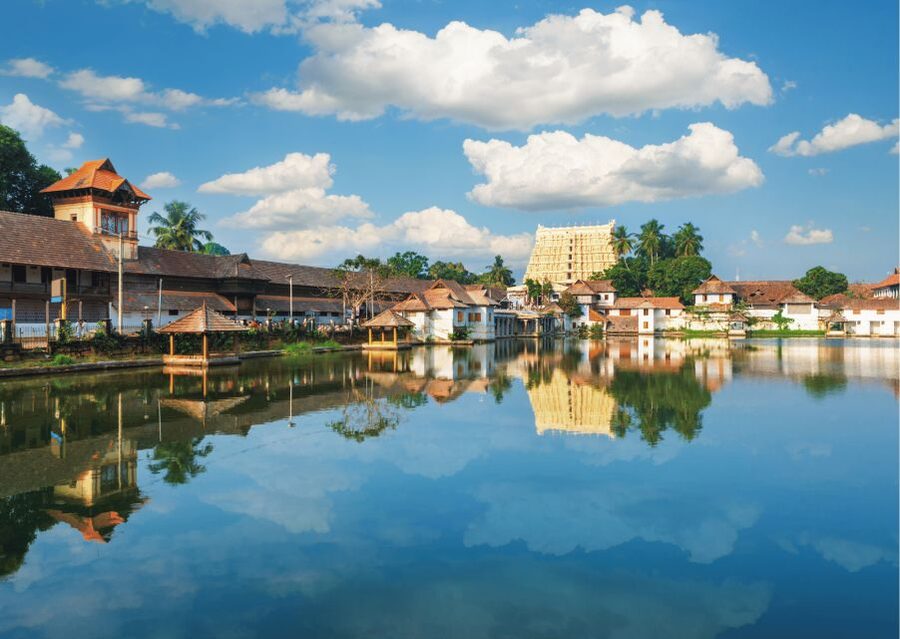
Trivandrum has a different feel than the usual India-photo circuit. Instead of only big monuments, you get a walk through heritage zones where life keeps happening beside the architecture. That matters for your photos, because you’ll be photographing people and textures in the same frame: carved stone edges, temple boundary walls, market-adjacent streets, and the small color shifts that happen as light moves.
What makes this tour feel worth the time is its focus on photography points that you’d realistically skip. The route is designed to get you from one strong subject to the next without wasting hours figuring out where to stand. And because it’s a short 2-hour experience, you’re not stuck committing to half a day just to chase one good angle.
The tuk tuk element also changes the feel. You’re not constantly walking uphill or crossing the city blind—you get paced movement between the main clusters, so you can spend your energy on composing shots instead of managing transport.
You can also read our reviews of more tours and experiences in Thiruvananthapuram.

East Fort to West Fort: How the Route Actually Flows
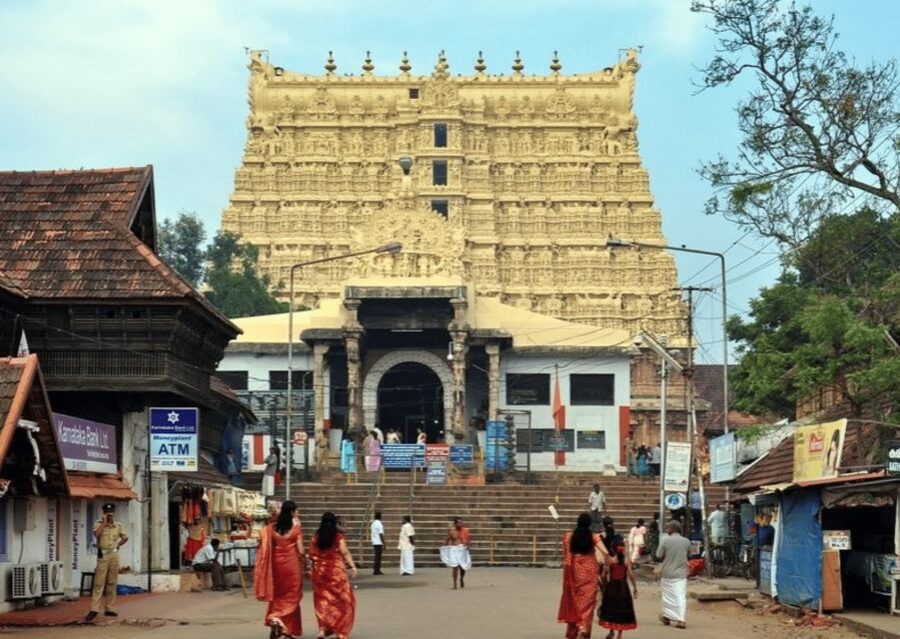
Your day begins at East Fort, then moves through a chain of stops that keep the photos varied: a pond, a palace area, temple stops, and more palace/fort finishes. It ends at West Fort, Pazhavangadi in Thiruvananthapuram, Kerala.
Here’s the practical meaning of that flow: you’re shooting different “worlds” in a compact radius. You’ll get courtyard-and-wall visuals early, then shift to temple-entrance textures and signage-like details, then end with fort-area angles that work well for wider shots.
Also, think of this as a guided “shot list.” You still take your own pictures, but the guide helps you prioritize what to capture and what to ignore. That’s how you come away with a set of images that feels like a story, not random downloads.
Padmatheertha Pond: A Short Stop with Big Light Potential
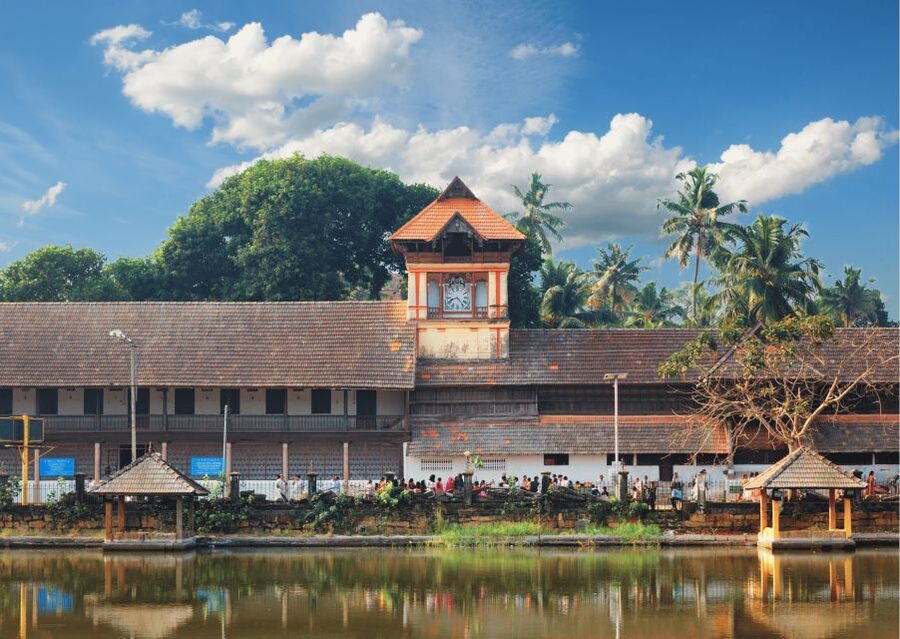
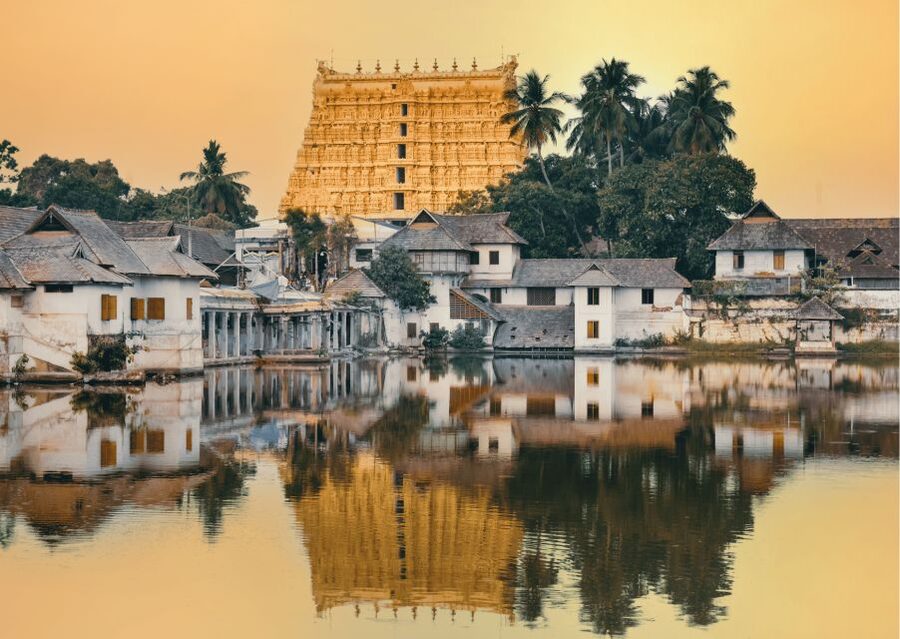
One of the first photo breaks is Padmatheertha Pond. The tour gives you time for a guided look and photo pause, and ponds like this are perfect for photography because of the reflections and the way water softens contrast.
What I like about a pond stop in a heritage walk is the breathing room. Between more crowded temple zones and dense lane visuals, you get a calmer scene where you can slow down. Use that time to reset your camera settings too—especially if you’re moving between shaded alleys and brighter open areas.
For your shots: don’t only chase the water surface. Look for the edges—steps, boundaries, and the way people pause near the pond. Those “human pause” moments often end up being the most memorable part of the photo set.
Maharaja Swathi Thirunal Palace: Museum-Linked Details You Can Photograph
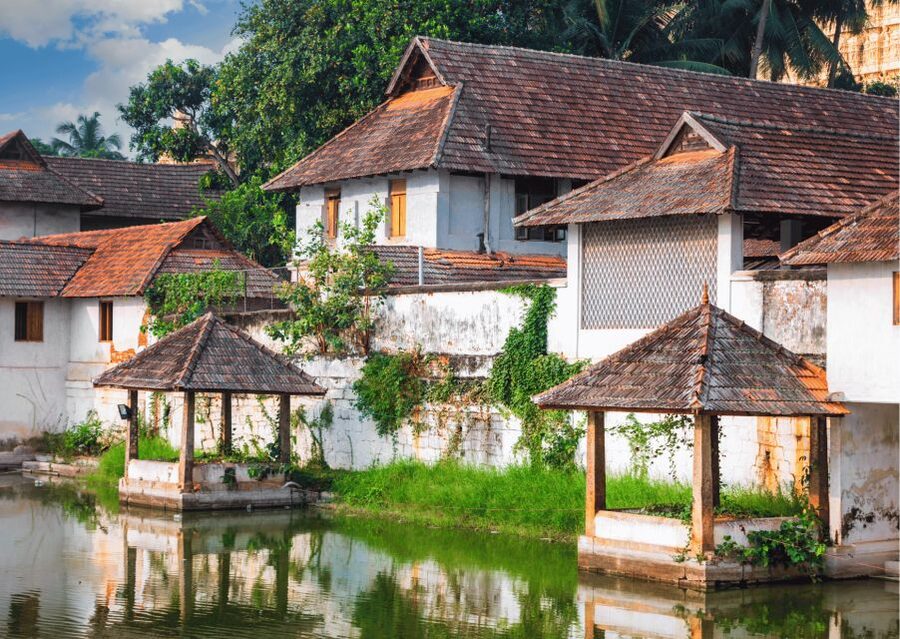
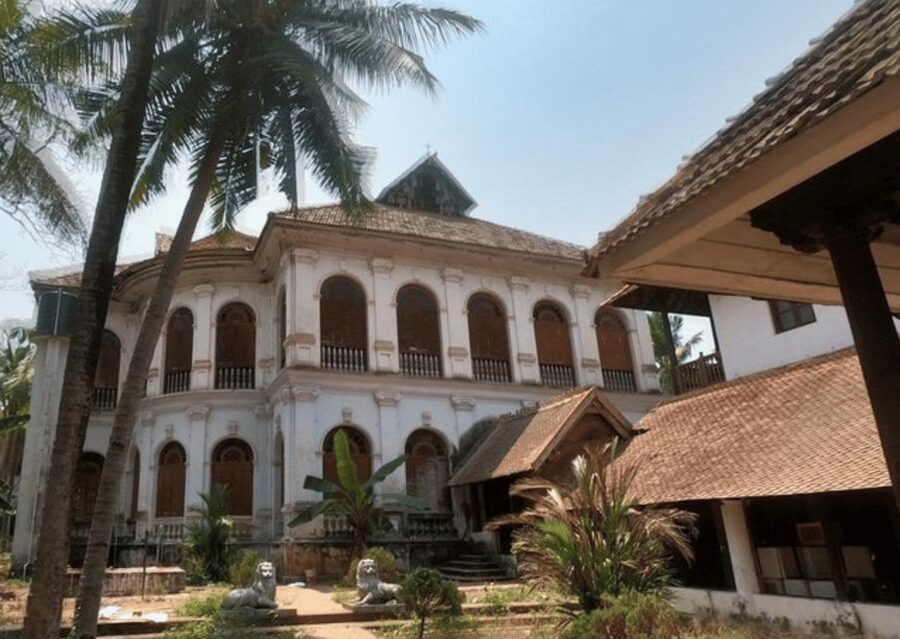
Next comes the Maharaja Swathi Thirunal Palace, described as a former royal residence with a museum component. Palace areas are great for photography because you can capture both the architecture and the atmosphere around it—especially the transition between grand structures and everyday movement nearby.
The guided time here matters because palace grounds can look similar to the untrained eye: walls, gates, and a lot of stone. A guide can point you to angles and details that connect the present-day look with why the building matters to the city.
Practical tip for you: arrive ready to shoot a mix of close-ups and medium-wide frames. Palaces often reward close detail shots—carved elements, boundary lines, and worn textures—while the wider shots tell the story of scale.
Ananthankadu Sree Nagaraja Temple and Sree Padmanabhaswamy: The Temple Circuit That Makes Sense
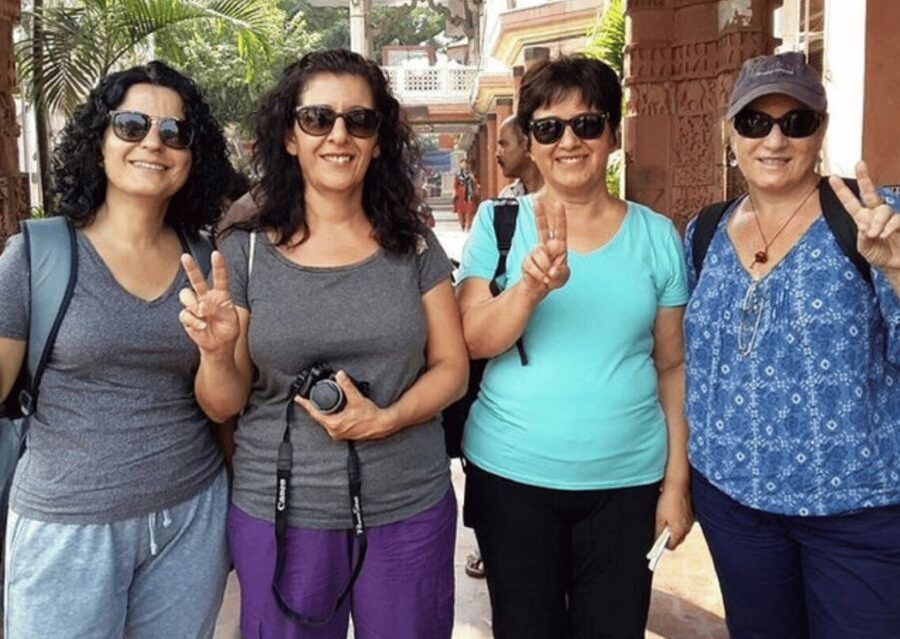
This tour hits two major temple stops that pair nicely for photography because they show different kinds of devotion and built form.
First is Ananthankadu Sree Nagaraja Temple Trust, a temple devoted to the Snake God (Sree Nagaraja). A specialist topic like that gives you a reason to look closer. If the guide explains what the tradition means, you can photograph with more intent: the symbolic elements, the way devotees move, and what people pay attention to.
Then comes Sree Padmanabhaswamy Temple, which is widely considered among the richest temples in the world. Even if you don’t know the temple in advance, it’s the kind of place that rewards respect and patience. You’ll get a guided visit/passing time here, so plan to shoot mainly around allowed viewpoints and focus on the temple’s presence rather than trying to force angles.
For your camera: temple-light can be tricky. Expect bright exteriors and darker thresholds. If you have a smartphone, try using exposure lock or a quick tap to stabilize brightness. If you’re using a camera, bracket slightly or keep an eye on highlights, especially around entrances.
Respect note: temples are active places. Move calmly, follow guide instructions, and keep your camera ready but not intrusive.
Sundara Vilasom Palace and West Fort Finish: Ending on Strong Fort Frames
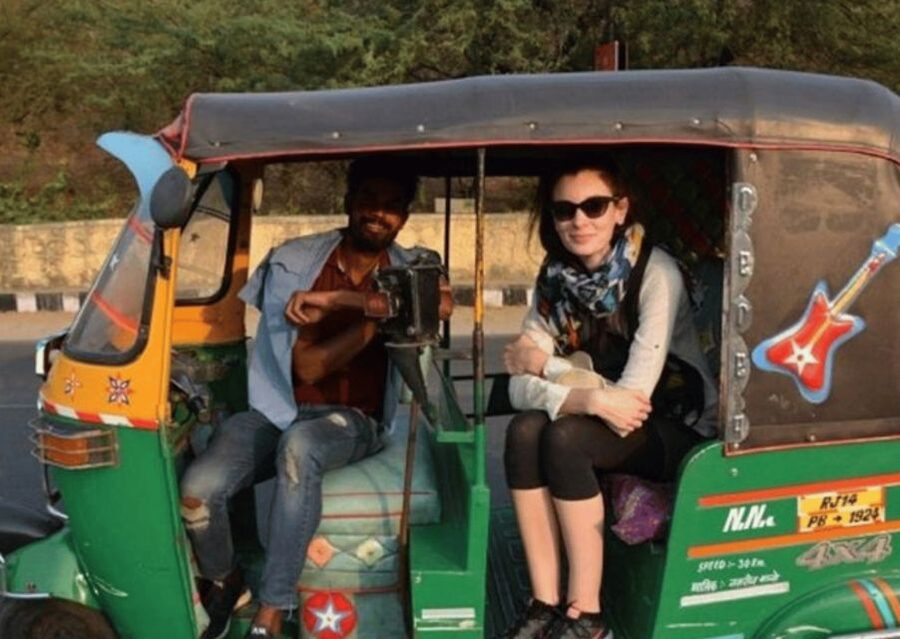
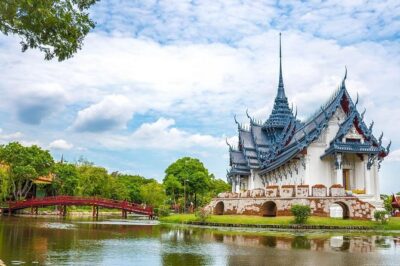
The tour rounds things out at Sundara Vilasom Palace, with guided photo time, then finishes at West Fort, Pazhavangadi.
Palace-to-fort finishing is a smart choice for photos. Once you’ve shot temples and entrances, your eyes start craving wider context frames—so the fort area works as a natural visual wrap-up. Fort edges often provide lines that help your composition: walls, gateways, and street corridors that lead the eye back toward the center of the heritage zone.
If you’ve got energy left, use the last stretch to grab a few “final frames”:
- one wide shot that shows the area feel
- one mid shot with people for scale
- one close shot of texture or carving
That mix is what makes a photo album feel intentional.
The Guide Factor: What English/Hindi Storytelling Adds to Your Photos
A photography walk isn’t just about where to stand. It’s about learning what you’re looking at.
This tour includes a live guide who speaks English and Hindi, and multiple guides have stood out for clear communication and useful context. For example, guides like Siddharth were described as patient, helpful, and strong in English, including before-start messages to help you find the meeting spot. Another guide, Mr. Biju, was noted for sharing fun, interesting local stories and culture and beliefs.
Here’s the value for you: when you understand what a place represents—like the Nagaraja devotion or the palace-era setting—your photos stop looking like souvenirs. You start capturing details with meaning: symbols, spatial layout, and the way people interact with the site.
Also, the tour includes great local tips and recommendations to save money and explore further. That’s practical value beyond photos, especially if it’s your first time in the city.
Tuk Tuk Ride and Timing: What to Watch on Tour Day
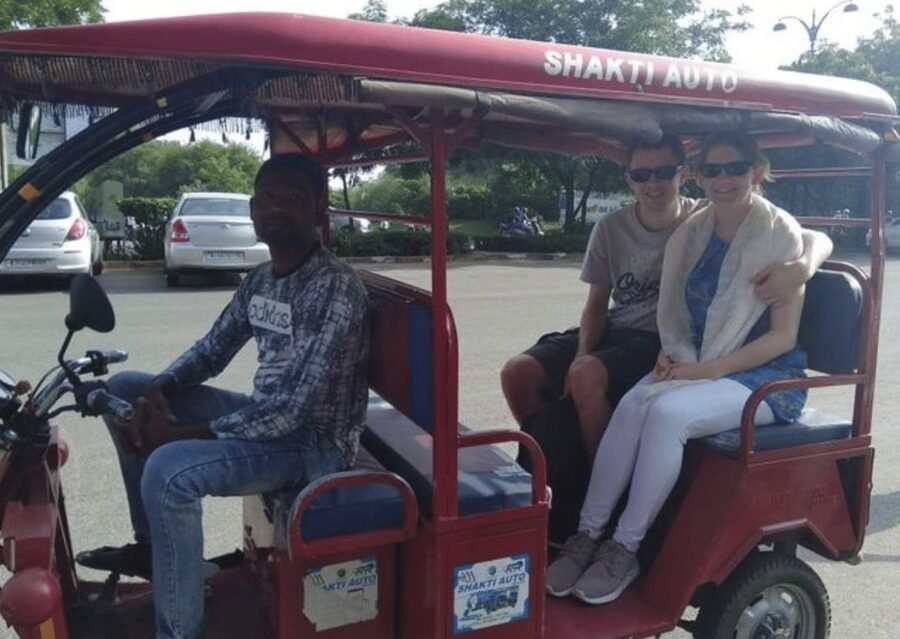
The tour price includes a tuk tuk, but the exact experience can depend on how the day runs. Some bookings have reported problems like a start-time change after leaving the hotel, delays, and even situations where the tuk tuk piece didn’t happen as expected.
So here’s my practical advice for you:
- Confirm the meeting time and exact meeting point shortly before you leave.
- Plan to be flexible if the start is adjusted for heat or logistics.
- Build in a small buffer so you’re not stressed if the schedule shifts.
Also note that the tour length you’ll see in marketing can be affected by real-world temple flow and travel between stops. If you’re photographing seriously, don’t treat the time window like a hard stopwatch. Give yourself patience, especially near temple areas.
Price and Value: Is $27 Reasonable for Two Hours?
At $27 per person for a roughly 2-hour heritage photography walk, the value depends on what you want from the experience.
You’re paying for:
- a storyteller/guide in English or Hindi
- tuk tuk transport during the tour
- access to lanes and places you’d likely miss on your own
- guidance on what to shoot and how to understand it
If you’re the type who gets better results with direction—especially for temple signage, fort frames, and architectural angles—this price can feel fair. If you prefer self-guided wandering and you’re comfortable figuring out route and interpretation yourself, you might find you can replicate a lot on your own. But most people don’t do that well in a short time window.
For best value, come with your camera ready and your curiosity turned on. This isn’t just a checklist. It’s a guided way to compress useful local knowledge into a short outing.
Who This Tour Best Fits (and Who Might Skip It)
This experience suits you if:
- you love heritage architecture and want photos with context
- you want a short, focused plan rather than full-day city navigation
- you appreciate a guide explaining religious and cultural meaning, not just locations
It’s less ideal if:
- you need strict, predictable minute-by-minute timing
- you get frustrated by schedule adjustments or meeting-point confusion
- you only want transport guarantees without any day-of variation
Also, this kind of tour is a strong fit for solo visitors and small groups because the guide helps you feel oriented fast.
Should You Book This Trivandrum Photo Walk With Tuk Tuk?
I’d book it if your goal is a compact, guided photography route through East Fort, Padmatheertha Pond, palace areas, and a temple circuit that includes Sree Padmanabhaswamy. The best part is the combination of shooting time plus explanation—when you get a good guide, your photos turn from random to meaningful.
Before you book, do two simple things:
- Confirm the meeting details and be ready for possible time changes.
- Bring the essentials: comfortable clothes, camera, a charged smartphone, and a power bank.
If you’re comfortable with a bit of real-world pacing and you want help turning Trivandrum into a photo story, this tour is likely a good use of your time. If you need zero schedule uncertainty, you might want to build in extra buffer—or consider a more flexible plan.
FAQ
How long is the Heritage Trivandrum Photography Walk with Tuk Tuk Ride?
The tour duration is listed as 2 hours.
Where does the tour start and where does it end?
It starts at East Fort and finishes at West Fort, Pazhavangadi, Thiruvananthapuram, Kerala, India.
What are the main places you visit on this tour?
The tour includes photo stops around East Fort, Padmatheertha Pond, Maharaja Swathi Thirunal Palace, Ananthankadu Sree Nagaraja Temple Trust, Sree Padmanabhaswamy Temple, Sundara Vilasom Palace, and West Fort/Pazhavangadi.
What languages is the live tour guide available in?
The live guide speaks English and Hindi.
Is a tuk tuk included?
Yes, a tuk tuk ride is included as part of the tour.
What should I bring for the tour?
Bring comfortable clothes, your camera, a charged smartphone, and a power bank.
Is hotel pickup or drop-off included?
No, hotel pickup and drop-off are not included.
Are drinks and food included?
No, drinks and food are not included.
How does the cancellation work?
Free cancellation is offered up to 24 hours in advance for a full refund.
What does the tour price include?
The price includes a story-focused English/Hindi guide, a tuk tuk, access to hidden lanes and places, and local tips and recommendations.