REVIEW · THIRUVANANTHAPURAM
Trivandrum:A Guided Tour of Heritage & Local Flavours
Book on GetYourGuide →Operated by Travinco Travel Solutions · Bookable on GetYourGuide
Spiritual Trivandrum in one guided day. This small-group outing ties together Padmanabhaswamy Temple and the Napier Museum, plus palaces, galleries, and a proper sea-view finish—so you’re not just sightseeing, you’re learning how Kerala’s faith, art, and royal culture fit together in everyday city life.
I especially like how the day uses expert guidance to connect big-name landmarks with the details you’d otherwise miss: the temple’s Dravidian architecture, the museum artifacts, and the palace storytelling that makes Travancore feel personal instead of distant. The only real drawback to plan around is that foreign nationals have restricted entry at Padmanabhaswamy Temple, so you may not be able to go fully inside like you expect.
Key Things I’d Watch For
- Padmanabhaswamy Temple first: timed early for the best atmosphere, with dress code rules to follow
- Napier Museum architecture + artifacts: an easy way to see Kerala craftsmanship and collecting in one place
- Kuthira Malika’s horse façade: over 120 horse sculptures give you a built-in photo story
- Royal culture stops: Swathi Thirunal’s music legacy, Kanakakkunnu Palace performances (when running), and Amma Veedu
- Art and nature in the same day: Raja Ravi Varma, Chithralayam, plus the Natural History Museum
- Shanghumukham Beach payoff: Arabian Sea views and the Jalakanyaka mermaid statue for a relaxed ending
In This Review
- Start in Thiruvananthapuram: small group, multilingual guidance
- Padmanabhaswamy Temple: Dravidian architecture and royal devotion
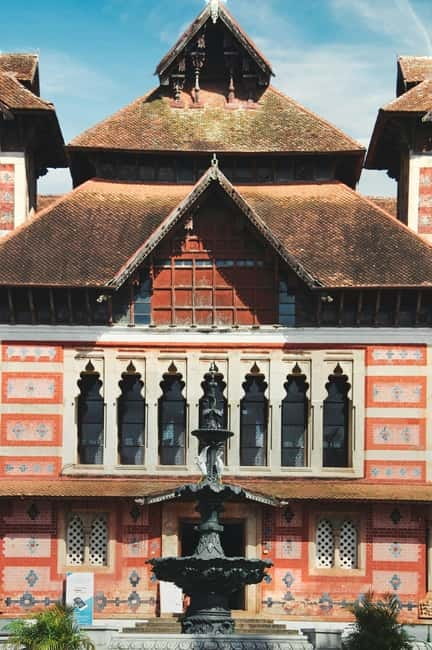
- Napier Museum: architectural fusion and the artifacts that explain Kerala
- Kuthira Malika: the Mansion of Horses you can’t ignore
- Swathi Thirunal and Kanakakkunnu Palace: music, culture, and performance
- Amma Veedu: a royal residence with architectural presence
- Raja Ravi Varma, Chithralayam, and the Natural History Museum
- Shanghumukham Beach: Jalakanyaka mermaid and Arabian Sea views
- Kerala flavors: breakfast, lunch, and sensible seafood planning
- Price and time: what you’re really paying for at $38
- Should you book this Trivandrum heritage and local flavors tour?
- FAQ
- How long is the Trivandrum guided tour?
- What does pickup include?
- What languages are the guides available in?
- Is the group size small?
- Is Padmanabhaswamy Temple entry included?
- What’s included in the price?
- Are museum and gallery entry fees included?
- What food can I expect?
- What should I bring and what rules should I follow?
- FAQ
- Can I cancel for a full refund?
- Is it suitable if I have back problems?
Start in Thiruvananthapuram: small group, multilingual guidance
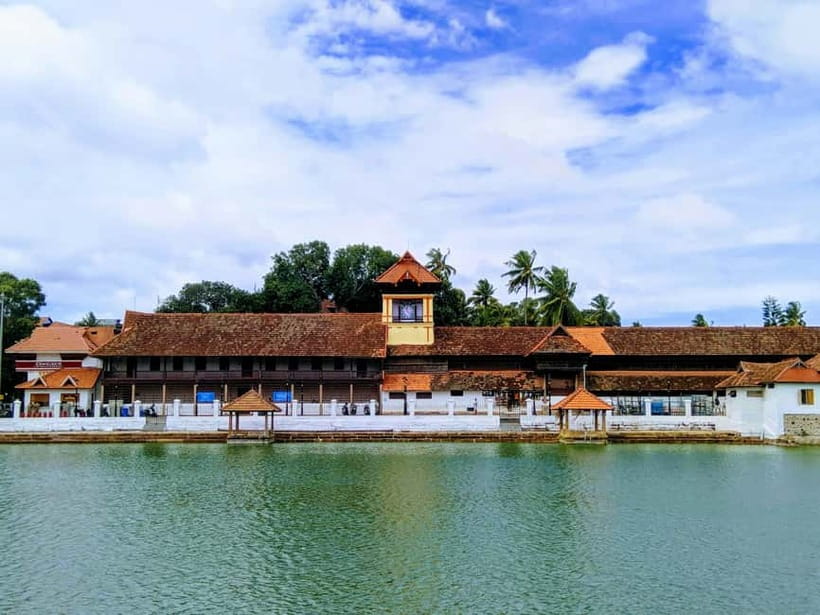
This tour is built for a focused day without feeling rushed-busy. You’ll get pickup from hotels or stays within Trivandrum city, and the group is kept small (up to 10). That matters because the guide can actually adjust when you want to linger at a monument, ask questions, or slow down for photos and walking breaks.
You’ll travel with a live guide who can work in English, Hindi, Tamil, or Malayalam. In real life, language flexibility is a big quality-of-life factor—especially around temples and galleries where the “what am I looking at?” questions come fast.
Practical note: bring comfortable shoes, water, sunscreen, and a hat. You’re mixing indoor museum time with outdoor walking and a beach stop, so hydration isn’t optional if you’re doing this in the warmer parts of the day. Also note the rules: no smoking in the vehicle, and flash photography is not allowed in restricted places. If you like candid photos, plan to shoot with natural light settings and keep your camera ready, not frantic.
Padmanabhaswamy Temple: Dravidian architecture and royal devotion
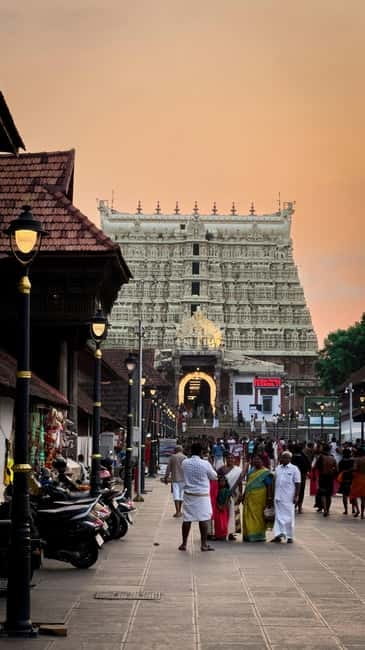
The day’s tone is set at Padmanabhaswamy Temple, a major Vishnu temple with famous Dravidian architecture and strong royal connections. The guided visit is designed to help you see more than stonework. You’ll learn about its spiritual significance and understand why this is the kind of place locals treat with seriousness, not as an optional photo stop.
What makes it special is the combination of detail and meaning. Dravidian temple design isn’t just decoration; it’s a system—shapes, levels, and carvings that guide your attention as you move through the space. Your guide’s job here is to point out those cues so you don’t just walk past impressive features without getting the story.
One important consideration: entry is restricted for foreign nationals. That doesn’t make the temple stop pointless, but it does change what you can experience firsthand. If this is a must-see temple for you, check your expectations ahead of time and be ready for an experience that may be more observational depending on the rules that day. Dress code applies at religious sites, so keep shoulders and legs covered in a respectful way.
You can also read our reviews of more tours and experiences in Thiruvananthapuram.

Napier Museum: architectural fusion and the artifacts that explain Kerala
Next you’ll head to the Napier Museum, known for architectural fusion—part of what makes it feel different from typical museum boxes. It’s the kind of place where the building itself prepares you to look closely, because the galleries and display style encourage you to notice craftsmanship rather than just move from room to room.
The museum stops are guided, and you’ll see a curated set of items such as ancient sculptures, bronze idols, and Kerala chariots. For me, the value here is that you’re not only learning names and dates—you’re seeing the objects that shaped religious life, travel, and local artistry.
A useful way to approach it: don’t try to read every label. Instead, focus on a few themes your guide highlights—materials, design styles, and how objects connect to daily culture. That’s how the museum turns into something you can remember later, instead of a blur of display cases.
If you’re a camera person, remember photography restrictions can apply in certain areas. If you see a sign, follow it immediately—guides here tend to keep the day smooth by respecting local instructions fast.
Kuthira Malika: the Mansion of Horses you can’t ignore
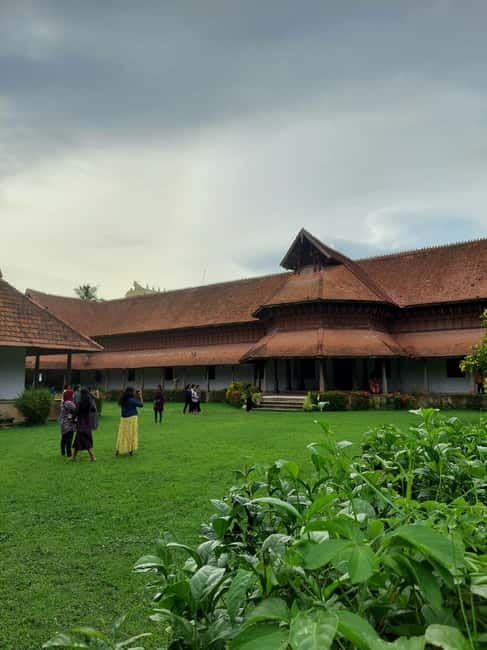
Then comes one of the most visually distinctive stops in the day: Kuthira Malika (Mansion of Horses). This palace museum showcases Travancore’s royal history and is built around an attention-grabbing exterior. The standout detail is the façade, decorated with over 120 horse sculptures.
Inside, you’ll also notice elaborately carved wooden ceilings. That combination—horse sculptures outside and wood carving details inside—gives you a satisfying “whole-picture” feeling. It’s not just a single ornament. It’s a designed identity.
If you like architecture, slow down here. Look up at the ceiling before you start walking forward, and then step back outside for a full view of the horse façade. A guide can help you interpret what you’re seeing, but your own eyes will still do most of the work if you give yourself a couple of extra minutes.
And yes, it’s a great place for photos, but do it respectfully and follow any restrictions. Some areas may be less flexible for photography, so keep your lens ready but don’t block foot traffic.
Swathi Thirunal and Kanakakkunnu Palace: music, culture, and performance
After the royal palace museum, the route shifts from carved history to cultural legacy. You’ll walk through the residence of Swathi Thirunal, known as the music-loving Maharaja. This is one of those stops where the “point” isn’t just architecture—it’s the idea that Kerala’s royal courts helped shape music and cultural life.
Even if you don’t know the names of compositions or instruments yet, a good guide helps you connect the dots: who he was, why music mattered, and how cultural traditions carried on. It’s a reminder that heritage isn’t only temples and tombs. It’s also sound, teaching, and patronage.
From there, you’ll reach Kanakakkunnu Palace, located on a hilltop. The palace is a relic of Travancore’s royal heritage and it hosts cultural events and traditional art performances. Timing matters here. If a performance is running, this stop becomes more than sightseeing—you get a sense of how cultural practice continues today, not just in old books.
If there’s no performance at that exact moment, you can still enjoy the setting and palace context. But if performances matter most to you, plan to be flexible and let your guide work with what’s happening on the day.
Amma Veedu: a royal residence with architectural presence
The tour also highlights Amma Veedu, described as a royal residence where you can witness the legacy of regal traditions and architectural splendor. Even with limited time, this kind of stop helps balance the day.
Why it’s worth including: palaces and residences like this remind you that power and culture weren’t only ceremonial. They shaped how people lived—where they met, practiced art, and maintained traditions through buildings and spaces designed for everyday life.
If you enjoy architecture, take a moment to look at proportions and style cues instead of rushing for photos. A quick walk-around with a guide’s explanations can turn a “one stop” stop into one of the day’s more memorable pieces.
Raja Ravi Varma, Chithralayam, and the Natural History Museum
A smart part of the itinerary is that it doesn’t force you to choose between art and everything else. You get both—plus a science-minded stop.
First, there’s the Raja Ravi Varma Art Gallery, where you’ll explore masterpieces of Raja Ravi Varma with expert narration. This is a good match for the rest of the day because it frames cultural output as something that travels across mediums: from temple carvings and royal patronage into painting and visual art.
Next is Chithralayam Gallery, where you get a deeper look at Kerala’s artistic heritage with guided commentary. If you’re trying to build an overall picture of Kerala art styles, these two galleries work together better than either one alone.
Then you’ll head to the Natural History Museum. This is where the day’s pacing feels refreshingly different. Instead of more monuments, you learn about Kerala’s biodiversity and history. It’s a practical reminder that the state’s culture grew alongside its ecosystems. Even in a single museum hour, you’ll leave with a broader sense of place.
If you’re the type who starts mentally skimming in museums, fix that with a simple rule: pick one theme per museum. For example, in the art galleries, focus on style and subject matter. In the natural history space, focus on what the exhibits say about Kerala’s environment.
Shanghumukham Beach: Jalakanyaka mermaid and Arabian Sea views
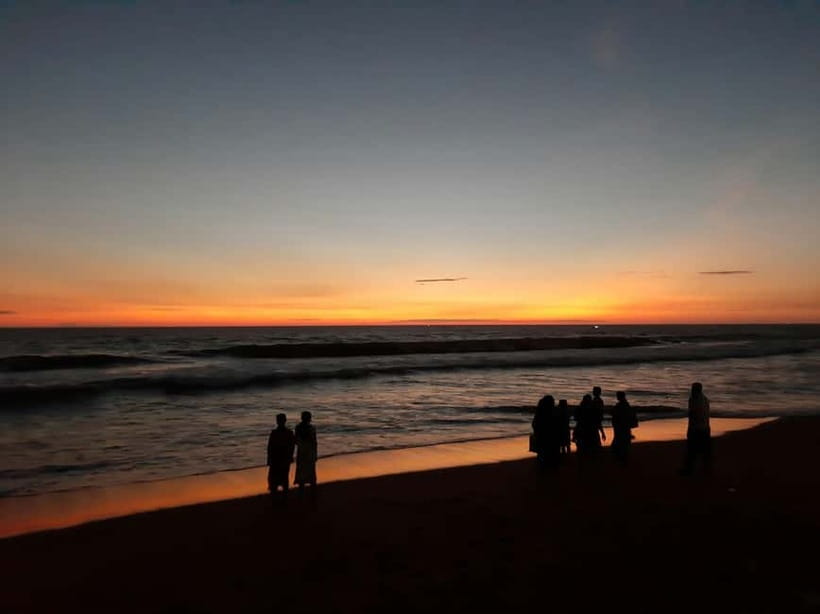
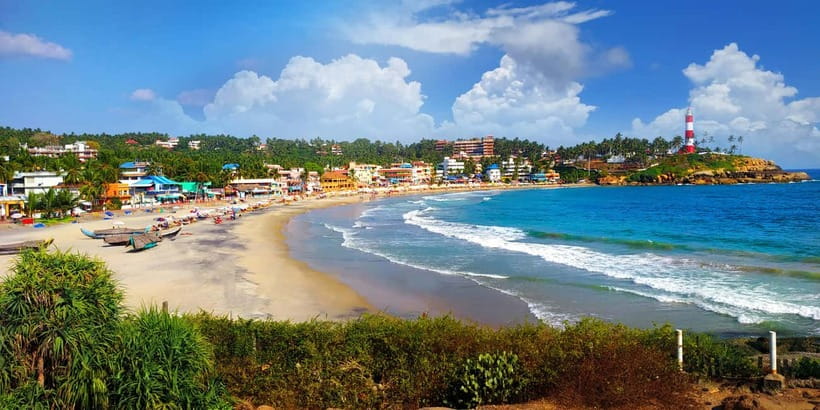
After the indoor stops and palace walks, the tour ends on Shanghumukham Beach. This is a very practical choice: salt air and open views reset your body after a day of guided movement and stair-and-sidewalk time.
You’ll get views of the Arabian Sea and time to relax by the shore. The massive Jalakanyaka mermaid statue gives the beach a signature landmark feel, and it’s also a fun cultural detail to notice while you’re watching the water.
You’ll also explore historic Kalmandapams and old structures around the beach area. That means the coastline stop isn’t only about lounging. It’s another chance to connect everyday scenery with local legacy.
If you’re going for photos, bring your camera settings down to the basics—bright sky and changing light. And since flash photography is restricted in some contexts, rely on natural light. Sunscreen and water still matter here. Beach time can trick you into thinking you’re done with the sun.
Kerala flavors: breakfast, lunch, and sensible seafood planning
You’ll have breakfast at local restaurants, plus lunch at local restaurants on the way. The tour includes recommendations for authentic local flavors, and there’s a special focus on fresh seafood options at lunch.
What I like about including meals is that it prevents the usual “tour day hunger spiral.” With a guided schedule, you’re already walking and learning. So food planning becomes part of how the day stays enjoyable.
A guide can also help you order something that fits your comfort level—spice, texture, and vegetarian versus seafood choices. If you’re sensitive to very hot food, say so early. If you want to try seafood, ask what’s fresh and what’s easiest for first-timers.
Timing can matter during festivals. Onam came up in the experience stories, and the takeaway is simple: when the city is celebrating, a good guide can adjust the day so you still get food and sights without major stress.
Price and time: what you’re really paying for at $38
At $38 per person for a full day, the main value isn’t just the route. It’s what’s baked in: an expert guide, guided tours at key cultural sites, and both breakfast and lunch.
You should also budget for museum and gallery entry fees. Museum access and gallery entry cost about $2.5 per person per museum (not included). The exact total depends on how many museums you access on your specific day, but this is the kind of small add-on that’s easy to plan for if you carry a bit of cash.
The other value is time management. You’re getting an organized flow through temples, museums, palace sites, and a beach stop within a day length that’s stated as about 8 hours. Since some itinerary notes reference a longer guided window, think of this as a long outing where comfortable shoes and patience pay off.
Not suitable for everyone: the tour isn’t recommended if you have back problems, because it involves walking and uneven spacing between stops.
Should you book this Trivandrum heritage and local flavors tour?
Book it if you want a guided introduction to Trivandrum that balances major landmarks with royal and artistic stops, and you like finishing your day with a calm beach scene. It’s especially appealing for first-time visitors who want their questions answered in real time and don’t want to piece together museum schedules, temple rules, and meal plans.
I wouldn’t book it if Padmanabhaswamy Temple full interior access is a non-negotiable goal for you—foreign nationals may face restrictions. Also skip it if walking will be uncomfortable for you, since the day includes multiple sites and you’re on your feet for long stretches.
If you do book, pack like you mean it: water, sunscreen, hat, and camera. Bring respect for temple dress rules. Then let your guide—one name that’s shown up in best-case experiences is Akhil—help you keep the day moving without turning it into a checklist.
FAQ
How long is the Trivandrum guided tour?
The tour duration is listed as 8 hours.
What does pickup include?
Pickup is included from hotels or stays within Trivandrum city.
What languages are the guides available in?
The live tour guide can speak English, Hindi, Tamil, and Malayalam.
Is the group size small?
Yes. The tour is limited to 10 participants.
Is Padmanabhaswamy Temple entry included?
The temple visit includes a guided tour, but entry is restricted for foreign nationals.
What’s included in the price?
The price includes an expert guide, breakfast at local restaurants, a guided visit to Napier Museum, guided tours at Kuthira Malika, Raja Ravi Varma Art Gallery, Chithralayam Gallery, and Natural History Museum, plus lunch at local restaurants and time at Shanghumukham Beach.
Are museum and gallery entry fees included?
No. Entry fees for museums and galleries are not included and are approximately $2.5 per person per museum.
What food can I expect?
You’ll have breakfast and lunch at local restaurants, with recommendations that focus on authentic Kerala flavors and include a special focus on fresh seafood options for lunch.
What should I bring and what rules should I follow?
Bring comfortable shoes, a hat, camera, sunscreen, and water. Smoking in the vehicle is not allowed, and flash photography and alcohol/drugs are not allowed.
FAQ
Can I cancel for a full refund?
Yes, you can cancel up to 24 hours in advance for a full refund.
Is it suitable if I have back problems?
No, it isn’t suitable for people with back problems.