REVIEW · HIMEJI
Himeji: Himeji Castle Guided Tour – UNESCO Heritage
Book on GetYourGuide →Operated by DeepExperience, Inc. · Bookable on GetYourGuide
Himeji hits hard the first time you see it. This guided tour adds context to the UNESCO-listed castle, plus photo help, garden calm at Kokoen, and temple atmosphere at Shoshazan Engyo-ji. I love how the guide steers you toward what to notice, not just what to walk past, and I like that the experience is paced to fit a full, satisfying day without feeling rushed. One catch: the castle involves 100+ steps and some visitors may find the climbs tough.
You’ll start at JR Himeji Station with a guide holding a yellow DeepExperience sign, then move through the castle’s main tower sights, the serenity of Kokoen Garden, and a couple hours at Engyo-ji. It’s a strong value for the guided time you get, especially if you care about architecture, history details, and having your questions answered. The one drawback I’d flag is mobility: the tour isn’t a good match for anyone who needs step-free access.
In This Review
- Key Things That Make This Tour Worth It
- Meeting at JR Himeji Station: Get Oriented Fast
- Himeji Castle: Tower Views, White Walls, and a Photo You’ll Actually Use
- The Castle Tower Is More Than a Viewpoint
- Plan Your Stamina: 100+ Steps Inside the Castle
- Kokoen Garden: The Calm Counterpoint to the Castle Climb
- Shoshazan Engyo-ji Temple: Stories That Make the Place Feel Lived-In
- Guide Quality Is the Real Upgrade (Not Just the Route)
- Timing Tips: Start Early and Save Your Energy
- Price and Value: What You’re Paying For at $83
- Who Should Book (and Who Should Skip)
- Should You Book This Himeji Castle Guided Tour?
- FAQ
- Where do I meet the guide?
- What’s included in the tour price?
- How long is the tour?
- What stops are included during the day?
- What languages does the guide speak?
- Is it a private or small-group tour?
- How many steps should I expect?
- Is this tour suitable for mobility impairments?
- Where will I be dropped off at the end?
Key Things That Make This Tour Worth It
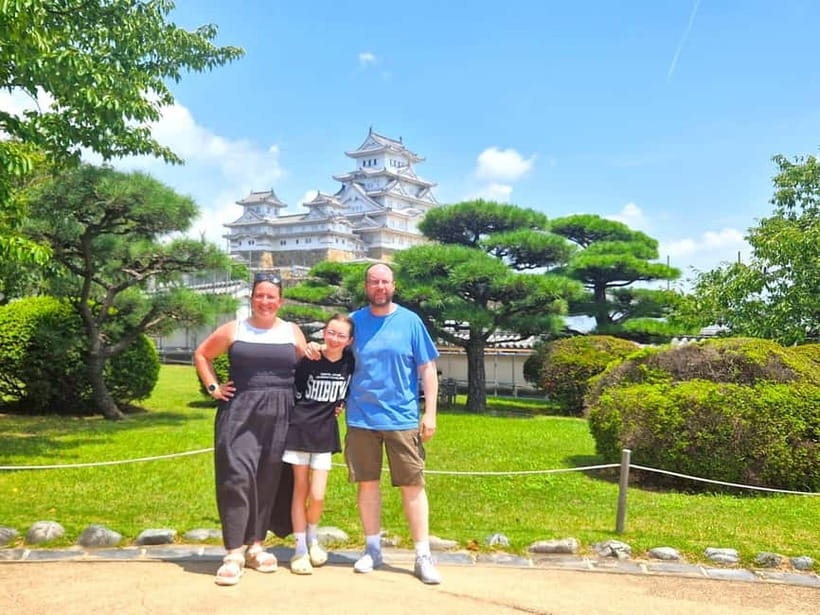
- Photo moment at the castle tower plus guidance on where to stand for great shots
- In-castle stories and trivia that explain what you’re actually looking at
- Kokoen Garden guided walk through ponds and seasonal blooms
- Small group or private options so you can ask questions without feeling shooed
- Strong guide track record, with many named guides praised for pacing and flexibility
Meeting at JR Himeji Station: Get Oriented Fast
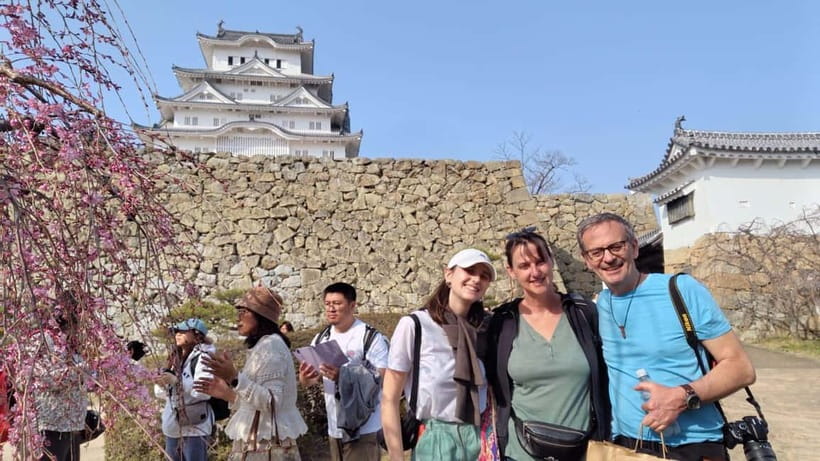
This tour starts right where it’s easiest: 姫路駅 (Himeji Station), at the front of the central ticket gate. Your guide will be holding a yellow sign with the DeepExperience logo, which makes that first meet-up painless even if you’re juggling a train timetable and jet lag.
The format is practical. You’ll have a live English or Japanese guide, and the group size can be private or small. That matters at Himeji, because the castle is a place where people either speed through or slow down to notice details. A smaller group makes it easier to pause, regroup, and ask questions without losing the flow.
Even better: multiple guides are praised for being punctual and attentive to what you want to see. In real life, that’s often the difference between a “check-the-box” tour and one that feels like a conversation.
Himeji Castle: Tower Views, White Walls, and a Photo You’ll Actually Use
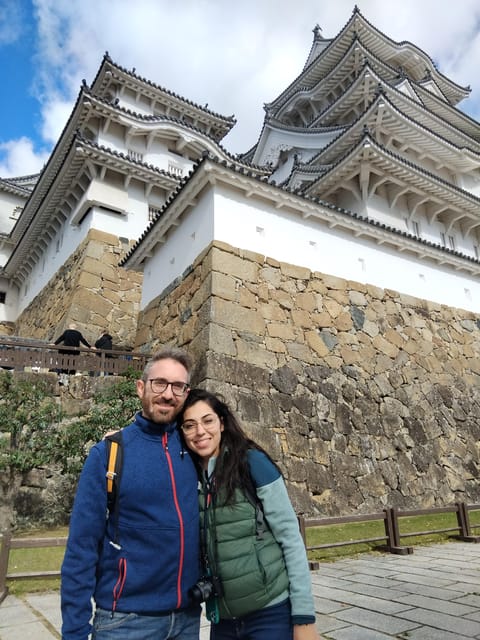
The main event is Himeji Castle, a castle that’s remained standing since the early 1600s and has survived centuries and even World War II bombings. It’s famous for its pristine white plaster exterior, which is why it’s nicknamed the White Heron Castle. It’s also UNESCO heritage, so you’re not only looking at something old—you’re looking at something protected and carefully maintained.
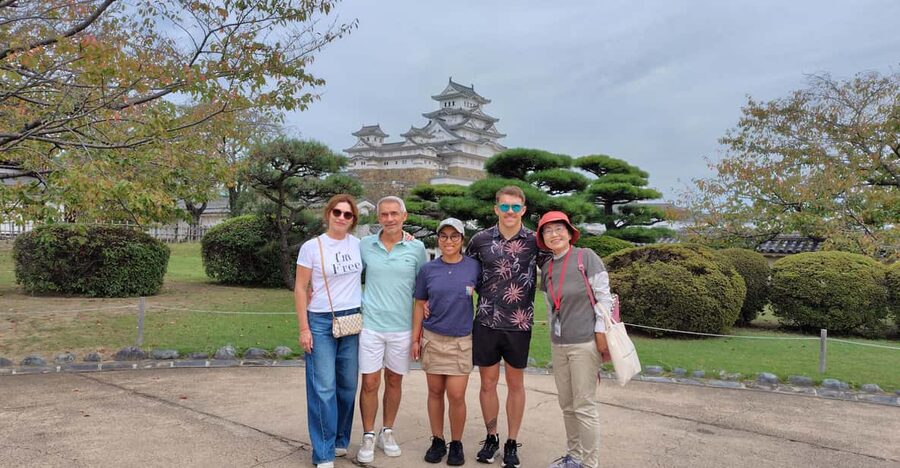
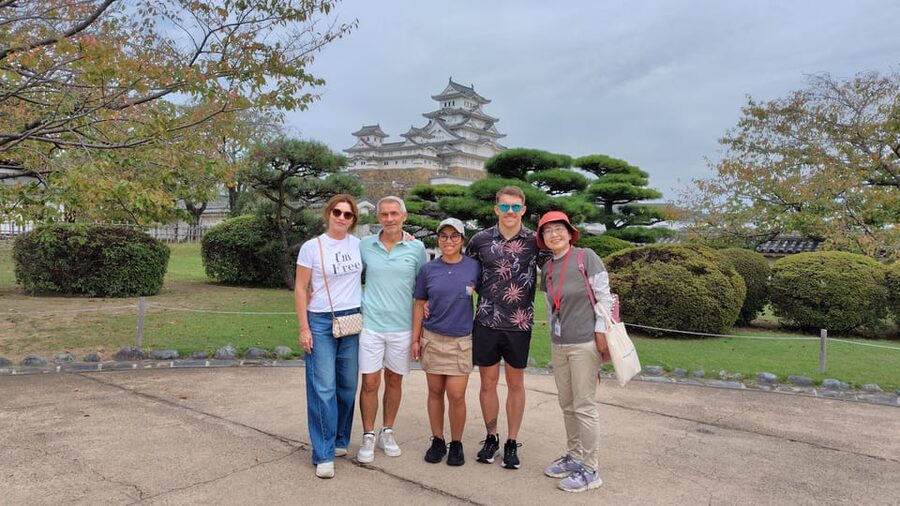
You’ll spend about 2 hours at the castle, with a guide walking you through the important parts. One of the best perks is the built-in photo moment in front of the castle tower. Guides are also known for steering you to strong viewpoint spots, so you’re not stuck taking photos from the most crowded corner.
A key detail: Himeji is not a “giant furniture museum.” One visitor noted that inside you mostly get bare rooms rather than the kind of staged armor-and-weapon scenes you might expect from some European castles. That’s not a deal-break; it changes the feel. You’re there to understand the structure, the layout, and why it’s such a standout example of castle design.
Also, plan for the way you walk inside. Several people mention the castle involves wooden stairs and that you may be asked to go in socks rather than shoes. That’s normal here, but it’s worth knowing in advance so you wear something that feels good on your feet.
The Castle Tower Is More Than a Viewpoint
Yes, you’ll want the views from the top. But what I like about this guided approach is that it helps you connect the physical layout to the purpose behind it.
A good guide doesn’t just say “this is the tower.” They explain how the different spaces work and why they mattered. In the experience, guides are praised for making the political importance of the castle clear and for pointing out architectural features most people miss while staring at the white exterior.
This is where the guide’s style matters. Some guests highlight guides who are patient with lots of questions, including details about myths, legends, and what each space was for. If you’re the type who keeps asking why a building is shaped a certain way, you’ll likely feel at home.
There’s also a practical side to having someone lead you. Himeji is big, and the stair-and-corridor flow can make you feel turned around if you’re self-guiding. With a guide, you’re less likely to miss the “oh, that’s why this matters” moments.
One more useful tip: if you like collecting souvenirs, ask your guide about the castle’s collectible stamp spots. At least one visitor specifically recommends asking early so you don’t scramble later when the line—or your energy—runs low.
Plan Your Stamina: 100+ Steps Inside the Castle
Here’s the honest consideration: the tour requires climbing over 100 steps inside Himeji Castle. That’s not just marketing “lots of stairs.” People who have difficulty walking are advised against booking. And the tour is not suitable for mobility impairments, at least based on the tour’s stated guidance.
So if you’re deciding whether to go, ask yourself two questions:
1) Can you handle repeated stair climbs for an extended visit?
2) Are you comfortable with sock-on-wood walking and indoor stair flow?
If the answer is even slightly uncertain, consider skipping this specific tour or choosing a version that reduces time inside. The guide will still help you make the most of what’s possible, but physics wins.
Kokoen Garden: The Calm Counterpoint to the Castle Climb

After the castle, you’ll head to 好古園 (Kokoen Garden) for about 1 hour of guided time. This part is a smart change of pace. The castle is intense—stairs, angles, and big-picture structure. Kokoen is about water, seasonal blooms, and slow wandering.
Guides focus on the garden’s serene ponds and the seasonal changes, so you’re not just walking through greenery without context. And this is where you might appreciate a smaller group. You can linger at the water edges, take photos without blocking others, and actually enjoy the quiet.
A couple practical notes to keep your expectations realistic:
- Some areas may be closed for repairs at times, so you might not see every corner.
- If you’re a photography person, a guide can help you find calmer angles away from heavy foot traffic.
One extra surprise reported by a visitor: a brief tea ceremony can come up, and they noted it didn’t take long. They even mentioned the wooden stick is used like a knife/fork for a rice cake. If you see it offered in your flow, it’s the kind of small cultural add-on that fits the day well.
Shoshazan Engyo-ji Temple: Stories That Make the Place Feel Lived-In
The tour then includes Shoshazan Engyo-ji Temple with about 2 hours of guided time. This is the cultural anchor that rounds out the day. If Himeji Castle is about strategy and architecture, Engyo-ji is about spiritual atmosphere and how people have understood places like this over time.
What you’ll get here depends on the exact route and timing, but guides are praised for storytelling—myths, legends, and context that connects what you’re seeing to Japanese history and culture. Some guests specifically mention that guides were great at weaving in broader discussions, from Japanese culture to fun comparisons with their home countries.
This stop can also be a relief if the weather turns. One visitor praised a guide for taking extra care when it was raining for the whole day. In practice, a guide helps you stay focused even when you’d rather just dodge the weather and rush to the next stop.
The big takeaway: this isn’t only sightseeing. With a good guide, a temple visit becomes a “you’ll remember this later” moment.
Guide Quality Is the Real Upgrade (Not Just the Route)
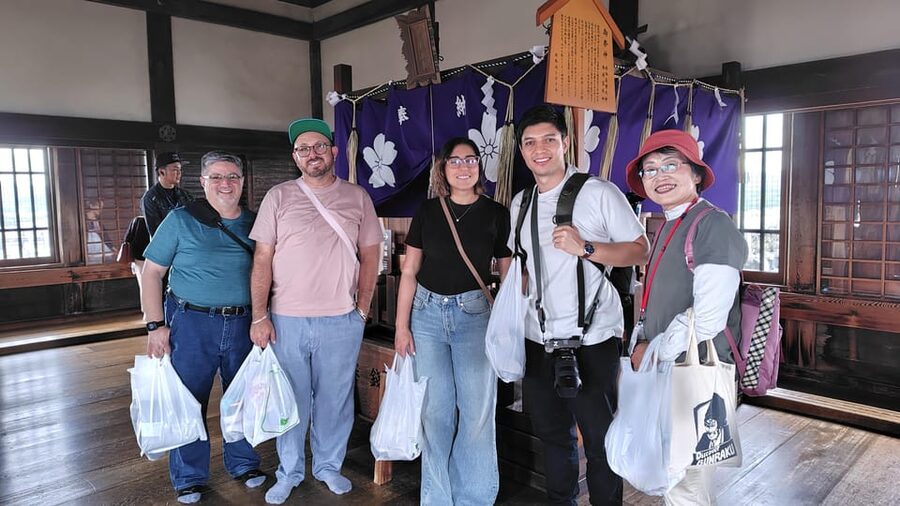
The route is solid: castle, garden, temple. But the repeated theme from named guides is that the experience gets better when the guide personalizes the day.
You’ll see this in details people highlight:
- Guides tailoring the tour to what they want to see (one guest even singled out Naoko for adapting based on specific interests)
- Guides answering questions broadly, not only castle facts
- Guides making photo taking easier, including positioning and timing
- Guides keeping a pace that feels right, so you’re not exhausted halfway through
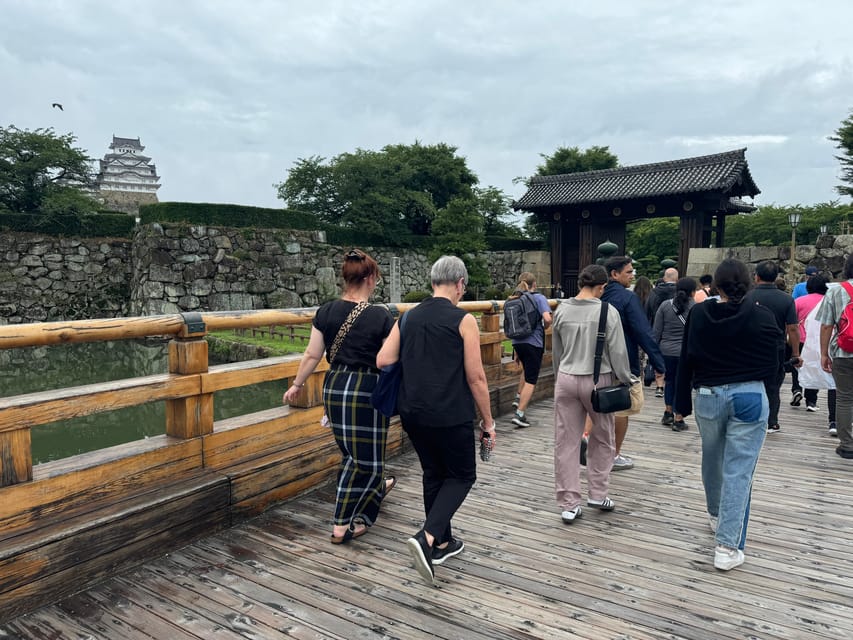
There’s also a human side. Several guests mention a friendly start—walking from the station with time for conversation—and that the guide helped them connect with the group. If you’re traveling solo, that can be unexpectedly helpful.
Because this is private or small-group available, you’re less likely to feel swallowed by a crowd. At Himeji, that matters. The castle’s flow is narrow in places, and a smaller group makes movement smoother.
Timing Tips: Start Early and Save Your Energy
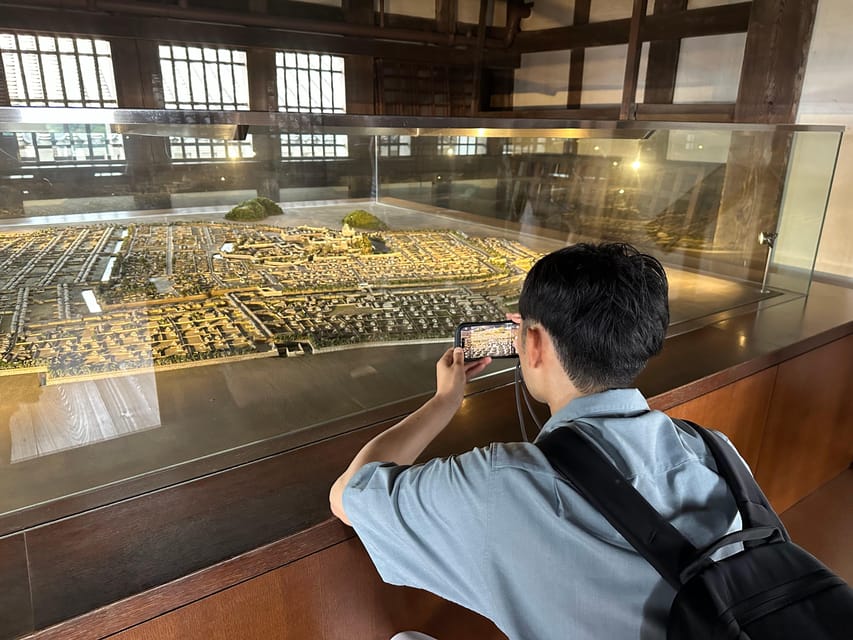
Even without knowing your exact departure time, you’ll benefit from the general Himeji logic: earlier tends to be better. One visitor specifically said starting around 9:00 helped because later crowds become huge. That’s consistent with how popular UNESCO sites work in Japan—morning has more room to breathe.
Also, the tour’s total duration is listed as 150 to 450 minutes, depending on the option you choose. That wide range is your clue that timing is flexible. If you’re a slow walker or you want more photo time, pick the option that gives you slack rather than squeezing the day.
For your own planning, build in buffer for:
- stair fatigue inside the castle
- time to warm up or cool down depending on weather
- the mental switch from castle intensity to garden calm
Price and Value: What You’re Paying For at $83
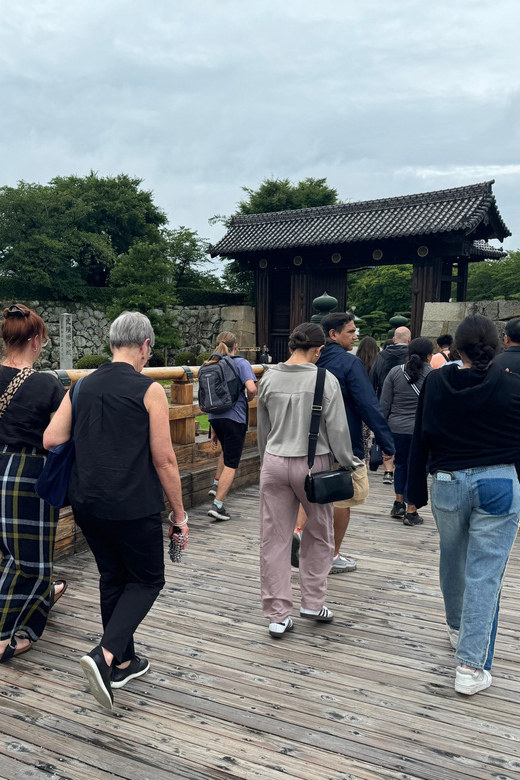
At $83 per person, this tour isn’t trying to be the cheapest option around. Instead, it bundles the things that are hard to DIY well at a UNESCO castle complex: structured guidance, on-site interpretation, and someone who knows where to take you and when to pause.
You get a live guide, and your booking includes entry to Himeji Castle. The garden and temple are part of the guided program, but entry specifics aren’t stated for every component in the general inclusions list. One guest did mention that garden entry was included in their original booking price, so it may depend on the option you select. Either way, the guided time is the backbone of the value.
Here’s how to judge whether it’s worth it for you:
- If you care about architecture, design purpose, and history details, the guide is the main product—and at $83, it can be a fair deal for the time you get.
- If you’re the type who likes reading signs and wandering independently with zero questions, you might feel the money could be spent elsewhere.
- If you’re time-limited, guided flow saves energy. You don’t have to figure out what matters first.
For many people, the decision comes down to one thing: do you want the castle to be a visual wow, or a meaning-revealing experience? This tour leans toward the second.
Who Should Book (and Who Should Skip)
This tour is a great fit if:
- you’re interested in Japanese architecture and castles
- you want your questions answered instead of interpreting on your own
- you like photo assistance and viewpoint guidance
- you want a full half-day to day experience that includes castle + garden + temple
It may not be the right fit if:
- you have trouble with stairs or long walking
- you need step-free access (it’s stated as not suitable for mobility impairments)
- you prefer to move at your own pace without scheduled guide stops
Good news: even within the active nature of the route, guests describe guides who are flexible and attentive to comfort needs, including those dealing with bad weather.
Should You Book This Himeji Castle Guided Tour?
If you want Himeji Castle to make sense—not just look stunning—this is a smart booking. The guide-led format turns the tower, the stair flow, and the site layout into a guided story you can actually follow, and the added stops at Kokoen and Shoshazan Engyo-ji make it feel like more than a single-site visit.
Just be honest about your stamina. If climbing 100+ steps is a stretch for you, don’t gamble on “I’ll manage.” Instead, look for a step-light alternative.
If you can handle the walking, book it. The combination of UNESCO-grade sights, garden calm, temple context, and guides praised for pacing and responsiveness is exactly the kind of day that sticks with you long after you leave Himeji.
FAQ
Where do I meet the guide?
Meet your guide in front of the central ticket gate at JR Himeji station. The guide will be holding a yellow sign with the DeepExperience logo.
What’s included in the tour price?
The included items listed are a guide and entry to Himeji Castle.
How long is the tour?
The duration is listed as 150 to 450 minutes, depending on the option and starting time available.
What stops are included during the day?
You’ll visit Himeji Castle, then take a guided tour in Kokoen Garden, and also have a guided visit at Shoshazan Engyo-ji Temple.
What languages does the guide speak?
The tour offers live guiding in English and Japanese.
Is it a private or small-group tour?
Yes. Private or small groups are available.
How many steps should I expect?
The tour requires climbing over 100 steps inside the castle.
Is this tour suitable for mobility impairments?
No. It’s advised against for people who may have difficulty walking, and it’s stated as not suitable for mobility impairments.
Where will I be dropped off at the end?
Drop-off locations listed are Himeji Castle, Kokoen Garden, and JR Himeji station.