REVIEW · HOI AN
Unseen Hoi An Ancient Town – Food & Culture Walking Tour
Book on Viator →Operated by Hoi An Hungry Belly Tours & More · Bookable on Viator
Follow the smells, skip the tourist maze. This morning food and culture walking tour in Hoi An keeps you in the lanes locals use, with short visits that explain what you’re eating and why it matters. It runs about 3 to 4 hours and caps at 8 people, so you’re not stuck watching from the sidelines.
I especially like how the tour mixes food with production. You’ll start at an old-style Cao Lầu noodle factory, then continue to bean sprouts, a local market, and family-run stops where ingredients come from. I also like that breakfast and more than one eating moment are included, with coffee or tea, bottled water, and favorites such as Vietnamese baguette-style food.
One consideration: if you want to enter temples and old houses inside Hoi An Ancient Town, you’ll need to buy that admission separately. That’s not included, even though the tour ends near the old town area.
In This Review
- Key highlights if you want the real Hoi An feel
- A 7:15 am start that makes the whole city feel calmer
- Where you meet and why the ending location is convenient
- The backstreet walking route that keeps you away from the show
- Cao Lầu at the start: noodles, technique, and the story behind the bowl
- Bean sprouts and organic produce: the crunch has an origin
- Market time in Hoi An: how locals actually shop
- Eating moments that feel like breakfast and brunch, not a snack parade
- Coffee and tea, plus a morning pace that respects your appetite
- What to know before you go: weather, tickets, and comfort
- Guides make the difference, and this one has real personality
- Who this tour fits best
- Price and value: why $39 feels fair here
- Should you book Unseen Hoi An Food and Culture?
- FAQ
- How long is the Unseen Hoi An Ancient Town Food & Culture Walking Tour?
- Where do I meet, and where does the tour end?
- What’s included in the price?
- Do I need an Ancient Town ticket for this tour?
- Is this tour suitable for people with mobility issues?
- What happens if I need to cancel?
Key highlights if you want the real Hoi An feel
- Cao Lầu noodle maker visit: See an older production process up close and learn how the noodles come together.
- Bean sprouts grown locally: You’ll meet the people behind fresh sprouts and connect the crunch to how it’s made.
- Local market time: You get a practical look at produce and everyday ingredients locals use.
- Eat as you walk: Breakfast plus additional brunch-style food, coffee or tea, and bottled water keep the morning comfortable.
- Small group format: With a maximum of 8, your guide can actually answer questions and keep the pace friendly.
- Easy end near the Ancient Town: The tour finishes close enough to walk back toward sightseeing or hop in a taxi.
A 7:15 am start that makes the whole city feel calmer
This is a morning-style tour for a reason. You start at 7:15 am, when backstreets feel less chaotic and the food world is already in motion. The timing also means you’ll be eating breakfast during prime morning hours, not later when everything feels rushed.
You’re also walking with a small group (up to 8). That matters here because much of the value is in the stops. When the group is tight, you can see what’s happening at each place, ask questions, and move at a human pace.
You can also read our reviews of more tours and experiences in Hoi An.


Where you meet and why the ending location is convenient
You meet at 01 Nguyễn Đình Chiểu, Cẩm Sơn, Hội An, Quảng Nam, Vietnam and finish at 20 Đường Phan Bội Châu, Cẩm Châu, Hội An, Quảng Nam, Vietnam. The best part for planning: the finish point is near the Old Town, and it’s described as about a 5-minute walk back toward the historic area.
There’s no hotel pick-up or drop-off included. So you’ll want to be ready to get to the start point on your own (taxi, grab-style rides, or a short walk depending on where you’re staying).
The backstreet walking route that keeps you away from the show
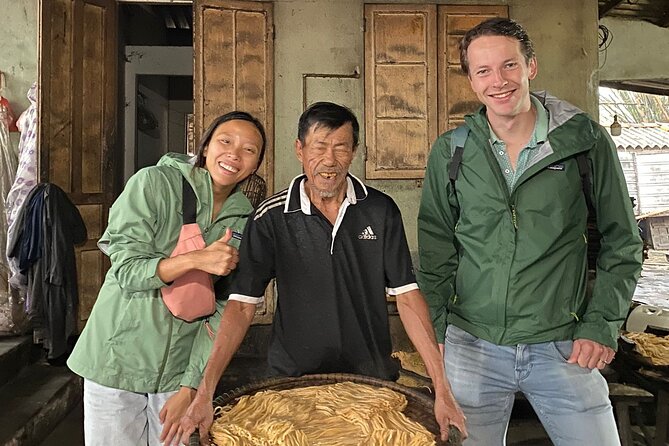
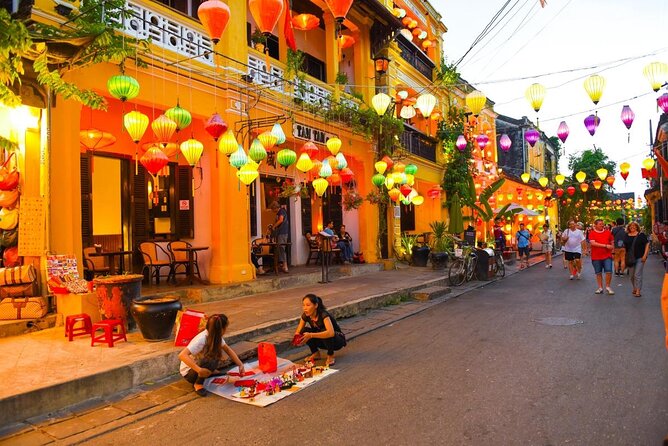
The core idea is simple: walk the lanes used by locals, not the main drag. You’ll spend time in alleyways and small streets that most people only notice after they’ve already explored a bit. For me, that’s the difference between eating in a great spot and learning how daily life creates the food.
This tour also helps you read what you’re seeing. Instead of just passing storefronts, you’ll connect places to ingredients and routines. That makes the morning feel less like a checklist and more like you’re getting your bearings fast.
Cao Lầu at the start: noodles, technique, and the story behind the bowl
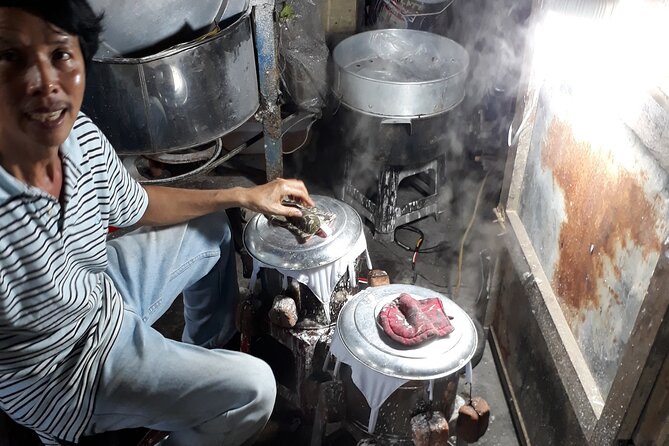
A big reason people love this tour is the opening stop at the oldest Cao Lầu factory. You don’t just hear the name. You learn how Cao Lầu noodles are made, which gives you a clearer sense of why this dish has a distinct character in Hoi An.
Even if you already know Cao Lầu from menus, a factory visit changes how you taste later. You start noticing textures, not just flavors. And it’s easier to understand why certain ingredients and methods matter, because you’ve seen the steps in real working conditions.
A practical note: you’ll be walking soon after. So bring comfortable shoes. You’ll likely want to keep your camera ready, but also be present, since the point is seeing the process rather than only photographing it.
Bean sprouts and organic produce: the crunch has an origin
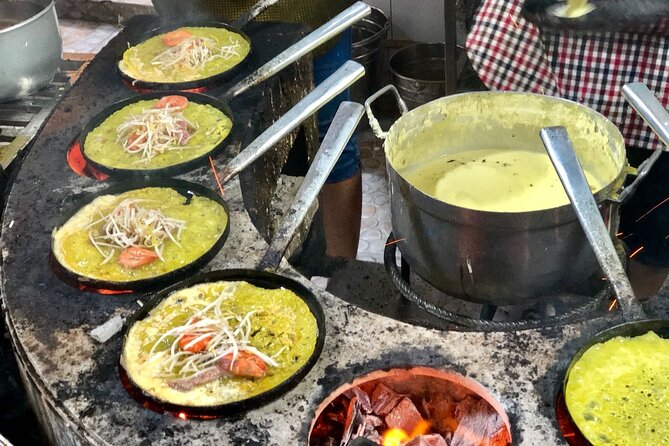
After the Cao Lầu introduction, the tour shifts to local bean sprouts, including how they’re grown and handled. This isn’t a random health-food stop. It’s part of the way Hoi An builds meals around fresh, everyday ingredients.
The tour framing here is smart: you see ingredient production, then you eat. That makes your breakfast and brunch feel earned, not just “included food to fill time.” When you’re tasting sprouts later, you’ll know more than the flavor. You’ll understand that freshness isn’t accidental.





Market time in Hoi An: how locals actually shop
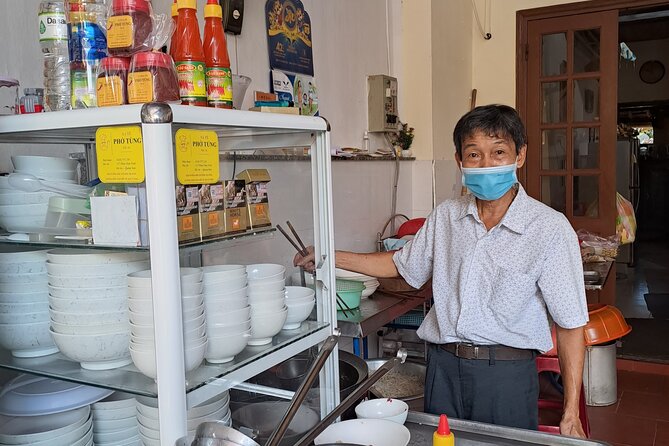
You’ll also explore a local market during the morning walk. Markets are where travel plans often get vague, but here the focus is practical: you’re introduced to local produce and the kinds of ingredients that support the dishes you’ll try.
Think of this as learning the grocery logic behind street cooking. You’ll start noticing what’s common, what’s seasonal, and what ingredients show up again and again. That helps you shop smarter later if you decide to buy snacks or ingredients on your own.
Eating moments that feel like breakfast and brunch, not a snack parade
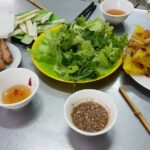
Food is the main event here. The tour includes breakfast, plus brunch, with coffee and/or tea and bottled water. You’ll also try generous dishes along the route, including locally favored items such as Vietnamese baguette-style food.
What I like about this setup is that it’s not built around a rushed series of tiny tastes. The inclusion of breakfast and brunch means you can eat enough to keep going for the rest of the day. It’s also more comfortable in the humid mornings, because you won’t be waiting hours between “food moments.”
Also, the tour mentions visiting local houses and using local family support. That’s a subtle but important detail. It helps explain why the food feels connected to real households and not just staged for a group.
Coffee and tea, plus a morning pace that respects your appetite
You’ll get to try Vietnamese coffee or tea during the tour. It’s timed well for a walking morning, especially after the first production stop when you’re ready to sit for a moment and regroup.
Keep in mind you’re on your feet for about 3 to 4 hours. If you’re the type who hates slow wandering, you’ll probably still enjoy it because the stops are purposeful: factory, sprouts, market, then eating. You’re not drifting. You’re moving with reasons.
What to know before you go: weather, tickets, and comfort
This experience is described as requiring good weather. If the tour is canceled due to poor weather, you’ll be offered a different date or a full refund. So if your schedule is tight, try to pick a morning date you can flex.
You’ll also want to plan for the Ancient Town admission separately. Temples and old houses inside the Ancient Town aren’t automatically covered. If that’s high on your list, budget for the separate ticket.
Lastly, it’s not recommended for travelers with mobility problems. Since it’s a walking tour with stops in older lanes and workplaces, assume uneven surfaces and lots of short transitions.
Guides make the difference, and this one has real personality
The guides are a standout part of the experience. Names you’ll see mentioned are Pinky and Hong (often referenced as Pinky in personal stories). People highlight that the guide is friendly, funny, and speaks great English, plus that they answer questions in a way that actually helps you connect food to culture.
In a tour like this, guide energy matters. You’ll get more out of the factory and market stops if someone explains what you’re seeing in plain language. Based on the consistent praise, that’s exactly how this morning tour is run.
Who this tour fits best
This is a great match if you want:
- Hoi An street food without the main-strip chaos
- A morning activity with real food stops, not just sightseeing
- A small-group format where you can ask questions and keep moving at a comfortable pace
It’s also a strong pick for solo people, because the small group size helps you feel included. If you’re traveling with friends who like both food and a bit of culture, this is the kind of tour that gives everyone something to talk about later.
If you hate early mornings, then the 7:15 am start might be your biggest hurdle. And if mobility is an issue, choose a different activity that’s less walking-heavy.
Price and value: why $39 feels fair here
At $39.00 per person for about 3 to 4 hours, this tour can feel like good value because several key items are included: breakfast, brunch, coffee and/or tea, and bottled water. You’re also paying for more than eating—you’re paying for access to production-style stops and market time.
The “value” isn’t just the food quantity. It’s the structure. You see how things are made, then you taste them, then you learn how ingredients show up in the dishes you’re eating. That turns your morning into something more useful than a random meal crawl.
One more practical point: this tour is often booked far ahead, with an average booking window of about 145 days. If you’re going during a busy season, plan early and don’t assume you can book last-minute.
Should you book Unseen Hoi An Food and Culture?
If you want a small-group morning that blends production, markets, and real eating, this tour is an easy yes. It’s built for people who like learning by doing: you walk the backstreets, see ingredients come from working producers, and eat breakfast-style food without constant extra purchases.
Skip it only if you’re set on visiting temples and old houses inside the Ancient Town as part of this same morning, because the Ancient Town admission isn’t included. And if walking is difficult for you, you’ll be happier with a less walking-heavy alternative.
FAQ
How long is the Unseen Hoi An Ancient Town Food & Culture Walking Tour?
It runs about 3 to 4 hours.
Where do I meet, and where does the tour end?
You start at 01 Nguyễn Đình Chiểu, Cẩm Sơn, Hội An, Quảng Nam, Vietnam and finish at 20 Đường Phan Bội Châu, Cẩm Châu, Hội An, Quảng Nam, Vietnam.
What’s included in the price?
The tour includes breakfast, brunch, coffee and/or tea, bottled water, and local family support.
Do I need an Ancient Town ticket for this tour?
Ancient town admission is not included. If you want to enter temples and old houses in the Old Town, you’ll need to buy that admission separately.
Is this tour suitable for people with mobility issues?
It’s not recommended for travelers with mobility problems.
What happens if I need to cancel?
You can cancel for a full refund if you cancel at least 24 hours before the tour start time. If canceled less than 24 hours before, the amount paid is not refunded.