REVIEW · MISSOURI
History Tour of Pythian Castle in Springfield Missouri
Book on Viator →Operated by Pythian Castle · Bookable on Viator
Springfield has a castle story you will not guess. You get a guided walkthrough of Pythian Castle with a mix of local history, entertainment, and even the lore of famous ghosts. I love how the tour starts with a short setup video, so the Knights of Pythias context clicks fast, and I also love the variety of rooms you actually get to see, from the main-floor gathering spaces to the basement cells.
One heads-up: in the big rooms, the guide can be a little harder to hear at times, especially if the group spreads out. Plan for stairs with resting points, and if you are sensitive to uneven acoustics, sit where you can face your guide and keep your ears open.
In This Review
- Key highlights worth planning for
- Getting Oriented at Pythian Castle’s Address
- The 6-Minute Intro Video That Sets Up the Whole Story
- Main-Floor Tour: Lobby, Ballroom, and Buffet Rooms
- The Ghost Stories Factor (And How to Enjoy It)
- Going Down to the Basement WWII POW Cells
- Second-Floor Theater: Where the Stories Add Up
- Ending at the Tower Room, the Highest Point on the Grounds
- What the Stairs Mean for Real People
- Group Size and Why Acoustics Can Matter
- Family-Friendly Without Being Babyish
- Value: What You Get for Your Ticket
- Pairing It With Other Castle Activities
- Should You Book the Pythian Castle History Tour?
- FAQ
- How long is the Pythian Castle history tour?
- Where does the tour start?
- Is the tour offered in English?
- What parts of the castle will I visit?
- Is the tour wheelchair accessible?
- Does the tour involve stairs?
- Is it family friendly?
- Does it run in bad weather?
- Does the tour require a minimum number of guests?
Key highlights worth planning for
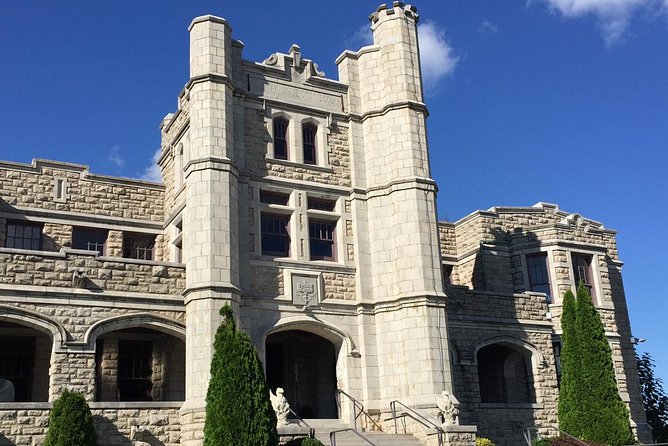
- A 6-minute Knights of Pythias intro video to get the story straight before you start walking
- Main-floor rooms like the lobby, ballroom, and buffet rooms, tied to real people and big moments
- Basement WWII POW cells with a close-up, hands-on feel to the darker history
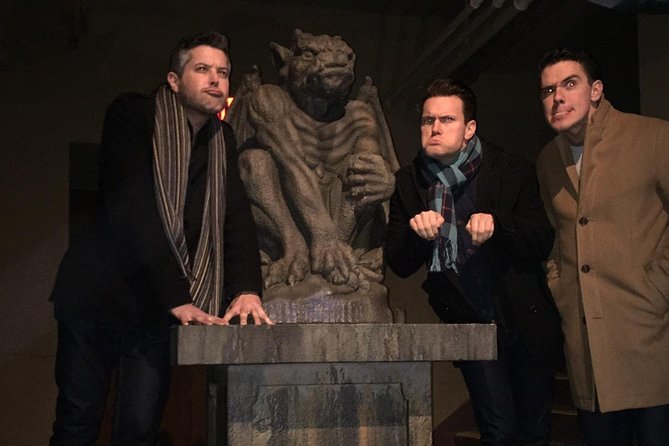
- Gargoyles watching over the dungeon area, adding a creepy-cool edge
- A second-floor theater space where the guide layers in more castle history
- Ending in the tower room at the highest point on the grounds, so you finish strong
Getting Oriented at Pythian Castle’s Address
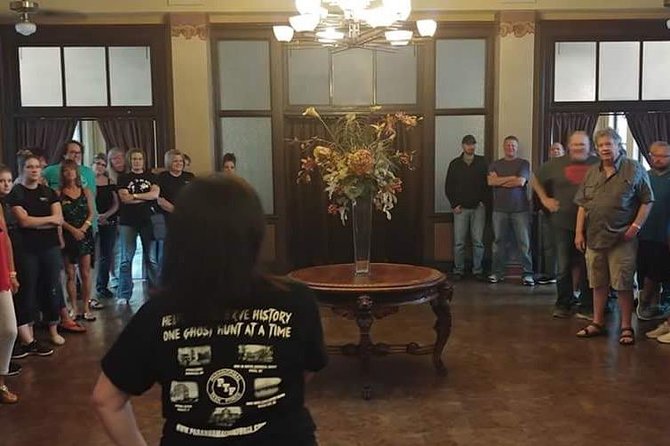
Your tour begins at 1451 E Pythian St, Springfield, MO 65802. Check in with enough time to settle, because the experience really flows once you are inside with your guide and group.
This is a straightforward, walk-through style tour. Expect about 1 hour in total, with scheduling that can run closer to around 1 hour 20 minutes depending on how the tour is paced. It is offered in English, so you can relax and follow the stories without juggling translation apps.
Also note the format: you get an instant confirmation and a mobile ticket. That matters in practice. You will be able to show up with your phone, skip paper hunting, and start focusing on the rooms instead.
The 6-Minute Intro Video That Sets Up the Whole Story
Right at the start, you watch a 6-minute video introducing the Knights of Pythias and their idea of a Pythian home in Missouri. This is not just filler. It gives you the names, purpose, and “why this building exists” framing before you step into the space.
For me, this kind of short intro is the difference between passively looking at rooms and actually understanding what you are seeing. You learn the castle is not only architecture—it is a social and historical project built by a specific community.
Then your accredited guide takes over and you move through the house. The tour blends history with fun facts, which is a good fit if you want your learning to feel like a story, not a lecture.
Main-Floor Tour: Lobby, Ballroom, and Buffet Rooms
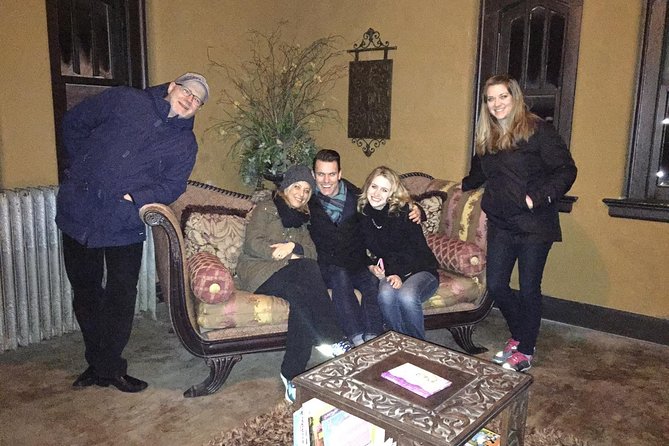
After the intro, you follow your guide through key spaces on the main floor. You will spend time in the main-floor lobby, ballroom, and buffet rooms. These rooms are where the castle’s personality shows up first.
Here is the practical value: these are bigger, more social spaces, so they are ideal for hearing the “who and why” behind the castle. The guide connects the building to people who used it over the years, including references to celebrities, orphans, and military members.
This is also where the tour’s entertainment angle comes through. You are not just looking at walls—you are getting a guided narrative of how the castle functioned as a home and a stage for community life. If you like history that feels human, this portion hits well.
The Ghost Stories Factor (And How to Enjoy It)
One of the highlights is that you will hear about the castle’s famous ghosts. Even if you are not into spooky stuff, this works because it stays tied to place and story.
My advice: treat the ghost talk like local folklore. It gives the tour a “why does this building feel different?” flavor, without needing you to believe every detail literally. You get a fun layer on top of the history, and that makes the tour more memorable—especially if you are visiting with kids.
Going Down to the Basement WWII POW Cells
The basement stop is the emotional gear shift. You descend into basement cells that housed prisoners of war during WWII. This is the part where the castle stops feeling like a purely theatrical place and becomes a site of real wartime history.
Expect a dungeon-like atmosphere. The tour takes you into a space designed for confinement, and your guide explains the castle’s WWII role in a way that makes the architecture meaningful. You are seeing a building that has been used for very different purposes—social life upstairs, confinement below.
And yes, there is a visual detail that sticks with you: you will find gargoyles that still keep watch over the dungeon. That mix of grim and gothic imagery is exactly what makes this castle tour different from the usual “here’s a room, now move along” approach.
Second-Floor Theater: Where the Stories Add Up
After the basement, you go back up to a second-floor theater area for more storytelling. This stop is useful because it helps connect the dots.
You are not just hearing isolated facts. The guide layers in additional context about the castle’s history, so the earlier main-floor rooms and the darker basement cells feel like parts of one larger timeline. If you like your tours to feel organized, this middle section does that work for you.
This is also a good moment to pace yourself. The tour involves stairs, but the experience includes resting points along the way, which helps you keep up without rushing.
Ending at the Tower Room, the Highest Point on the Grounds
You finish in the tower room, described as the highest point on the castle grounds. This finale has a nice payoff effect. After moving through spaces on different levels, you get a “top of the story” moment.
It also works as a natural conclusion. By the time you reach the tower, you have already seen how the castle functioned socially, how it handled darker chapters in wartime, and how the guide framed those changes. Finishing at height helps the whole experience feel complete.
If you want a photo, this is often the best spot to wrap up. Keep your expectations realistic—this is a tour, not a private photoshoot—but you should have a chance to capture the sense of the place from up high.
What the Stairs Mean for Real People
Let’s talk physical reality. Tours involve climbing stairs. There are resting points along the way, but it is still a multi-level walking experience.
Here’s the accessibility fact that matters most: only the main floor is wheelchair accessible. If you need full accessibility, you should plan around that limitation and ask questions ahead of time.
My practical advice: wear supportive shoes. Even if you are okay on stairs, castle floors can feel uneven or older. Also consider the time of year. It operates in all weather conditions, so dress for Missouri seasons and be ready for temperature changes as you move from one space to another.
Group Size and Why Acoustics Can Matter
The tour can have up to 25 travelers. That is not tiny, but it is also not so large that you feel totally lost.
Still, one review point matches what I would watch for: in large rooms, it can be hard to hear the guide at times. This is not the tour’s fault; it is just acoustics and room size. Your best strategy is simple: stay where you can face your guide and avoid drifting to the back if you care about every detail.
Also remember there is a minimum group size requirement of 4 guests for the tour to take place. If that minimum is not met, the operator may cancel after confirmation. In that situation, you should be offered an alternative or a full refund.
Family-Friendly Without Being Babyish
This tour is family friendly, and it is easy to see why. You get a mix of hands-on-feeling rooms, entertaining storytelling, and a ghost-history blend that many kids find interesting.
There is enough structure to keep attention, and plenty of variety so boredom has nowhere to land. If you have a 9-year-old or a curious younger kid, this is the kind of place where imagination does well alongside facts.
That said, it’s still a history tour with stairs and a basement section tied to WWII captivity. You know your child best. If you are worried about the basement mood, you can gauge comfort level during the tour and talk with the guide if you need pacing.
Value: What You Get for Your Ticket
There is no mystery about what you pay for here. Your ticket includes a professional guide and local taxes. You also get access as the guide brings you through many parts of the castle, including the main floor, basement cells, second-floor theater, and tower room.
For value, the key is time plus guidance. A castle like this can be hard to understand on your own. The guide’s job is to translate the rooms into stories you can remember—who used these spaces, what happened here across different eras, and how the castle’s identity evolved.
I also like that you are not stuck waiting around. With the instant confirmation and a structured walkthrough, the tour feels like a complete package rather than a slow shuffle through hallways.
If you are staying in Springfield for a short window, this is also the kind of activity that adds variety. You get history with atmosphere, not just a list of dates.
Pairing It With Other Castle Activities
The castle complex tends to offer more than one type of experience. If you end up loving the place, you might see other options like a ghost tour, an escape room, or a mystery dinner.
That matters because it lets you choose your style. The history tour gives you the foundation. Then you can decide if you want a more interactive or spooky angle afterward, depending on your group.
Should You Book the Pythian Castle History Tour?
Book it if you want an hour-long guided history experience that feels like a story, not a lecture. You should especially like it if you enjoy old buildings with real uses over time—social rooms up top, wartime history below, and folklore layered in like seasoning.
Skip or rethink it if stairs are a deal-breaker. Wheelchair access is main-floor only, and the tour moves through multiple levels with climbing involved. Also consider whether you are sensitive to hearing challenges in big rooms; staying positioned and facing your guide makes a big difference.
If you time your visit for good energy—comfortable shoes, weather-ready clothing, and the willingness to listen closely—you will leave with a strong sense of what this castle represents in Springfield’s past.
FAQ
How long is the Pythian Castle history tour?
The tour is listed at about 1 hour. The experience details also indicate it may run around 1 hour 20 minutes, so plan for a bit of extra time.
Where does the tour start?
Meet at 1451 E Pythian St, Springfield, MO 65802. The tour ends back at the meeting point.
Is the tour offered in English?
Yes. The tour is offered in English.
What parts of the castle will I visit?
You will go through the main floor (including the lobby, ballroom, and buffet rooms), descend to the basement cells, visit a second-floor theater, and end in the tower room.
Is the tour wheelchair accessible?
Only the first floor is wheelchair accessible. Tours involve stairs to reach other levels.
Does the tour involve stairs?
Yes. The tour involves climbing stairs, though there are resting points along the way.
Is it family friendly?
Yes, it is family friendly, and it is designed to be engaging for visitors of different ages.
Does it run in bad weather?
Yes. The tour operates in all weather conditions, so dress for the conditions.
Does the tour require a minimum number of guests?
Yes. A minimum of 4 guests is required for the tour to take place, and there is a possibility of cancellation after confirmation if the requirement is not met, with an alternative or full refund offered.