REVIEW · MADRID
Madrid Tapas, Traditions & History Tour
Book on Viator →Operated by Spain Food Sherpas · Bookable on Viator
Madrid tapas sounds simple. It isn’t, once you hear the stories behind the plates. I love the small-group feel (maximum 10) and how the guide ties each bite to Spanish ham curing and culinary tradition. I also like that you get multiple real tastings plus a proper tapas dinner, not just a snack-and-skip route. The main drawback: you’ll walk between stops for about 3.5 hours, so if you want a mostly seated experience, this isn’t it.
This tour is built around a central Madrid stroll—starting by Teatro Real in Plaza de Isabel II, then moving through the Royal Palace area and onto the dining stretch in Barrio de las Letras. You sample cheese, wine, chocolate, hot sauces, and ham, with one alcoholic drink at each stop (beer and soft drinks if you prefer). Quick heads-up: the description talks about Granada, but the actual route is Madrid, with landmarks like the Royal Palace and Plaza Mayor woven into the food breaks.
In This Review
- Key things to know before you go
- Starting in Plaza de Isabel II: Teatro Real to a Proper Food Mindset
- Royal Palace Walk-By: King Felipe IV and Madrid’s Big-Stage History
- The Taverns: Ham Curing, Cheese, and the Seven-Stop Taste Plan
- Ham: more than a slice
- Cheese and “why this pair works”
- Chocolate, too
- Vermouth, Wine, and the Sangria Question Locals Care About
- Plaza Mayor and the History Walk That Ties the Night Together
- The Tapas Dinner Finale: Gambas al Ajillo and Classic Plates
- How Long It Takes, What to Wear, and How the Group Moves
- Price and value: Is $112 actually fair for this kind of night?
- Who should book this Madrid tapas tour (and who should skip it)?
- Should you book Madrid Tapas, Traditions & History?
- FAQ
- What’s included in the Madrid tapas tour?
- How many food stops should I expect?
- How long is the tour, and how far do we walk?
- Is the tour group size small?
- Are drinks included, and can I choose non-alcohol options?
- Is there a vegetarian option?
- What’s the starting point and the ending point?
- What’s the minimum drinking age?
- What’s the cancellation policy?
Key things to know before you go
- Up to 10 people means you can ask questions and actually hear the guide.
- Seven food stops gives you variety without feeling rushed through one “tasting menu.”
- One drink per stop helps you compare styles, and you’ll learn why locals often skip sangria.
- Historic landmarks on the route keep the story grounded in real places like Plaza de Isabel II and the Royal Palace.
- Vegetarian option available—tell the operator when booking so you can plan meals properly.
Starting in Plaza de Isabel II: Teatro Real to a Proper Food Mindset
You’ll meet in the center of things at Teatro Real (Pl. de Isabel II, s/n). It’s a smart starting point because you’re in the thick of Madrid’s classic core, where old street life still sets the mood for food culture. Before you even reach the first tasting, the guide gets you thinking like a local: Spain isn’t just eating, it’s timing, technique, and tradition.
The first moment you’ll likely notice is how quickly the tour becomes about context. This isn’t only What does it taste like? It’s also Where does this come from, and why do people pair it this way? That matters, because tapas makes more sense once you understand how cured meats, cheese, and wine traditions developed around real neighborhood routines.
You’ll also spend time near Plaza de Isabel II, and the tour’s early history talk helps you “place” what you’re seeing. Even if you’ve visited Madrid before, this kind of guided orientation makes it easier to spot what’s meaningful rather than just photogenic.
You can also read our reviews of more tours and experiences in Madrid.


Royal Palace Walk-By: King Felipe IV and Madrid’s Big-Stage History
After the opening area, you move toward the Royal Palace of Madrid and the statue of King Felipe IV. This part of the route works well because it sets up the theme of tradition—Spain’s culinary identity didn’t form in isolation. It developed in cities with strong court influence, lively markets, and a strong culture of social eating.
The practical win here: you’re not just staring at buildings while hungry. The walk is timed so that the history talk supports the food later. When you learn about how cured foods became staples, you’ll be able to connect the dots to why ham and cheese show up everywhere, from taverns to family tables.
A small note on pacing: the route is an intentional mix of “look and learn,” with time to keep moving. If you’re the type who loves long museum-style stops, you might find this more like a guided walk-through. Still, for a food tour, it’s the right balance—busy enough to stay fun, calm enough to stay understandable.
The Taverns: Ham Curing, Cheese, and the Seven-Stop Taste Plan
Here’s where the tour earns its keep: the food stops. You’ll hit seven tasting moments across the evening, with four iconic taverns included and a final tapas meal. The guides approach these tastings like lessons you can eat—short, clear, and tied to what’s on your plate.
Ham: more than a slice
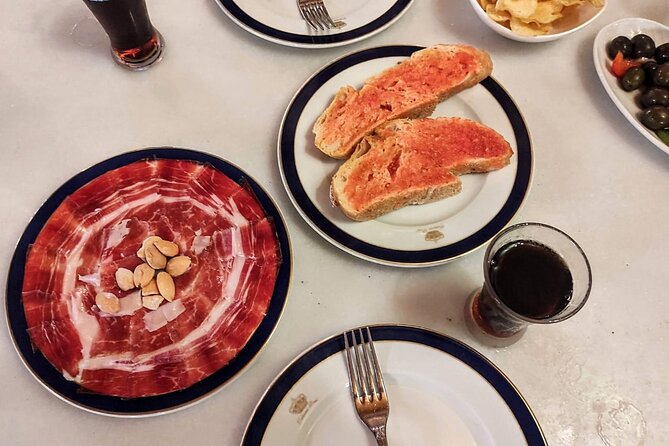
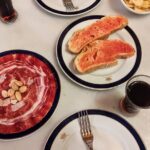
You’ll sample different hams and learn how ham is cured. That sounds technical, but it’s actually easy to understand on the ground. Curing isn’t just “making it last.” It changes texture and flavor over time, and the process is part of why Spanish ham tastes the way it does—deep, savory, and often slightly sweet.
For me, what makes this stop valuable is the comparison. You’re not limited to one type. You’ll learn the logic behind the taste differences, so later, when you’re standing in a shop in Madrid looking at labels, you’ll know what to ask for.
Cheese and “why this pair works”
You’ll also try local cheese. The point isn’t to turn you into a cheese sommelier. It’s to show how Spanish dining thinks in combinations—something salty with something mellow, something creamy with something crisp. Once you hear that explanation, tapas ordering stops being random.
And yes, you’ll get hot sauces. That’s a real advantage, because it shows tapas isn’t stuck in the safe lane. You’ll taste heat alongside rich foods, and you’ll understand how a strong sauce can actually make cured meats taste even better.



Chocolate, too
It’s easy to assume “tapas tour” means savory only. This one adds chocolate, which balances the whole sequence. It’s a gentle way to finish the flavor arc without feeling like you’re rushing into dessert right after wine.
Vermouth, Wine, and the Sangria Question Locals Care About
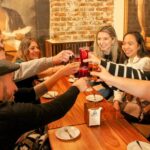
Drinks are part of the structure here. You get one drink at each stop, with alcoholic beverages included as described—plus beer and soft drinks if you’d rather not drink alcohol at every stop. This setup is better than a free-for-all because it guides your tasting, not your decisions.
One of the most memorable bits is the talk about why locals don’t drink sangria all the time—and what they do drink instead. You’ll learn the thinking behind vermouth and local wine choices, which matters because sangria tends to be marketed as Spain in a cup. Here, you get Spain in a glass with more specific identity.
You’ll taste wine during the tour and get vermouth introduced as a key part of the culture. The practical payoff: you won’t just remember what you drank. You’ll understand why a vermouth-style drink shows up before or alongside bites in Spanish tradition.
Also, if you care about non-alcoholic options, this tour is built with alternatives in mind. You can stick to soft drinks or beer without feeling like you’re missing the core “one drink per stop” rhythm.
Plaza Mayor and the History Walk That Ties the Night Together
Between tastings, you’ll do short history walks with key landmarks like Plaza Mayor along the way. This is not filler time. It helps you connect the dots between food and place. You’ll start to see the night as a route through the city’s social spaces, not just a list of restaurants.
Plaza Mayor, in particular, is a great “reset” point. You’re moving from one tavern environment to another, and the guide’s narration gives you an anchor. When you can “feel” where you are in the city, the food stories land more strongly.
It also keeps the tour lively. You’re not locked inside one venue for hours. You’re walking through Madrid while the guide keeps the story coherent.
The Tapas Dinner Finale: Gambas al Ajillo and Classic Plates
The end of the tour is a tapas restaurant meal, where you’ll savor small plates of traditional food. This is where the group’s pace starts to click—by now you’ve learned what each bite is trying to do, so the dinner doesn’t feel like an afterthought.
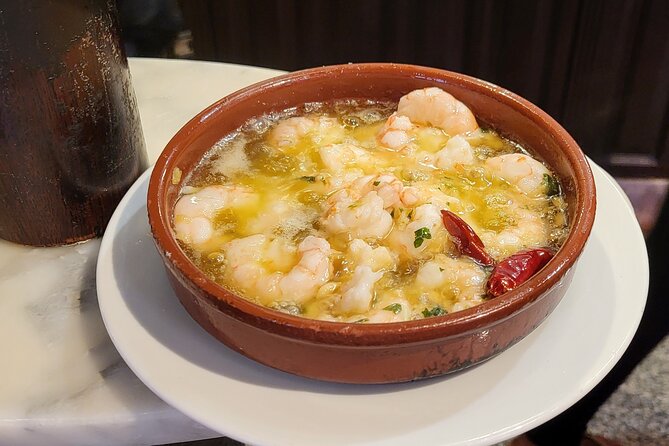
You can expect highlights like Gambas al Ajillo and a spread that includes everything from the Iberian ham you’ve been learning about to other classic tapas-style choices. Since the tour is designed around tasting, the dinner part should feel like a satisfying capstone rather than a heavy restaurant commitment.
If you’re hungry, this is also the most “you get your money’s worth” portion. Early stops often calibrate your palate; the dinner is where you relax and let everything come together.
How Long It Takes, What to Wear, and How the Group Moves
The tour runs about 3 hours 30 minutes and is designed for a maximum of 10 travelers. That small cap is meaningful. It keeps the group from splitting too much at landmarks and makes the guide’s explanations easier to hear.
You should have moderate physical fitness. Translation: expect a fair amount of walking. The route is in central Madrid, so it’s not hiking, but it’s not a sit-down “food court” either. Wear comfortable shoes you trust, and keep water in mind if you’re doing this in warmer weather.
The tour operates in all weather. That means you should dress for rain or sun. Bring a light layer you can adjust quickly, and if you’re sensitive to wind or drizzle, plan for it.
One more practical detail: there’s a minimum drinking age of 18. If you’re booking for a group that includes younger teens or mixed-age kids, this matters.
Price and value: Is $112 actually fair for this kind of night?
At $112, you’re paying for more than plates. You’re paying for a guided evening that blends:
- Seven food stops
- Four tavern visits
- One drink per stop (and alternatives if needed)
- A guided history walk through central landmarks
- Small-group pacing (max 10)
If you try to replicate this yourself, you’d likely spend comparable money just on multiple drinks and multiple tastings—plus you’d lose the “what you’re tasting and why” education. The value here is the guide’s ability to turn food into context. That’s what makes the tour memorable instead of forgettable.
Is it a bargain? It’s not “cheap.” But for a curated night that includes both history narration and multiple food-and-drink moments, it feels like solid value for a first-time tapas experience—or even a second visit when you want something more thoughtful than wandering.
Who should book this Madrid tapas tour (and who should skip it)?
This tour is a great fit if you:
- Want Spanish food culture explained in plain language
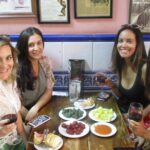
- Like a mix of walking + tasting, not just eating in one place
- Enjoy comparing flavors of ham, cheese, wine, and hot sauces
- Prefer a small group where you can ask questions
It may not be ideal if you:
- Need an entirely low-walking plan
- Want to drink as little as possible and would rather not include tastings tied to bars
- Are traveling with very young kids (it’s not recommended for children aged 5 and under)
Vegetarians should know there’s a vegetarian option, but you need to request it when booking so the kitchen can plan substitutions.
Should you book Madrid Tapas, Traditions & History?
If you like Madrid with context—street history, food traditions, and a guided route that gets you into the rhythm of tapas culture—this is a strong choice. The small-group size, the guided explanations, and the mix of cured ham, cheese, wine, and hot sauces make it more than a snack tour.
Book it if you want a night where you leave understanding what you ate and why. Skip it if you’d rather do tapas at your own pace with no structure. Either way, if you enjoy learning as you go, this tour offers a very efficient way to get your bearings and taste your way through the city.
FAQ
What’s included in the Madrid tapas tour?
You’ll get four iconic stops at historic Madrid taverns, a tapas dinner, and one drink at each stop. The guide also includes history walks between tastings at key landmarks, and there’s an expert local guide.
How many food stops should I expect?
You’ll visit seven food stops during the tour.
How long is the tour, and how far do we walk?
The tour lasts about 3 hours 30 minutes. It includes walking between multiple stops across central Madrid, so moderate physical fitness is recommended.
Is the tour group size small?
Yes. It’s capped at a maximum of 10 travelers.
Are drinks included, and can I choose non-alcohol options?
Alcoholic beverages are included, with one drink at each stop. Beer and soft drinks are available if you prefer not to drink alcohol.
Is there a vegetarian option?
Yes, a vegetarian option is available. You should advise the operator at booking so the tour can plan appropriate choices.
What’s the starting point and the ending point?
The tour starts at Teatro Real, Pl. de Isabel II, s/n, Centro (28013 Madrid) and ends in Barrio de las Letras, Centro, Madrid.
What’s the minimum drinking age?
The minimum drinking age is 18.
What’s the cancellation policy?
You can cancel for a full refund up to 24 hours before the experience starts. If you cancel less than 24 hours before, the amount paid is not refunded.